Blog

SBA Loan Down Payment Business Acquisitions

Buying an existing business is one of the fastest ways to step into ownership, but it usually requires financing. For many buyers, the SBA loan down payment business acquisition requirement is one of the most important details to understand before starting the process.

This guide will walk you through what lenders actually expect, the acceptable sources of a down payment, and alternatives if you don’t have enough capital upfront.

Why SBA Loans Are Popular for Business Acquisitions

The Small Business Administration (SBA) doesn’t lend money directly, but it guarantees loans made by banks and lenders. This reduces risk for lenders and makes it easier for buyers to secure financing.

Key benefits of SBA loans include:

  • Lower down payments compared to conventional loans.

  • Longer repayment terms, often up to 10 years.

  • Competitive interest rates, typically prime + a small margin.

  • Flexibility in covering the purchase price, working capital, and equipment.

For most entrepreneurs, understanding the SBA loan down payment business acquisition requirement is what makes this financing tool so attractive.

SBA Loan Down Payment Requirements

So, how much do lenders really want you to bring to the table?

Standard SBA 7(a) Loan Requirement

For business acquisitions, SBA guidelines usually require:

  • At least 10% equity injection from the buyer.

  • In some cases, lenders may ask for 15–20% depending on the deal’s risk.

How Lenders Evaluate the Down Payment

Lenders look at more than just your cash. They want to confirm that:

  • You’re making a real personal investment in the business.

  • The source of funds is SBA-approved.

  • The final mix of loan and equity creates a healthy debt-to-equity ratio.

The clearer you are about meeting the SBA loan down payment business acquisition requirement, the smoother your approval process will be.

Acceptable Sources of SBA Loan Down Payment

The SBA allows several sources to meet the down payment rules.

1. Personal Savings

Cash in a bank account is the simplest way to meet the SBA loan down payment business acquisition equity requirement.

2. Home Equity or Personal Loans

Borrowing personally is allowed but increases risk. Lenders evaluate this carefully.

3. Family Gifts

Gifts are permitted but require a formal gift letter to verify they aren’t loans.

4. Seller Financing

One of the most common structures in acquisitions. SBA lets seller financing cover up to half of the required down payment if it’s on full standby.

5. Investor or Partner Contributions

If you bring in a partner, their funds can help meet the SBA loan down payment business acquisition requirement—but ownership must match contributions.

Alternatives If You Don’t Have Enough for the Down Payment

Not everyone has 10–20% liquid cash. Alternatives include:

  • Seller Financing – Negotiating seller-backed financing to reduce your out-of-pocket costs.

  • SBA Microloans – For smaller deals, supplemental SBA microloans can help.

  • ROBS (Rollover for Business Startups) – Using retirement funds (401k/IRA) without penalties.

  • Partner or Investor Capital – Bringing on silent partners to meet the down payment.

All of these can help meet the SBA loan down payment business acquisition requirement while minimizing your personal cash outlay.

Example: Breaking Down a $500,000 Business Acquisition

Here’s how a typical deal might look:

  • Purchase Price: $500,000

  • Buyer Down Payment: $50,000 (10%)

  • SBA Loan Proceeds: $400,000 (80%)

  • Seller Financing: $50,000 (10%) (standby terms)

This example shows how flexible structures can help buyers satisfy the SBA loan down payment business acquisition rules without shouldering all of it alone.

Common Mistakes Buyers Make

  • Assuming a zero down payment is possible, the SBA always requires an equity injection.

  • Failing to document sources – Every dollar used toward the SBA loan down payment business acquisition must have a paper trail.

  • Using all personal savings – Leave yourself working capital.

  • Ignoring seller financing options – Many deals rely on them.

Final Thoughts: Meeting the SBA Loan Down Payment for Business Acquisition

The SBA remains one of the most accessible funding sources for business buyers—but you’ll need to be prepared for a 10–20% down payment on an SBA loan. Whether your contribution comes from cash, seller financing, or partner equity, lenders want to see commitment and financial readiness. With Bizprofitpro, you don’t just get one lender—you get access to hundreds of SBA lenders, ensuring you receive the lowest rates and minimum fees. We’ve guided many entrepreneurs and business owners through the SBA loan process, and we can do the same for you. Contact us today or click the button below to start your SBA funding journey with confidence.

SBA Loan Down Payment for Business Acquisition

Next Step: Get Guidance on Structuring Your SBA Acquisition

Acquisition financing is rarely one-size-fits-all. The down payment, seller financing terms, lender selection, and valuation strategy all need to align with your goals and the specifics of the business you’re purchasing.

Schedule your free consultation here.

We’ll review your acquisition goals, discuss the SBA financing structure that best fits your situation, and outline a clear plan to move forward effectively.

How to Sell a Lawn Care Business: A Complete Owner’s Guide

How to Sell a Lawn Care Business: A Complete Owner’s Guide

Selling a business you’ve built from the ground up is a major decision. For lawn care business owners, the process comes with unique challenges and opportunities. Whether you’re preparing for retirement, shifting into another industry, or simply ready for a new chapter, knowing how to sell a lawn care business is the first step to maximizing its value.

This guide will walk you through the preparation, valuation, marketing, negotiation, and closing steps so you can sell with confidence.

Why Sell a Lawn Care Business?

Lawn care companies are in high demand because they often come with:

  • Recurring revenue streams – Maintenance contracts with homeowners, HOAs, or commercial properties.

  • Essential services – Grass cutting, landscaping, fertilization, and snow removal are always needed.

  • Scalability – Many buyers see growth opportunities in adding crews, services, or expanding territories.

Owners often decide to sell for retirement, lifestyle changes, financial reasons, or a desire to explore new ventures. Whatever your motivation, being prepared will help you achieve the best outcome.

Step 1: Prepare Your Lawn Care Business for Sale

Before marketing your business, ensure it’s attractive to potential buyers.

Organize Financial Records

Buyers want to see stability and profitability. Gather:

  • At least 3 years of tax returns

  • Profit and loss statements

  • Balance sheets

  • Customer contracts and agreements

Evaluate Assets

Include a list of:

  • Trucks, trailers, and lawn care equipment

  • Inventory such as fertilizer, tools, or spare parts

  • Office or storage facilities

Well-maintained equipment and documented assets increase buyer confidence.

Strengthen Operations

Standardize processes and ensure your team is reliable. Buyers value businesses with clear systems and less reliance on the owner’s daily involvement.

Step 2: Determine the Value of Your Lawn Care Business

Valuation is one of the most critical steps in selling. Lawn care businesses are often valued based on:

  • SDE (Seller’s Discretionary Earnings): Includes profits plus owner compensation and perks.

  • Recurring contracts: Stable, ongoing customer agreements are highly valuable.

  • Asset value: Trucks, trailers, and equipment add to the price.

  • Local market demand: Competition and growth potential in your area.

On average, lawn care businesses sell for 2.5–3.5 times SDE, but strong recurring contracts can push valuations higher.

Step 3: Decide How to Sell — Broker vs. By Owner

You can sell your lawn care business two main ways:

By Owner

  • Saves on broker commissions (typically 8–12%).

  • You control marketing, negotiations, and buyer screening.

  • Best if you already have interested buyers or strong industry connections.

With a Business Broker

  • Broker handles valuation, marketing, buyer screening, and negotiations.

  • Brokers bring access to larger buyer networks and experience in deal structuring.

  • Higher cost, but often results in faster and higher-value sales.

Step 4: Market Your Lawn Care Business

Reaching qualified buyers is key. Options include:

  • Business-for-sale websites like BizBuySell, BizQuest, and LoopNet.

  • Industry-specific connections through landscaping and lawn care associations.

  • Local outreach to competitors, investors, and entrepreneurs.

  • Digital promotion via LinkedIn, Facebook business groups, or email campaigns.

When crafting your listing, emphasize:

  • Recurring revenue contracts

  • Growth opportunities

  • Reliable staff and equipment included in the sale

Step 5: Qualify Potential Buyers

Not all interested parties are serious. To avoid wasting time, ask for:

  • A signed NDA (Non-Disclosure Agreement) before sharing details.

  • Proof of funds or financing.

  • Industry background or reason for purchasing.

This ensures you focus on buyers who can actually close the deal.

Step 6: Negotiate the Deal

Negotiation isn’t only about price. Other factors matter:

  • Payment terms – All cash, seller financing, or installment payments.

  • Transition period – Will you stay on for training or introductions?

  • Assets included – Which vehicles, tools, or contracts transfer to the buyer.

Be clear on your bottom line but stay open to flexible terms that satisfy both parties.

Step 7: Close the Sale

Once you and the buyer agree, it’s time to finalize the deal. This involves:

  • Drafting a purchase agreement (with an attorney’s help).

  • Completing due diligence (buyer reviews financial and legal documents).

  • Transferring assets, contracts, and accounts.

  • Announcing the sale to employees and clients.

Professional legal and accounting support at this stage is essential.

Tips to Maximize Your Sale Price

  • Highlight recurring contracts with HOAs or commercial clients.

  • Keep equipment in good condition and document service records.

  • Showcase customer loyalty and reputation (reviews, referrals).

  • Offer a transition period to reassure buyers.

The more value and stability you demonstrate, the stronger your negotiating power.

Common Mistakes to Avoid

  • Overvaluing or undervaluing the business – Use accurate valuation methods.

  • Poor financial documentation – Incomplete records turn away buyers.

  • Lack of confidentiality – Protect sensitive information with NDAs.

  • Waiting too long – Start planning your exit well before you’re ready to sell.

Final Thoughts: How to Sell a Lawn Care Business

Selling your lawn care business doesn’t have to be overwhelming. By preparing your financials, valuing your business correctly, marketing strategically, and negotiating wisely, you can sell at a fair price and move on to your next chapter.

Whether you sell by owner or work with a broker, the key is preparation and planning.

📞 Ready to sell your lawn care business?
Schedule a free consultation with BizProfitPro today. We’ll help with valuation, marketing, and connecting you with qualified buyers for a smooth, profitable sale.

👉 Book Your Free Consultation Here

Small Business Brokers in Annapolis Guide

Small Business Brokers in Annapolis: Your Guide to Selling Successfully

When it’s time to sell your business, few decisions are as important as choosing the right partner to guide you through the process. In Annapolis, a city with a vibrant mix of local businesses, government contractors, and service-based companies, working with small business brokers can help you maximize value and connect with serious buyers.

If you’re considering a transition, this guide will walk you through the role of small business brokers, why they matter, and how to find the right one in Annapolis.

What Do Small Business Brokers Do?

Small business brokers specialize in helping owners prepare, market, and sell their companies. Think of them as your strategic advisor, marketer, and deal negotiator all in one.

Key roles of a business broker include:

  • Valuation: Determining what your business is worth.

  • Marketing: Crafting a professional listing and reaching qualified buyers.

  • Buyer screening: Ensuring only serious, financially capable buyers get access.

  • Negotiations: Handling offers, counteroffers, and deal terms.

  • Closing support: Managing contracts, paperwork, and transition planning.

They take the heavy lifting off your shoulders so you can keep running your business until the sale closes.

Why Work with Small Business Brokers in Annapolis?

Annapolis has its own unique business climate, with opportunities tied to maritime industries, government work, hospitality, and professional services. Local brokers bring:

  • Regional expertise – They know the industries thriving in Annapolis and surrounding areas.

  • Local buyer connections – Many maintain relationships with entrepreneurs, investors, and expanding business owners in Maryland.

  • Confidentiality protectionsSelling a business requires discretion. Brokers manage marketing without disrupting operations.

  • Guidance through state regulations – From licenses to taxes, Maryland requirements are specific, and brokers help you navigate them.

How to Choose the Right Broker in Annapolis

Not all small business brokers are created equal. Look for:

  1. Experience – Have they sold businesses like yours?

  2. Track record – What’s their success rate and average deal size?

  3. Buyer network – Do they have connections to local investors and national buyers?

  4. Marketing approach – Do they rely on old-school listings, or do they actively market via social media and targeted outreach?

  5. Fee structure – Brokers usually charge 8–12% of the final sale price. Make sure terms are clear.

Can You Sell Without a Broker?

Yes, some owners choose to go the for sale by owner (FSBO) route. This saves commission fees but requires more effort:

  • You’ll need to prepare financials and valuations yourself.

  • Marketing falls on you, from online listings to contacting potential buyers.

  • Screening buyers is more difficult without a network.

  • Legal and tax professionals are still required.

Selling without a broker can work if you have industry connections or a buyer lined up, but most sellers benefit from broker expertise.

Steps to Selling with a Broker

Here’s what the process looks like when working with a small business broker in Annapolis:

  1. Business valuation – Establish a fair asking price.

  2. Prepare for sale – Organize financials, improve operations, and clean up contracts.

  3. Market the businessBrokers discreetly promote your company to targeted buyers.

  4. Screen buyers – Ensure only qualified prospects see your sensitive data.

  5. Negotiate offers – The broker helps secure favorable price and terms.

  6. Due diligence – Buyer reviews financials, legal documents, and contracts.

  7. Close the sale – Sign agreements, transfer assets, and finalize the deal.

The Benefits of Working with a Broker vs. Going Alone

Selling Alone With a Broker
Lower cost (no commission) Professional valuation
More control Access to pre-qualified buyers
DIY marketing Confidential marketing
Time-consuming Broker handles negotiations
Higher risk of undervaluing Higher chance of maximizing sale price

Why BizProfitPro is Different

While traditional brokers are helpful, they often rely on passive listings. At BizProfitPro, we use modern marketing strategies to put your business in front of serious buyers:

  • Email campaigns to over 10,000 verified buyers.

  • Social media outreach on LinkedIn and Facebook to reach investors and entrepreneurs.

  • Direct buyer prospecting to connect with those actively seeking opportunities in Maryland.

  • Valuation support to set the right asking price from the start.

This proactive approach ensures your business isn’t just listed—it’s actively marketed.

Final Thoughts: Small Business Brokers in Annapolis

If you’re planning to sell your company, working with the right small business brokers can make all the difference. From valuation to negotiations, they provide expertise and connections that help you sell faster and at a better price.

Whether you choose a traditional broker, sell on your own, or partner with BizProfitPro’s modern marketing approach, preparation and strategy are key.

📞 Ready to sell your business in Annapolis? Schedule a free consultation with BizProfitPro today. We’ll guide you through valuation, marketing, and buyer outreach so you can sell confidently.

👉 Book Your Free Consultation Here

Business Broker Washington DC: Sell Successfully

Business Broker Washington DC: Your Guide to Selling a Business Successfully

Selling a business is one of the most significant financial decisions a business owner can make. For those in the nation’s capital, working with a business broker  Washington, DC, can make the process smoother, faster, and more profitable. Whether you’re looking to retire, transition into a new venture, or simply cash in on years of hard work, the right broker can help connect you with serious, financially qualified buyers.

This guide will walk you through what business brokers do, why they’re valuable, and how to find the best broker in Washington, DC, for your unique situation.

What Does a Business Broker Do?

A business broker is a professional who specializes in helping business owners sell their companies. Think of them as the middle ground between real estate agents and investment bankers—they understand local markets, business valuation, buyer screening, and deal structuring.

Core responsibilities of a business broker include:

  • Business valuation: Determining a fair market price based on financials, assets, and industry trends.

  • Marketing the business: Creating a professional listing, pitching to their buyer network, and leveraging online platforms.

  • Screening buyers: Ensuring only qualified and serious buyers gain access to your financial information.

  • Negotiating terms: Acting as an intermediary to secure a favorable price and terms.

  • Managing paperwork: Overseeing contracts, legal requirements, and due diligence.

In short, a broker handles the legwork, allowing you to focus on running your business until the sale is complete.

Why Work with a Business Broker in Washington, DC?

Washington, DC, is a unique market with its own opportunities and challenges. A local broker brings expertise that out-of-town brokers may not have.

Benefits of hiring a Washington, DC business broker:

  • Local market knowledge – Brokers understand industries that thrive in DC, from government contracting and consulting to hospitality, healthcare, and professional services.

  • Access to buyers – Many DC buyers are investors, executives, or entrepreneurs with a specific interest in businesses close to federal agencies, universities, or urban hubs.

  • Confidentiality management – In a competitive city, maintaining confidentiality is essential. Brokers protect your business’s reputation while marketing discreetly.

  • Regulatory expertise – DC has unique licensing and tax rules. Brokers familiar with local regulations help avoid costly mistakes.

How to Choose the Right Business Broker in Washington, D.C.

Not all brokers are created equal. Here’s what to look for when selecting the right professional:

  1. Experience in your industry – Have they sold businesses like yours before?

  2. Track record of success – Ask about recent sales, average deal size, and time-to-close.

  3. Marketing approach – Do they use modern strategies like digital outreach and email marketing, or just listing platforms?

  4. Buyer network – A strong broker has relationships with local and national investors.

  5. Transparency in fees – Most brokers charge a commission of 8–12%. Make sure you understand the structure up front.

Alternatives to Business Brokers

While a broker can make selling easier, some owners prefer a for-sale-by-owner (FSBO) approach to save on fees. With today’s digital tools, selling on your own is possible, but it requires more effort.

FSBO considerations:

  • You’ll need to prepare financials and valuation yourself.

  • Marketing will rely on online platforms, social media, and your own outreach.

  • You’ll need to screen buyers carefully and protect confidentiality.

  • Legal and accounting support will still be necessary.

For many owners, the hybrid approach—consulting professionals like BizProfitPro for valuation and marketing support while avoiding full broker commissions—strikes a right balance.

Steps to Selling a Business in Washington, DC

Whether you hire a broker or go FSBO, the process generally follows these steps:

  1. Business Valuation – Determine fair market value using EBITDA, SDE, or asset-based methods.

  2. Prepare Documentation – Gather tax returns, P&L statements, contracts, and employee records.

  3. Market the Business – List on business-for-sale websites, promote on LinkedIn, and leverage broker or advisor networks.

  4. Screen Buyers – Require NDAs and proof of funds.

  5. Negotiate the Deal – Price, payment terms, transition support, and contingencies.

  6. Due Diligence – Allow buyer review of financials and legal compliance.

  7. Close the Deal – Transfer assets, finalize contracts, and manage tax filings.

Final Thoughts: Business Broker Washington DC

The best way to sell a business in Washington, DC, is with a strategy tailored to your goals. For many owners, hiring a business broker offers expertise, connections, and peace of mind. For others, an FSBO or hybrid approach may provide more control and cost savings.

Regardless of the path you choose, preparation, proper valuation, and targeted marketing are all essential. 📞 Considering selling your business in Washington, D.C.? Schedule a free consultation with BizProfitPro. Our team specializes in valuations, marketing, and connecting you with qualified buyers so you can sell smarter and faster. 👉 Book Your Free Consultation Here

Business Broker Washington DC

QuickBooks Small Business Tutorial for Small Business Owners

QuickBooks Small Business Tutorial for Small Business Owners

Managing business finances can feel overwhelming, especially if accounting isn’t your strong suit. That’s where QuickBooks comes in. As one of the most popular accounting tools on the market, QuickBooks helps small business owners simplify bookkeeping, track expenses, run payroll, and generate reports that drive better decisions.

If you’ve been searching for a QuickBooks small business tutorial to guide you through the essentials, you’re in the right place. This step-by-step guide will show you how to get started with QuickBooks, highlight the most important features, and explain how small business owners can use it to save time and grow their business.

Why Small Business Owners Should Use QuickBooks

QuickBooks has become the go-to accounting software for millions of entrepreneurs. Here’s why:

  • User-friendly interface – You don’t need to be an accountant to use it.

  • Time savings – Automates repetitive tasks like invoicing and payment reminders.

  • Financial insights – Offers real-time reporting to help you make smarter decisions.

  • Scalability – Works for solopreneurs, startups, and growing companies.

The right use of QuickBooks can mean the difference between financial confusion and financial clarity.

Step 1: Setting Up QuickBooks

The first step in any QuickBooks small business tutorial is getting the setup right.

  1. Choose your QuickBooks plan – Options include Simple Start, Essentials, Plus, and Advanced. Pick one based on your needs (e.g., payroll, inventory tracking, or advanced reporting).

  2. Enter your business details – Company name, address, industry, and tax information.

  3. Connect your bank accounts and credit cards – This allows QuickBooks to automatically import transactions.

  4. Customize your dashboard – Tailor QuickBooks to show the financial data you need most (like cash flow, profit, or unpaid invoices).

Pro Tip: Always separate personal and business finances before connecting accounts.

Step 2: Tracking Income and Expenses

One of QuickBooks’ most powerful features is its ability to track every dollar that comes in and goes out.

  • Income: Record sales, client payments, and deposits. QuickBooks can generate and send invoices directly to your clients.

  • Expenses: Link your bank accounts so expenses are automatically logged and categorized (e.g., office supplies, marketing, utilities).

  • Receipts: Snap a photo of receipts with the QuickBooks app, and it will auto-match them to the right expense.

Keeping this updated ensures accurate financial reports and simplifies tax season.

Step 3: Invoicing Clients

Professional invoices make you look credible and ensure faster payments.

  • Create custom invoices with your logo, terms, and payment options.

  • Send invoices via email and track when clients open them.

  • Set up payment processing so clients can pay directly through the invoice.

  • Automate reminders for late payments.

With QuickBooks, invoicing goes from being a chore to a smooth, automated process.

Step 4: Managing Payroll (If Applicable)

If you have employees, payroll can quickly get complicated. QuickBooks Payroll (available as an add-on) simplifies it by:

  • Calculating wages, taxes, and deductions automatically.

  • Offering direct deposit options.

  • Filing federal and state payroll taxes for you.

  • Providing W-2s and 1099s at year-end.

This feature ensures accuracy and compliance—critical for avoiding costly errors.

Step 5: Generating Reports

QuickBooks is more than just bookkeeping software—it’s a decision-making tool.

Popular reports include:

  • Profit & Loss Statements (P&L): Shows whether your business is making money.

  • Balance Sheets: A snapshot of assets, liabilities, and equity.

  • Cash Flow Statements: Tracks the movement of money in and out.

  • Sales Reports: Helps identify your best customers and products.

Regularly reviewing these reports allows you to spot trends, plan for taxes, and make growth decisions with confidence.

Step 6: Staying Tax-Ready

Tax season can be stressful, but QuickBooks makes it easier by:

  • Automatically organizing expenses into tax-friendly categories.

  • Tracking deductible expenses like mileage and office supplies.

  • Generating tax-ready reports your accountant can use directly.

  • Integrating with TurboTax for direct filing.

No more scrambling at the last minute—QuickBooks keeps you prepared year-round.

Step 7: Using QuickBooks Online vs. Desktop

QuickBooks comes in two main versions: QuickBooks Online and QuickBooks Desktop.

  • QuickBooks Online – Cloud-based, accessible anywhere, subscription-based pricing. Great for businesses that need flexibility and mobile access.

  • QuickBooks Desktop – Installed software with a one-time fee. Offers more advanced features for certain industries but less mobile accessibility.

Most small business owners today prefer QuickBooks Online for its ease of use and flexibility.

Common Mistakes Small Business Owners Make in QuickBooks

Even with the best QuickBooks small business tutorial, mistakes can happen. Here are some to avoid:

  • Not reconciling accounts monthly.

  • Mixing personal and business expenses.

  • Forgetting to back up data (especially in Desktop).

  • Not reviewing reports regularly.

  • Failing to categorize expenses correctly.

Avoid these pitfalls to get the most out of your QuickBooks subscription.

Why Work with a QuickBooks ProAdvisor

While QuickBooks is designed for ease of use, a QuickBooks ProAdvisor (certified expert) can:

  • Help with setup and customization.

  • Train you or your team.

  • Review your financials for accuracy.

  • Provide ongoing bookkeeping and payroll services.

This is especially valuable if your business is growing and your finances are becoming more complex.

Final Thoughts: QuickBooks for Small Business Success

The best QuickBooks small business tutorial isn’t just about learning buttons and dashboards—it’s about using the software to improve efficiency, gain insights, and grow profitability.

By setting up correctly, staying consistent with income and expense tracking, leveraging invoicing and payroll, and reviewing reports regularly, you’ll turn QuickBooks into a powerful tool for success.

📞 Need help setting up or optimizing QuickBooks for your small business?
Schedule a free consultation with BizProfitPro today. Our team will help you get the most out of QuickBooks and keep your finances on track.

👉 Book Your Free Consultation Here

Best Way to Sell a Business in 2026

Best Way to Sell a Business in 2026

Selling a business is one of the most important financial decisions a business owner will ever make. Whether you’re preparing for retirement, moving into a new venture, or cashing in on years of hard work, the strategy you choose will directly impact your final sale price and timeline.

In 2026, the best way to sell a business looks very different from just a few years ago. Traditional “list and wait” methods are becoming less effective, while buyers now expect transparency, strong financial performance, and modern marketing outreach.

If your goal is to sell faster and maximize value, a proactive and strategic approach is essential.

This guide walks you through exactly how to prepare, market, negotiate, and successfully close the sale of your business in today’s evolving marketplace.

Why Selling a Business Looks Different in 2026

The business-for-sale market has shifted significantly. Today’s buyers are more informed, more selective, and more data-driven than ever before.

Here’s what has changed:

  • Buyers expect transparency. Detailed financial records, growth projections, and operational clarity are now standard expectations.

  • Public listing sites attract mixed-quality leads. Platforms like BizBuySell still generate exposure but often bring unqualified inquiries.

  • Proactive outreach drives results. Many serious buyers are found through targeted marketing, investor networks, and direct connections rather than passive listings.

Understanding these trends is the first step toward choosing the best way to sell a business in the modern market.

Step 1: Prepare Your Business for Sale

Preparation is where successful exits begin. A well-organized business immediately builds buyer confidence and increases perceived value.

Sale-Ready Checklist

  • Clean financial records: At least three years of tax returns, profit and loss statements, and balance sheets.

  • Documented SOPs: Clear operating procedures that show buyers the business can run smoothly after transition.

  • Updated contracts and compliance: Verify leases, licenses, and agreements are current.

  • Stable operations: Highlight recurring revenue, loyal customers, and employee retention.

Strong preparation signals reduced risk, which often leads to stronger offers.

Step 2: Understand Your Business Valuation

Knowing your value is essential when determining the best way to sell a business. Pricing incorrectly can either scare away buyers or leave money on the table.

Common valuation methods include:

  • EBITDA multiples: Often used for mid-size and larger businesses with stable earnings.

  • Seller’s Discretionary Earnings (SDE): Common for small businesses, adjusting for owner compensation and one-time expenses.

  • Asset-based valuation: Ideal for companies with significant equipment, inventory, or intellectual property.

A professional valuation provides credibility and strengthens your negotiating position.

Step 3: Choose the Right Selling Method

There is no one-size-fits-all solution when deciding the best way to sell a business. Your choice depends on time availability, deal complexity, and desired level of support.

Common Selling Options

For Sale By Owner (FSBO)

  • Saves commission fees

  • Requires significant time and negotiation experience

Business Broker

  • Manages the process and buyer communication

  • Typically charges 8–12% commission

Proactive Marketing Firms

  • Focus on digital outreach, curated buyer databases, and targeted campaigns

  • Increasingly popular in 2026 due to faster buyer matching

Many owners now combine professional guidance with digital marketing strategies to reach qualified buyers more efficiently.

Step 4: Market Your Business Strategically

One of the biggest mistakes sellers make is relying only on listing platforms. Today, the best way to sell a business involves multi-channel marketing designed to attract serious buyers.

Modern Marketing Strategies

  • LinkedIn and social media outreach to reach executives and investors

  • Targeted email campaigns sent to curated buyer lists

  • Direct outreach to competitors, suppliers, or private equity groups

  • Content marketing such as case studies or growth stories that showcase opportunity

The goal is visibility among qualified buyers, not just maximum exposure.

Step 5: Screen Buyers Carefully

Most inquiries will not turn into real deals. Proper screening protects your time and confidentiality.

How to Qualify Buyers

  • Request proof of funds or financing capability

  • Evaluate industry experience and operational readiness

  • Confirm acquisition timelines

  • Require signed NDAs before sharing sensitive information

Filtering early ensures you focus only on serious, capable buyers.

Step 6: Negotiate Beyond Price

Many sellers focus solely on price, but deal structure often determines the true success of a transaction.

Key negotiation factors include:

  • Sale price

  • Payment structure (cash, seller financing, or earn-outs)

  • Transition support period

  • Contingencies tied to financing or performance

The best way to sell a business is finding a structure that protects your financial outcome while making the deal workable for the buyer.

Step 7: Close the Deal with Confidence

The closing phase involves several critical steps:

  • Finalizing the purchase agreement

  • Completing buyer due diligence

  • Transferring ownership, accounts, and assets

  • Managing tax and legal documentation

Even if you sell independently, experienced legal and accounting professionals are essential to avoid costly mistakes.

The Best Way to Sell a Business in 2026

The modern exit strategy combines preparation, valuation, and proactive marketing.

The most effective sellers today:

  • Prepare thoroughly with organized financials and documented systems

  • Establish accurate valuations backed by data

  • Use digital and direct outreach instead of relying only on listings

  • Carefully qualify buyers

  • Negotiate strategically with professional support

This proactive approach attracts stronger buyers, shortens timelines, and maximizes business value.

Final Thoughts: Selling Smarter, Not Harder

Selling a business is a complex process, but in 2026, the tools and strategies available give you more control than ever. Instead of relying solely on outdated listing platforms, proactive digital outreach and expert guidance can help you sell smarter and more profitably.

📞 Ready to discover the best way to sell your business in 2026?
Schedule a free consultation with BizProfitPro today. We’ll help you with valuation, marketing, and connecting with serious buyers.

👉 Book Your Free Consultation Here

Hire a Fractional CFO to Increase EBITDA and SDE

Hire a Fractional CFO to Increase EBITDA and SDE

Running a business means constantly balancing growth, profitability, and long-term planning. But when it comes to measuring performance — and preparing for a future sale — two financial metrics matter more than almost anything else: EBITDA (Earnings Before Interest, Taxes, Depreciation, and Amortization) and SDE (Seller’s Discretionary Earnings).

For small and mid-sized businesses, these numbers play a major role in determining how attractive your company appears to buyers, investors, and lenders. They don’t just reflect profitability; they directly influence how your business is valued in the marketplace. If these figures aren’t optimized, your valuation — and ultimately your exit payout — can suffer.

That’s where hiring a fractional CFO can make a significant difference. With strategic financial leadership and data-driven insights, a fractional CFO helps business owners strengthen EBITDA and SDE well before a sale ever happens.

In this guide, we’ll break down what EBITDA and SDE really mean, why they matter so much, and how a fractional CFO helps improve both to maximize business value.

Understanding EBITDA and Why It Matters

EBITDA is widely used as a measure of a company’s operating performance. It removes variables such as financing decisions, tax structures, and accounting adjustments to reveal how profitable the core business operations truly are.

In simple terms, EBITDA answers one key question:
How well does the business perform before external financial factors are considered?

Buyers and investors rely heavily on EBITDA because it allows them to compare businesses on equal footing, regardless of how they are financed or taxed.

Why buyers focus on EBITDA:

  • It shows operational profitability.

  • It highlights efficiency and scalability.

  • It serves as the foundation for many valuation models.

  • It helps predict future earning potential.

Most businesses are valued using an industry multiple applied to EBITDA. That means improving EBITDA doesn’t just increase profits — it multiplies your company’s value.

A higher EBITDA signals stability, efficiency, and growth potential, making your business more attractive to serious buyers.

What Is SDE and Why Sellers Should Care

While EBITDA is commonly used for larger companies, small business buyers often focus on SDE (Seller’s Discretionary Earnings).

SDE represents the total financial benefit an owner receives from the business. It includes net profit plus owner-related expenses and discretionary costs that may not continue under new ownership.

Examples of SDE adjustments include:

  • Owner salary and bonuses

  • Personal expenses run through the business

  • Health insurance or vehicle expenses

  • One-time or non-recurring costs

SDE helps buyers understand how much income they could realistically earn after taking over the business. Because many small businesses are owner-operated, this metric often provides a clearer picture of true earning potential than EBITDA alone.

Just like EBITDA, stronger SDE typically results in a higher sale price.

Why Improving EBITDA and SDE Is So Important

If you plan to sell your business within the next two to five years, improving EBITDA and SDE should become a strategic priority.

Business valuations are often calculated by applying a multiple — such as 3x, 4x, or 5x — to EBITDA or SDE. This creates a powerful multiplier effect.

For example:

  • Increasing EBITDA by $100,000 in a 5x multiple industry could add $500,000 to your valuation.

  • Cleaning up discretionary expenses to improve SDE may increase buyer confidence and push offers higher.

Small operational improvements today can translate into substantial financial gains at exit. Unfortunately, many owners wait too long to optimize their financials, leaving money on the table during negotiations.

A fractional CFO helps ensure your numbers tell the strongest possible story before buyers ever review them.

How a Fractional CFO Helps Improve EBITDA and SDE

Hiring a fractional CFO provides executive-level financial expertise without the cost of a full-time CFO. Their role goes beyond bookkeeping or accounting — they focus on strategy, profitability, and long-term value creation.

Here are the key ways they improve EBITDA and SDE.

1. Cleaning Up Financials

Many businesses operate with financial statements that don’t fully reflect true profitability. Expenses may be miscategorized, personal costs mixed with operational spending, or inconsistent reporting practices used over time.

A fractional CFO reviews financial records, normalizes expenses, and ensures reports accurately represent business performance. This process often uncovers hidden profitability and strengthens credibility during due diligence.

2. Improving Cash Flow Management

Profit alone doesn’t guarantee financial health. Cash flow problems can limit growth and discourage potential buyers.

Fractional CFOs implement forecasting models that project future inflows and outflows. They may renegotiate payment terms, improve invoicing processes, or shorten collection cycles to stabilize liquidity.

Better cash flow management improves operational efficiency — which directly contributes to stronger EBITDA.

3. Reducing Costs Without Hurting Growth

Cutting expenses blindly can damage long-term performance. Instead, fractional CFOs analyze spending patterns to identify inefficiencies while protecting revenue-generating activities.

They help businesses:

  • Eliminate wasteful operational costs

  • Renegotiate vendor agreements

  • Optimize staffing allocations

  • Improve inventory management

The goal isn’t to shrink the business — it’s to increase profitability through smarter spending.

4. Optimizing Pricing and Margins

Pricing strategy has a direct impact on EBITDA. Many businesses underprice services or fail to adjust pricing as costs increase.

A fractional CFO analyzes margins across products or services to identify where adjustments can improve profitability without reducing demand. Even modest pricing improvements can significantly increase earnings over time.

5. Preparing for Buyer Due Diligence

One of the biggest risks during a sale occurs during due diligence, when buyers scrutinize financial records in detail.

A fractional CFO prepares clean, consistent, and defensible financial statements. This reduces uncertainty, builds buyer trust, and helps prevent last-minute valuation reductions.

Well-prepared financials often lead to smoother negotiations and stronger offers.

A Day in the Life: Fractional CFO at Work

When working with a business owner, a fractional CFO typically focuses on strategic financial leadership rather than daily bookkeeping tasks.

Their work may include:

  • Reviewing monthly financial statements and identifying trends

  • Building 12-month cash flow projections

  • Reclassifying expenses to improve SDE accuracy

  • Creating financial models that demonstrate growth potential

  • Supporting discussions with lenders or investors

This ongoing guidance helps business owners make proactive decisions instead of reacting to financial surprises.

Real Example: Boosting Valuation Through EBITDA

Consider a company generating $1.2 million in annual revenue with EBITDA of $250,000. In an industry with a 4x valuation multiple, the business might be worth around $1 million.

After bringing in a fractional CFO, the company streamlines expenses, renegotiates vendor contracts, and improves pricing strategy. Within a year, EBITDA increases to $350,000.

At the same multiple, the valuation rises to approximately $1.4 million — a $400,000 increase in value created through financial optimization alone.

Is a Fractional CFO Right for Your Business?

Here are signs it may be time:

  • You’re making good revenue but can’t see where the profits are going.

  • Cash flow feels unpredictable.

  • You’re 2–5 years away from selling and want to maximize value.

  • Your financial reports are hard to interpret.

  • You need high-level advice but can’t justify a six-figure CFO salary.

If any of these sound familiar, hiring a fractional CFO could be the best move you make before an exit.

Wrapping It Up

EBITDA and SDE aren’t just accounting terms — they are the numbers buyers use to determine what your business is worth. Improving them is one of the most effective ways to increase valuation and strengthen negotiating power.

A fractional CFO helps transform financial data into strategic action by cleaning up reporting, improving profitability, and preparing your business for a successful future exit. Best of all, you gain executive-level expertise without the cost of hiring a full-time CFO.

📞 Ready to see how a fractional CFO can increase your EBITDA, SDE, and overall valuation?
Schedule a free consultation with BizProfitPro today. We’ll walk through your numbers and show you what’s possible.

👉 Book Your Free Consultation Here

What Does a Fractional CFO Actually Do? A Day in the Life

What Does a Fractional CFO Actually Do? A Day in the Life

Running a business is a balancing act—you’re juggling sales, operations, staff, customers, and then there’s the finances. At some point, the numbers get complicated enough that a bookkeeper or accountant isn’t quite enough, but you’re not ready to bring on a six-figure, full-time CFO. That’s where a fractional CFO comes in.

But what does a fractional CFO actually do every day? Let’s break it down in a way that makes sense for small and mid-sized business owners who are curious about whether this kind of role is right for them.

So, What Exactly Is a Fractional CFO?

Think of a fractional CFO as a part-time or contract-based version of a Chief Financial Officer. They bring the same high-level expertise and strategic thinking as a full-time CFO, but they work with you on a flexible schedule.

Instead of paying a $200K+ salary plus benefits, you’re essentially “renting” their expertise for a set number of hours each month or for specific projects like fundraising or exit planning.

They’re not replacing your bookkeeper or CPA—they’re guiding the ship, helping you see the bigger picture, and making sure your finances actually align with where you want the business to go.

How They Usually Kick Off the Day

Most fractional CFOs start the day by checking the financial “pulse” of their clients. Depending on your business, that could mean looking at:

  • Cash flow statements—are we running lean, or do we have breathing room?

  • Profit margins—are costs eating into the bottom line?

  • Accounts receivable—who still owes us money?

  • Key performance indicators (KPIs) specific to your industry.

This isn’t just about reviewing numbers. It’s about catching small red flags before they become bigger issues. If cash flow is trending down or receivables are piling up, they’ll bring it to your attention and suggest solutions.

Midday: Getting Into the Strategy Stuff

Once the financial checkup is done, it’s time for strategy sessions. This is where a fractional CFO really earns their keep.

They might sit down with you or your leadership team to review budgets, look at forecasts, or evaluate a new opportunity. Maybe you’re considering hiring more staff, expanding locations, or adding a new product line. A CFO models the numbers so you can see how those decisions affect revenue, cash flow, and profitability six months—or two years—down the road.

This kind of big-picture financial planning gives you confidence to move forward instead of guessing.

Afternoon: Big Picture Projects That Move the Needle

The afternoons are often devoted to the big-ticket items—the things that could change the direction of your business. Some examples:

  • Fundraising prep – creating investor-ready financials and pitch decks.

  • Bank negotiations – securing a line of credit or better loan terms.

  • Exit preparation – cleaning up financials and running valuation scenarios.

  • Acquisition support – helping you buy another company and making sure the numbers make sense.

These are the kinds of things most business owners don’t have time for—or don’t have the expertise to tackle on their own. A fractional CFO steps in to carry that weight.

The Core Things They’re Always Focused On

Even though their day may shift depending on the client’s needs, there are a few core responsibilities a fractional CFO always has on their plate:

  • Cash flow management – keeping the business liquid and stable.

  • Profitability reviews – making sure margins are strong and expenses are under control.

  • Financial reporting – creating reports you can actually understand (no confusing spreadsheets).

  • Risk management – setting up systems that protect the business from financial mistakes.

  • Growth planning – ensuring the finances line up with your vision for expansion.

How They’re Different From Your Bookkeeper or Accountant

It’s easy to mix up these roles, but here’s the simplest way to think about it:

  • Bookkeeper: Records the transactions—day-to-day stuff.

  • Accountant/CPA: Focuses on taxes, compliance, and historical reporting.

  • Fractional CFO: Focuses on the future—strategy, growth, financial leadership.

Most businesses need all three at some point, but the CFO role is what connects your numbers to your long-term goals.

A Real-Life Example of the Impact They Make

Here’s a quick story. A small manufacturing company was making about $3 million in revenue but constantly felt strapped for cash. Sales were solid, but money was always tight.

A fractional CFO came in, built a 12-month cash flow forecast, and spotted two big issues: they were overstocking raw materials, and their customers were taking way too long to pay invoices. By negotiating better vendor terms and tightening payment policies, the CFO stabilized cash flow within six months.

The owner went from stressing about making payroll to having enough room to reinvest in new equipment. That’s the difference fractional CFO guidance can make.

Do You Actually Need One?

Not every business does. If your revenue is under $250K and your finances are straightforward, a bookkeeper and accountant may be enough. But here are some signs it might be time:

  • You’re growing but not sure where the money is going.

  • Cash flow feels unpredictable even with good sales.

  • You’re thinking about raising money or selling the business.

  • Financial reports don’t make sense to you.

  • You’re spending too much time worrying about numbers instead of running your business.

If you nodded “yes” to more than one of these, a fractional CFO could be worth considering.

Wrapping It Up: Why a Fractional CFO Is Worth Considering

A fractional CFO isn’t just another expense—they’re an investment in clarity and stability. Their role isn’t about drowning you in reports; it’s about giving you the insights and strategies you need to grow with confidence.

From morning cash flow reviews to afternoon strategy sessions, their job is to make sure your business has a financial roadmap that matches your goals. And the best part? You get all of that expertise without the full-time cost.

📞 Thinking about bringing in a fractional CFO? Let’s talk about how it could fit your business. Schedule a free consultation with BizProfitPro today—no pressure, just real advice tailored to your situation.

👉 Book Your Free Consultation Here

The Complete Guide to Fractional CFO for Small Business

The Complete Guide to Fractional CFO for Small Business

Running a small business comes with no shortage of challenges—managing cash flow, preparing for growth, dealing with taxes, and making sure your finances are strong enough to support the future. For many entrepreneurs, this financial oversight falls on their own shoulders or a bookkeeper. But as your business grows, so does the complexity of your finances. That’s when you might start considering whether a fractional CFO for small business could be the solution.

This guide breaks down what a fractional CFO is, what they cost, when you should hire one, and how they can transform your business.

What Is a Fractional CFO?

A fractional CFO is a part-time or contract Chief Financial Officer who provides high-level financial leadership without the expense of hiring a full-time executive. Instead of paying a six-figure salary plus benefits, you can bring in a seasoned CFO for a set number of hours each month or for specific projects.

They deliver the same expertise and insight you’d expect from a traditional CFO—budgeting, forecasting, fundraising, and growth planning—but in a flexible, cost-efficient way that fits a small business budget.

Why Small Businesses Need a Fractional CFO

Even with a bookkeeper and accountant, most small businesses lack the strategic financial guidance that drives long-term success. Here’s where a fractional CFO for small business fills the gap:

  • Cash Flow Management – They create models to help you anticipate slow periods and manage liquidity.

  • Profitability Insights – They analyze margins and expenses to find opportunities to increase your bottom line.

  • Growth Planning – From expansion to acquisitions, they forecast financial scenarios to reduce risk.

  • Fundraising Support – Preparing investor-ready reports and financial models builds confidence with lenders and investors.

  • Exit Preparation – When it’s time to sell, fractional CFOs make sure your financials are clean and valuation is maximized.

Signs You’re Ready for a Fractional CFO

Not every small business needs a CFO immediately. But here are some clear signs it’s time to consider one:

  1. Your revenue is increasing but cash flow feels unstable.

  2. You’re planning to raise capital or approach investors.

  3. Financial reports are confusing or incomplete.

  4. You’re entering a growth phase and need forecasts to guide decisions.

  5. You spend more time worrying about numbers than running your business.

If one or more of these sound familiar, it’s time to consider fractional CFO services.

Fractional CFO Cost for Small Business

One of the top questions business owners ask is: What does a fractional CFO cost?

Here’s a breakdown of typical pricing:

  • Hourly rate: $150 – $500

  • Monthly retainer: $3,000 – $12,000 depending on complexity

  • Project-based: $5,000 – $25,000 for work like fundraising or financial restructuring

By contrast, the average full-time CFO salary is $200,000+ annually, not including bonuses and benefits. For a growing small business, fractional CFO services make financial leadership far more accessible.

What a Fractional CFO Does for a Small Business

Here are the key areas where a fractional CFO for small business can make an immediate impact:

1. Strategic Financial Planning

They go beyond record-keeping, building forecasts that align with your goals and market realities.

2. Cash Flow & Budgeting

Fractional CFOs monitor inflows and outflows, ensuring liquidity and identifying inefficiencies.

3. Profitability Optimization

They analyze pricing, margins, and expenses to uncover ways to boost profitability.

4. Investor & Lender Relations

Need outside funding? A CFO prepares polished financial reports and strategies that appeal to banks or investors.

5. Risk Management

They set up financial controls, ensure compliance, and reduce vulnerabilities.

6. Growth & Exit Strategy

Whether you’re expanding into new markets or planning to sell, they make sure your business is financially ready.

Fractional CFO vs. Bookkeeper vs. Accountant

It’s important to understand how these roles differ:

  • Bookkeeper: Handles daily transactions, payroll, and reconciliations.

  • Accountant/CPA: Focuses on compliance, taxes, and financial statements.

  • Fractional CFO: Focuses on strategy, growth, forecasting, and high-level decision-making.

For most small businesses, a combination of these roles works best. Bookkeepers and accountants keep you compliant, while a fractional CFO positions you for long-term success.

Benefits of a Fractional CFO for Small Business

The advantages go beyond cost savings. With a fractional CFO, you gain:

  • Flexibility: Scale services up or down as your needs change.

  • Expertise: Access decades of financial experience from professionals who’ve worked across industries.

  • Objectivity: Gain unbiased insights into your financial strengths and weaknesses.

  • Time Savings: Free yourself from financial stress so you can focus on leadership.

  • Faster Growth: Align your financial strategy with your business vision.

When a Fractional CFO May Not Be Necessary

If your business is very small (under $250K in annual revenue) and finances are straightforward, you may be fine with a bookkeeper and accountant. But as soon as you enter a growth stage or prepare for outside investment, the value of a CFO becomes hard to ignore.

How to Hire the Right Fractional CFO

When searching for a fractional CFO, keep these tips in mind:

  1. Look for industry experience – Find someone who understands your type of business.

  2. Ask for references or case studies – A strong track record speaks volumes.

  3. Clarify services – Make sure they offer the strategic insights you need.

  4. Set expectations early – Agree on hours, deliverables, and pricing.

  5. Prioritize communication – You want someone who explains financials clearly, not in jargon.

Conclusion: Is a Fractional CFO Right for Your Small Business?

A fractional CFO for small business can be a game-changer. They provide the high-level strategy and expertise of a full-time CFO—without the high cost. From improving cash flow and profitability to preparing for growth or exit, their insights can help you scale with confidence.

Take the Next Step

At BizProfitPro, we help small business owners gain financial clarity with fractional CFO services tailored to their needs. Whether you need help for a few hours each month or a partner to guide your long-term strategy, our team is here to help.

👉 Schedule your free consultation today: Book Now!

Business Brokerage in Annapolis: Buy or Sell the Right Way

Business Brokerage

When it comes to buying or selling a business in Annapolis, having the right guidance can make all the difference. Maryland’s capital city has a thriving economy rooted in tourism, maritime industries, healthcare, and professional services. Whether you’re a small business owner looking to retire, or an entrepreneur hoping to expand into new opportunities, understanding the role of business brokerage is key to navigating the process with confidence.

In this post, we’ll break down how business brokerage works in Annapolis, why it’s so valuable, and what to expect if you decide to work with a professional.

What Is Business Brokerage?

Business brokerage is the process of connecting business sellers with qualified buyers. Think of it as real estate, but for companies. A business broker acts as the intermediary who evaluates the business, prepares it for sale, markets it confidentially, and negotiates the deal on behalf of their client.

In Annapolis, business brokerage services are especially important because the market includes a mix of small family-owned shops, professional service firms, and high-demand hospitality businesses. Each comes with unique challenges when it’s time to sell.

Why Business Brokerage Matters in Annapolis

Annapolis is more than just Maryland’s capital—it’s a city with strong demand for businesses in industries like:

  • Hospitality and Tourism – With its waterfront, restaurants, and historic downtown, Annapolis draws millions of visitors each year.

  • Healthcare and Professional Services – Medical practices, law firms, and consulting businesses thrive in the local market.

  • Maritime Services – Boat repair, marine supply stores, and sailing schools play a vital role in the area’s economy.

Because these businesses often carry specialized assets, licenses, and customer bases, it’s not easy to sell them on your own. A broker helps owners maximize value while ensuring buyers understand what they’re getting.

The Benefits of Working With a Business Broker

Selling or buying a business is complicated. Here’s why business brokerage in Annapolis makes sense:

1. Accurate Valuation

A broker uses financial statements, market data, and industry comparisons to establish a fair price. Many owners overestimate or underestimate what their company is worth, which can make or break a deal.

2. Confidential Marketing

Selling a business isn’t like listing a car for sale—you don’t want employees, customers, or competitors to know too early. Brokers use confidential listings and vetted buyer databases to protect your privacy.

3. Negotiation Expertise

A broker represents your interests in the negotiation, helping avoid costly mistakes and ensuring both sides walk away with a deal that works.

4. Faster Transactions

Because brokers already have networks of buyers and investors, businesses often sell faster than they would if listed independently.

5. Paperwork & Process Management

From letters of intent to purchase agreements, business sales come with heavy legal and financial documentation. A broker makes sure nothing slips through the cracks.

Steps to Selling a Business in Annapolis With a Broker

If you’re a business owner considering an exit, here’s what the process typically looks like:

  1. Initial Consultation – The broker learns about your goals, timelines, and business details.

  2. Valuation – Your company is evaluated to determine a realistic asking price.

  3. Preparation – Financials are cleaned up, key contracts are reviewed, and potential risks are identified.

  4. Marketing – The business is quietly marketed to buyers who meet certain criteria.

  5. Buyer Screening – Only qualified buyers are presented, saving you time and reducing risk.

  6. Negotiation & Offer – The broker helps negotiate terms of the deal.

  7. Due Diligence – Buyers review financials, operations, and legal records before finalizing.

  8. Closing – Contracts are signed, money changes hands, and the transition begins.

What Buyers Should Know About Annapolis Business Brokerage

If you’re a buyer, Annapolis offers plenty of opportunity. But before purchasing a business, consider:

  • Location Factors – Foot traffic downtown differs from opportunities near the Naval Academy or West Street business corridor.

  • Industry Trends – Tourism-driven businesses may thrive seasonally, while professional services offer year-round stability.

  • Transition Plans – Will the seller stay involved during the transition period? This can make or break a smooth handoff.

A broker helps buyers assess risk and ensures the business is priced fairly compared to market standards.

Choosing the Right Business Broker in Annapolis

Not all brokers are the same. Here’s what to look for:

  • Experience in Your Industry – A broker familiar with healthcare sales may not be the best fit for a restaurant.

  • Local Market Knowledge – Annapolis is unique, and your broker should understand the dynamics of the city’s economy.

  • Proven Track Record – Ask about past sales and client references.

  • Strong Buyer Network – The larger the pool of qualified buyers, the faster your business can sell.

Common Misconceptions About Business Brokerage

  • “I Can Sell on My Own” – While possible, most independent sales take longer and close at lower prices.

  • “It’s Too Expensive” – Brokers typically charge a commission (often 8–12%). However, their ability to secure higher sale prices often offsets this cost.

  • “Only Large Companies Need Brokers” – Brokers work with businesses of all sizes, from coffee shops to multimillion-dollar enterprises.

Is Now the Right Time to Sell in Annapolis?

The Annapolis market is currently favorable for sellers, thanks to strong demand from local buyers and investors moving into the Maryland market. Baby boomer retirements are also creating opportunities, as many long-time business owners look to exit.

If you’ve been thinking about selling, speaking with a business broker can help you understand your options and timing.

Conclusion: Take the Next Step With Business Brokerage

Selling or buying a business is one of the biggest financial decisions you’ll ever make. With the right business brokerage support in Annapolis, you can navigate the process with confidence, protect your investment, and achieve your goals.

Whether you’re looking to retire, expand, or start fresh, a business broker ensures the transition is smooth, confidential, and profitable.

Ready to explore business brokerage in Annapolis?
Schedule a free consultation with BizProfitPro today: Book Your Consultation

The 5 Financial Red Flags That Mean It’s Time for an Outsourced CFO

The 5 Financial Red Flags That Mean It’s Time for an Outsourced CFO

Running a business often feels like juggling dozens of responsibilities at once. From managing operations to leading your team, financial management can sometimes take a back seat. But here’s the truth: ignoring financial red flags can cost you money, growth opportunities, and even the stability of your company.

That’s where an outsourced CFO comes in. Unlike a bookkeeper or accountant, a CFO (Chief Financial Officer) looks at the bigger picture—strategy, forecasting, and ensuring long-term financial health. Outsourcing this role gives small and mid-sized businesses access to high-level expertise without the expense of hiring a full-time CFO.

So, how do you know when it’s time to bring one in? Let’s break down five financial red flags you shouldn’t ignore.

The 5 Financial Red Flags That Mean It’s Time for an Outsourced CFO

1. You Don’t Have a Clear Picture of Cash Flow

Cash flow is the lifeblood of your business. Yet many owners only look at bank balances instead of true inflows and outflows. If you’ve ever wondered why your profit looks good on paper but your cash is tight, that’s a major warning sign.

An outsourced CFO can create accurate cash flow forecasts, track spending habits, and develop strategies to keep enough liquidity on hand. They’ll also help you anticipate seasonal fluctuations or unexpected expenses so you’re never blindsided.

Real-world example: A small construction company might see strong sales but constantly struggle to cover payroll because payments from clients are delayed. An outsourced CFO can step in, build a realistic cash flow model, and implement better collection policies.

2. Your Business Is Growing, but Profits Aren’t

It’s exciting to see revenue climb, but if your bottom line isn’t keeping up, it’s time to dig deeper. This usually means expenses are scaling faster than income—or there’s a lack of financial visibility.

An outsourced CFO will analyze profit margins across products, services, and departments. They’ll identify where costs are eating away at earnings and recommend adjustments, whether that’s renegotiating vendor contracts, raising prices strategically, or streamlining operations.

Pro insight: Growth without profit is like driving with the brakes on—you’re moving, but it’s costing you more energy than it should.

3. You Don’t Have Reliable Financial Reports

Are your reports late, incomplete, or hard to understand? If you can’t get a clear snapshot of your financial health at any moment, you’re essentially running blind.

A good outsourced CFO creates standardized reporting systems with meaningful insights. They don’t just hand you spreadsheets; they interpret the numbers and connect them to business decisions.

This allows you to see:

  • Which areas of the business are most profitable

  • Where unnecessary expenses are hiding

  • How much runway you have for investments or expansion

Without timely reports, you risk making decisions based on outdated or inaccurate information.

4. You’re Unsure About Funding or Investment Decisions

Maybe you’re considering expanding into a new market, applying for a business loan, or pitching investors. These big moves require financial planning and credibility. Lenders and investors want to see detailed forecasts, clean books, and a clear growth strategy.

If you don’t have confidence in your numbers—or can’t explain them to others—that’s a red flag.

An outsourced CFO will prepare investor-ready reports, build financial models, and help you weigh the risks and rewards. They act as your financial partner in strategy, not just a numbers person in the background.

5. You’re Spending Too Much Time on Finances

As a business owner, your time is best spent on vision, leadership, and growth—not buried in QuickBooks or spreadsheets. If you find yourself spending evenings chasing invoices, analyzing budgets, or trying to make sense of your accountant’s reports, it’s a clear sign you need help.

An outsourced CFO takes the heavy lifting off your plate. They’ll handle budgeting, forecasting, compliance, and financial strategy, freeing you to focus on scaling the business.

Why Outsourced CFOs Make Sense for Small and Mid-Sized Businesses

Hiring a full-time CFO can easily cost six figures annually, which is out of reach for many companies. Outsourced CFO services provide the same high-level expertise at a fraction of the cost. Plus, you gain flexibility—you can scale services up or down based on your business needs.

Many outsourced CFOs also bring industry-specific insights from working with multiple clients. That means you’re not just paying for one expert—you’re getting access to a network of financial best practices.

When to Act on These Red Flags

If you’ve noticed one or more of these issues in your business, don’t wait until it snowballs. The earlier you bring in an outsourced CFO, the easier it is to get your financials back on track.

  • If cash flow is tight: You need immediate forecasting and collection strategies.

  • If profits aren’t growing: It’s time for margin analysis and cost control.

  • If reports are unreliable: A reporting overhaul is urgent.

  • If big financial moves are coming: You’ll need strategy and credibility.

  • If you’re burned out on finances: Free your time by delegating to an expert.

Taking the Next Step

Financial red flags are more than just warning signs—they’re opportunities to course-correct and strengthen your business. The right outsourced CFO doesn’t just solve problems; they set you up for sustainable growth.

If you’re ready to gain clarity, confidence, and control over your company’s finances, now is the time to explore outsourced CFO solutions.

Schedule a free consultation to discuss outsourced CFO services with BizProfitPro.
Book your consultation here »

Fractional CFO Cost: What You Need to Know Before Hiring

Fractional CFO Cost What You Need to Know Before Hiring

When it comes to scaling a business, financial clarity is non-negotiable. That’s why many small to mid-sized companies are turning to Fractional CFOs—high-level financial experts who work on a part-time or contract basis. But before diving in, one of the first questions business owners ask is: What does a fractional CFO cost?

The answer isn’t always straightforward. The cost of a fractional CFO can vary depending on the scope of work, hours required, and the level of expertise your business needs. Let’s break down the numbers, compare them with alternatives, and give you a clear idea of what to expect when budgeting for this strategic hire.

What Is a Fractional CFO?

A Fractional CFO is a Chief Financial Officer who works with businesses part-time, typically on a monthly retainer or hourly basis. Unlike a full-time CFO, who is a salaried executive, a fractional CFO provides financial strategy, cash flow management, forecasting, fundraising support, and growth planning—all without the six-figure salary commitment.

This model allows small and mid-sized businesses to access world-class financial expertise while keeping costs aligned with their budget.

Average Fractional CFO Cost

So, how much does a fractional CFO actually cost? Here’s a general breakdown:

  • Hourly Rate: $150 – $500 per hour

  • Monthly Retainer: $3,000 – $12,000+ depending on workload

  • Project-Based: $5,000 – $25,000 per project (such as fundraising or financial restructuring)

For comparison, a full-time CFO in the U.S. earns an average base salary of $200,000 – $400,000 per year, not including bonuses and benefits. Clearly, the fractional CFO model offers a more affordable entry point for companies that don’t yet need or can’t justify a full-time hire.

Factors That Affect Fractional CFO Cost

Several factors influence the price of hiring a fractional CFO. Understanding these variables will help you estimate where your business falls on the cost spectrum.

1. Scope of Work

If you just need someone to set up financial dashboards and oversee reporting, the cost will be lower than if you need ongoing strategic planning, investor relations, and fundraising support.

2. Experience Level

CFOs with Big Four accounting backgrounds, IPO experience, or deep industry expertise often charge higher rates. The more complex your financial situation, the more you’ll benefit from paying for top-tier expertise.

3. Business Size & Complexity

Startups with simple financial structures may only need 10–20 hours per month. Larger companies with multiple revenue streams, subsidiaries, or international operations may require 40–60 hours per month or more.

4. Location

Costs also vary by region. A fractional CFO in San Francisco or New York may cost significantly more than one based in a smaller city or working remotely.

What’s Included in the Cost of a Fractional CFO?

When you hire a fractional CFO, you’re not just paying for financial oversight—you’re investing in expertise that can transform the trajectory of your business. Typical services include:

  • Cash flow management to ensure your business always has liquidity

  • Budgeting and forecasting for smarter decision-making

  • Investor relations and pitch deck preparation

  • Debt and equity financing support

  • Financial reporting to improve transparency and accuracy

  • Growth strategy planning for scaling your company

In short, you’re paying for both day-to-day financial guidance and long-term strategic vision.

Fractional CFO Cost vs. Alternatives

To see the value more clearly, let’s compare the cost of a fractional CFO with other options:

1. Full-Time CFO

  • Cost: $200K – $400K annually (salary + benefits)

  • Best for: Large, established companies

2. Controller / Accounting Manager

3. Bookkeeper

  • Cost: $20 – $50 per hour

  • Best for: Handling transactions, payroll, and reconciliations—but not financial strategy

4. Fractional CFO

  • Cost: $3K – $12K monthly

  • Best for: Growth-stage businesses needing high-level financial guidance without the cost of a full-time hire

Clearly, fractional CFOs fill the gap between bookkeeping and full-time executive leadership.

When Does It Make Sense to Hire a Fractional CFO?

Hiring a fractional CFO isn’t just about cost—it’s about timing. Here are signs your business might benefit:

  • Revenue is growing, but profit margins aren’t keeping up

  • You’re planning to raise capital or seek investors

  • Cash flow issues are causing operational bottlenecks

  • You need financial forecasts to support expansion

  • Your leadership team lacks financial strategy experience

If these sound familiar, investing in fractional CFO services could be one of the smartest financial decisions you’ll make.

How to Budget for Fractional CFO Services

Since fractional CFO costs vary widely, here’s how to prepare your budget:

  1. Define your goals. Do you need financial modeling for investors, or ongoing strategy for scaling?

  2. Estimate hours required. Many businesses start with 15–25 hours per month.

  3. Compare packages. Some CFOs offer retainer-based pricing, others prefer hourly billing.

  4. Plan for growth. Costs may rise as your business expands and financial needs become more complex.

How to Maximize ROI on Fractional CFO Costs

To get the most out of your investment, keep these tips in mind:

  • Be clear on priorities. Outline key goals (fundraising, cash flow, M&A, etc.).

  • Use the right tools. Integrate financial software to streamline reporting and analysis.

  • Communicate often. Regular meetings ensure alignment with your leadership team.

  • Measure impact. Track ROI by looking at profitability, efficiency, and growth improvements.

The True Value of a Fractional CFO

The real value isn’t just in cost savings—it’s in the outcomes. A skilled fractional CFO can help you secure funding, avoid cash flow crises, identify growth opportunities, and ultimately increase your company’s valuation.

For many companies, the fractional CFO cost pays for itself within months by unlocking new efficiencies and growth strategies.

Conclusion: Is a Fractional CFO Worth the Cost?

If you’re a small to mid-sized business, the answer is almost always yes. A fractional CFO provides the strategic expertise of a full-time executive—without the six-figure salary. With costs ranging from $3,000 to $12,000+ per month, it’s a scalable investment that grows with your business.

Work With a Trusted Fractional CFO

At BizProfitPro, we help business owners gain financial clarity, improve cash flow, and prepare for long-term growth. Whether you need a few hours a week or ongoing strategic guidance, our team is here to support your success.

👉 Schedule a free consultation to discuss how a fractional CFO can fit your business goals: Book Here.

BizBuySell Reviews (2026): Honest Results, Hidden Costs & Better Options for Sellers

When it comes to buying or selling a business, BizBuySell is one of the most popular platforms available. With thousands of listings across various industries, it’sbizbuysell reviews a place where opportunity meets ambition for many entrepreneurs. But how do real users feel about their experience? In this in-depth look at the latest BizBuySell reviews, we’ll break down what both buyers and sellers are saying, so you can decide if it’s the right platform for your needs.

BizBuySell Reviews from Buyers

For buyers, one of the most attractive features of BizBuySell is the sheer variety of businesses available. Whether you’re looking for a small retail shop, a large-scale manufacturing business, or an online e-commerce operation, BizBuySell offers an extensive array of options. The platform’s search filters make it easier to narrow down your search by location, industry, and price range, which is a significant time-saver for buyers.

Many buyers appreciate the transparency offered by the platform. BizBuySell provides detailed financial information for many listings, including revenue, cash flow, and asking price. This enables buyers to evaluate potential opportunities quickly without needing to review additional documents. Several BizBuySell reviews from buyers praise this feature, noting that it makes the platform more user-friendly compared to others.

However, not all feedback is positive. Some buyers have expressed frustration with the quality of certain listings. While BizBuySell has thousands of listings, users sometimes encounter outdated information or incomplete details. For instance, a business may be marked as “for sale” but is no longer available, which can be frustrating and time-consuming. Additionally, some buyers report experiencing slow communication from sellers, which can lead to delays in making an offer or finalizing a deal.

Key Takeaways from Buyers:

  • Pros:
    • Vast selection of businesses across industries
    • Comprehensive search filters for a personalized experience
    • Clear financial details are available for most listings
  • Cons:
    • Some outdated or incomplete listings
    • Sellers can be slow to respond, causing delays

Sellers’ Experiences on BizBuySell

From the sellers’ perspective, BizBuySell offers significant exposure. With thousands of potential buyers browsing daily, sellers have access to a large audience. Many BizBuySell reviews from sellers highlight the platform’s ease of use, noting that creating a listing is straightforward, with tools like valuation calculators and listing templates to guide them through the process.

Sellers also appreciate the ability to promote their listings through paid advertising options, which can increase visibility and attract more qualified buyers. BizBuySell offers various packages to sellers, enabling them to enhance their listing’s visibility and position it at the top of search results for increased exposure.

That said, some sellers have concerns, particularly about the cost of maintaining a listing. While BizBuySell’s pricing model is competitive, it can still be an investment, especially if the business takes a considerable amount of time to sell. Sellers have also mentioned dealing with a high volume of inquiries from unqualified buyers—individuals who may lack the necessary financial backing or genuine intent to complete a transaction. This can lead to wasted time and energy on negotiations that don’t materialize into an actual sale.

Key Takeaways from Sellers:

  • Pros:
    • Large audience reach
    • Helpful seller tools, including valuation guides and templates
    • Option to promote listings for more visibility
  • Cons:
    • Listing fees can add up if the sale takes time
    • Many inquiries from unqualified or casual buyers

How BizBuySell Stands Out from Competitors

When comparing BizBuySell reviews to those of other business-for-sale platforms, several key features stand out. One key differentiator is the platform’s accessibility. BizBuySell caters to both first-time buyers and seasoned investors, making it a versatile choice. The comprehensive listing details, combined with tools like the business valuation calculator, help set BizBuySell apart from smaller, more niche platforms.

Additionally, BizBuySell is known for its educational resources. The platform provides comprehensive guides for both buyers and sellers, covering topics such as valuing a business, negotiating a sale, and what to look for in a potential buyer. These resources are particularly valuable for entrepreneurs new to the buying or selling process.

One area where BizBuySell could improve is in the curation of listings. Some competitors offer more tightly curated lists, ensuring that each business for sale is thoroughly vetted before being posted. In contrast, BizBuySell allows sellers to post their listings directly, which can lead to varying levels of quality and detail.

Tips for Navigating BizBuySell Successfully

Based on the latest BizBuySell reviews, here are a few tips for buyers and sellers to make the most of the platform:

For Buyers:

  1. Do Your Homework: Before contacting a seller, thoroughly review the financial information and other details in the listing to ensure you are informed. This will help you avoid spending time on businesses that don’t meet your needs.
  2. Set Alerts: Use BizBuySell’s alert system to receive notifications about new listings that match your search criteria. This ensures you don’t miss out on potential opportunities.
  3. Be Patient: Since sellers may not respond immediately, be prepared for a slower negotiation process. Persistence can pay off, especially with high-value clients or customers.

For Sellers:

  1. Price Your Business Accurately: Utilize BizBuySell’s valuation tools or hire a professional to ensure your business is priced competitively. Overpricing can deter serious buyers, while underpricing may result in lost opportunities.
  2. Qualify Buyers Early: To save time, ask potential buyers about their financial backing upfront. This helps avoid negotiations with unqualified buyers who may struggle to secure financing.
  3. Keep Your Listing Updated: Regularly update your listing with any changes in business performance or price adjustments. An active and up-to-date listing is more likely to attract serious inquiries.

Final Thoughts: Is BizBuySell Worth It?

Overall, the latest BizBuySell reviews paint a picture of a platform that offers significant advantages for both buyers and sellers, but with some caveats. For buyers, the platform provides access to a diverse range of businesses and a user-friendly search experience, although patience is required when dealing with slower seller responses. Sellers, on the other hand, benefit from the platform’s reach and helpful tools, but should be prepared to navigate inquiries from less serious buyers and factor in the potential costs of a prolonged listing.

Whether you’re buying or selling, BizBuySell remains one of the top business-for-sale platforms on the market. It’s a powerful tool for connecting entrepreneurs with opportunities, but like any marketplace, success often depends on your preparation and strategy.

At Bizprofitpro, we simplify, transparently, and make the process of buying or selling a company profitable.

📞 Speak with an Advisor Today
Call us between 9 AM and 5 PM to connect directly with an experienced business advisor.
👉 Or, choose a time that fits your schedule: Schedule a Free Consultation

Why Choose BizProfitPro?

  • No Hard Sales – Just honest, professional advice

  • Proven System – A step-by-step approach for a smooth process

  • 100% Guarantee – If we list your business for sale, it will be sold at market value or above

Our 100% Guarantee

Unlike the industry average (where 70–80% of small businesses never sell), we stand behind our results:
➡️ If we list your business for sale, it will be sold at market value or above.

Take the First Step

Your business is your legacy. Let’s protect it and maximize your outcome.

The Role of an Exit Planning CFO: How to Maximize Business Value Before You Sell

The Role of an Exit Planning CFO How to Maximize Business Value Before You Sell

Selling a business isn’t just about finding a buyer. It’s about making sure your company is in the best possible shape to attract the right offers and achieve the highest valuation. That’s where an exit planning CFO comes in.

An exit planning CFO provides financial leadership that goes beyond day-to-day bookkeeping. They look at the big picture, aligning your financials, operations, and strategy to position your business for a profitable and smooth transition.

In this article, we’ll break down exactly what an exit planning CFO does, why their role is critical, and how they can help you get the most out of your exit.

What is an Exit Planning CFO?

An exit planning CFO is a fractional or full-time Chief Financial Officer who specializes in preparing businesses for sale, merger, or succession. Unlike a traditional CFO who focuses on ongoing operations, an exit planning CFO takes a future-focused approach:

  • Analyzing your company’s financial health.

  • Identifying areas that may hurt valuation.

  • Implementing strategies to make your business more attractive to buyers.

  • Creating a roadmap that aligns with your personal and business goals.

Think of them as a financial strategist who helps you “package” your business in a way that maximizes value.

Why Every Business Owner Needs an Exit Plan

Many owners wait until they’re ready to sell before thinking about exit planning—and that’s a costly mistake. Without preparation, businesses often face:

  • Lower valuations due to disorganized financials.

  • Surprises uncovered during buyer due diligence.

  • Limited buyer interest because of unclear growth potential.

  • Stressful negotiations that drag out the deal.

An exit planning CFO ensures you don’t leave money on the table. By starting early, you’ll have time to clean up financials, streamline operations, and demonstrate growth potential.

Key Roles of an Exit Planning CFO

1. Financial Clean-Up

Buyers want clarity and confidence. An exit planning CFO reviews your financial records, removes inconsistencies, and ensures clean, audit-ready statements. This step alone can make your business far more attractive.

2. Profitability & Cash Flow Optimization

They dig into your margins, expenses, and cash flow. By identifying areas where you can increase profitability, you not only earn more now but also increase the multiple buyers are willing to pay.

3. Risk Reduction

An exit planning CFO spots red flags—like over-reliance on a single client or poor debt management—and helps you address them before they hurt valuation.

4. Growth Positioning

They highlight your business’s growth story. Buyers pay more when they see clear potential for expansion, and an exit planning CFO ensures those opportunities are well-documented.

5. Buyer Negotiation Support

When offers start coming in, an exit planning CFO helps evaluate terms and structures. They provide the numbers and insights you need to negotiate from a position of strength.

How Long Before a Sale Should You Hire an Exit Planning CFO?

Ideally, you should start 2–3 years before you plan to exit. That gives enough time to implement changes that will materially impact your valuation.

Even if you’re less than a year away, it’s not too late. A skilled CFO can still help clean up financials, reduce risks, and strengthen your deal position.

The Payoff: Maximizing Your Business Value

When you invest in exit planning, the payoff is clear:

  • Higher purchase price.

  • Smoother due diligence.

  • More qualified buyers.

  • Peace of mind knowing you left on your terms.

Bold insight: Many owners think they’ll get what their business is “worth.” In reality, buyers only pay top dollar for businesses that are positioned properly. An exit planning CFO makes sure yours is.

FAQs About Exit Planning CFO Services

Q: What’s the difference between a regular CFO and an exit planning CFO?
A regular CFO manages day-to-day operations, while an exit planning CFO focuses on preparing your company for sale, growth, and maximum valuation.

Q: Do I need an exit planning CFO if my accountant already handles financials?
Accountants manage tax and compliance. Exit planning CFOs strategize around profitability, valuation, and buyer appeal. They complement, not replace, your accountant.

Q: Can small businesses benefit from an exit planning CFO?
Absolutely. Many exit planning CFOs work on a fractional basis, making their expertise affordable even for small and mid-sized businesses.

Final Thoughts

An exit planning CFO is more than just a finance professional—they’re a strategic partner who helps you prepare your business for its next chapter. Whether you’re planning to sell in a year or in five years, the steps you take now will determine how much value you walk away with.

👉 Schedule a free consultation to discuss buying, selling, or improving a business.

Fractional vs Full-Time CFO: Key Differences

Fractional CFO vs. Full-Time CFO — Which Is Right for Your Company?

If your business is growing and you’ve hit a point where financial oversight is becoming complex, hiring a CFO might seem like the next logical step. But before you post that full-time executive job listing, you should know there’s another option: a Fractional CFO.

When comparing a fractional CFO vs full-time CFO, the right choice depends on your company’s size, budget, and goals. In this guide, we’ll break down the differences, pros and cons, and how to decide which one fits your business best.

What Is a Full-Time CFO?

A full-time CFO (Chief Financial Officer) is a permanent, in-house executive responsible for overseeing the company’s entire financial strategy. They work exclusively for your organization, often as part of the leadership team.

Responsibilities

  • Managing accounting and finance teams

  • Overseeing budgeting and forecasting

  • Securing funding and managing investor relations

  • Ensuring compliance with tax laws and regulations

  • Providing long-term strategic financial planning

Advantages

  • Deep company knowledge – Fully immersed in your operations.

  • Availability – Always present for quick decision-making.

  • Team leadership – Directly manages internal finance staff.

Potential Drawbacks

  • High cost – Salaries can easily exceed six figures, plus bonuses and benefits.

  • Not always fully utilized – Smaller businesses may not have enough work to justify a full-time CFO.

  • Longer hiring process – Recruiting top talent can take months.

What Is a Fractional CFO?

A fractional CFO is a part-time, contract-based financial executive who provides CFO-level expertise without being on staff full-time. They often work with multiple companies and bring broad industry experience.

Responsibilities

  • Strategic financial planning

  • Cash flow management

  • Profitability analysis

  • Funding preparation and investor pitch support

  • Advising leadership on financial decisions

Advantages

  • Cost-effective – Pay only for the time and expertise you need.

  • Fresh perspective – Brings insights from working with other businesses.

  • Flexible – Can scale hours and involvement up or down as your needs change.

Potential Drawbacks

  • Limited availability – Not always accessible at a moment’s notice.

  • Less day-to-day involvement – May not be as deeply integrated as an in-house CFO.

Key Differences Between Fractional CFO vs. Full-Time CFO

Feature Fractional CFO Full-Time CFO
Cost Pay per hour/project Fixed salary + benefits
Commitment Flexible, part-time Full-time, permanent
Experience Often varied, across industries Deep in your company only
Scalability Easy to adjust hours Harder to scale back
Hiring Speed Quick to onboard Lengthy recruitment

When a Fractional CFO Makes Sense

A fractional CFO is ideal if:

  • Your company is small to mid-sized and growing.

  • You need strategic financial guidance but can’t afford a full-time CFO salary.

  • You want an experienced professional to prepare your business for investment, expansion, or sale.

  • You have a solid bookkeeping/accounting team but lack higher-level strategic oversight.

When a Full-Time CFO Makes Sense

A full-time CFO is the better choice if:

  • Your company is large with complex, ongoing financial operations.

  • You require immediate, daily access to financial leadership.

  • You have multiple departments, subsidiaries, or global operations.

  • You’re undergoing major transactions that require continuous oversight.

Cost Comparison: Fractional CFO vs Full-Time CFO

On average:

  • Full-Time CFO: $150,000–$300,000+ annually (including benefits and bonuses)

  • Fractional CFO: $200–$500 per hour, or $5,000–$15,000 per month depending on engagement level

For many small businesses, the fractional option delivers high-impact expertise at a fraction of the cost.

The ROI of Both Roles

Both roles can generate a strong return on investment by:

  • Identifying cost savings

  • Improving profitability

  • Securing funding

  • Avoiding costly mistakes

The key is aligning the role to your business stage and needs.

How to Decide Between Fractional and Full-Time CFO

  1. Assess Your Current Needs
    Do you need long-term strategic leadership, or short-term help with growth or restructuring?

  2. Analyze Your Budget
    Determine if you can afford a permanent executive salary, or if a part-time arrangement is more realistic.

  3. Consider Your Growth Timeline
    If you’re scaling rapidly and expect to need a full-time CFO soon, starting with a fractional CFO can be a stepping stone.

  4. Factor in Your Existing Team
    If you already have strong financial managers in-house, a fractional CFO may be enough to guide them.

Final Thoughts

When it comes to fractional CFO vs full-time CFO, there’s no one-size-fits-all answer. A fractional CFO offers flexibility and affordability, making it a great choice for growing businesses. A full-time CFO provides deeper integration and availability, ideal for larger companies with complex needs.

The right choice comes down to your budget, business stage, and long-term goals.

Schedule a free consultation to discuss whether a fractional or full-time CFO is right for your company. Book here — No hard sales, just honest advice.

Why QuickBooks Is the Best Small Business Software in 2026

Why QuickBooks Is the Best Small Business Software

Running a small business can feel like juggling 10 different jobs at once — sales, marketing, payroll, bookkeeping, tax compliance, and customer service, all before lunch. That’s why the right tools aren’t just helpful; they’re essential.

When it comes to managing finances, QuickBooks has earned its spot as the best small business software in 2026. With its user-friendly design, powerful automation, and robust reporting capabilities, it’s trusted by millions of entrepreneurs worldwide.

Here’s why QuickBooks remains the go-to solution for small business owners this year.

A Proven Leader in Small Business Accounting

QuickBooks has been a trusted name in accounting for over three decades. It has consistently adapted to new business needs and technology trends — from desktop software in the ’90s to today’s fully cloud-based, mobile-accessible platform.

In 2026, QuickBooks continues to set the standard by offering real-time data syncing, AI-driven categorization, and integrations with hundreds of business tools. Whether you’re a solo entrepreneur or running a team, it provides the accuracy and convenience you need.

Features That Make QuickBooks the Best Small Business Software

The real reason QuickBooks dominates the market? Its features aren’t just “nice to have” — they directly save business owners time, reduce stress, and improve financial clarity.

1. Professional Invoicing & Payments

Send polished, branded invoices in minutes and accept payments directly online. Automatic reminders for overdue bills help keep cash flow healthy.

2. Real-Time Expense Tracking

By linking your bank accounts and credit cards, QuickBooks automatically categorizes expenses, so you’re always audit-ready without hours of manual entry.

3. Payroll Made Simple

QuickBooks Payroll lets you pay employees and contractors, calculate deductions, and file payroll taxes automatically — all within the same platform.

4. Powerful Reporting & Insights

Customizable reports give you a clear picture of profit margins, spending patterns, and revenue trends so you can make smarter decisions.

Seamless Integrations with Popular Business Tools

One of the strongest advantages of QuickBooks is how easily it connects with the rest of your business tech stack. Whether you use Shopify for e-commerce, Square for payments, or HubSpot for CRM, QuickBooks integrates smoothly so all your data stays in sync.

This eliminates double entry, reduces errors, and makes it easier to have a complete view of your business performance.

Designed for Businesses of All Sizes

Not every small business looks the same, and QuickBooks gets that. Whether you’re a freelancer just starting out or a small manufacturing business with a growing team, you can choose a plan that matches your needs — and upgrade as you expand.

From QuickBooks Simple Start for basic bookkeeping to QuickBooks Advanced for larger operations, there’s a plan for every stage.

Accessibility From Anywhere in the World

In 2026, business owners expect to manage their finances from anywhere, and QuickBooks delivers. The cloud-based system works on desktops, tablets, and mobile devices, so you can send an invoice from the office, your couch, or even the airport.

Security is top priority, with bank-level encryption and multi-factor authentication to protect sensitive data.

Support When You Need It

QuickBooks offers extensive support options:

  • 24/7 chat and phone assistance

  • Step-by-step video tutorials

  • A vibrant online community forum

  • Certified QuickBooks ProAdvisors for advanced help

This means that even if you’re not a “numbers person,” you’re never left on your own.

How QuickBooks Compares to Other Small Business Software

Competitors like Xero, FreshBooks, and Wave each have their strengths, but QuickBooks continues to edge ahead because of its balance of features, ease of use, and scalability.

  • Xero is great for international businesses but can be less intuitive for beginners.

  • FreshBooks is ideal for service-based freelancers but lacks some advanced accounting tools.

  • Wave is free but offers far fewer integrations and reporting options.

QuickBooks offers the best of both worlds — robust enough for growing companies yet simple enough for small teams and solo owners.

New for 2026: Smarter Automation and AI

This year, QuickBooks introduced advanced AI capabilities to further streamline bookkeeping. Features like predictive cash flow forecasting, automated tax preparation suggestions, and real-time profit analysis are helping business owners make proactive decisions instead of just reacting to the numbers.

Why QuickBooks Is Worth the Investment

While QuickBooks isn’t the cheapest option on the market, its time-saving automation, accuracy, and scalability often make it the most cost-effective in the long run.

Think about it: If QuickBooks saves you 10 hours a month in bookkeeping tasks, that’s 120 hours a year — time you can spend growing your business instead.

Final Thoughts: The Best Small Business Software for 2026

If you’re looking for a solution that can handle your accounting, invoicing, payroll, reporting, and integrations all in one place, QuickBooks remains the best small business software in 2026.

It’s not just about keeping your books in order — it’s about giving you the clarity and control to grow with confidence.

Ready to streamline your business finances?

Is QuickBooks Small Business Free in 2026? Hidden Costs & Alternatives

quickbooks small business free

QuickBooks has long been one of the most trusted accounting tools for small business owners, but many entrepreneurs still ask the same question: “Is there a QuickBooks small business free version?”

The short answer? No — not in the way most people hope. While QuickBooks offers a 30-day free trial and certain limited features without charge, there’s no permanent free plan for small business accounting.

However, in 2026, there are new pricing updates, more integrations, and more competition than ever. That means small business owners have more choices — and more ways to save money — without compromising on quality.

This guide breaks down the real costs of QuickBooks, the hidden fees you need to watch for, and the best free or low-cost alternatives available today.

QuickBooks in 2026: Is It Free?

QuickBooks does not currently offer a permanent free version for small businesses. The closest you’ll get is:

  • 30-Day Free Trial – Available for all QuickBooks Online plans.

  • Limited Free Tools – Such as the QuickBooks Self-Employed mileage tracker (with limited use).

After your trial, you’ll need to choose from one of QuickBooks’ paid subscriptions.

QuickBooks Online Pricing for 2026

As of this year, QuickBooks’ U.S. pricing starts at:

  • Simple Start – $30/month

  • Essentials – $60/month

  • Plus – $90/month

  • Advanced – $200/month+

Discounts are often available for the first three months, but after that, you’ll be paying the full monthly fee.

Hidden Costs of QuickBooks for Small Businesses

Many owners budget for the subscription fee but overlook the add-on costs that can add up quickly:

  1. Payroll Services
    If you want to run payroll through QuickBooks, expect to pay an additional $45–$125/month plus per-employee fees.

  2. Payment Processing
    Accepting credit card payments through QuickBooks Payments comes with a fee of 2.87% + $0.25 per transaction.

  3. Third-Party Apps
    Popular integrations like Shopify, Expensify, or Bill.com may have their own separate subscription costs.

  4. Training & Setup
    Hiring a QuickBooks ProAdvisor for setup or troubleshooting can range from $50–$150/hour.

  5. Data Storage & Backups
    While QuickBooks includes basic storage, large file backups or exports can sometimes incur extra costs.

When QuickBooks Is Worth the Cost

Even though there’s no quickbooks small business free plan, it can still be worth the investment if you:

  • Need accurate, IRS-compliant financial reports.

  • Want to sync transactions automatically with your bank.

  • Have payroll and inventory management needs.

  • Plan to scale your business and need advanced reporting.

QuickBooks also integrates with over 650 business apps, making it a strong option for owners who want everything in one place.

Free Alternatives to QuickBooks for Small Businesses in 2026

If your budget is tight, you still have plenty of choices. Here are some of the top QuickBooks small business free alternatives available right now:

1. Wave Accounting

A completely free accounting platform with unlimited invoicing, expense tracking, and receipt scanning.

2. Zoho Books (Free Plan)

Available to businesses with annual revenue under $50,000. Includes invoicing, expense tracking, and reporting.

3. GnuCash

Open-source desktop accounting software with no subscription fees.

4. ZipBooks

Free plan offers unlimited invoicing, vendors, and basic reporting.

5. Odoo Accounting (Community Edition)

Free version of the popular ERP platform with basic accounting features.

Paid but Cheaper Alternatives

If you don’t want to commit to QuickBooks pricing, these are more affordable options:

  • FreshBooks – Easier to use for service-based businesses.

  • Xero – $15/month starter plan with unlimited users.

  • Kashoo – Simple, flat-rate accounting for small businesses.

QuickBooks vs. Free Accounting Software: What to Consider

When deciding between QuickBooks and free software, weigh the following:

Feature QuickBooks Free Alternatives
Scalability High Low–Medium
Integrations 650+ Limited
Payroll Built-in (paid) Usually separate
Automation Advanced Basic
Support 24/7 (with plan) Varies

If your business is growing quickly, QuickBooks may pay for itself in saved time and reduced errors.

How to Save Money on QuickBooks in 2026

If you like QuickBooks but want to reduce costs:

  • Use the 30-Day Free Trial strategically before tax season.

  • Sign up during promotions for up to 50% off for three months.

  • Choose annual billing for discounted rates (on some plans).

  • Skip unnecessary add-ons and only pay for what you use.

Final Thoughts

QuickBooks isn’t free for small businesses — and probably won’t be anytime soon. But in 2026, it remains one of the most robust and widely used accounting platforms for small business owners.

If you’re on a budget, start with a free trial or explore one of the many QuickBooks small business free alternatives to see if they meet your needs. Then, decide whether the extra features and integrations of QuickBooks are worth the cost.

Need Help Choosing the Right Accounting Solution?

Whether you’re deciding between QuickBooks or a free alternative, setting up payroll, or creating a bookkeeping system that scales with your business, expert guidance can save you time and money.

📅 Schedule a free consultation with our team here: Book a Call

Fractional CFO Services: CFO Help Without the Salary

fractional CFO Services

Running a business is a balancing act. You have to manage sales, operations, staffing, and finances — all while keeping an eye on the big picture. For many small and mid-sized businesses, the missing piece in their growth puzzle is strategic financial leadership. That’s usually where a Chief Financial Officer (CFO) comes in.

The problem? Hiring a full-time CFO can easily cost $150,000–$250,000 per year plus benefits. For a growing business, that’s often more than the budget allows.

Enter Fractional CFO Services — a flexible, cost-effective solution that gives you the expertise of a seasoned CFO without the full-time price tag.

What Are Fractional CFO Services?

A fractional CFO is a highly experienced financial executive who works with your business on a part-time, contract, or project basis. Instead of paying for a full-time salary, you only pay for the hours or services you need.

They bring the same strategic insight and leadership you’d expect from a traditional CFO — helping you make smarter, more profitable decisions — but without adding a massive expense to your payroll.

This model has become increasingly popular with small and mid-sized businesses that want high-level financial expertise but don’t yet have the need (or budget) for a full-time executive.

Why Businesses Choose Fractional CFO Services

Every business owner reaches a point where financial decisions become more complex. Maybe you’re scaling quickly, facing cash flow challenges, or preparing for a big move like selling your business or acquiring another.

Here are some key reasons business owners choose Fractional CFO Services:

1. Cost Efficiency

A full-time CFO’s salary can take a big bite out of your budget. Fractional CFOs provide top-tier financial leadership for a fraction of the cost, freeing up capital for other areas of growth.

2. Scalability

Your need for financial guidance isn’t always constant. A fractional CFO can scale their involvement up or down depending on your situation, whether that’s 10 hours a month or several days a week.

3. High-Level Expertise

Fractional CFOs often have decades of experience in multiple industries. This diverse background can give you fresh insights and strategies that a less experienced in-house hire might miss.

4. Objective Perspective

As an external partner, a fractional CFO can assess your financial situation without the bias that sometimes comes with internal politics. Their role is to guide your business toward profitability and sustainability — even if that means making tough calls.

What a Fractional CFO Can Do for Your Business

Fractional CFOs go far beyond bookkeeping and compliance. They serve as a strategic partner, helping you navigate financial decisions with clarity and confidence.

Here’s a look at the value they bring:

  • Strategic Financial Planning – Aligning your business goals with a clear financial roadmap.

  • Cash Flow Management – Ensuring you have the liquidity to operate and grow.

  • Profitability Improvement – Identifying cost savings and revenue opportunities.

  • Budgeting & Forecasting – Helping you plan for the future with data-driven projections.

  • Fundraising Support – Preparing your financials for investors, lenders, or buyers.

  • Mergers & Acquisitions Guidance – Providing due diligence, valuation insight, and deal structuring.

  • Debt Management – Developing repayment strategies and negotiating with lenders.

  • Team Oversight – Leading and mentoring your accounting or finance department.

When to Consider Fractional CFO Services

Not every business needs a CFO from day one. But there are clear signs that it’s time to bring in high-level financial leadership:

  • You’re growing quickly and need better financial systems.

  • You’re preparing to sell your business or make a major acquisition.

  • Cash flow is inconsistent and affecting operations.

  • You need access to capital but aren’t sure how to position your business.

  • You’re spending too much time on financial tasks instead of leading your company.

  • You want to improve profitability but don’t know where to start.

How Fractional CFO Services Pay for Themselves

Many business owners initially view hiring a fractional CFO as an extra expense. But in practice, the return on investment is often immediate and measurable.

Here’s how fractional CFOs often pay for themselves:

  • Improved cash flow means you avoid late fees, interest charges, or missed opportunities.

  • Better budgeting helps you cut unnecessary expenses.

  • More accurate financial data leads to smarter decisions that prevent costly mistakes.

  • Expert deal negotiation can increase your sale price or reduce acquisition costs.

In other words, the right fractional CFO can save or generate far more than their cost.

Real-World Example

Imagine a small manufacturing company doing $5 million in annual revenue. The owner handles financial oversight themselves, with help from a bookkeeper. Cash flow is tight, inventory management is inconsistent, and the company is losing potential contracts because they can’t clearly present their financials to potential partners.

A fractional CFO steps in for 15 hours a month, reorganizes the chart of accounts, streamlines reporting, sets up a 12-month cash flow forecast, and helps secure a $500,000 line of credit.

In less than six months, the company’s cash reserves improve, profitability increases by 8%, and they land a major new client thanks to improved financial presentation. The fractional CFO costs them $3,500 a month — but the financial gains far outweigh the investment.

Fractional CFO vs. Full-Time CFO: Which Is Right for You?

Feature Full-Time CFO Fractional CFO Services
Annual Cost $150k–$250k + benefits $2k–$10k/month
Commitment 40+ hrs/week Flexible hours
Expertise High High (often broader industry exp)
Scalability Limited Easy to scale up or down
Objective Insights Internal perspective External, unbiased perspective

How to Get Started with Fractional CFO Services

If you think your business could benefit from strategic financial leadership without the full-time cost, here’s the simple process:

  1. Assess Your Needs – Identify your financial pain points and goals.

  2. Schedule a Consultation – Discuss your business challenges with a fractional CFO provider.

  3. Set a Scope of Work – Decide how many hours or what services you need.

  4. Implement & Review – Start with a 90-day engagement, measure results, and adjust as needed.

Final Thoughts

You don’t need to hire a six-figure full-time CFO to get high-level financial strategy and oversight. With Fractional CFO Services, you get the same expertise — tailored to your business size and budget.

This approach gives you the flexibility to scale financial leadership up or down, ensures you’re making informed decisions, and frees you to focus on running and growing your business.

If you’re ready to explore how a fractional CFO can help your company grow strategically and profitably, let’s talk.

📅 Schedule a free consultation today to see how BizProfitPro’s fractional CFO services can give you the insights and support you need — without the big salary: Book a Call

Getting Started with QuickBooks Small Business Online

Getting Started with QuickBooks Small Business Online

If you’re a small business owner, keeping your finances organized is one of the most important things you can do to ensure long-term success. While spreadsheets and manual tracking might work in the early days, they quickly become time-consuming and error-prone as your business grows.

That’s where QuickBooks Online comes in. Many entrepreneurs begin by comparing different QuickBooks plans for small business to find the accounting solution that fits their needs. The right plan can help you manage bookkeeping, track expenses, generate reports, and stay tax-ready all year long.

QuickBooks Online is one of the most widely used cloud-based accounting tools available today. It provides powerful features to manage income, expenses, payroll, taxes, and financial reporting all from one central dashboard.

Whether you’re just launching your company or looking to improve your bookkeeping system, understanding the available QuickBooks plans for small business can help you make a smarter decision for your company’s financial management.

In this guide, we’ll walk you through what QuickBooks Online offers, how to set it up, and how to choose the best plan for your business.

Why QuickBooks Online Is a Game-Changer for Small Business Owners

The biggest advantage of QuickBooks Online is that it’s built specifically for small business owners. You don’t need to be an accountant to understand it, yet it’s powerful enough to grow with your company.

Here are a few reasons why so many entrepreneurs rely on it.

Cloud-based convenience

Access your financial data anytime from your computer, tablet, or smartphone. This flexibility makes it easier to stay on top of your business finances wherever you are.

Automation that saves time

QuickBooks can automatically import transactions from your bank account, categorize expenses, and update your financial records in real time.

Accurate financial reporting

You can generate professional reports such as profit and loss statements, balance sheets, and cash flow reports instantly.

Scalable features

Many business owners begin with basic QuickBooks plans for small business and upgrade later as their financial needs grow.

Tax preparation made easier

By tracking expenses and storing receipts year-round, QuickBooks helps make tax season far less stressful.

Step 1: Choose the Right QuickBooks Plans for Small Business

Before setting up your account, it’s important to understand the available QuickBooks plans for small business. Each subscription tier is designed for businesses at different stages of growth.

Some companies only need simple income tracking and invoicing, while others require advanced reporting, inventory management, or multiple user access.

The most common QuickBooks Online plans include the following.

Simple Start

This plan works well for freelancers and solo entrepreneurs.

Features include:

  • Tracking income and expenses

  • Creating and sending invoices

  • Connecting bank accounts

  • Basic financial reporting

Essentials

This plan is ideal for small teams that need more bookkeeping functionality.

Features include:

  • Everything included in Simple Start

  • Bill management and payments

  • Time tracking

  • Multiple user access

Plus

Plus is one of the most popular QuickBooks plans for small business because it offers tools that growing companies need.

Features include:

  • Inventory tracking

  • Project profitability tracking

  • Advanced reporting tools

  • Support for multiple users

Advanced

Advanced is designed for larger businesses that require deeper financial insights.

Features include:

  • Advanced analytics and reporting

  • Custom user permissions

  • Automated workflows

  • Dedicated customer support

Pro tip: If you’re unsure which option to choose, start with a lower-tier plan. You can always upgrade later as your business expands.

Step 2: Set Up Your QuickBooks Account

After choosing one of the QuickBooks plans for small business, the next step is creating your account and entering your company information.

You’ll typically need to provide the following details:

  • Business name and legal structure

  • Industry type

  • Business start date

  • Bank account connections

Connecting your bank accounts allows QuickBooks to automatically import transactions and keep your records up to date.

The entire setup process can usually be completed in under 30 minutes.

Step 3: Customize Your Dashboard

One of the most useful features of QuickBooks Online is the customizable dashboard.

Your dashboard provides a snapshot of your company’s financial health, including:

  • Total income

  • Expenses

  • Profit and loss

  • Outstanding invoices

You can also rearrange widgets so the most important financial metrics appear at the top.

Helpful customization tips include:

  • Display your most frequently used reports

  • Enable alerts for overdue invoices

  • Adjust your chart of accounts to match your business structure

Step 4: Learn the Core Features

QuickBooks Online includes dozens of tools, but most business owners regularly use the following core features.

Invoicing

Create professional invoices and send them directly to clients via email. You can also enable online payments so customers can pay immediately.

Expense Tracking

QuickBooks imports expenses from connected bank accounts and credit cards. You can categorize transactions and attach digital receipts for organized records.

Bank Reconciliation

This feature allows you to match your QuickBooks transactions with your bank statements. Regular reconciliation helps ensure your financial reports remain accurate.

Financial Reporting

Generate key financial reports such as:

  • Profit and loss statements

  • Balance sheets

  • Cash flow summaries

These reports provide valuable insight into your business performance.

Payroll Integration

Many QuickBooks plans for small business allow you to add payroll functionality, enabling you to pay employees and contractors directly through the platform.

Step 5: Use QuickBooks for Tax Preparation

One of the biggest advantages of QuickBooks Online is how much easier it makes tax preparation.

Throughout the year, the software tracks:

  • Deductible expenses

  • Business income

  • Sales tax

  • Financial reports needed for tax filing

When tax season arrives, you can quickly generate reports for your CPA or tax software.

A helpful tip is to give your accountant access to your QuickBooks account so they can review your records throughout the year instead of only at tax time.

Step 6: Explore Integrations

QuickBooks integrates with hundreds of business tools, allowing your financial data to flow automatically between systems.

Some popular integrations include:

  • PayPal

  • Stripe

  • Shopify

  • Square

  • Inventory management tools

These integrations eliminate manual data entry and keep your financial records synchronized across platforms.

Step 7: Keep Your Records Up to Date

QuickBooks works best when you maintain your records consistently.

Make it a habit to:

  • Reconcile bank accounts weekly

  • Review unpaid invoices

  • Categorize new expenses regularly

  • Monitor your financial reports

Even though QuickBooks performs automatic backups, it’s still a good idea to periodically export key reports for your records.

Why Accurate QuickBooks Records Matter When Selling a Business

Clean financial records become extremely important if you ever plan to sell your business.

Buyers rely heavily on accounting reports during due diligence to evaluate a company’s financial health. Organized books help verify revenue, expenses, and profitability.

Using the right QuickBooks plans for small business allows you to maintain consistent profit and loss statements, balance sheets, and financial history.

When your financial records are clear and accurate, the process of selling your business becomes much smoother. Buyers gain confidence in the numbers, negotiations move faster, and the likelihood of deal delays decreases significantly.

Common Mistakes to Avoid When Using QuickBooks Online

Even though QuickBooks is user-friendly, there are several common mistakes that business owners should avoid.

Mixing personal and business expenses

Always keep separate accounts for business transactions to avoid confusion and compliance issues.

Skipping reconciliations

Failing to reconcile accounts regularly can lead to inaccurate reports and missed errors.

Ignoring training resources

QuickBooks provides tutorials, webinars, and help guides that can help you maximize the software’s features.

Not setting user permissions

If multiple people have access to your account, proper permissions help protect sensitive financial data.

When to Hire a QuickBooks Professional

While many entrepreneurs manage their own bookkeeping, there may come a time when professional help becomes valuable.

A QuickBooks Certified ProAdvisor can help you:

  • Set up your account correctly

  • Customize reports for better insights

  • Identify bookkeeping errors

  • Train you or your staff on best practices

Professional guidance can ensure you get the most value out of your chosen QuickBooks plans for small business.

Final Thoughts

If you want a reliable, scalable, and easy-to-use accounting solution, QuickBooks Online is one of the best options available today.

By choosing the right QuickBooks plans for small business, you can automate bookkeeping, generate accurate reports, and gain a clearer understanding of your company’s financial health.

Whether you manage your own accounting or work with a professional, QuickBooks Online provides the tools needed to keep your finances organized and your business running smoothly.

Need Help Setting Up QuickBooks for Your Small Business?

Getting started with QuickBooks can feel overwhelming if you’ve never used accounting software before. The good news is that you don’t have to figure it out alone.

At BizProfitPro, we help small business owners set up, customize, and optimize their QuickBooks accounts so they can focus on growing their business.

📞 If you’re ready to simplify your bookkeeping and gain better financial visibility, schedule a consultation today.

Let’s help you build stronger financial systems that support long-term business growth.

How QuickBooks Small Business with Payroll Works: Features & Benefits

How QuickBooks Small Business with Payroll Works: Features & Benefits

For many entrepreneurs, payroll is one of the most time-consuming and stressful parts of running a business. From calculating wages to managing tax withholdings, there’s a lot that can go wrong — and mistakes can be costly. That’s where QuickBooks small business with payroll features come in, giving owners a simple, accurate, and efficient way to pay their teams.

Whether you have one employee or dozens, QuickBooks Payroll integrates seamlessly with QuickBooks Online, offering everything from automated pay runs to built-in tax filing. Here’s how it works — and why it’s a smart investment for small business owners.

What Is QuickBooks Payroll?

QuickBooks Payroll is an add-on service within QuickBooks Online that handles the full payroll process for your business. It’s designed to:

  • Calculate employee wages and salaries automatically

  • Withhold and pay taxes accurately

  • File payroll tax forms with federal and state agencies

  • Offer direct deposit or paper checks

  • Track benefits, paid time off, and more

By combining bookkeeping and payroll in one platform, QuickBooks saves you the hassle of juggling multiple systems.

How QuickBooks Payroll Works

Here’s what the process looks like from setup to payday:

  1. Set Up Your Payroll Profile
    Enter employee details, tax information, and pay schedules. QuickBooks guides you step-by-step, so you don’t need deep payroll expertise.

  2. Run Payroll in Minutes
    On payday, review hours worked or salaries, approve any overtime, and click to run payroll. QuickBooks automatically calculates wages, withholdings, and deductions.

  3. Pay Employees Your Way
    Choose direct deposit for speed and convenience or print checks if your team prefers.

  4. Handle Taxes Automatically
    QuickBooks calculates, files, and pays federal and state payroll taxes — so you don’t have to worry about deadlines.

Key Features of QuickBooks Payroll for Small Businesses

  • Automated Tax Filing: Eliminates manual calculations and late fees.

  • Same-Day or Next-Day Direct Deposit: Keeps employees happy with fast payments.

  • Time Tracking Integration: Syncs with QuickBooks Time for accurate wage calculations.

  • Employee Self-Service: Workers can access pay stubs and W-2s online.

  • Benefits Management: Track and manage health insurance, retirement plans, and PTO.

Benefits of Using QuickBooks Small Business with Payroll

  1. Saves Time
    Processing payroll takes minutes instead of hours, freeing you to focus on running your business.

  2. Improves Accuracy
    Built-in calculations and compliance checks reduce costly errors.

  3. Keeps You Compliant
    Automatic tax filing helps you stay up-to-date with federal, state, and local laws.

  4. Enhances Employee Satisfaction
    Fast payments, clear pay stubs, and easy benefits tracking keep your team happy.

Is QuickBooks Payroll Right for Your Small Business?

If you’re already using QuickBooks Online, adding payroll is a natural next step. It keeps your financial data in one place, reduces the risk of errors, and gives you peace of mind knowing payroll is handled correctly.

Ready to simplify payroll and keep your finances organized?
📅 Schedule a free consultation here to see how QuickBooks small business with payroll can work for you — no hard sales, just honest advice.

What Are Buyers Looking for in a Small Business?

What Are Buyers Looking for in a Small Business?

If you’re planning to sell, one of the smartest things you can do is ask: What are buyers looking for in a small business? Understanding what makes your business appealing helps you focus on what matters most to potential buyers—and ultimately, helps you sell faster and for a better price. Knowing what are buyers looking for in a small business will give you insights into how to enhance your business’s value.

In this guide, we’ll walk through the top qualities most buyers prioritize when evaluating small businesses for purchase.

In this guide, we’ll walk through the top qualities most buyers prioritize when evaluating small businesses for purchase, highlighting what are buyers looking for in a small business to ensure you meet those expectations.

1. Strong Financials

Buyers want to see accurate, organized, and consistent financials. This includes:

  • 2–3 years of profit and loss statements

  • Tax returns and balance sheets

  • Clear revenue and expense trends

A healthy bottom line and stable cash flow are major selling points. If your books are messy, now’s the time to clean them up—ideally with help from a professional accountant or bookkeeper.

Ultimately, understanding what are buyers looking for in a small business will lead to greater buyer confidence and a smoother transaction process.

2. Documented Systems

A business that runs smoothly without the owner’s daily involvement is more valuable. Buyers are attracted to:

  • Standard operating procedures (SOPs)

  • Automated systems for scheduling, billing, and communication

  • Well-documented workflows

These systems show the buyer that the company can maintain its performance after the sale—without relying entirely on you.

3. Loyal Customer Base

Buyers often assess what are buyers looking for in a small business as they weigh their options, so demonstrating these factors is crucial.

One-time transactions are nice, but buyers are really looking for recurring revenue and a stable customer base.

That includes:

  • Long-term contracts

  • High customer retention rates

  • A wide, diverse customer base (not just one major account)

Demonstrating that income continues after the sale makes your business significantly more attractive.

4. Great Reputation

Part of understanding what are buyers looking for in a small business involves recognizing the importance of customer feedback and sentiment.

Reputation matters. Buyers will check your:

  • Google reviews and ratings

  • Social media presence

  • Online testimonials or industry-specific feedback

A strong reputation means less risk. If there are unresolved negative reviews or a lack of visibility online, take the time to improve that before listing your business.

5. Trained Employees Who Will Stay

If your team is experienced and plans to remain after the sale, that’s a huge win for the buyer. They’re looking for:

  • Trained staff with clearly defined roles

    Your team’s expertise directly influences what are buyers looking for in a small business, as continuity is key for many investors.

  • Low turnover

  • Minimal dependence on the owner

A business with a reliable team already in place is easier to transition—and can often command a higher asking price.

6. Growth Potential

Most buyers don’t just want to maintain your business—they want to grow it. That’s why they’ll ask:

Many sellers overlook what are buyers looking for in a small business, leading to missed opportunities to enhance their market appeal.

  • Are there new services or products that could be added?

  • Is there room to expand geographically or online?

  • Are you underutilizing marketing or advertising?

If you can highlight untapped potential, you’ll appeal to buyers looking for opportunity.

7. Legal and Regulatory Cleanliness

No one wants to inherit problems. Buyers want to know your business:

  • Is fully licensed and insured

  • Has no outstanding lawsuits or compliance issues

  • Has clean contracts with vendors, employees, and clients

Take time to review your legal standing and address any red flags before going to market.

8. Realistic Pricing and Terms

Buyers will often inquire about what are buyers looking for in a small business during negotiations to gauge your preparation.

Your asking price needs to match your business’s actual value—not just what you hope to get.

Buyers often compare your business to others based on:

  • Industry and location

  • Earnings (SDE or EBITDA)

  • Assets and cash flow

  • Deal structure and terms

Being open to flexible terms—like seller financing or staying on during the transition—can help seal the deal.

9. Transparency and Documentation

Providing thorough documentation highlights what are buyers looking for in a small business and assures potential buyers of your transparency.

Buyers want to feel confident in what they’re buying. That means having:

  • Clear financial statements

  • Detailed lists of equipment, inventory, and assets

  • Employee agreements, lease terms, and customer contracts

The more organized and transparent you are, the faster you can get through due diligence and into closing.

10. A Clear Transition Plan

Most buyers want your help after the deal is signed. That could include:

  • 30–90 days of training or consulting

  • Introductions to key clients and staff

  • Written SOPs or operational manuals

Outlining a thoughtful transition plan can reduce buyer anxiety and boost their willingness to move forward.

Conclusion

So, what are buyers looking for in a small business? In short: stability, growth potential, clean books, a solid team, and a business that can run without the owner. If you can demonstrate these qualities, you’ll attract more serious buyers—and close the deal with confidence.

So, what are buyers looking for in a small business? In short: stability, growth potential, clean books, a solid team, and a business that can run without the owner. Knowing what are buyers looking for in a small business will guide you toward success.

Need Help Preparing Your Business for Sale?

Selling a business doesn’t happen overnight—but with the right strategy, you can maximize your sale price and minimize stress.

📅 Schedule a free consultation to get expert guidance on what buyers are looking for and how to prepare your business:

How to Sell a Plumbing Business: 6 Steps to Close the Deal

How to Sell a Plumbing Business

Selling a plumbing business is a major milestone — whether you’re preparing for retirement, shifting into a new industry, or simply ready for a change. This isn’t just any sale; it’s a transition built on years of hard work, loyal customers, skilled staff, and trusted service.

In this guide, we’ll walk you through how to sell a plumbing business step by step — from getting a valuation to closing the deal — so you can exit with confidence and maximize your return.

Understand the Plumbing Industry Market

Plumbing is an essential service with consistent demand across residential, commercial, and industrial sectors. That makes it a strong, attractive business for many types of buyers — from private investors and business groups to competitors looking to expand.

But just because there’s demand doesn’t mean selling is simple. You need a strategic plan to position your business correctly and appeal to serious buyers who understand your value.

If you’re trying to figure out how to sell a plumbing business in today’s market, understanding your buyer pool and timing is key.

Step 1: Get a Professional Valuation

Before you list your plumbing business, you need to know what it’s worth.

A professional valuation considers key factors like:

  • Annual revenue and profit

  • Customer contracts (especially recurring or commercial accounts)

  • Company assets (vehicles, equipment, tools)

  • Brand reputation and market presence

  • Employee experience and licensing

  • Location and service territory

Common Valuation Methods:

  • Asset-based valuation – Based on tangible assets like trucks, tools, and inventory.

  • Revenue multiple – Based on gross or net income, using plumbing industry benchmarks.

  • Market comparison – Based on recent sales of similar plumbing companies in your area.

If you’re serious about learning how to sell a plumbing business for top dollar, start with a detailed and defensible valuation. A broker or M&A advisor can guide you through it.

Step 2: Prepare the Business for Sale

A clean, organized business sells faster and for more money. This is your chance to make your company “showroom ready” before you open the doors to buyers.

Here’s what to prioritize:

  • Organize your financials – Clean P&L statements, tax returns (last 3 years), payroll data, and job costing reports.

  • Strengthen your operations – Document systems, licenses, warranties, inventory lists, and vendor relationships.

  • Review your staff – Ensure licensed plumbers are willing to stay after the sale, and review key employment contracts.

  • Resolve issues – Settle any legal, tax, or compliance matters ahead of time.

  • Update your branding – Polish your website, Google reviews, and social presence. Buyers want a business with a good reputation.

Those wondering how to sell a plumbing business quickly should invest time in cleanup and preparation now — it can save months later.

Step 3: Decide How You’ll Sell

Every deal is different, so it’s important to decide how much involvement you want during or after the sale.

Questions to consider:

  • Will this be an asset sale (just trucks, tools, name, etc.) or a stock sale (entire company entity)?

  • Will you stay on for a few months to train the new owner?

  • Are you open to seller financing to help close the deal?

  • Will you sell 100% ownership or retain a small equity stake?

This is a key step in how to sell a plumbing business the right way — a structured deal that works for both sides is critical to success.

Step 4: Market Your Business Confidentially

Most plumbing business owners don’t want the whole town to know they’re selling. That’s why confidentiality is critical.

Your broker will create a blind business profile — one that shares the financials and key strengths, but without revealing your name, location, or customer list.

Smart marketing tactics include:

  • Confidential listings on sites like BizBuySell or BizQuest

  • Direct outreach to other plumbing companies or strategic buyers

  • Targeted email and LinkedIn campaigns to potential investors

  • Leveraging broker networks with active buyers in your industry

Marketing is a central piece of how to sell a plumbing business effectively — the better your listing, the stronger your buyer pool.

Step 5: Qualify Buyers and Start Negotiating

Not every interested party will be a serious buyer. It’s important to screen for:

  • Plumbing industry experience or plans to retain key staff

  • Ability to secure financing or cash on hand

  • Long-term interest in continuing your company’s service quality

Once you’ve found the right buyer, negotiations begin.

You’ll need to agree on:

  • Final sale price

  • Payment terms (cash vs. seller financing)

  • Deal structure (asset vs. stock sale)

  • Transition period and training

  • Non-compete agreement (location and timeframe)

If you’re learning how to sell a plumbing business, negotiation is where deals are made or lost. Go in with a clear walk-away number and stay focused on long-term outcomes.

Step 6: Complete Legal and Financial Steps

Once you have a signed letter of intent (LOI), the buyer will enter due diligence. This is when they’ll want to examine your financials, equipment, contracts, and employee agreements more closely.

Key legal and financial documents to prepare:

  • Purchase agreement

  • Bill of sale

  • Non-compete clause

  • Lease transfer or purchase agreement (if you own your office or garage)

  • Employee retention agreements

  • Closing documents with an attorney

Don’t overlook this step in how to sell a plumbing business — strong legal and financial review ensures a smooth closing.

How Long Does It Take to Sell a Plumbing Business?

The timeline depends on your business size, location, pricing, and demand. On average:

  • Small plumbing companies: 6–12 months

  • Mid-size or multi-location businesses: 12–24 months

You can reduce the timeline by preparing in advance, working with a broker, and being responsive during due diligence.

Why Work with a Plumbing Business Broker?

Trying to sell a business while also running it full-time can be overwhelming.

A specialized broker can:

  • Create your business listing

  • Maintain confidentiality

  • Find and screen buyers

  • Help you negotiate

  • Guide legal and financial steps

  • Prevent common mistakes

If you’re serious about how to sell a plumbing business with minimal stress and maximum return, working with a broker is one of the smartest moves you can make.

Ways to Maximize Value Before You Sell

Want to increase your sale price? These simple improvements can make a big difference:

  • Lock in long-term contracts with commercial clients

  • Renew licenses and certifications so they’re current

  • Review employee structure and offer incentives for post-sale retention

  • Strengthen online presence – including your Google Business Profile and customer reviews

  • Diversify services – add emergency services, smart home plumbing, or maintenance packages

  • Cut unnecessary expenses – streamline tools, software, and subscriptions

The better you position your business now, the easier it will be to attract serious offers later.

Mistakes to Avoid When Selling

Avoid these common pitfalls that could cost you time or money:

  • Overpricing the business without a formal valuation

  • Letting service quality slip during the sale process

  • Neglecting taxes, leading to unexpected liabilities

  • Not preparing your team for post-sale transition

  • Trying to do it all yourself without help

Learning how to sell a plumbing business also means learning what not to do. Avoid shortcuts — they rarely lead to a better deal.

Final Thoughts

Selling your plumbing business is both a financial decision and an emotional milestone. You’ve built something valuable — and you deserve a fair, profitable exit.

By planning ahead, staying organized, and working with experienced professionals, you’ll set yourself up for a successful transition that benefits both you and the new owner.

Ready to Sell Your Plumbing Business?

Schedule a free consultation to discuss buying, selling, or improving a business

Let’s walk through your goals, answer your questions, and see if it’s the right time to sell.

Entrepreneurship Quiz: Ready for Business Ownership?

Being an Entrepreneur Quiz

Becoming an entrepreneur is an exciting and challenging journey. Whether you’re just starting to explore the idea or you’re already well into it, understanding whether entrepreneurship is the right path for you is crucial. Our Entrepreneurship Quiz can help you assess your skills, mindset, and readiness for the challenges ahead. This quiz provides valuable insights into your entrepreneurial potential and helps guide your decision-making process with greater clarity and confidence.

Why Take the Being an Entrepreneur Quiz?

Starting a business requires more than just a good idea. It takes a unique combination of skills, passion, resilience, and drive. The being an entrepreneur quiz will help you evaluate your strengths and areas for improvement. It’s a helpful tool for anyone considering entrepreneurship, as it gives a snapshot of your current entrepreneurial readiness and how you can better prepare for success.

Here’s why taking this quiz is essential:

  • Understand Your Strengths: Discover your key strengths and how they can help you succeed as an entrepreneur.

  • Identify Areas for Growth: Recognize areas that may need improvement and focus on developing those skills.

  • Boost Your Confidence: Gain clarity and confidence about whether entrepreneurship is right for you.

How the Being an Entrepreneur Quiz Works

This quiz is designed to evaluate the most important traits and skills needed for entrepreneurship. It focuses on the following areas:

1. Mindset and Attitude

  • Do you have a growth mindset?

  • How do you handle failure and setbacks?

  • Are you adaptable to change and uncertainty?

2. Risk-Taking and Decision-Making

  • How comfortable are you with taking risks?

  • Can you make decisions under pressure?

  • Do you trust your instincts in business matters?

3. Business Knowledge and Skills

  • Do you have a clear understanding of business fundamentals?

  • Are you confident in managing finances, marketing, and operations?

  • Can you lead and motivate a team effectively?

4. Work Ethic and Discipline

  • How self-disciplined are you when working independently?

  • Do you have the stamina to work long hours and stay focused?

  • Are you comfortable with constant learning and personal growth?

By answering these questions, you’ll get a comprehensive understanding of your entrepreneurial readiness.

What to Expect After Taking the Quiz

Once you complete the being an entrepreneur quiz, you’ll receive a detailed analysis of your strengths and areas that need improvement. Here’s how the results can guide you:

Results Breakdown:

  • High Potential: You’re already on the right track! You have many of the essential traits and skills that can make you a successful entrepreneur. Use this information to fine-tune your business idea and take action.

  • Needs Some Development: You’ve got a solid foundation, but there are certain areas where you can improve. Consider focusing on specific skills like financial management or resilience to better prepare for the challenges of entrepreneurship.

  • Consider Your Readiness: If your results show that you have some gaps, it doesn’t mean you can’t be an entrepreneur. You may just need to work on your mindset or business knowledge before jumping in. Consider taking courses or gaining more experience in your chosen field.

Key Traits of Successful Entrepreneurs

While every entrepreneur’s journey is different, certain traits are commonly shared by successful business owners:

1. Resilience

Entrepreneurs face many obstacles, from financial struggles to rejection. Resilience is key to bouncing back after setbacks and continuing to push forward.

2. Creativity and Innovation

Successful entrepreneurs often think outside the box and bring fresh ideas to the market. Creativity helps you find solutions to problems and stay ahead of the competition.

3. Leadership

Being an entrepreneur means being a leader. Whether you’re running a small business or a large enterprise, you need to inspire and motivate your team.

4. Risk Tolerance

Entrepreneurship involves risk, but successful entrepreneurs understand how to take calculated risks and manage them effectively.

5. Adaptability

The business world is constantly changing. Entrepreneurs who can adapt to new trends and shifts in the market are more likely to succeed.

Conclusion

Taking an entrepreneur quiz is a great way to gain insight into your entrepreneurial potential. By understanding your strengths and areas for improvement, you can better prepare for the challenges of starting and running a business. Whether you’re already on the entrepreneurial path or considering it, this quiz will help you make informed decisions about your future. Having the right tools is also essential. Get your free business buyer toolkit here if you feel you are cut out for entrepreneurship. Schedule a free consultation today to discuss your entrepreneurial journey with one of our experts.

Selling a Business Goodwill

When it comes to selling a business, one key factor that often gets overlooked is goodwill. Goodwill represents the intangible assets that add value to your business beyond physical assets and financials. Understanding how to leverage goodwill when selling your business can help you achieve a higher sale price and ensure a smooth transaction. In this article, we’ll break down what goodwill is, how it affects your sale, and how to properly value and sell it.

What is Business Goodwill?

Business goodwill is the reputation, brand recognition, customer loyalty, and other intangible assets that contribute to a business’s profitability.

Types of Goodwill

  • Brand Reputation: A well-known brand or business that has earned customer trust and loyalty.

  • Customer Relationships: The established rapport with clients that brings repeat business or referrals.

  • Employee Skills: Highly trained and experienced staff that contribute to operational efficiency.

  • Proprietary Technology or Processes: Unique technologies, intellectual property, or proprietary processes that give the business a competitive advantage.

Goodwill adds significant value to a business sale because it demonstrates the potential for continued revenue generation beyond what is immediately visible in tangible assets or financial statements.

How Goodwill Impacts the Sale of a Business

Goodwill is a critical component of the sale price, especially when you’re selling a service-oriented business or a company with strong brand recognition.

How Goodwill Affects Valuation

When a buyer is evaluating your business, they are not just interested in physical assets like property, inventory, or equipment. They are also paying for the reputation and customer base that your business has built. For instance:

  • A loyal customer base may guarantee continued sales even after the ownership changes hands.

  • A strong brand presence can allow the new owner to capitalize on established recognition and expand more easily.

  • Effective business processes and employee knowledge can provide immediate operational efficiencies to a new owner.

The more goodwill your business has, the higher its value may be. It’s important to properly account for and highlight these intangible assets in the sale process.

How to Value Business Goodwill

Valuing goodwill can be subjective and complex, but it’s an important step when selling your business. There are several methods for calculating goodwill, each providing insights into the intangible value your business holds.

Common Methods of Goodwill Valuation

  • Income-Based Approach: This method estimates goodwill based on the business’s ability to generate future profits. It involves calculating the expected future earnings and using a capitalization rate to determine the present value of those profits.

  • Market Approach: This method compares your business to similar businesses that have been sold recently. The value of goodwill is derived by looking at the sale prices of comparable businesses, adjusted for factors like size, location, and industry.

  • Asset-Based Approach: In this approach, goodwill is calculated as the difference between the business’s total value (including assets) and its net asset value (total assets minus liabilities). The excess value is attributed to goodwill.

Professional Help

Given the complexity of valuing goodwill, it’s often a good idea to work with a business appraiser or valuation expert to ensure that goodwill is properly accounted for in your sale price. They will provide a more accurate estimate of goodwill’s value based on financials, market trends, and other factors.

How to Sell Business Goodwill

Selling business goodwill is part of the overall process of selling your business. To effectively transfer goodwill to the new owner, you need to ensure a smooth transition and make goodwill an attractive part of your offering.

1. Highlight Your Business’s Goodwill During the Sale Process

When marketing your business, be sure to emphasize the goodwill aspects:

  • Showcase your loyal customer base and long-standing relationships.

  • Discuss the strength of your brand and its market recognition.

  • Highlight employee expertise and proprietary processes that make the business run smoothly.

These intangible assets should be part of your business’s selling points, as they can justify a higher asking price.

2. Prepare for the Transition of Goodwill

To ensure that the goodwill is transferred effectively to the buyer:

  • Introduce the buyer to key clients to maintain continuity in relationships.

  • Share operational knowledge with the buyer, particularly relating to proprietary processes and technologies.

  • Provide support during the transition period, allowing the new owner to build trust with clients and maintain employee morale.

This type of support helps ensure the new owner continues to reap the benefits of goodwill after the sale, making it more attractive to them.

3. Include Goodwill in the Sale Agreement

When drafting the sales agreement, make sure to clearly outline the goodwill being transferred. This includes intellectual property, customer relationships, brand name, and any other intangible assets that contribute to the business’s overall value. The terms of goodwill transfer should be detailed in the sale agreement to prevent misunderstandings later.

Why Goodwill Matters in Selling a Business

Goodwill plays an essential role in selling a business because it can significantly increase the sale price, particularly for businesses with strong brand recognition, loyal customers, or unique proprietary assets.

Key Benefits of Selling Business Goodwill

  • Higher Sale Price: Businesses with high goodwill are valued higher due to their potential for continued success.

  • Faster Sale: Buyers are often more attracted to businesses with strong goodwill because it offers immediate opportunities for growth and profitability.

  • Attracting the Right Buyer: Business goodwill can appeal to buyers looking for a business with established operations, reducing the risk of failure after purchase.

Conclusion

Selling a business goodwill is an essential part of the sale process, and understanding how to value and transfer it correctly can lead to a more profitable transaction.

Goodwill represents the intangible assets of your business—assets that contribute significantly to the success of your sale. By highlighting your business’s goodwill, ensuring it’s properly valued, and facilitating a smooth transition, you can maximize the sale price and increase the chances of a successful sale.

Ready to sell your business and its goodwill?
Schedule a free consultation with one of our experts today. We’ll help you through every step of the sale process and ensure your business goodwill is properly valued and transferred.

FAQs

What is business goodwill?

Business goodwill refers to the intangible assets that make a business valuable, such as its brand reputation, customer relationships, and proprietary technologies.

How do I value business goodwill?

Goodwill is typically valued using the income-based, market-based, or asset-based approach. It’s often helpful to consult with a business appraiser for an accurate valuation.

Why is business goodwill important when selling a business?

Goodwill can significantly increase the sale price of a business. It’s an essential component of the business’s value, especially for businesses with strong brands, loyal customers, or proprietary assets.

How to Sell a Business Online

Selling a business online has become increasingly popular as digital platforms provide an easy way to reach a broader audience. Whether you’re looking to retire, pivot into a new venture, or cash out, selling your business online can offer more flexibility and fewer costs compared to traditional methods. In this guide, we’ll walk you through the essential steps of how to sell a business online, from valuation to finalizing the sale. Follow these steps carefully to learn how to sell a business online effectively and achieve a successful transaction.

Understanding the Value of Your Business

Understanding How to Sell a Business Online

Steps on How to Sell a Business Online Successfully

Before you start listing your business for sale online, it’s essential to know its worth. Accurate valuation will help you set a realistic price and attract the right buyers.

Why Business Valuation is Key

Understanding how to sell a business online is crucial for maximizing your business’s value.

Knowing your business’s value is critical for pricing it correctly. Valuation helps you understand the potential sale price based on factors like revenue, assets, and market conditions. Buyers will expect to see a transparent breakdown of the business’s financial health and future prospects.

Key Factors That Affect Valuation

  • Revenue and Profitability: Buyers are most interested in consistent cash flow.

  • Customer Base: A loyal customer base increases the value.

  • Assets: Equipment, intellectual property, and physical assets play a role.

  • Market Position: If your business operates in a high-demand market, its value will be higher.

Once you’ve determined the value of your business, you can move forward with pricing it for sale.

By knowing how to sell a business online, you can create a compelling listing that attracts potential buyers.

Choosing the Right Online Platforms to List Your Business

To reach potential buyers effectively, you need to list your business on the right online platforms. These sites cater to entrepreneurs, investors, and buyers looking for business opportunities.

Choosing the right platforms is vital when you learn how to sell a business online.

Popular Platforms to Sell Your Business Online

  • BizBuySell: One of the largest business-for-sale marketplaces, BizBuySell allows you to list your business, view buyer inquiries, and connect with interested parties.

  • Flippa: Great for online businesses like e-commerce stores or SaaS companies, Flippa offers an easy way to connect with buyers globally.

  • Empire Flippers: If you’re selling an online business with substantial revenue, Empire Flippers is a great platform that specializes in established online businesses.

  • Craigslist and eBay: For smaller businesses, listing on platforms like Craigslist or eBay can help you connect with local buyers.

How to Write a Winning Business Listing

Your online listing should highlight the strengths of your business, including:

This is especially true for those asking how to sell a business online in today’s competitive market.

  • Revenue and Profit: Provide a snapshot of your financials and growth.

  • Assets Included: Be clear about what comes with the business (e.g., equipment, inventory, or intellectual property).

  • Reason for Selling: Be honest about why you’re selling, whether it’s for retirement or a new opportunity.

  • Unique Selling Points: Explain why your business is a great investment opportunity.

A well-crafted listing will attract serious buyers and set you up for a smooth sale.

Negotiating the Sale and Finalizing the Deal

Once you’ve found interested buyers, you’ll need to negotiate the terms and finalize the sale. This step is essential to ensure that both parties are satisfied with the deal.

Negotiating your sale effectively is a key aspect of how to sell a business online.

Key Negotiation Points

  • Price: Discuss the business valuation and agree on a final price.

  • Payment Terms: Decide if the payment will be made in full or in installments.

  • Transition Period: Many buyers will want a transition period to help them integrate into the business smoothly.

  • Due Diligence: Expect the buyer to conduct due diligence, where they’ll review financials, operations, and assets.

Drafting a Purchase Agreement

A purchase agreement should outline the agreed-upon terms, including:

A clear purchase agreement is essential when considering how to sell a business online.

  • Sale price and payment structure

  • Assets being transferred (inventory, intellectual property, etc.)

  • Any contingencies or clauses

  • Legal requirements

Once the agreement is signed, the sale is official, and ownership can be transferred.

Promoting Your Business Sale to Attract More Buyers

To ensure your business sale reaches a broad audience, you’ll need to market it effectively online. Here are a few ways to promote your listing:

Promoting your business sale effectively is part of the strategy on how to sell a business online.

Using Social Media for Business Sales

  • LinkedIn: This is a great platform for reaching professional buyers and investors. Join relevant groups and share your business sale listing.

  • Facebook Groups: There are many entrepreneur and business owner groups where you can share your sale listing.

  • Instagram: If your business has a strong visual presence, use Instagram to promote your sale with appealing posts.

Email Marketing

You can also use email to notify your network or potential buyers about the sale. Send a detailed email to your business contacts and offer them an opportunity to connect with you directly for more details.

FAQs

How do I value my business for sale?

Learning how to sell a business online can simplify this process significantly.

Business valuation is typically based on your financial performance, customer base, market position, and assets. You can use valuation methods such as income-based, market-based, or asset-based approaches to determine a fair asking price.

Can I sell my business online without a broker?

Yes, you can sell your business online. You’ll need to list your business on the right platforms, market it effectively, and handle negotiations and legal documentation on your own.

You can also explore how to sell a business online without professional assistance.

How do I find buyers for my business online?

You can find buyers through online business-for-sale marketplaces, social media, industry-specific websites, and email marketing. Be sure to write a compelling listing and promote it across multiple platforms.

Finding potential buyers is a crucial step in how to sell a business online.

Conclusion

Selling your business online is a great way to reach a broad pool of potential buyers while saving on broker fees. By valuing your business, listing it on the right platforms, negotiating effectively, and marketing your sale, you can successfully sell your business online.

If you’re ready to sell your business online, start by scheduling a free consultation today. Our team can help you navigate every step of the process and ensure that you get the best deal for your business.

By following these steps, you will be well-prepared on how to sell a business online quickly and efficiently.

How Much is My Small Business Worth? A Simple Guide

When you’re ready to sell or assess the financial health of your small business, one question that always comes up is, “How much is my small business worth?” Whether you’re planning for an exit strategy or just want to understand your business’s market value, understanding business valuation is crucial.

In this guide, we’ll explore the key factors that influence your small business’s worth and offer insights into different methods of valuation. Let’s dive in!

Key Factors That Affect Your Business’s Value

The value of your small business isn’t determined by a single number. Several elements come into play when calculating its worth. Here are some key factors:

  1. Revenue and Profit Trends
    Your business’s financial performance is the cornerstone of its value. Buyers will focus on how much money your business is making now and its potential for growth. A business with steady revenue and profitability is worth more than one that’s struggling.

  2. Assets
    Tangible assets like property, equipment, and inventory, as well as intangible assets like brand reputation, intellectual property, and customer lists, all add value to your business.

  3. Industry and Market Conditions
    The industry in which your business operates plays a significant role. Businesses in high-demand sectors tend to have higher valuations. The general market conditions and the demand for businesses in your sector also influence your business’s worth.

  4. Customer Base
    A strong and loyal customer base increases your business’s value. Buyers want to know if you have recurring revenue streams and a good relationship with your customers.

  5. Growth Potential
    The future prospects of your business are a big factor in its value. Buyers want to know if there’s room for growth, whether through geographic expansion, product diversification, or operational improvements.

Methods to Determine the Value of Your Business

There are various methods used to value a business, and selecting the right one depends on your goals and circumstances.

  1. Market Value Approach
    This method compares your business to similar businesses that have been sold recently. By looking at industry data and comparable sales, you can estimate the value of your business.

  2. Income-Based Approach
    This approach focuses on your business’s ability to generate future income. Common methods include Discounted Cash Flow (DCF), where projected future earnings are adjusted for time value, and capitalization of earnings.

  3. Asset-Based Approach
    If your business is asset-heavy (e.g., real estate, machinery), the asset-based approach might be suitable. This method focuses on the value of your business’s tangible and intangible assets.

  4. Seller’s Discretionary Earnings (SDE)
    This method is often used for small businesses and considers the earnings before taxes, interest, depreciation, and amortization. It’s ideal for businesses with a single owner-operator.

Why It’s Important to Know Your Business’s Value

Knowing your business’s value allows you to make informed decisions, whether you’re considering selling, raising capital, or planning for retirement. A proper valuation helps you:

  • Set realistic expectations if you decide to sell your business.

  • Understand how your business is performing financially.

  • Attract the right buyers or investors who see value in your business.

  • Plan for the future, knowing the financial standing of your business.

How to Get an Accurate Business Valuation

For an accurate valuation, it’s advisable to seek professional help. A certified business appraiser can assess all the factors that affect your business’s worth and provide a detailed report. This helps ensure you get the best price for your business when the time comes to sell.

Are you ready to find out how much your small business is worth?

Schedule a free consultation with one of our expert advisors to get a comprehensive valuation tailored to your business needs. Let’s take the first step together toward a smooth and profitable exit strategy.

Waiting to Sell Your Business Could Be a Costly Mistake — Here’s Why

Selling a business is one of the most important financial and personal decisions an entrepreneur can make. For many business owners, the thought of letting go of their company is daunting. It’s tempting to put off the decision and keep running the business, hoping for even better conditions in the future.

But waiting to sell your business can end up costing you — both financially and emotionally. In this article, we’ll explore why waiting too long can hurt your chances of maximizing value, how to know when the timing is right, and what steps you can take to prepare for a successful sale.

Why Waiting to Sell Your Business Can Hurt You

It’s natural to feel attached to your business. After all, you’ve likely invested years of hard work, late nights, and personal sacrifice to build it. But when it comes to selling, emotions can cloud your judgment. Here are the main reasons why waiting to sell your business could backfire.

1. Market Conditions Change

One of the biggest mistakes business owners make is assuming that the market will always favor sellers. In reality, markets fluctuate. Buyer demand, interest rates, and overall economic conditions can change quickly — and often without warning.

For example, during a strong economy, buyers are more willing to pay premium prices for profitable businesses. But if you wait too long and the economy slows, buyers may become scarce or more selective, driving down your business’s value.

👉 Curious about why the timing might already be right? Check out this guide that explains why now may be the perfect time to sell.

2. Business Performance Can Decline

When your business is performing at its peak, it’s attractive to buyers. But many owners wait until they’re burned out, overwhelmed, or facing declining profits before deciding to sell. Unfortunately, this usually means selling at a lower price — or struggling to find a buyer at all.

Buyers want to invest in a business with strong financials, growth potential, and minimal risk. If your enthusiasm wanes and your business starts slipping, that’s exactly when buyers lose interest or start negotiating lower offers.

3. Increased Competition

Another risk of waiting to sell your business is rising competition. New competitors, innovative technologies, or changing consumer preferences can all impact your market position.

What’s competitive and profitable today may not hold the same value tomorrow. Selling while your business is still a market leader helps you capture its full worth before external pressures erode it.

4. Personal Circumstances Change

Life is unpredictable. Health issues, family needs, or personal priorities can arise when you least expect them. If you’re forced to sell quickly due to personal circumstances, you’ll have less leverage to negotiate — and may have to accept less favorable terms just to exit.

Planning your sale in advance and being proactive puts you in control, ensuring you sell on your own terms rather than under pressure.

How to Know When It’s Time to Sell Your Business

Timing the sale of your business is both an art and a science. Here are a few signs it might be time to consider selling:

Your business is thriving — Sales, profits, and customer demand are strong.

The market is hot — Buyer demand is high, and businesses in your industry are selling at premium valuations.

You’re feeling burned out — You’re losing passion or energy for running the day-to-day operations.

You have a clear exit plan — You know what you want to do after selling, whether it’s retirement, starting a new venture, or simply taking a break.

You’re ready to move on — Personal goals or lifestyle changes are motivating you to sell.

If any of these resonate, it might be time to start planning your exit strategy.

Tips to Prepare for a Successful Sale

If you’re thinking about selling, here are a few steps you can take to ensure you get the best price and terms:

1. Get a Business Valuation

Knowing what your business is worth is the first step. A professional valuation will give you an objective understanding of your company’s market value and help set realistic expectations.

2. Clean Up Your Financials

Make sure your books are in order. Buyers will scrutinize your financial records, so transparency and accuracy are essential.

3. Strengthen Your Team and Processes

A business that can run smoothly without the owner is more attractive to buyers. Document your processes, delegate responsibilities, and build a team that can sustain operations after you exit.

4. Seek Expert Advice

Work with a business broker, attorney, and accountant who specialize in business sales. Their expertise can help you navigate the process and avoid costly mistakes.

The Bottom Line: Don’t Wait Too Long

While it may feel like holding on to your business longer will result in higher offers down the road, the reality is often the opposite. Waiting to sell your business can lead to declining value, missed opportunities, and increased risk.

The best time to sell is when your business is strong, buyer demand is high, and you’re in a position to negotiate confidently.

If you’re still on the fence, take the time to evaluate your options — and don’t be afraid to act when the conditions are right.

👉 For more insights, this article explains why now might actually be the perfect time to sell your business.

Final Thoughts

Selling your business is a big decision — but waiting too long could cost you more than you realize. By understanding the risks of waiting and taking proactive steps now, you can maximize your business’s value and exit on your own terms.

Don’t let uncertainty keep you from making a smart move. Start planning today so you can capitalize on your hard work and secure the future you’ve been working toward.

👉 Ready to find out if now is the right time to sell your business? Schedule a free consultation today to discuss your goals and explore your options with an expert — no pressure, just honest advice.

Why Now Is the Best Time to Sell Your Business

As a business owner, you might wonder, “Is now the right time to sell my business?” While there’s no one-size-fits-all answer, there are several factors to consider that could make now the best time to sell your business. Whether you’re looking to retire, move on to a new venture, or simply want to capitalize on favorable market conditions, understanding the key indicators of when to sell can help you maximize your return.

In this article, we’ll explore why now might be the best time to sell your business and how you can leverage current market trends for a profitable exit.

Why Now Might Be the Best Time to Sell Your Business

1. High Market Demand and Favorable Economic Conditions

One of the most important factors influencing the decision to sell your business is the state of the economy. Right now, businesses across various industries are experiencing high demand, and many buyers are eager to make purchases. With an influx of capital in the market, buyers are actively looking for new investment opportunities, making it a seller’s market. When demand is high and competition is limited, it’s easier to find qualified buyers who are willing to pay a premium for your business.

2. Rising Valuations and Strong Business Performance

Valuations are a key factor in determining whether it’s the right time to sell. Businesses are often valued based on their earnings and potential for future growth. When business performance is strong, and market conditions are favorable, you may be able to achieve a high asking price for your business. If your business is operating at peak performance, now could be an excellent opportunity to capitalize on the value you’ve built.

3. The Desire for Work-Life Balance or Retirement

As business owners age or reach a point where they seek a change, selling your business can be the best way to unlock the financial rewards of years of hard work. If you’ve been thinking about retiring or simply need a break from day-to-day operations, selling your business can provide the financial freedom you’ve earned. Selling also allows you to move on to new adventures or focus on personal goals.

4. Strategic Buyers Are Looking for Opportunities

Strategic buyers, such as other business owners in your industry, are often looking for acquisition opportunities to expand their operations or improve their market position. These buyers may be willing to pay more for a business that fits their existing portfolio and aligns with their strategic goals. If your business is well-positioned within the industry, it may be an attractive target for strategic buyers.

5. Market Timing and Industry Trends

Certain industries go through cycles, and market timing plays a crucial role in determining the best time to sell. If your industry is experiencing significant growth or is poised for expansion, selling during this peak phase can maximize your return. Pay attention to market trends, shifts in consumer behavior, and technological advancements that may influence the demand for your business.

4 Steps to Take Before Selling Your Business

While it’s tempting to jump right into the selling process, it’s crucial to prepare your business for sale. Here are some steps to consider before putting your business on the market:

1. Get a Professional Business Valuation

Before you make any decisions, it’s important to know the value of your business. Getting a professional business valuation can provide you with a clear understanding of what your business is worth. This helps you set realistic expectations and determine the right asking price.

2. Organize Financials and Documentation

Buyers want to see a clear and accurate picture of your business’s financial health. Organize your financial records, including tax returns, balance sheets, and profit and loss statements. Ensuring your documents are up-to-date and easily accessible will help expedite the sale process.

3. Identify Your Exit Strategy

Plan for your next steps. Are you looking to retire, start a new venture, or take a break? Understanding your exit strategy will help you navigate the sale process and ensure a smooth transition. Additionally, having a plan for what comes after the sale will help you manage the emotional and financial aspects of leaving your business behind.
4. Consult with Professionals

Selling a business is complex, and working with experienced professionals can make the process much smoother. Business brokers, accountants, and legal advisors can guide you through the process, ensuring you get the best deal possible while protecting your interests.

Why Bizprofitpro is Your Best Partner in Selling Your Business

At Bizprofitpro, we understand that selling a business is a significant decision. Whether you’re ready to retire, take on new challenges, or cash out on your hard work, we’re here to help you achieve the best outcome. Our experienced team of business advisors and brokers specializes in helping business owners navigate the selling process with confidence.

From assessing your business’s value to finding qualified buyers and negotiating the best terms, Bizprofitpro is your trusted partner in selling your business.

Ready to Sell Your Business?

If you’re ready to take the next step and explore your options for selling your business, contact us today. We’re here to provide the expert guidance you need to make the sale as smooth and profitable as possible.

👉 Schedule your consultation with Bizprofitpro today!

Conclusion

Selling your business can be a life-changing decision, and timing is crucial. Understanding when to sell, preparing your business for the market, and working with trusted professionals are all key components of a successful transaction. If you’ve been considering selling your business, now might just be the best time to make that move.

Don’t let the opportunity pass you by—take the first step toward selling your business today with Bizprofitpro’s expert guidance.

How to Sell a Plumbing Business: A Step-by-Step Guide

Are you ready to sell your plumbing business? Whether you are planning to retire, pursue a new venture, or simply want to cash in on your years of hard work, knowing how to sell a plumbing business the right way is crucial.

A successful sale does not happen overnight. It takes preparation, planning, and the right strategy to maximize your business’s value and attract serious buyers. This guide walks you through each step to help you sell with confidence and get the return you deserve.

Why Selling a Plumbing Business is Unique

Plumbing businesses are in high demand because they provide essential, ongoing services to homeowners, businesses, and property managers. Buyers often see them as reliable, profitable investments because plumbing is recession-resistant, there are opportunities for recurring contracts and steady income, and many markets offer room for growth.

At the same time, selling a plumbing business comes with some unique challenges. Many depend heavily on the owner’s relationships and expertise. Buyers want to see that the business can operate without you. Licensing, certifications, and equipment must also be accounted for.

Understanding these factors can help you present your business in the best possible light and command a higher sale price.

Steps to Selling Your Plumbing Business

Below is a clear, step-by-step approach to how to sell a plumbing business, with actionable advice at every stage.

Step 1: Organize Your Financials

Before listing your business, make sure your financial records are clean, accurate, and easy for buyers to understand. Most buyers will ask to see at least three to five years of records, including profit and loss statements, tax returns, balance sheets, job records, accounts receivable, and outstanding contracts.

Strong financials not only build trust but also help you justify your asking price. If your books are disorganized, consider working with a CPA or advisor to prepare them before you go to market.

Step 2: Know What Your Business is Worth

A common mistake is either overpricing or underpricing your business. To avoid this, have a professional business valuation done by someone familiar with the service industry.

Key factors that influence your plumbing business’s value include annual revenue and net profit, recurring contracts (especially with commercial clients), equipment, vehicles, and inventory, trained staff and operational independence, customer reviews and reputation, and market conditions and competition in your area.

Knowing your true value ensures you do not leave money on the table or scare away buyers with an unrealistic price.

Step 3: Make Your Business Buyer-Ready

Buyers want to know that your plumbing business can thrive without you. Take steps to make your business more appealing and turnkey. Document standard operating procedures for all key activities. Train your staff to handle daily operations independently. Renew any necessary licenses, permits, and certifications. Maintain and clean vehicles, tools, and the shop. Improve curb appeal if you have a physical office or warehouse.

Showing that your business is organized and self-sufficient makes it much more attractive to potential buyers.

Step 4: Market Your Business Confidentially

When it comes time to sell, it is important to protect the confidentiality of your business to avoid alarming employees, customers, or competitors prematurely.

Here are some ways to find buyers while keeping things discreet. Work with a business broker who understands the plumbing industry. List your business on reputable online marketplaces like BizBuySell or LoopNet. Reach out to competitors who may want to expand their footprint. Use your personal and professional network carefully.

A good broker can screen potential buyers, negotiate on your behalf, and keep the process smooth and confidential.

Step 5: Prepare for Due Diligence and Closing

Once you have found a qualified buyer, they will want to conduct due diligence. This is a thorough review of your business to confirm its financial and operational health.

Be ready to provide complete financial records and customer contracts, copies of licenses, certifications, and insurance, employee and vendor information, and a detailed list of all assets included in the sale.

You will also negotiate final terms, which may include you staying on for a short transition period to help the new owner take over. During this stage, working with a lawyer and an accountant is essential to ensure everything is documented properly and nothing is overlooked.

Common Mistakes to Avoid

To make your sale as successful as possible, avoid these common errors. Waiting too long to prepare. Start planning at least a year in advance. Not documenting systems. If your business depends solely on you, it is harder to sell. Overpricing. Unrealistic expectations can scare buyers away. Poor confidentiality. Word getting out too soon can hurt morale and the value of your business.

Final Thoughts

Learning how to sell a plumbing business takes time, effort, and the right guidance. By following a clear process from organizing your financials to making the business buyer-ready and navigating due diligence you will put yourself in the best position to find a qualified buyer and get the return you deserve.

You have worked hard to build your business. When it is time to sell, make sure you maximize its value and set yourself up for a smooth transition.

Ready to Sell Your Plumbing Business?

Schedule your free consultation today to discuss your goals and find out how we can help you sell your plumbing business for maximum value with less stress and more confidence.

Best Business Brokers Baltimore: How to Choose the Right Advisor

If you’re planning to buy or sell a company, working with experienced Baltimore business brokers can make the process faster, smoother, and more profitable. A qualified business broker helps you determine your company’s value, identify qualified buyers, negotiate favorable terms, and manage the transaction from listing to closing.

Whether you’re retiring, pursuing a new venture, or expanding through acquisition, choosing the right business broker is one of the most important decisions you’ll make.

This guide explains what Baltimore business brokers do, highlights reputable firms in the area, and shares practical tips for selecting the right advisor for your business goals.

Why Work With a Baltimore Business Broker?

Selling a business is far more complex than listing it for sale. Business owners must determine an accurate valuation, maintain confidentiality, screen buyers, negotiate offers, and navigate due diligence.

Experienced Baltimore business brokers simplify the process by providing professional guidance throughout every stage of the transaction.

Benefits of working with a local broker include:

  • Deep knowledge of the Baltimore business market
  • Access to qualified buyers and investors
  • Professional business valuation services
  • Confidential marketing strategies
  • Negotiation expertise
  • Assistance with due diligence and closing

Their local experience can help you avoid common mistakes while maximizing your business’s value.

What Does a Business Broker Do?

A business broker acts as an intermediary between buyers and sellers, helping facilitate successful business transactions.

Their services typically include:

Business Valuation

Before listing your company, a broker evaluates its financial performance, assets, industry trends, and growth potential to recommend a competitive asking price.

Accurate pricing helps attract qualified buyers while reducing the likelihood of lengthy negotiations.

Confidential Marketing

Maintaining confidentiality is essential when selling a business. Brokers advertise opportunities without revealing sensitive information to employees, competitors, or customers.

Most brokers also leverage established buyer databases and online marketplaces to reach serious prospects.

Buyer Screening

Not every inquiry comes from a qualified buyer.

Business brokers pre-screen buyers by evaluating their financial capacity, acquisition goals, and experience before sharing confidential business information.

This saves business owners valuable time and protects sensitive company data.

Negotiation Support

Negotiating a business sale involves much more than agreeing on a purchase price.

Brokers help negotiate:

  • Purchase price
  • Payment structure
  • Seller financing
  • Transition assistance
  • Asset allocation
  • Closing timeline

Their experience often leads to stronger deals and smoother transactions.

Due Diligence Coordination

Once an offer is accepted, brokers coordinate communication between buyers, attorneys, accountants, lenders, and other professionals involved in the transaction.

Keeping everyone aligned helps reduce delays before closing.

Best Baltimore Business Brokers

Baltimore has several respected brokerage firms that assist business owners with acquisitions, mergers, and business sales. Here are some of the most recognized firms.

Sunbelt Business Brokers

Sunbelt Business Brokers is one of the largest business brokerage networks in North America, serving small and mid-sized businesses across many industries. Their Baltimore office assists owners with valuations, confidential marketing, buyer screening, and negotiations.

Transworld Business Advisors

Transworld Business Advisors specializes in business sales, franchise opportunities, and mergers and acquisitions. Their advisors work with entrepreneurs, investors, and business owners throughout the Baltimore area.

Murphy Business Sales

Murphy Business Sales provides brokerage, business valuation, and exit planning services for privately owned companies. Their team works with businesses of various sizes and industries.

Benchmark International

Benchmark International focuses primarily on lower middle-market businesses and cross-border transactions. Their advisors specialize in larger, more complex business sales involving strategic buyers and private equity firms.

Each firm offers different specialties, so it’s important to compare their experience, services, and transaction history before making a decision.

How to Choose the Right Baltimore Business Broker

Not every broker is the right fit for every business.

Before hiring a broker, consider the following factors.

Industry Experience

Choose a broker who has successfully sold businesses within your industry. Industry-specific knowledge allows them to understand buyer expectations, valuation methods, and market trends.

Local Market Knowledge

Baltimore’s economy includes healthcare, manufacturing, logistics, professional services, technology, and hospitality businesses.

A broker familiar with the local market can better position your company to attract qualified buyers.

Business Size

Some brokerage firms specialize in Main Street businesses, while others focus on lower middle-market companies with multi-million-dollar revenues.

Choose a broker whose experience matches your company’s size and complexity.

Marketing Strategy

Ask prospective brokers how they plan to market your business.

A comprehensive marketing strategy should include:

  • Confidential online listings
  • Buyer database outreach
  • Industry contacts
  • Strategic advertising
  • Investor networks

The broader their reach, the greater your chances of finding the right buyer.

Reputation and Reviews

Research client testimonials, online reviews, and completed transactions.

An established broker with a history of successful sales often brings greater credibility during negotiations.

Questions to Ask Before Hiring a Business Broker

Interviewing multiple brokers can help you make a more informed decision.

Consider asking questions such as:

  • How many businesses have you sold in Baltimore?
  • What industries do you specialize in?
  • How do you determine business value?
  • What marketing methods do you use?
  • How do you qualify buyers?
  • What is your commission structure?
  • What is the average time it takes you to sell a business?

Their answers will provide valuable insight into their experience and overall approach.

How Business Brokers Help You Sell Faster

Many business owners choose to sell independently, but experienced brokers often help reduce the time it takes to complete a transaction.

They do this by:

  • Pricing businesses accurately
  • Preparing professional sales materials
  • Marketing confidentially
  • Identifying qualified buyers
  • Managing negotiations
  • Coordinating due diligence
  • Keeping the transaction moving toward closing

Their expertise allows owners to remain focused on operating the business while the sale progresses.

Frequently Asked Questions

How much do Baltimore business brokers charge?

Most business brokers work on a commission basis, typically earning a percentage of the final sale price. The exact fee depends on the size and complexity of the transaction.

Is hiring a business broker worth it?

For many business owners, yes. A broker can increase buyer exposure, maintain confidentiality, negotiate better terms, and reduce the time and stress involved in selling a business.

Can I sell my business without a broker?

Yes. Many owners sell independently, particularly smaller businesses. However, larger or more complex transactions often benefit from professional brokerage services.

How long does it take to sell a business?

The average business sale takes between six and twelve months. Businesses with strong financials, realistic pricing, and experienced brokerage representation may sell more quickly.

What documents should I prepare before meeting a broker?

Prepare recent financial statements, tax returns, profit and loss reports, balance sheets, customer information, lease agreements, and any documentation that demonstrates your company’s performance and growth potential.

Final Thoughts

Choosing the right Baltimore business broker can significantly improve your chances of achieving a successful business sale or acquisition. From determining an accurate valuation to identifying qualified buyers and negotiating favorable terms, experienced brokers provide valuable expertise throughout the entire transaction.

Take time to compare firms, ask thoughtful questions, and select an advisor with experience in your industry and business size. The right broker can help you maximize your company’s value while reducing stress and keeping the sale on track.

Ready to Work With a Baltimore Business Broker?

Whether you’re preparing to sell your company or searching for your next acquisition, partnering with an experienced broker can make all the difference.

Start by scheduling a consultation to discuss your business goals, determine your company’s market value, and develop a strategy for a successful transaction. With the right guidance, you can confidently navigate every stage of the business sale process and achieve the best possible outcome.

How to Sell a Manufacturing Business

Selling a manufacturing business is no small feat. Whether you’re retiring, starting a new venture, or simply cashing out, knowing how to sell a manufacturing business is crucial to ensure you get the best price and ensure a smooth transition. This guide will walk you through the essential steps for a successful sale, including preparation, valuation, finding buyers, and negotiating a deal.

Why Sell a Manufacturing Business?

Selling a manufacturing business may seem daunting, but it offers opportunities for personal and financial growth. A well-executed sale can unlock value, reward years of hard work, and provide financial freedom to pursue new goals. However, the process requires careful planning, strategic marketing, and the right legal and financial guidance.

Step-by-Step Process for Selling a Manufacturing Business

1. Prepare Your Business for Sale

Before putting your manufacturing business on the market, it’s important to ensure everything is in order. This includes organizing financial records, cleaning up operational inefficiencies, and addressing any compliance issues. Make sure all equipment is well-maintained and that intellectual property, licenses, and contracts are in order.

2. Get an Accurate Business Valuation

An accurate valuation is the cornerstone of a successful sale. You need to understand how much your manufacturing business is worth based on factors such as assets, liabilities, revenue, profitability, and industry trends. Hiring a professional appraiser can help you determine the fair market value and avoid overpricing or underpricing your business.

3. Market Your Business to the Right Buyers

Once you have a clear understanding of your business’s value, the next step is to market it. You can list your business on specialized business-for-sale platforms, but don’t limit yourself to these traditional avenues. Work with business brokers who specialize in manufacturing companies, and utilize online advertising, industry contacts, and social media to attract serious, qualified buyers.

4. Qualify Potential Buyers

Not every buyer is the right fit for your manufacturing business. A potential buyer should not only have the financial resources to complete the purchase but also the necessary industry expertise to run the business. It’s important to conduct thorough due diligence on each buyer to ensure they are financially capable and committed to a smooth transition.

5. Negotiate the Terms of Sale

Negotiation is a key part of selling your manufacturing business. Be prepared to discuss pricing, payment structures, and transition plans. It’s critical to remain flexible but firm on key terms, such as the price and your role in the business post-sale. If possible, negotiate an earn-out agreement to maximize your sale price based on the business’s future performance.

6. Finalize Legal Documents and Contracts

Once terms are agreed upon, you will need to finalize the legal paperwork. This includes the sale agreement, intellectual property transfer, non-compete clauses, and any other necessary documents. Consult with legal professionals to ensure the contract is airtight and protects your interests.

7. Plan for the Transition
Selling a manufacturing business isn’t just about handing over the keys. A successful sale includes a well-planned transition to ensure the new owner can take over operations seamlessly. Consider providing training, introducing the new owner to key employees, and offering operational support as needed during the transition period.

Common Challenges in Selling a Manufacturing Business

1. Finding the Right Buyer

It can be difficult to find a buyer who understands the complexities of running a manufacturing business. Look for buyers who have experience in the industry and the financial capacity to maintain business operations.

2. Managing Seller Financing

Seller financing may be a necessary part of the deal, but it can complicate the process. Make sure to assess the risks and set clear terms before offering seller financing to a buyer.

3. Tax Implications

The sale of a manufacturing business can have significant tax implications, especially if assets or inventory are involved. It’s essential to consult with a tax professional to structure the sale in a tax-efficient way.

Final Thoughts on How to Sell a Manufacturing Business

Selling a manufacturing business is a complex but rewarding process. With the right preparation, accurate valuation, and professional guidance, you can navigate the challenges and close a successful deal. Whether you’re selling due to retirement, financial needs, or other reasons, following these steps will help you maximize the sale price and ensure a smooth transition for both you and the new owner.

👉 Ready to sell your business? Schedule a consultation with one of our experts to guide you through every step of the process: Schedule a Call.

Xero Accounting vs QuickBooks: Which One Is Right for You?

Xero Accounting vs QuickBooksIf you’re looking for the best accounting software to manage your small business, you might be wondering which platform will best suit your needs. The two most popular options are Xero Accounting vs QuickBooks, both of which offer a range of features designed to simplify your accounting processes. However, each comes with its unique benefits, and choosing the right one depends on your business’s specific needs. In this post, we’ll compare Xero Accounting and QuickBooks to help you decide which accounting software works best for you.

Why Is Choosing the Right Accounting Software Important?

The right accounting software is essential for streamlining your business finances. It can help you manage cash flow, track expenses, generate financial reports, and even make tax time much easier. However, not all accounting software is created equal. Some are better for small businesses, while others are designed with larger enterprises in mind. Whether you’re a freelancer, a small business owner, or managing a growing company, selecting the best tool for your business will save you time, money, and effort in the long run.

Xero Accounting vs QuickBooks: Overview

Both Xero Accounting and QuickBooks are powerful accounting solutions, but they have different strengths.

Xero Accounting Overview

Xero is a user-friendly, cloud-based accounting software designed specifically for small to medium-sized businesses. It offers a simple and intuitive interface, including features such as invoicing, payroll, bank reconciliation, and financial reporting. Xero integrates with over 800 business apps, making it highly customizable for businesses in various industries.

Key features include:

  • Cloud-based access from any device

  • Bank feed integration

  • Multi-currency support

  • Unlimited users on all pricing plans

  • Seamless integration with apps like Shopify, PayPal, and Stripe

QuickBooks Overview

QuickBooks is one of the most widely used accounting software platforms globally. It’s also cloud-based but offers a more traditional desktop version as well. QuickBooks is known for its comprehensive features, including advanced inventory management, payroll services, and advanced tax filing tools. It’s especially popular among small businesses, freelancers, and accountants due to its robust reporting and integration capabilities.

Key features include:

  • Extensive financial reports

  • Invoicing and expense tracking

  • Payroll integration (with QuickBooks Payroll)

  • Tax filing and calculations

  • Integration with thousands of apps, including payment systems

Key Differences: Xero Accounting vs QuickBooks

Pricing

  • Xero: Xero offers a tiered pricing structure based on the size of your business and the features you need. Their plans start at $12 per month, with the highest plan at $65 per month. Xero offers a free 30-day trial to test out their features.

  • QuickBooks: QuickBooks offers more pricing options, ranging from $25 to $180 per month, depending on the features and the number of users. Like Xero, QuickBooks also offers a free 30-day trial.

Ease of Use

  • Xero: Xero is designed to be user-friendly, with a clean interface and easy-to-navigate dashboards. Its simplicity makes it ideal for small business owners with little to no accounting experience.

  • QuickBooks: QuickBooks is also user-friendly, but can be overwhelming for beginners due to its broader set of features. However, it has extensive customer support resources, including tutorials and live chat, to help users get up to speed.

Features Comparison

  • Xero shines with its unlimited users across all pricing tiers, allowing small businesses to scale without worrying about additional costs as new team members join. It also provides advanced inventory management, project tracking, and job costing.

  • QuickBooks stands out with its advanced tax tools and integrations with a wide range of apps. It’s ideal for businesses that need specialized reporting, such as tracking time for contractors or managing more complex tax returns.

Multi-Currency Support

  • Xero: Xero offers multi-currency support across all pricing plans, making it an excellent choice for businesses that deal with international clients or suppliers.

  • QuickBooks: QuickBooks offers multi-currency features, but only on higher-tier plans, which might not be ideal for small businesses starting with international transactions.

Customer Support

  • Xero: Xero provides excellent customer support through online help guides, video tutorials, and live chat. However, phone support is not always available unless you subscribe to a higher-priced plan.

  • QuickBooks offers a more extensive customer support system, providing phone support, live chat, and email options. They also offer a comprehensive knowledge base, community forums, and even on-demand webinars.

Which Accounting Software is Right for You?

Choosing between Xero Accounting and QuickBooks depends on your specific business needs.

Choose Xero if:

  • You need unlimited users for a lower price.

  • You want a simple, intuitive interface for small businesses.

  • You work with international clients and need multi-currency support.

Choose QuickBooks if:

  • You need comprehensive reporting features or tax services.

  • You need payroll integration or specialized tools for managing contractors.

  • You’re working with a larger team or need industry-specific features.

Conclusion: Xero Accounting vs QuickBooks

Both Xero Accounting and QuickBooks are excellent choices for small businesses, but they cater to slightly different needs. If you prioritize simplicity and a budget-friendly solution, Xero may be the ideal choice. On the other hand, if your business requires more robust features and detailed reporting, QuickBooks is a fantastic option.

Ultimately, the right accounting software for your business depends on your budget, business needs, and growth trajectory. Whichever one you choose, be sure to take advantage of the free trials to explore both platforms and find the best fit for your business. If you don’t have time to do your own books, you may opt for a done-for-you solution. There are fractional CFO and remote accounting services that are fast, reliable, and 100% virtual. Learn more here.

How to Sell a Lawn Care Business: Step-by-Step Guide

Selling a lawn care business can be a profitable venture, but the process requires careful planning and strategy. Whether you’re ready tohow to sell a lawn care business retire, move on to new ventures, or simply exit the industry, selling your lawn care business can be a smooth and successful process with the proper guidance. In this guide, we’ll walk you through everything you need to know about selling your lawn care business for the best possible price.
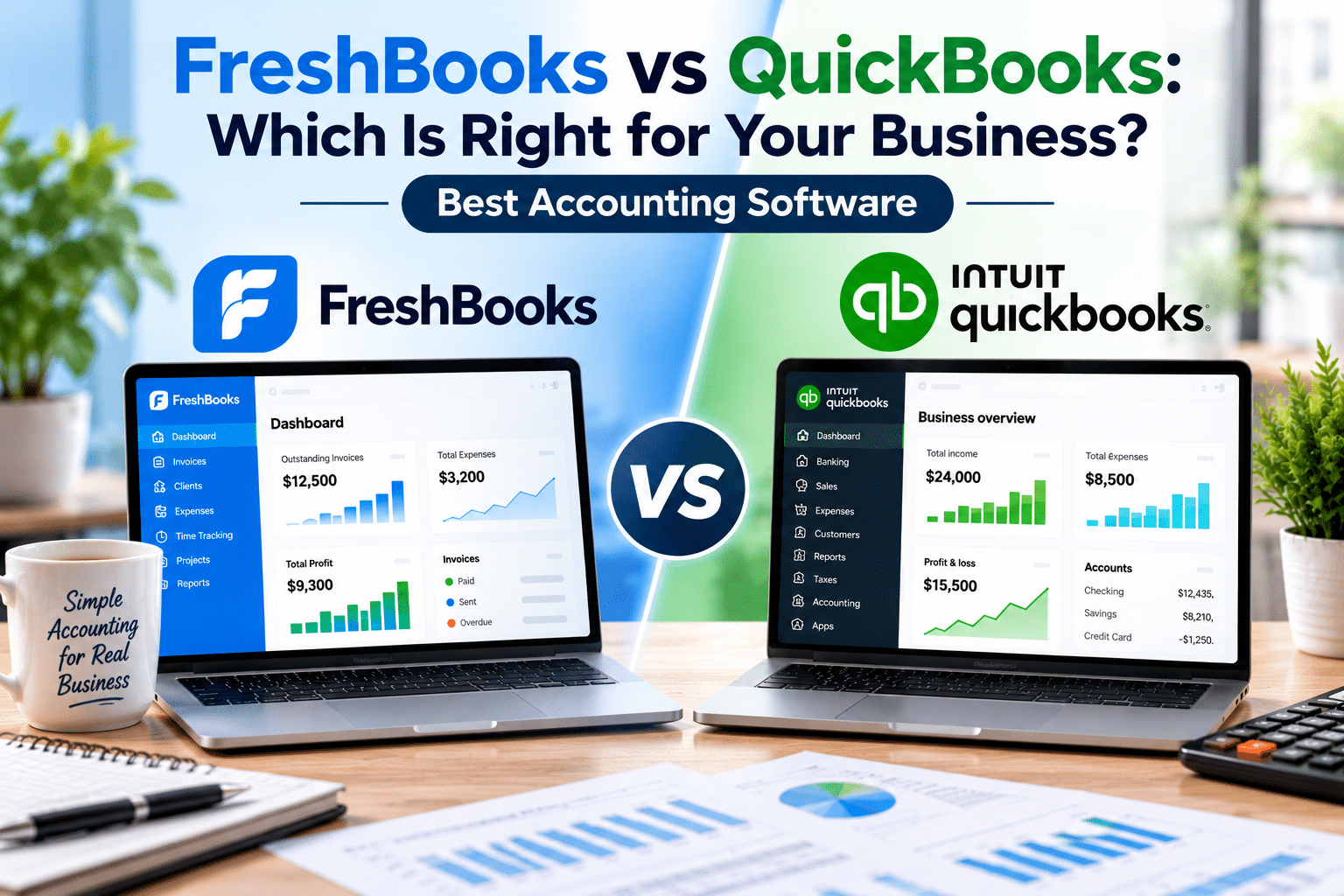

Why Sell a Lawn Care Business?

The lawn care industry is a profitable and growing sector, making it a great asset to sell when the time is right. Whether you’ve built your business from the ground up or inherited it, selling your lawn care business could be the ideal next step. Reasons to sell may include:

  • Retirement or a desire to pursue a new business opportunity.

  • The business has become too time-consuming, and you want to move on.

  • You’ve built a profitable business and are ready to cash out.

No matter your reason, the decision to sell should be approached strategically to maximize the sale value.

Steps to Selling Your Lawn Care Business

1. Prepare Your Lawn Care Business for Sale

Before putting your business on the market, it’s essential to ensure it’s ready for a smooth transition. This involves organizing financial records, streamlining operations, and making the business more attractive to potential buyers.

  • Financial Documentation: Buyers will want to see your tax returns, profit and loss statements, and balance sheets for the past few years.

  • Client Contracts: Organize all client contracts and relationships to facilitate a seamless transfer to the new owner.

  • Employee Details: If you have employees, make sure their roles, salaries, and contracts are clearly documented.

  • Equipment and Assets: Ensure that all lawn care equipment is in good condition and properly listed.

2. Determine Your Lawn Care Business’s Value

Proper valuation is key to ensuring you get the best price for your business. A good business valuation takes into account factors like:

  • Revenue and Profit: How much money the business generates and its profitability.

  • Client Base: The strength of your customer base and how easy it is to retain clients.

  • Assets and Equipment: The value of the lawn care equipment, vehicles, and any other tangible assets.

  • Market Conditions: The current market demand for lawn care services in your area.

You may want to consider hiring a professional appraiser or utilizing business valuation tools to ensure you’re pricing your business accurately.

3. Find the Right Buyer

Finding the right buyer is crucial for a successful sale. Here are some tips on where to look:

  • Industry Buyers: Look for individuals or companies within the lawn care industry who are interested in expanding their business.

  • Local Buyers: Local buyers may be interested in acquiring your lawn care business to tap into an existing customer base.

  • Existing Employees: Employees who have been with your business for an extended period may be interested in purchasing your business.

Ensure you carefully screen potential buyers to verify their financial qualifications and experience in managing a business.

4. Market Your Lawn Care Business for Sale

To attract buyers, you need to advertise your business for sale. You can list your business on business-for-sale websites, such as BizBuySell, or consider using social media platforms to get the word out. Be sure to:

  • Create a compelling listing that highlights the business’s strengths, including customer base, equipment, and growth potential.

  • Network with industry contacts to spread the word to potential buyers who may be interested in purchasing a lawn care business.

5. Negotiate the Terms of the Sale

Once you’ve found a buyer, it’s time to negotiate the terms. Key factors to negotiate include:

  • Sale Price: Ensure you receive the value you deserve for your business.

  • Payment Terms: Will the buyer pay upfront, or will there be installment payments over time?

  • Transition Period: How long will you stay on to help the new owner transition smoothly?

Having a clear, well-structured deal can ensure both parties are satisfied and prevent any confusion or disagreements later on.

6. Legal and Tax Considerations

It’s important to understand the legal and tax implications of selling your lawn care business. Consult with an attorney and a tax professional to ensure you comply with local laws and reduce any tax liabilities. You’ll need to:

  • Draft a sale agreement that covers all terms and conditions of the sale.

  • Ensure all licenses and permits for the business are properly transferred to the new owner.

  • Consider tax consequences based on how you sell the business (asset sale vs. stock sale).

Conclusion: Sell Your Lawn Care Business Successfully

Selling your lawn care business is a significant decision, and taking the proper steps can help ensure you receive the best price for your hard work. From preparing your business for sale to negotiating the right terms, following these steps will help you navigate the process successfully.

If you’re ready to sell your lawn care business, begin by obtaining an accurate valuation and seeking professional guidance to help you navigate the sale process. By being thorough and diligent, you can sell your business with confidence and ensure a smooth transition for both you and the buyer.

📞 Ready to Sell Your Business?
Call us today between 9 AM and 5 PM to speak directly with an experienced business advisor, or schedule a convenient time using this link — No hard sales, just honest advice. Let’s take the first step together with the right approach for a smooth, profitable experience.

FreshBooks vs QuickBooks for Accounting: Which One is Right for Your Business?

When it comes to accounting software, two names often come up—FreshBooks and QuickBooks. Both are highly regarded in the industry, but which one is the best fit for your business? Whether you’re a small business owner, freelancer, or growing company, choosing the right accounting software can streamline your finances and save you valuable time.

In this article, we will compare FreshBooks vs QuickBooks, highlighting their features, benefits, and pricing, to help you make an informed decision.

What Is FreshBooks?

FreshBooks is cloud-based accounting software designed for small business owners and freelancers. It’s known for its user-friendly interface, which simplifies invoicing, expense tracking, and time management.

Key Features of FreshBooks:

  • Invoicing: Create and send customized invoices quickly, and get paid faster with online payment integration.

  • Expense Tracking: Automatically import expenses and categorize them for easy tax filing.

  • Time Tracking: Keep track of billable hours with a built-in time-tracking tool.

  • Client Management: Organize clients, communication, and billing all in one place.

  • Mobile App: Manage your accounting from anywhere with the mobile app.

FreshBooks is ideal for those who need simple accounting features with a focus on invoicing and time-tracking.

What Is QuickBooks?

QuickBooks, developed by Intuit, is one of the most popular and robust accounting software solutions on the market. It’s designed for businesses of all sizes, from freelancers to large enterprises, with various plans to accommodate different needs.

Key Features of QuickBooks:

  • Comprehensive Reporting: Access detailed financial reports like profit and loss, balance sheets, and tax reports.

  • Invoicing and Payments: Create invoices, accept online payments, and track overdue invoices easily.

  • Payroll Services: Manage payroll for employees, calculate taxes, and file payroll tax forms automatically.

  • Bank Reconciliation: Link your bank accounts and credit cards for automatic transaction imports and easy reconciliation.

  • Inventory Management: Keep track of your stock and receive alerts for low inventory.

  • Mobile App: Handle your accounting on-the-go with QuickBooks’ mobile app.

QuickBooks is perfect for small to medium-sized businesses that need advanced features and customization options.

FreshBooks vs QuickBooks: The Comparison

Ease of Use

  • FreshBooks: FreshBooks is known for its simplicity and intuitive interface. Its user-friendly design makes it easy for people with no accounting background to set up and use.

  • QuickBooks: QuickBooks can be slightly more complex due to its wide range of features. While it’s a powerful tool, it may take time to learn and master all the functionalities.

Features

  • FreshBooks: Ideal for freelancers and small businesses, FreshBooks shines with features focused on invoicing, time tracking, and expense management. However, it lacks some advanced features like payroll and inventory management that QuickBooks offers.

  • QuickBooks: QuickBooks provides a more comprehensive accounting solution, with payroll, advanced reporting, inventory management, and tax preparation features. It’s more robust for growing businesses and enterprises.

Pricing

  • FreshBooks: FreshBooks offers three pricing tiers starting at $15/month. It is cost-effective for solo entrepreneurs or small businesses with limited needs.

  • QuickBooks: QuickBooks pricing starts at $25/month for the Simple Start plan, with more advanced plans for additional features. While more expensive than FreshBooks, it offers a broader range of features that justify the cost for growing businesses.

Customer Support

  • FreshBooks: FreshBooks offers excellent customer support with 24/7 live chat and email support. It also has an extensive knowledge base with helpful guides and FAQs.

  • QuickBooks: QuickBooks offers support via phone and live chat, with 24/7 assistance available for higher-tier plans. The company also provides an extensive support center and video tutorials.

Which One Should You Choose?

Choose FreshBooks if:

  • You’re a freelancer, solo entrepreneur, or small business owner who needs easy-to-use accounting software.

  • You require an intuitive, straightforward solution for invoicing and time tracking.

  • Your accounting needs are basic, and you don’t need advanced features like payroll or inventory management.

Choose QuickBooks if:

  • You’re running a growing business with complex accounting needs, such as payroll, advanced reporting, and inventory management.

  • You need more control over your finances and want to access more in-depth financial reporting and forecasting tools.

  • You’re looking for a scalable solution that can grow with your business.

Final Thoughts: FreshBooks vs QuickBooks for Your Business

Both FreshBooks vs QuickBooks are excellent accounting solutions depending on your business’s needs. FreshBooks is a simple, easy-to-use tool that’s ideal for freelancers and small businesses focused on invoicing and time tracking. On the other hand, QuickBooks offers a comprehensive suite of tools that cater to larger businesses or those with more complex accounting needs.

If you’re just starting out or running a small business, FreshBooks might be the more cost-effective and user-friendly option. However, for businesses with more employees or more complex needs, QuickBooks could be the better fit for long-term growth and scalability.

Need Help Choosing Between FreshBooks and QuickBooks?

Whether you’re just starting out or scaling up, choosing the right accounting software can make or break your financial management. Not sure which tool is right for your business? We can help.

Schedule a free consultation with a bookkeeping expert to discuss your business goals and get personalized guidance on FreshBooks vs QuickBooks.

How to Sell a Family Business: A Step-by-Step Guide

Selling a family business is not only a financial decision but also an emotional one. Whether you’ve been running the family business for years or inherited it, knowing how to sell a family business is crucial for ensuring a smooth transition. This guide will walk you through the process and provide the insights you need to make informed decisions every step of the way.

Why Selling a Family Business Requires Extra Care

Selling a family business comes with unique challenges. The sale process isn’t just about the price tag; it involves complex family dynamics, emotional attachments, and ensuring that everyone involved feels comfortable with the decision. While there are similarities to selling any business, the key differences often require extra preparation and consideration. Here are a few reasons why selling a family business requires additional attention:

  • Emotional Considerations: Unlike other businesses, a family business often carries emotional value, as it represents the hard work and legacy of the family.

  • Family Dynamics: In many cases, multiple family members are involved in the business. Balancing different opinions and ensuring everyone is on the same page is critical.

  • Long-Term Transition Planning: Family businesses often require a well-thought-out transition plan to ensure continuity and minimize disruption to employees, customers, and the brand.

Steps to Sell Your Family Business

1. Understand the Value of Your Business

Before jumping into the sale, it’s important to get an accurate business valuation. Knowing how much your business is worth is the foundation of a successful sale. Without a professional valuation, you risk overpricing or underpricing your business, which can result in a failed transaction or lost profit. Consider hiring an expert appraiser who can evaluate the business based on market trends, financials, and other critical factors.

2. Plan for the Emotional and Legal Aspects

Selling a family business is not just about the numbers—it’s about the people involved. Family dynamics can complicate the sale process, so having open discussions with all key stakeholders is essential. Additionally, family businesses often come with complex legal structures and obligations. It’s important to work with an attorney who understands family business law and can help navigate these complexities.

3. Decide on the Best Buyer

The next step is deciding on the right buyer. This is crucial because you’ll want someone who not only values the business but also understands its legacy. Your options include selling to another family member, a third-party buyer, or an investor. Each type of buyer comes with different implications for the future of the business. Family members may require succession planning, while third-party buyers might look for changes or restructuring.

4. Prepare Financial Documents and Legal Records

Once you’ve decided to sell, ensure all financial records and legal documents are up to date. Potential buyers will expect transparency regarding the business’s financial health. Be prepared to provide:

  • Tax returns for the past 3-5 years

  • Profit and loss statements

  • Balance sheets

  • Legal documents related to ownership and liabilities

5. Choose the Right Sale Structure

You can sell a family business in a variety of ways, such as through an asset sale or a stock sale. An asset sale involves selling individual assets like equipment or inventory, while a stock sale involves selling the company’s stock or shares. Each structure has different tax implications, so it’s crucial to choose one that minimizes taxes and suits both your personal and business needs.

6. Negotiate the Deal

Negotiation is a crucial part of the process. Whether you’re selling to a family member or a third party, clear and open communication is key. Both parties should be comfortable with the terms, including the sale price, payment structure, and transition plan. Hiring a business broker can help streamline the negotiation process and ensure that both sides feel satisfied with the deal.

7. Plan for the Transition

One of the most important aspects of selling a family business is ensuring a smooth transition. This includes preparing for how the new owner will take over operations, maintain relationships with employees and clients, and continue the legacy of the business. If you’re selling to a family member, you may need to provide training and mentorship to ease the transition.

How a Business Broker Can Help You Sell Your Family Business

While selling a family business is often a personal decision, involving a business broker can significantly ease the process. A business broker brings valuable experience in evaluating the business, marketing it, finding qualified buyers, and handling negotiations. They can act as an intermediary, ensuring that emotions don’t interfere with the deal and helping to secure the best possible terms.

Why Work With a Business Broker?

  • Access to a Network of Buyers: Business brokers have an extensive network of buyers who are ready to invest in family businesses.

  • Expert Negotiation: Brokers are skilled negotiators who can help you navigate challenging family dynamics and ensure you get a fair deal.

  • Maximizing Sale Price: A broker can help you price the business accurately, ensuring that you receive a competitive offer.

  • Handling the Paperwork: From due diligence to legal documents, brokers ensure all the paperwork is handled efficiently and professionally.

Conclusion: Start Planning Your Family Business Sale Today

Selling your family business is a complex process that requires careful planning, clear communication, and professional guidance. By following the steps outlined above, you can successfully navigate the sale and ensure that your business transitions smoothly to the next owner. Whether you decide to sell to a family member, a third-party buyer, or an investor, the key is being well-prepared and taking the time to get the best value for your business.

📞 Ready to sell your family business? Call us today between 9 AM and 5 PM to speak directly with an experienced business advisor or schedule a convenient time using this link — No hard sales, just honest advice. Let’s take the first step together with the right approach for a smooth, profitable experience.

How to Sell a Landscape Business: A Step-by-Step Guide

Selling a landscape business is a unique and significant decision that requires careful preparation, market knowledge, and the righthow to sell a landsca strategies. Whether you’re ready to retire, explore new ventures, or simply move on, selling your landscape business at the right price and to the right buyer is crucial.

In this guide, we’ll walk you through the essential steps on how to sell a landscape business, from preparing the business for sale to finding qualified buyers and negotiating the best terms.

Why Selling a Landscape Business is Different

Selling a landscape business has its own set of challenges and considerations compared to other industries. The value of a landscaping company extends beyond physical assets, such as mowers and trucks, to include its client relationships, local reputation, and service contracts.

Here’s why selling a landscape business is different:

  • Customer Contracts: Long-term contracts with residential or commercial clients add value to the business. Buyers will want to know about the quality of these relationships.

  • Reputation: A good reputation in your local area can significantly enhance the value of your business. Buyers are often interested in the brand and community presence your company has built.

  • Equipment and Assets: Landscaping companies often have significant investments in equipment. Buyers will want to know the age and condition of your machinery and assets.

  • Seasonality: Landscaping businesses can be highly seasonal. Buyers will want to know how your company manages off-season periods.

Understanding these factors helps you price and market your landscape business correctly.

Steps to Sell a Landscape Business

1. Prepare Your Landscape Business for Sale

The first step in selling your landscape business is ensuring that it’s in its best possible shape for potential buyers. Here’s what you need to do:

  • Organize Financial Documents: Gather your financial records, including tax returns, profit and loss statements, and balance sheets, for the past 3-5 years. Buyers will scrutinize your financial records, so it’s essential to demonstrate a solid and reliable track record of profitability.

  • Streamline Operations: Make sure your business runs smoothly. Buyers are more likely to purchase a company that operates efficiently and effectively. Ensure that your inventory, equipment, and personnel are in order.

  • Review Client Contracts: Buyers will want to know the details of any ongoing client contracts. Having these contracts ready for review will demonstrate the recurring revenue potential of your business.

  • Assess Equipment and Assets: Ensure all your equipment is in good working order. Buyers will expect detailed lists of equipment and their conditions, as this impacts the valuation of your business.

  • Legal Compliance: Ensure that your business complies with all applicable local regulations, including licensing, insurance, and environmental laws. Compliance adds credibility and value to your business.

2. Determine the Value of Your Landscape Business

Accurately valuing your landscape business is essential to ensure that you’re asking the right price. Here are some factors to consider when valuing your business:

  • Earnings-Based Valuation: This method looks at the profitability of your business, specifically using Seller’s Discretionary Earnings (SDE) or EBITDA. You can use these figures to determine the value of your business based on its earnings potential.

  • Asset-Based Valuation: This approach focuses on the value of your tangible assets, including vehicles, equipment, and real estate. The age and condition of these assets can influence your business’s valuation.

  • Market-Based Valuation: Comparing your landscape business to similar businesses that have sold recently in your area can help determine the current market value.

You may want to consult with a professional appraiser or business broker who specializes in landscaping businesses to help you with valuation.

3. Market Your Landscape Business for Sale

Once your business is prepared and you’ve set an asking price, it’s time to market it to potential buyers. Here’s how to effectively market your landscape business:

  • List on Business-for-Sale Websites: Platforms like BizBuySell and BusinessBroker.net can be excellent places to list your business. These platforms attract buyers actively seeking landscape businesses.

  • Tap Into Your Industry Network: Reach out to your suppliers, customers, and industry contacts. There’s a good chance that someone within your network will be interested or know someone who is.

  • Leverage Social Media: Use platforms like LinkedIn and Facebook to advertise your business for sale. Social media allows you to directly connect with a broader network of potential buyers.

  • Work with a Broker: If you prefer professional help, a business broker specializing in landscaping businesses can assist with marketing, negotiation, and finding qualified buyers.

4. Screen Potential Buyers

Once you begin receiving inquiries, it’s essential to screen buyers to ensure they have the financial capacity and expertise to take over your landscape business. Here’s what to look for:

  • Financial Capability: Request proof of funds or financing to ensure the buyer can afford the purchase. Look for buyers who are financially qualified to close the deal.

  • Industry Experience: A buyer with experience in the landscaping industry will be better equipped to handle the business’s unique challenges. Look for someone who understands the seasonal nature of the company and its operational demands.

  • Motivation: Understand why the buyer is interested in your business. A motivated buyer is more likely to follow through with the purchase and successfully assume ownership of the company.

5. Negotiate the Sale

Once you find a qualified buyer, it’s time to negotiate the terms of the sale. Consider these important factors when negotiating:

  • Price: Be prepared to justify your asking price with financial records and business valuation. Buyers will want to know that they are getting good value for their money.

  • Payment Terms: Determine whether the buyer will pay upfront, or if you will offer seller financing. Ensure you clearly understand the payment structure before agreeing to anything.

  • Transition Period: Many buyers will want the seller to stay involved for a transition period. Be prepared to negotiate the terms of your involvement post-sale, whether that means training the buyer or staying on for a few months.

6. Close the Sale

Once you’ve agreed on the terms with the buyer, it’s time to close the deal:

  • Sales Agreement: Collaborate with a lawyer to draft a comprehensive sales agreement that outlines the terms of the sale.

  • Transfer of Assets: Transfer ownership of assets, such as equipment, inventory, and client contracts, to the buyer.

  • Tax and Legal Considerations: Consult with a tax advisor to understand the tax implications of the sale and make sure all legal requirements are met.

Conclusion: Successfully Sell a Landscape Business in 2026

Selling a landscape business in 2026 requires careful planning, strategic marketing, and a professional approach. By preparing your business, determining its value, and reaching the right buyers, you can successfully sell your business at the optimal price.

If you’re ready to sell, start by organizing your financials, setting a competitive asking price, and marketing your business to potential buyers. With the right strategy in place, you’ll be well on your way to completing a successful sale.

For more tips and guidance on selling your business, check out our Business Valuation Checklist.

Ready to Sell Your Landscape Business?

Selling a landscape business is a big move, but you don’t have to navigate it alone. Whether you need help valuing your business, preparing your financials, or finding qualified buyers, expert guidance can make the process smoother and more profitable.

Schedule your free consultation to discuss your sale strategy. No pressure. No sales pitch. Just honest guidance to help you move forward with confidence.

How to Sell a Roofing Company: A Step-by-Step Guide

Selling a roofing company, like any other business, is a significant decision. Whether you’re looking to retire, move on to a new venture, orhow to sell a roofing company cash out, understanding the process and knowing the right steps to take is crucial. Selling a roofing company involves more than just finding a buyer—it requires careful planning, accurate valuation, and effective marketing to ensure you get the best price for your business.

In this guide, we’ll walk you through the essential steps of how to sell a roofing company, from preparing your business for sale to negotiating with potential buyers.

Why Selling a Roofing Company Is Different

The roofing industry is unique, and selling a roofing company comes with its own set of challenges. Unlike other types of businesses, a roofing company relies heavily on local reputation, client relationships, and physical assets like equipment and inventory. Additionally, there are industry-specific considerations, such as licensing, permits, and insurance, that potential buyers will want to understand before proceeding with a purchase.

Here’s why selling a roofing company can be different:

  • Established Reputation and Client Base: Buyers will look for businesses with a strong local reputation and a solid customer base.

  • Operational Considerations: A buyer will want to know how the business operates, including whether you own or lease equipment and how you manage employees.

  • Regulatory Compliance: Buyers will need to know that your business complies with all local building codes and insurance requirements.

Understanding these nuances will help you prepare your roofing company for sale and ensure the process runs smoothly.

Steps to Sell a Roofing Company

1. Prepare Your Roofing Company for Sale

Before listing your roofing company for sale, it’s crucial to get your business in order. Buyers are looking for a company that runs efficiently and is financially sound. Here’s how to prepare:

  • Organize Financial Records: Ensure that your financial statements (profit and loss, balance sheets, and tax returns) are up to date and accurate. This is one of the first things buyers will review.

  • Streamline Operations: Make sure your operations run smoothly. This includes optimizing your scheduling, inventory management, and workflow systems. Buyers are more likely to purchase a business that is efficient and well-organized.

  • Address Legal Issues: Ensure that your business is in good legal standing, including current business licenses, insurance, and compliance with local building regulations.

  • Review Equipment and Assets: Ensure all equipment is in working order and has been properly maintained. Buyers will want to know the condition and value of your physical assets, such as vehicles and tools.

2. Determine the Value of Your Roofing Company

Accurately valuing your roofing company is crucial to ensure you set a fair price. There are several methods used to determine the value of a business:

  • Earnings-Based Valuation: This method focuses on the profitability of your business. Commonly, it uses Seller’s Discretionary Earnings (SDE) or EBITDA (Earnings Before Interest, Taxes, Depreciation, and Amortization) to calculate the value based on the business’s earnings.

  • Asset-Based Valuation: This method focuses on the value of a business’s assets, including equipment, inventory, and physical property.

  • Market-Based Valuation: Comparing your business to other similar businesses that have recently been sold can help determine a fair market value.

Consider working with a professional business appraiser or broker specializing in the roofing industry to ensure an accurate valuation.

3. Market Your Roofing Company for Sale

Once your business is prepared and you’ve set an asking price, it’s time to market your roofing company to potential buyers. Here’s how:

  • Business-for-Sale Websites: List your roofing company on platforms like BizBuySell and BusinessBroker.net. These sites attract buyers who are actively looking to purchase businesses.

  • Network with Industry Contacts: Reach out to suppliers, contractors, and other roofing businesses in your area. They may know someone interested in acquiring your business.

  • Utilize Social Media: Promote your sale on social media platforms like LinkedIn and Facebook. These platforms are ideal for directly reaching out to potential buyers.

  • Work with a Business Broker: If you prefer professional assistance, a business broker can help market your roofing company to the right buyers. They’ll handle everything from advertising to negotiating on your behalf.

4. Screen Potential Buyers

It’s crucial to screen potential buyers to ensure they have the financial capability and the expertise to take over your roofing business. Here’s what to look for:

  • Financial Ability: Request proof of funds or financing options to verify the buyer’s ability to afford the business.

  • Industry Experience: A buyer with experience in the roofing industry will have a better understanding of the business’s challenges and opportunities.

  • Motivation: Understand why the buyer wants to purchase your roofing company. A motivated buyer will be more likely to follow through with the purchase and ensure the business’s future success.

5. Negotiate the Sale

Once you’ve identified a serious buyer, it’s time to negotiate the terms of the sale. Here are some key points to discuss:

  • Price: Be prepared to justify your asking price with financial records, business valuation, and industry trends.

  • Payment Terms: Will the buyer pay upfront, or will you offer seller financing? Discuss the payment terms and any contingencies.

  • Transition Period: Often, buyers request that the seller stay involved for a transition period to help with operations. Determine how long you’re willing to stay involved and what role you’ll play.

6. Close the Deal

Once you and the buyer have agreed on the terms, it’s time to finalize the sale:

  • Sales Agreement: Collaborate with an attorney to draft a comprehensive sales agreement that outlines all terms and conditions of the sale.

  • Transfer Assets: Transfer ownership of all business assets, including equipment, inventory, and real estate (if applicable).

  • Tax and Legal Considerations: Consult with a tax advisor to understand the tax implications of the sale and ensure compliance with all legal requirements.

Conclusion: Successfully Sell a Roofing Company in 2026

Selling a roofing company in 2026 requires careful planning, a solid valuation, and an effective marketing strategy. By preparing your business, determining its value, marketing it to the right buyers, and negotiating with care, you can successfully sell your roofing business for a fair price. If you’re ready to sell, start by gathering all your business records, setting a competitive price, and reaching out to potential buyers. With the right strategy and preparation, you can ensure a smooth and successful sale of your roofing business. For more information on how to value and sell your business, check out our Business Valuation Checklist.

Ready to Talk Through Your Sale Strategy?

Get expert guidance on valuation, pricing, and finding the right buyer for your roofing company.

Schedule your free consultation here. No pressure. No sales pitch. Just clear advice to help you move forward with confidence.

How to Sell a Restaurant Business in 2026: The Complete Guide

Selling a restaurant business is no small task. Whether you’re moving on to a new opportunity, retiring, or simply want a change, the process of selling a restaurant in 2026 requires preparation, strategy, and the right approach. The restaurant industry has evolved significantly, and understanding how to sell a restaurant business in today’s market is crucial for securing the best sale price.

This guide walks you through the essential steps involved in selling a restaurant, from preparing your business for sale to finding the right buyer and negotiating the best deal. Let’s dive into everything you need to know about how to sell a restaurant business successfully in 2026.

Why Selling a Restaurant Business in 2026 Is Unique

The restaurant industry has seen substantial changes in recent years. From the shift toward online ordering and food delivery to increasing competition and changing consumer preferences, the dynamics around how to sell a restaurant business have evolved. In 2026, these factors should be considered when valuing and marketing your restaurant for sale.

Here’s why selling a restaurant is different in 2026:

  • Post-Pandemic Shifts: The restaurant industry was deeply impacted by the pandemic, which accelerated the trend toward delivery services, ghost kitchens, and digital platforms. Buyers are increasingly interested in businesses that have adapted well to these changes.

  • Technological Integration: Restaurants with strong technology, including online ordering systems, POS systems, and cloud-based management, are highly attractive to buyers.

  • Valuation Adjustments: The modern restaurant buyer is more concerned with digital presence, operational efficiency, and profit potential. This affects how you price and sell your business.

Understanding these modern dynamics is essential when deciding how to sell a restaurant business in 2026.

Steps to Sell a Restaurant Business in 2026

1. Prepare Your Restaurant for Sale

Preparation is the key to a successful sale. You want your restaurant to be in optimal condition to attract potential buyers and secure the best price. Here’s how to get started:

  • Organize Financial Records: Buyers will want to see clear and accurate financial statements. Gather the last 3-5 years of tax returns, profit and loss statements, balance sheets, and cash flow reports. Clean, organized financials will make your business more attractive to serious buyers.

  • Optimize Operations: Streamline your processes and operations. Buyers prefer restaurants that are easy to run and well-organized. Address any inefficiencies and improve employee systems, inventory management, and service quality.

  • Legal Documentation: Ensure all your licenses, permits, and health regulations are up-to-date. Buyers will need to know that everything is legally compliant to avoid any roadblocks after the purchase.

  • Review Equipment and Assets: Ensure that all restaurant equipment is in working condition, and that you have a detailed list of assets, including kitchen equipment, furniture, and intellectual property such as recipes or branding assets.

2. Determine the Value of Your Restaurant Business

Setting the right price for your restaurant is crucial. If you price your business too high, it could scare off potential buyers; too low, and you might leave money on the table. Here’s how to determine your restaurant’s value:

  • Earnings-Based Valuation: This method looks at the profitability of your restaurant, typically using SDE (Seller’s Discretionary Earnings) or EBITDA (Earnings Before Interest, Taxes, Depreciation, and Amortization) to calculate value.

  • Asset-Based Valuation: This method values your restaurant based on its tangible assets, such as equipment, inventory, and real estate.

  • Market-Based Valuation: By comparing your restaurant to similar businesses that have been sold, you can determine a competitive price that reflects current market conditions.

A professional valuation can help you set a fair asking price and avoid overpricing or underpricing your business.

3. Market Your Restaurant for Sale

Once your business is prepared and priced, the next step is to market it to potential buyers. Here’s how:

  • List on Business-for-Sale Websites: Use platforms like BizBuySell, Restaurant Brokers, and BizQuest to list your business for sale. These platforms attract potential buyers who are specifically looking for restaurant opportunities.

  • Leverage Your Network: Inform your suppliers, customers, and fellow business owners that your restaurant is for sale. Networking can sometimes lead to finding the perfect buyer within your community or industry.

  • Social Media and Online Marketing: Utilize platforms like Facebook, LinkedIn, and Instagram to advertise the sale. Running targeted ads and sharing posts about the sale can help attract buyers who may not be actively searching traditional websites.

  • Work with a Broker: If you prefer assistance with marketing your restaurant for sale, consider working with a business broker specializing in restaurant sales. They can help you navigate the marketing process and connect you with qualified buyers.

4. Screen Potential Buyers

It’s important to carefully screen potential buyers to ensure they have the financial capability and expertise to run your restaurant. Here’s what to look for:

  • Financial Capability: Ask for proof of funds or financing to ensure the buyer can afford to make the purchase.

  • Experience: Look for buyers with experience in the restaurant industry. This will increase the likelihood of a successful transition and ensure the buyer understands the complexities of restaurant management.

  • Serious Motivation: Understand why the buyer is interested in your business. A motivated buyer is more likely to follow through with the purchase and run the business successfully.

5. Negotiate the Sale

Once you’ve identified a qualified buyer, it’s time to negotiate the terms of the sale. Consider the following when negotiating:

  • Price: Ensure you have data to justify your asking price. Your valuation and financial records will support your price point.

  • Payment Terms: Will the buyer pay upfront, or will you offer seller financing? Establish clear payment terms and discuss how much the buyer will pay and when.

  • Transition Period: Buyers often request that the seller stay involved for a transition period. Be prepared to outline your role during this period and how you’ll help the buyer take over smoothly.

6. Finalize the Sale

Once you’ve agreed on the terms, it’s time to close the deal:

  • Sales Agreement: Work with a lawyer to draft a formal sales agreement. The agreement should outline the terms of the sale, including the price, payment structure, and any contingencies.

  • Asset Transfer: Transfer the ownership of all assets, including equipment, inventory, intellectual property, and any real estate involved.

  • Legal and Tax Considerations: Consult with an accountant and attorney to ensure that the transaction complies with all local laws and tax regulations.

Conclusion: Successfully Sell a Restaurant Business in 2026

Selling a restaurant in 2026 requires careful planning, an accurate business valuation, and a strong marketing strategy. By preparing your restaurant, pricing it correctly, and targeting the right buyers, you can maximize the value of your business and sell it successfully.

If you’re ready to sell, start by gathering your financial records, working with a professional to value your business, and reaching out to potential buyers. With the right strategy and preparation, you can close the deal on your terms.

For more information on preparing your business for sale, check out our Business Valuation Checklist.

Next Step: Understand Your Restaurant’s Market Value

Before listing your restaurant, it helps to know where your business stands in today’s market.
We can review your financials, identify the right valuation method, and outline a pricing strategy that attracts serious buyers.

Schedule a brief strategy call to discuss your restaurant’s valuation and sale process.

How to Sell a Retail Business: A Step-by-Step Guide

Selling a retail business is a big decision — and if done right, it can be both profitable and freeing. But if you’re like many retail business owners, you might be wondering: Where do I even start? How do I find a buyer? What’s my business worth?

This guide will walk you through how to sell a retail business, step by step, so you can move on to your next chapter with confidence.

1. Get Clear on Why You’re Selling

Before you list your retail business for sale, it’s important to define your motivation. Are you retiring? Moving on to a new venture? Burned out?

Buyers will ask — and they’ll want a clear, thoughtful answer. Being upfront about your reasons builds trust and gives your sale more credibility.

2. Know What Your Retail Business Is Worth

One of the most important steps in learning how to sell a retail business is getting an accurate valuation.

Retail businesses are typically valued based on:

  • Inventory

  • Real estate (if owned)

  • Cash flow and profitability

  • Customer loyalty and location

  • Brand reputation

You can start with a DIY valuation using seller’s discretionary earnings (SDE), but a professional valuation will give you the most accurate picture — especially when negotiating with buyers.

Pro Tip: Bizprofitpro offers free preliminary appraisals to help you understand your business’s worth before you hit the market.

3. Get Your Financials in Order

Serious buyers will want to review your books. Make sure your:

  • Profit & loss statements are up to date

  • Inventory is accurately tracked

  • Lease agreements and licenses are current

  • Employee contracts, vendor relationships, and systems are documented

Clean financials not only speed up the process — they make your business more attractive to buyers.

4. Optimize Before You List

Just like selling a house, your retail business should be in its best shape before you sell. A few things to review:

  • Is your storefront clean and well-organized?

  • Can you trim unnecessary expenses to boost profitability?

  • Are your processes documented and easy to transfer?

The more turnkey your business is, the more value it offers — and the easier it will be to sell.

5. Decide Whether to Sell With or Without a Broker

Selling a retail business can be done with or without a business broker. Here’s a quick comparison:

With a Broker Without a Broker
Less time-consuming More hands-on involvement
Broker takes commission You keep full profits
Broker handles negotiations You build direct buyer trust

If you choose to go without a broker, make sure you have a solid marketing plan to reach the right buyers.

6. Market Your Retail Business to the Right Buyers

Here’s where many retail owners get stuck — they post on BizBuySell or Craigslist and hope for the best.

But how you market matters.

At Bizprofitpro, we use:

  • Targeted email campaigns to 10,000+ vetted business buyers

  • Direct outreach via LinkedIn and Facebook groups

  • Custom listings written by professional copywriters

  • Social media ads that get in front of the right people

We don’t just list your business — we actively find buyers for you.

7. Qualify Your Buyers

Not everyone who asks about your business is ready (or able) to buy.

Make sure every buyer is:

  • Financially qualified

  • Serious about moving forward

  • A good fit for your store’s values and operations

You can request proof of funds or a buyer questionnaire before disclosing sensitive details.

8. Negotiate the Deal

Once you find a serious buyer, it’s time to negotiate the terms. These may include:

  • Purchase price

  • Inventory value

  • Transition support period

  • Non-compete agreements

  • Seller financing, if any

It’s smart to work with a lawyer or transaction advisor to make sure everything is buttoned up.

9. Close the Sale

Final steps usually involve:

  • Drafting a purchase agreement

  • Conducting buyer due diligence

  • Transferring licenses, permits, and leases

  • Coordinating handoff of assets and responsibilities

Once the deal is closed, you’ll sign over ownership — and walk away with your final payment.

10. Support the Transition (Optional, But Helpful)

Buyers often appreciate a few weeks of post-sale support to ensure a smooth transition. This might include:

  • Training the new owner on POS systems

  • Introducing them to vendors

  • Helping with customer communication

Including a transition period can help justify a higher selling price.

Final Thoughts: How to Sell a Retail Business the Right Way

Selling a retail business takes preparation, planning, and the right strategy — but it doesn’t have to be overwhelming.

By understanding how to sell a retail business and using modern marketing tools (like those at Bizprofitpro), you can connect with serious buyers, present your business in the best light, and negotiate a sale that works for you.

Whether you’re ready to sell now or just exploring your options, our team can help guide the way.

Need help selling your retail business?

👉 Get a free preliminary business appraisal or connect with us to start building your buyer outreach strategy.

If you’d like support building your buyer outreach strategy:
👉 Schedule a strategy call.

How to Sell a Business on Facebook Marketplace

Facebook Marketplace is one of the most widely used platforms for buying and selling all kinds of products, from furniture to electronics. But did you know you can also sell your business on Facebook Marketplace? Selling a business on Facebook Marketplace might seem unconventional, but with the right strategy, it can be an effective way to reach a wide audience and connect with potential buyers. In this guide, we’ll walk you through the process of how to sell a business on Facebook Marketplace, from setting up your listing to finalizing the sale.

Why Use Facebook Marketplace to Sell Your Business?

Facebook Marketplace has become a popular online marketplace for various goods and services. Here’s why it could be a great option for selling your business:

  • Wide Audience: Facebook Marketplace reaches millions of users across different demographics, making it easier to find potential buyers.

  • Free Listings: Unlike other business-for-sale platforms that charge for listings, Facebook Marketplace allows you to list your business for free.

  • Local Reach: If you want to sell to a local buyer, Facebook Marketplace is an excellent tool, especially since you can narrow your audience based on location.

  • Built-in Communication: Potential buyers can reach out directly through Facebook Messenger, making communication easy and instant.

Steps to Sell a Business on Facebook Marketplace

1. Prepare Your Business for Sale

Before you list your business on Facebook Marketplace, ensure it’s ready for potential buyers. Preparation is key to attracting serious inquiries:

  • Financial Records: Gather and organize key financial documents, including tax returns, profit and loss statements, balance sheets, and business bank statements.

  • Valuation: Determine the value of your business. Accurate pricing will help you set a reasonable asking price. If unsure, consult with a professional business appraiser.

  • Legal Documents: Have all legal documentation in order, including your business formation papers, contracts, licenses, and any other agreements that may be relevant to the sale.

2. Create an Engaging Listing

Once your business is ready for sale, you need to create an attractive and informative listing on Facebook Marketplace. Here’s how to make your listing stand out:

  • Business Description: Write a compelling description of your business. Highlight its strengths, potential for growth, and why it’s a great opportunity for a buyer. Be honest and transparent.

  • Include Financials: Buyers want to know what they’re getting into. Include key financial information, such as revenue, profit, and any existing debts.

  • Use High-Quality Photos: High-quality images of your business location, assets, or products can significantly enhance your listing. If possible, include photos of the interior, equipment, and any tangible assets.

  • Provide Clear Terms: Be clear about the sale terms, including the asking price, payment structure, and whether you’re willing to stay on for a transition period.

3. Set the Right Price

Pricing your business correctly is crucial when selling a business on Facebook Marketplace. Overpricing your business could scare off potential buyers, while underpricing could mean you sell it for less than it’s worth. Consider these factors:

  • Market Comparisons: Research similar businesses in your industry and location to understand the going rate.

  • Business Valuation: Use a professional valuation method (like SDE or EBITDA) to arrive at a fair and competitive price.

  • Negotiate Terms: Be open to negotiations, but ensure that you set a minimum price based on your business’s value.

4. Promote Your Listing

Once your listing is live, it’s time to get the word out:

  • Share on Your Facebook Profile: Share your Marketplace listing on your personal Facebook profile or business page to reach your network.

  • Post in Facebook Groups: Join local business-for-sale groups and post your listing there. Many of these groups have buyers actively looking for new business opportunities.

  • Advertise the Listing: You can also use Facebook’s paid ads to target specific demographics. While this will incur some cost, it can help you reach a larger audience.

5. Screen Potential Buyers

Once you start receiving inquiries from potential buyers, it’s important to screen them to ensure they’re serious and qualified:

  • Ask for Proof of Funds: Buyers should demonstrate that they have the financial means to make the purchase.

  • Check Their Experience: While industry experience is not always necessary, it helps if the buyer understands the business operations.

  • Motivation: Ask why the buyer is interested in your business and how they plan to run it. A serious buyer will have clear goals and intentions.

6. Negotiate the Sale

When a potential buyer is ready, it’s time to negotiate the terms of the sale. Be prepared to discuss:

  • Price: Justify your asking price with data and insights from your business’s valuation.

  • Payment Structure: Discuss how the buyer will pay for the business—whether through a lump sum or installment payments.

  • Transition Period: Buyers may want you to stay on for a period to help transition the business. Clarify how long you’ll stay involved and what support you’ll provide.

7. Close the Deal

Once terms have been agreed upon, it’s time to close the deal. Here’s how:

  • Sales Agreement: Draft a clear sales agreement outlining the terms, including price, payment terms, and any contingencies. Consult with a lawyer to ensure everything is legally sound.

  • Transfer Ownership: Transfer any assets, intellectual property, and customer contracts to the buyer.

  • Tax and Legal Considerations: Work with a tax advisor and attorney to ensure all legal requirements are met and the sale is compliant with local laws.

Conclusion: Successfully Sell a Business on Facebook Marketplace

Selling a business on Facebook Marketplace can be a great way to reach a large pool of potential buyers without paying broker fees. By preparing your business for sale, creating a strong listing, and following the right steps, you can successfully sell a business on Facebook Marketplace and ensure a smooth, profitable transaction.

If you’re ready to sell, start by gathering all necessary business documents, setting a fair price, and crafting a compelling listing. With the right strategy and preparation, you can close the sale on your terms.

For more tips on selling your business, check out our Business Valuation Checklist.

How to Sell a Manufacturing Business: A Comprehensive Guide

Selling a manufacturing business requires specialized knowledge and careful preparation. Whether you’re retiring, looking to pursue new opportunities, or simply ready to cash out, knowing how to sell a manufacturing business effectively can ensure you get the best price for your company. The sale of a manufacturing business involves unique considerations compared to other industries due to its assets, operations, and market dynamics.

In this guide, we’ll break down the essential steps on how to sell a manufacturing business, from preparing your business for sale to negotiating with buyers and closing the deal.

Why Selling a Manufacturing Business Is Different

Unlike other businesses, manufacturing companies have complex operations and assets that make the selling process more detailed. Buyers will look closely at factors like:

  • Tangible Assets: Machinery, inventory, and real estate are significant assets in manufacturing businesses.

  • Intellectual Property: Patents, trademarks, and proprietary processes could add significant value to the business.

  • Operational Efficiency: The efficiency of your production process, labor force, and supply chain plays a major role in the valuation.

Selling a manufacturing business requires an understanding of these factors and how to communicate them to potential buyers. Let’s dive into the steps involved in how to sell a manufacturing business.

Steps to Sell a Manufacturing Business

1. Prepare Your Manufacturing Business for Sale

Before you list your business for sale, you need to ensure it’s in top shape. Buyers will scrutinize every aspect of your business, so you need to be fully prepared.

  • Get Your Financials in Order: Compile at least the last 3-5 years of financial statements, including tax returns, profit and loss statements, balance sheets, and cash flow statements.

  • Organize Your Assets: List all of your business’s tangible and intangible assets, including machinery, inventory, patents, trademarks, and customer lists. Make sure all equipment is in good working condition and that you have updated maintenance records.

  • Operational Efficiencies: Buyers are looking for businesses with efficient operations. Streamline your processes and address any inefficiencies in production, supply chain management, and labor force.

  • Legal Compliance: Ensure that all licenses, permits, and legal requirements are up to date. Buyers will want to know that they won’t encounter legal issues after purchasing your business.

2. Determine the Value of Your Manufacturing Business

Setting the right price is essential to attracting potential buyers. Valuing a manufacturing business is more complicated than valuing a service-based or retail business due to the complexity of the assets and operations.

Here are the main approaches to valuing a manufacturing business:

  • Earnings-Based Valuation: This method focuses on your business’s earnings, typically using EBITDA (Earnings Before Interest, Taxes, Depreciation, and Amortization) or SDE (Seller’s Discretionary Earnings) to determine value.

  • Asset-Based Valuation: This method looks at the tangible and intangible assets of the business, including machinery, inventory, patents, and real estate.

  • Market-Based Valuation: You compare your business to similar businesses that have recently sold, adjusting for the differences in size, market, and assets.

Professional appraisers who specialize in manufacturing businesses can help ensure you set a fair and competitive price.

3. Market Your Manufacturing Business for Sale

Once your business is ready for sale and you’ve determined the asking price, it’s time to market your business to potential buyers. Here’s how:

  • List Your Business Online: Websites like BizBuySell, BusinessBroker.net, and industry-specific platforms are great places to advertise your business for sale.

  • Leverage Industry Networks: Use your industry contacts, suppliers, and other business owners to spread the word. Many manufacturing businesses are sold through private networks.

  • Work with a Broker: If you choose to, a business broker can help you find buyers and handle much of the marketing process. They’ll also have access to a broader buyer pool and can guide you through the complexities of the sale.

4. Screen Potential Buyers

When selling your manufacturing business, it’s crucial to screen potential buyers carefully to ensure they have the financial means and expertise to operate the business. Here’s what to consider:

  • Financial Capacity: Ask for proof of funds or financing to ensure the buyer can afford to purchase the business.

  • Industry Experience: While industry experience is beneficial, it’s not always a must. However, a buyer with manufacturing experience will have a better understanding of the business’s operations.

  • Commitment: Make sure the buyer is serious and ready to commit to the purchase.

5. Negotiate the Sale

Negotiating the terms of the sale is where you can secure the best deal. Key elements of the negotiation include:

  • Price: Be prepared to justify your asking price with data from your business’s valuation, financial performance, and industry standards.

  • Payment Terms: Will the buyer pay the full price upfront, or will you offer financing options? Make sure you negotiate payment terms that work for both you and the buyer.

  • Transition Period: You may need to stay on for a period after the sale to help transition the business to the new owner. Be clear on your role during the transition and for how long you will be involved.

6. Close the Deal

Once you’ve agreed on terms, it’s time to finalize the sale. This process involves:

  • Sales Agreement: Work with an attorney to draft a sales agreement that clearly outlines the terms, including price, payment schedule, and contingencies.

  • Transfer of Assets: Ensure all assets, including machinery, intellectual property, inventory, and real estate, are transferred to the new owner.

  • Legal and Tax Considerations: Consult with a tax advisor to understand the tax implications of the sale and ensure all paperwork is in order.

Conclusion: Successfully Sell Your Manufacturing Business

Selling a manufacturing business is a complex process, but with careful preparation and the right approach, you can maximize your business’s value and complete the sale successfully. By understanding the key considerations, determining the right price, marketing effectively, and negotiating terms, you can sell your manufacturing business independently or with professional help.

Ready to sell? Start by reviewing your business’s financials and assets, setting a fair price, and reaching out to potential buyers.

For more information on preparing your business for sale, check out our Business Valuation Checklist.

How to Sell a Service Business: A Step-by-Step Guide

Selling a service business can be a complex process, but with the right preparation and strategy, it can be a smooth and profitable experience. Whether you’re retiring, looking to move on to another venture, or simply cashing out, knowing how to sell a service business effectively is essential. In this guide, we’ll cover the key steps involved in selling your service business, from preparing your business for sale to finding the right buyer and negotiating the best deal.

Why Selling a Service Business Requires Special Considerations

Unlike selling a product-based business, selling a service business requires a different approach. Service businesses often rely on relationships, intellectual property, and a skilled workforce rather than physical inventory. Therefore, it’s essential to properly assess the value of these intangible assets when selling.

Here’s why selling a service business requires extra attention:

  • Value of Intellectual Property: Service businesses often rely on intellectual property, proprietary systems, or specialized knowledge. These assets must be accurately valued.

  • Client Relationships: A service business’s clients are often long-term, and the goodwill of these relationships plays a significant role in the sale price.

  • Dependence on Employees: The employees in a service business may be critical to its success. Ensuring they stay on after the sale is a key consideration.

Understanding these nuances is essential when figuring out how to sell a service business successfully.

Steps to Sell a Service Business

1. Prepare Your Business for Sale

The first step in how to sell a service business is getting your business ready for the sale. Preparation is key to getting the best deal. Here’s what to do:

  • Clean Financial Records: Buyers will want to see at least three years of financial records, including tax returns, profit and loss statements, and balance sheets. Ensure that these documents are organized and up-to-date.

  • Evaluate Client Contracts: Service businesses often have long-term client contracts. Make sure these are in order and can be transferred to the new owner. If there are any issues with contracts or relationships, address them before putting the business on the market.

  • Legal Compliance: Ensure that your business complies with all relevant laws and regulations. This includes licenses, permits, and employee agreements.

  • Prepare for Transition: Make your business operationally efficient and ready for a smooth transition. This includes standardizing processes and training employees to handle the business smoothly post-sale.

2. Determine the Value of Your Service Business

Determining the right sale price is one of the most crucial steps when figuring out how to sell a service business. Unlike product-based businesses, service businesses are often valued based on factors like:

  • Revenue and Profits: Look at your business’s past earnings to assess its profitability. Service businesses with a steady stream of revenue and high profit margins are often valued higher.

  • Client Base: The value of your client list is essential. A long-term client base with recurring revenue is a major selling point.

  • Intellectual Property and Brand: If your business relies on proprietary systems, trademarks, or brand recognition, these should be valued appropriately.

  • Employee Expertise: If your business relies on specialized employees, their knowledge and expertise add value. Buyers will want to know if they are staying on after the sale.

Consulting with a business appraiser can help ensure you set a fair and accurate price for your service business.

3. Market Your Service Business for Sale

Once your business is ready for sale, it’s time to market it to potential buyers. Here’s how to attract the right buyer:

  • List Your Business Online: Use websites like BizBuySell, BusinessBroker.net, or Business for Sale to list your business. Be sure to include detailed information about your services, client base, and financial performance.

  • Network within Your Industry: Sometimes the best buyers come from within your industry. Reach out to competitors, business contacts, or others in your network who may be interested in purchasing your business.

  • Work with a Business Broker: If you want extra help, consider working with a business broker who specializes in service businesses. They can connect you with qualified buyers and help you navigate the sale process.

4. Screen Potential Buyers

When selling a service business, it’s critical to screen potential buyers carefully. You want to make sure they have the financial capability and experience to run the business. Ask potential buyers for:

  • Proof of Funds: Ensure they can afford the purchase by asking for bank statements, proof of financing, or letters from investors.

  • Experience: Look for buyers who have experience in the service industry, as they will be more likely to succeed with your business.

  • Motivation: Understand why the buyer wants to purchase your business. This can help you assess their seriousness and suitability.

5. Negotiate the Sale

Negotiation is one of the most important steps in how to sell a service business. When a buyer expresses interest, you’ll need to discuss terms, including:

  • Sale Price: Be prepared to justify your asking price based on the business’s financials and value.

  • Payment Terms: Will the buyer pay the full price upfront, or will you offer seller financing? Determine what works for both you and the buyer.

  • Transition Period: Many buyers will want you to stay on for a period after the sale to help transition the business. Be clear about how long you’re willing to stay involved and in what capacity.

6. Close the Deal

Once you’ve agreed on terms, it’s time to close the deal. This involves:

  • Drafting a Sales Agreement: A lawyer should help draft a legally binding agreement that outlines the sale terms, including price, payments, and contingencies.

  • Finalizing the Sale: Transfer assets, client contracts, and intellectual property to the new owner. Ensure that all the necessary legal and financial paperwork is completed correctly.

  • Taxes and Legal Considerations: Consult with a tax professional to understand the tax implications of the sale and ensure compliance with all local laws.

Conclusion: Successfully Sell Your Service Business

Selling a service business independently can be a rewarding process if you take the right steps. By preparing your business for sale, determining its value, marketing it to the right buyers, and negotiating effectively, you can successfully sell your business and move on to your next adventure.

Start by gathering all necessary documentation, understanding your business’s value, and seeking professional advice as needed. With the right preparation and strategy, you’ll be well on your way to a successful sale.

For more information on selling your business, check out our Business Valuation Checklist.

How to Sell a Franchise Business: A Step-by-Step Guide

Selling a franchise business can be a bit more complex than selling an independent business. Since franchises are part of a larger brand, there are additional considerations you must keep in mind. Whether you’re retiring, moving on to a new venture, or simply looking to cash out, understanding how to properly sell a franchise business is essential for getting the best deal and ensuring a smooth transition.

In this guide, we’ll walk you through the necessary steps to sell a franchise business, including preparation, finding the right buyer, and understanding the specific steps required in a franchise sale.

Why Selling a Franchise Business Requires Special Considerations

Selling a franchise business differs from selling an independent business because franchises come with their own set of rules and regulations. The franchisor, or the company that owns the franchise, often has a say in the sale process. It’s important to understand these regulations before proceeding.

Here are a few unique considerations when selling a franchise:

  • Franchise Agreement Terms: Your franchise agreement may include specific terms related to selling, such as restrictions on who can buy the franchise or the franchisor’s right to approve the new owner.

  • Brand Standards: The franchisor will want to ensure that the new owner adheres to the brand’s standards, and maintaining the integrity of the brand is essential.

  • Ongoing Fees: Some franchises require ongoing payments like royalties or marketing fees, which must be disclosed to potential buyers.

Before selling, it’s critical to review your franchise agreement to fully understand the terms and conditions that may affect the sale.

Steps to Sell a Franchise Business

1. Review Your Franchise Agreement

Before listing your franchise for sale, you must first review your franchise agreement. The agreement may have clauses about selling the business, such as:

  • Right of First Refusal: Some franchisors have the right to purchase the franchise before you can sell it to someone else.

  • Approval Process: Franchisors often require approval of the buyer before the sale can go through.

  • Transfer Fees: There may be a fee associated with transferring the franchise ownership.

Ensure you comply with these terms to avoid any legal issues.

2. Get a Business Valuation

To sell a franchise business, you must know its value. A professional business valuation can help you determine a fair asking price. Factors to consider include:

  • Earnings: Look at your business’s income statement, EBITDA (Earnings Before Interest, Taxes, Depreciation, and Amortization), and cash flow.

  • Franchise Performance: Evaluate how well your franchise is performing compared to other franchises in the same network.

  • Assets: The physical assets of your business, such as equipment and inventory, can contribute to the overall value.

A professional business appraiser who specializes in franchises can provide an accurate valuation based on these factors.

3. Prepare Your Business for Sale

Just like selling an independent business, preparing your franchise for sale is critical. Here’s what you need to do:

  • Organize Financial Documents: Make sure your financial records are up to date, including tax returns, profit and loss statements, and balance sheets.

  • Clean Up Operations: Streamline your operations and address any inefficiencies. This will make your business more attractive to buyers.

  • Update Legal Documents: Ensure your legal documents are in order, including contracts, leases, and employee agreements.

  • Franchise Disclosure: You will need to provide potential buyers with a franchise disclosure document (FDD) which outlines the terms of the franchise agreement and the franchise’s history.

4. Find the Right Buyer

The right buyer for your franchise business may not be someone with industry experience. In fact, many franchise systems prefer buyers who can adhere to the brand’s guidelines rather than someone with prior knowledge of the business.

Here are some strategies for finding the right buyer:

  • Franchise Network: Reach out to other franchise owners in the same system who may be interested in expanding or taking over another location.

  • Franchise Resale Marketplaces: Websites like BizBuySell and BusinessBroker.net specialize in listing franchises for sale and connecting buyers with sellers.

  • Franchise Brokers: A franchise broker can help you identify qualified buyers, particularly those who are new to the franchise system but have the necessary capital and business acumen.

5. Negotiate the Sale

Negotiation is an important part of selling a franchise business. Be prepared to discuss:

  • Price: Your asking price should reflect the business’s valuation.

  • Terms of Sale: This includes whether the buyer will be assuming any existing debt or liabilities.

  • Franchise Transfer Conditions: You’ll need to negotiate the terms of transferring the franchise agreement, which may include upfront fees or certain franchise obligations.

Work with a business attorney to ensure that all terms are clearly defined and legally binding.

6. Work with the Franchisor

Once you have a buyer in place, you must work with the franchisor to transfer the franchise ownership. The franchisor will want to ensure the buyer is qualified to operate the franchise. This may include:

  • Approval Process: The franchisor will review the buyer’s background, financial qualifications, and business experience.

  • Training and Transition: The new owner may need to undergo training provided by the franchisor to ensure they meet the brand’s standards.

  • Transfer of Assets: The sale may involve transferring physical assets, intellectual property, and employee agreements. Make sure all aspects of the transfer are properly documented.

Conclusion: Successfully Sell Your Franchise Business

Selling a franchise business is an intricate process that requires careful planning and attention to detail. By reviewing your franchise agreement, obtaining a business valuation, preparing your business for sale, and finding the right buyer, you can set yourself up for a smooth and successful transaction.

Don’t hesitate to seek professional assistance from brokers, accountants, and attorneys who specialize in franchising to guide you through the process and ensure a successful sale. By taking the necessary steps and adhering to the franchise system’s requirements, you can maximize the value of your business and close the deal with confidence.

📢 Ready to sell your franchise business? Get expert guidance and start the process today! Contact us now.

Local Business Brokers in Annapolis: Your Guide to a Successful Sale

When it comes to selling your business, working with local business brokers in Annapolis can make all the difference. Whether you’re selling a small business or a larger enterprise, choosing the right broker who knows the local market can help you navigate the complexities of the sale process and ensure you get the best deal.

In this guide, we’ll walk you through the benefits of working with local business brokers, how to choose the right one, and the key steps involved in selling your business in Annapolis. If you’re ready to get started or need guidance, don’t forget to check out our Business Valuation Checklist for further insights.

Why Work with Local Business Brokers in Annapolis?

When selling your business, local knowledge matters. Here’s why you should consider working with local business brokers in Annapolis:

1. Market Expertise

Local brokers have a deep understanding of the Annapolis market, including the trends, buyer behavior, and competition. They can provide you with accurate pricing based on the current market conditions and guide you toward the right buyers.

2. Access to Local Buyers

A local business broker will have connections to buyers in the area, making it easier to find the right match for your business. Whether it’s another business owner looking to expand or a private investor, local brokers can tap into their network to find serious buyers quickly.

3. Confidentiality

Selling a business requires discretion. Local business brokers in Annapolis can handle the sale confidentially, ensuring your employees, customers, and competitors are unaware of the sale until you’re ready to make the announcement.

4. Personalized Service

Unlike national brokers who may treat your sale as just another transaction, local business brokers offer personalized service. They’ll take the time to understand your business’s unique value and help you craft a sale strategy tailored to your specific goals.

How to Choose the Right Local Business Brokers in Annapolis

Choosing the right broker is crucial to ensure you get the best value for your business. Here’s what to look for in local business brokers:

1. Experience and Industry Knowledge

Look for brokers with experience in your industry. Whether you run a restaurant, retail store, or service business, the right broker will have a proven track record in handling similar sales.

2. Licensing and Certifications

Ensure the broker is licensed and affiliated with professional organizations such as the International Business Brokers Association (IBBA) or the Maryland Business Brokers Association (MBBA). This guarantees they adhere to ethical standards and have the necessary training to handle your sale.

3. Local Reputation

Check the broker’s reputation in the Annapolis area. Look for brokers with positive reviews, successful case studies, and a strong network within the local business community.

4. Strong Marketing and Sales Strategies

A good broker will have a solid marketing plan to promote your business to potential buyers. Ask about their marketing methods, including online listings, advertising, and outreach to potential buyers within their network.

5. Clear Communication

Effective communication is key throughout the sales process. Choose a broker who is responsive, transparent, and keeps you informed at every stage of the process.

Top Local Business Brokers in Annapolis

If you’re ready to sell your business, here are a few trusted local business brokers in Annapolis that can help you get started:

  • Sunbelt Business Brokers of Maryland: A reputable firm with experience in small and mid-sized business sales.

  • Transworld Business Advisors of Annapolis: Experts in franchise sales and mergers and acquisitions.

  • Murphy Business Sales – Maryland: Offering personalized services and a broad network of buyers.

The Steps to Selling Your Business with a Local Business Broker in Annapolis

Working with a local business broker helps simplify the process of selling your business. Here’s how it works:

1. Prepare Your Business for Sale

The first step in working with a broker is to ensure your business is ready for sale. A good broker will help you get your financials in order, improve your operational efficiency, and ensure your business is attractive to potential buyers.

2. Business Valuation

The broker will conduct a professional valuation to determine the fair market value of your business. This will help you set a reasonable asking price that reflects your business’s worth.

3. Marketing Your Business

Your local business broker will market your business to their network and on various business-for-sale platforms, ensuring it reaches the right buyers.

4. Screening Buyers

The broker will handle the screening process, ensuring that only serious, financially qualified buyers are considered.

5. Negotiating and Closing the Deal

From initial offers to final agreements, your broker will handle all negotiations, ensuring you get the best deal possible. They’ll also assist with the legal documentation and ensure a smooth closing.

FAQs About Local Business Brokers in Annapolis

What Fees Do Business Brokers Charge?

Typically, business brokers charge a commission of 5-10% of the sale price, but this can vary based on the size and complexity of the business.

How Long Does It Take to Sell a Business?

The timeline depends on the type of business and the market conditions. On average, it can take 6-12 months to sell a business.

Can I Sell My Business Without a Broker?

Yes, but working with local business brokers in Annapolis increases your chances of finding the right buyer and maximizing the sale price.

Conclusion: Why Choose Local Business Brokers in Annapolis

Selling your business is one of the most significant decisions you’ll ever make, and working with local business brokers in Annapolis can help ensure a smooth and successful transaction. With their expertise, market knowledge, and network of buyers, a broker can help you sell your business for the best possible price and with minimal stress.

Ready to sell your business? Start by finding the right local business broker to guide you through the process and maximize your sale.

📢 Contact us today for expert guidance on selling your business and achieving a successful sale! Get a free consultation here.

Top Business Brokers in Baltimore: Your Guide to a Successful Sale

Selling a business is a significant life decision. Whether you’re retiring, transitioning into a new venture, or just looking for a change, partnering with the right business brokers in Baltimore can help ensure you maximize the value of your business. With their expertise, you can navigate the complex processes involved in selling, from preparing your business to attracting buyers and closing the deal.

In this comprehensive guide, we’ll walk you through the role of a business broker in Baltimore, how to choose the right one, and the key steps involved in selling your business.

Why Work with Business Brokers in Baltimore?

When selling your business, you need more than just a buyer—you need a strategic partner who understands the local market, can value your business correctly, and can negotiate the best terms. This is where business brokers in Baltimore come in.

A business broker is a professional intermediary who connects business owners with prospective buyers. They facilitate every aspect of the transaction, from valuing your business to finalizing contracts. Selling a business without a broker can be overwhelming and time-consuming. Here’s why hiring a business broker in Baltimore is a smart decision:

1. Access to a Qualified Buyer Network

One of the greatest advantages of working with a broker is their network. Business brokers in Baltimore have access to a database of potential buyers who are already looking for businesses in your industry. Brokers can match your business with qualified buyers who have the necessary resources and motivation to make a deal.

2. Accurate Business Valuation

Determining the right price for your business is crucial. If you price it too high, you may scare off potential buyers; price it too low, and you risk undervaluing your hard work. Business brokers use their expertise to determine a fair market value for your business. They take into account factors like industry trends, current market conditions, and financial performance to ensure you set the right price.

3. Marketing and Exposure

A broker will market your business through various channels to attract the right buyers. This can include listing on business-for-sale platforms, targeted emails, and even reaching out to their network of investors and business owners. With their resources, brokers can ensure maximum exposure for your business.

4. Negotiation Expertise

Selling a business involves intricate negotiations, from price to terms and conditions. Brokers are skilled negotiators who can help you get the best deal. They can navigate tough conversations, find mutually agreeable solutions, and protect your interests throughout the process.

5. Confidentiality

Selling a business can disrupt operations if handled improperly. Maintaining confidentiality is critical, especially if your employees, clients, or competitors are unaware of the sale. A business broker ensures that the sale process remains private, sharing sensitive information only with serious buyers.

What Does a Business Broker in Baltimore Do?

A business broker in Baltimore plays a crucial role in making your sale process smooth and efficient. Here’s a breakdown of the essential services provided by a business broker:

1. Business Valuation

A business broker will assess the value of your business, considering factors like revenue, profit, assets, liabilities, and market trends. Brokers often use several valuation methods, including earnings-based valuation (EBITDA, SDE), asset-based valuation, and market-based comparisons to arrive at a fair and accurate value for your business.

2. Marketing Your Business

Once the valuation is done, the broker will help you market your business for sale. This includes creating a comprehensive listing, highlighting the business’s strengths, and advertising it across appropriate channels to attract buyers.

3. Screening Buyers

Not all buyers are equal. A broker helps you find serious, qualified buyers by pre-screening leads and ensuring that they have the financial capability and intent to purchase your business. The broker will typically ask buyers for proof of funds or financing options to ensure they can make a deal.

4. Negotiating and Drafting Agreements

Brokers act as the intermediary between the seller and the buyer, managing negotiations and drafting the necessary documents. Whether it’s the initial offer or final agreements, the broker ensures all terms and conditions are favorable to the seller.

5. Managing the Sale Process

Throughout the sale process, your broker will handle everything from conducting due diligence to managing timelines. This includes overseeing contracts, legal documentation, and any additional processes required to finalize the deal.

How to Choose the Right Business Broker in Baltimore

Choosing the right business broker in Baltimore is essential to ensure that you’re getting the most out of your sale. Here’s what to look for:

1. Experience and Expertise

Look for brokers with experience in your specific industry. A broker with industry expertise understands your business and its challenges, making them more effective at valuing your business and finding the right buyers.

2. Licensing and Professional Affiliation

Ensure that the broker is licensed and affiliated with professional organizations such as the International Business Brokers Association (IBBA) or the Maryland Business Brokers Association (MBBA). These affiliations show that the broker adheres to industry standards and has the necessary credentials to represent you in the sale.

3. Proven Track Record

Check the broker’s track record and success stories. Past clients’ reviews and testimonials can give you a better sense of the broker’s ability to facilitate business sales effectively. You want to work with someone who has a proven history of closing deals.

4. Marketing Strategy

A good broker should have a strong marketing strategy for your business. This includes online listings, direct outreach, and utilizing a network of potential buyers. A solid marketing plan ensures your business gets the exposure it needs to attract the right buyer.

5. Compatibility and Communication

Choose a broker who is transparent, communicative, and attentive to your needs. You need a broker who understands your goals, can answer your questions, and keeps you informed throughout the process.

Top Business Brokers in Baltimore

If you’re looking for business brokers in Baltimore, here are some of the most trusted names in the industry:

  • Sunbelt Business Brokers of Maryland: A renowned firm specializing in small and mid-sized business sales.

  • Transworld Business Advisors of Baltimore: Experts in franchise resales and mergers & acquisitions.

  • Benchmark International: Specializing in high-value business transactions and strategic sales.

  • Murphy Business Sales – Baltimore: Offering personalized services with a focus on the local market.

How to Sell Your Business with the Help of a Business Broker

1. Preparing Your Business for Sale

A business broker will guide you in preparing your business for sale by helping you organize financial documents, improve operations, and address any legal or financial issues.

2. Business Valuation

The broker will perform a professional business valuation, using a combination of industry expertise and market trends to determine the fair value of your business.

3. Confidential Marketing

Your broker will ensure your sale remains confidential, protecting your reputation while marketing to the right audience.

4. Negotiation and Closing

Once a buyer is found, the broker will handle all aspects of negotiation and legal documentation to ensure a smooth and profitable transaction.

Final Thoughts on Business Brokers in Baltimore

Selling your business is a significant decision, and working with business brokers in Baltimore ensures you have the expertise and support you need to make the process as smooth as possible. By choosing the right broker, you can maximize the value of your business, find the right buyer, and ensure a successful sale.

📢 Ready to sell your business with confidence? Contact us today for expert guidance!

Selling a Service Business: A Step-by-Step Guide

Selling a service business can be a complex and emotional process. Whether you’re ready to retire, move on to a new venture, or simply looking to cash out, understanding the right steps to take is essential. Selling a service business requires careful preparation, accurate valuation, and a strategic approach to attract the right buyers.

In this post, we’ll guide you through the steps you need to take to sell your service business, from preparing it for sale to finding the right buyer. If you’re considering selling, you’ve come to the right place.

For further guidance on preparing your business for sale, check out our Business Valuation Checklist.

Why Sell a Service Business?

There are several reasons why a business owner might choose to sell their service business:

  • Retirement: After years of hard work, many owners decide to retire and enjoy the fruits of their labor.

  • Diversification: Business owners might want to shift focus and explore new opportunities or industries.

  • Market Conditions: Changes in the market or increased competition may motivate business owners to sell.

  • Financial Reasons: If the business is struggling, selling could be a way to recover value.

Regardless of the reason, selling your service business is a major decision that requires careful planning and preparation.

Steps to Sell a Service Business

Selling a service business is different from selling a product-based business. Service businesses often rely heavily on relationships with customers, and much of their value lies in their reputation and customer base. Here’s a step-by-step guide to selling your service business:

1. Prepare Your Business for Sale

Before listing your business for sale, you need to ensure that it is in top shape. Buyers will want to see that your business is running smoothly and is financially stable. Here’s what you should do:

  • Organize Financial Documents: Prepare your financial statements for the past 3-5 years. Buyers will want to see detailed records, including income statements, tax returns, and balance sheets.

  • Clarify Customer Contracts: Ensure that you have clear contracts with your key customers. Service businesses often rely on long-term client relationships, so having contracts in place will make your business more attractive to buyers.

  • Review Operations: Streamline any inefficient operations. A business that can run without the owner’s constant involvement will be more appealing to potential buyers.

2. Determine the Value of Your Business

Accurately valuing your service business is crucial for setting a fair price. Common methods for valuing service businesses include:

  • Earnings-Based Valuation: This is often the most appropriate method for service businesses. It’s based on your business’s earnings, typically using EBITDA (Earnings Before Interest, Taxes, Depreciation, and Amortization) or SDE (Seller’s Discretionary Earnings).

  • Asset-Based Valuation: This method is more relevant if your business has significant physical assets. However, since service businesses tend to rely more on intangible assets (such as brand reputation and customer relationships), this method may not fully capture its value.

  • Market-Based Valuation: You can also compare your service business to similar businesses that have recently sold to get a sense of market value.

Once you determine the value of your business, you’ll be better equipped to negotiate and set an appropriate asking price.

3. Find the Right Buyer

Finding the right buyer is crucial. Here are some strategies for identifying potential buyers:

  • Targeted Marketing: Reach out to competitors, other business owners, or industry players who might be interested in expanding their service offerings.

  • Industry-Specific Platforms: Websites like BizBuySell and BusinessBroker.net allow you to list your service business for sale and attract buyers who are specifically looking for businesses in your industry.

  • Direct Outreach: You can also consider reaching out to your professional network and using social media to let potential buyers know that your business is for sale.

Be sure to pre-screen buyers and only engage with those who are serious and financially capable.

4. Negotiate the Sale

Negotiation is an important part of selling your service business. Here are key points to discuss with potential buyers:

  • Sale Price: The price should reflect your business’s value based on the valuation methods you’ve used. Be prepared for negotiation but stay firm on your price.

  • Payment Structure: Will the buyer pay upfront, or will you offer seller financing or an earn-out based on future performance?

  • Transition Period: Buyers may want you to stay on for a period of time after the sale to ensure a smooth transition. Be clear about how much time you’re willing to commit.

5. Finalize the Sale

Once terms are agreed upon, it’s time to close the deal:

  • Sales Agreement: Work with a lawyer to draft a sales agreement that outlines all the terms of the sale, including payment terms, transition details, and contingencies.

  • Transfer Assets and Contracts: This includes transferring ownership of any intellectual property, client contracts, and employee agreements.

  • Legal and Tax Considerations: Make sure all legal and tax obligations are addressed, and that the business’s ownership is officially transferred to the new owner.

Conclusion: Successfully Sell Your Service Business

Selling a service business can be a rewarding yet complex process. By preparing your business, determining its value, and finding the right buyer, you can maximize the value of your business and ensure a smooth transition. Although it may seem overwhelming, with the right steps and guidance, you can navigate the process with confidence and achieve a successful sale.

For more tips and resources, visit our Business Valuation Checklist and get started on valuing your business today!

If you’re ready to sell or want help preparing your business for the market, schedule a free consultation today. Speak directly with an experienced business advisor who can guide you through valuation, buyer screening, and the entire sale process.

How Do I Know How Much My Business Is Worth

Determining the value of your business is one of the most crucial aspects of the business-selling process. If you’re thinking about selling or just curious about your business’s worth, asking “how do I know how much my business is worth?” is the first step. Business valuation is not a one-size-fits-all calculation—it’s a multifaceted process that considers financials, market trends, assets, and more.

In this guide, we’ll walk you through the different methods used to value your business and the factors that can affect its price. Whether you’re preparing for a sale, looking for investors, or simply trying to gauge your business’s value, understanding the key components of a business valuation is essential.

Why Knowing Your Business’s Worth is Important

Knowing the value of your business can guide important decisions. Whether you’re planning to sell, seeking investment, or negotiating a merger, understanding your business’s true worth allows you to make informed choices. Here are some scenarios where knowing the value of your business is crucial:

  • Selling the Business: Whether you’re ready to retire or moving on to another venture, knowing your business’s worth helps set the right asking price and ensures you get a fair deal.

  • Raising Capital: Investors or banks require an accurate business valuation to determine how much to invest or lend. It shows them the potential return on their investment.

  • Mergers or Acquisitions: If you’re considering merging or acquiring another business, understanding your business’s value can help in negotiations.

  • Tax Planning and Exit Strategy: Knowing your business’s worth can help you plan for taxes and develop an effective exit strategy for retirement or other financial goals.

Methods to Determine How Much Your Business is Worth

There are several approaches to business valuation. Here’s a breakdown of the most common methods used to determine how much your business is worth:

1. Asset-Based Valuation

This approach calculates the value of your business based on the net value of its assets. It takes into account both tangible assets (like equipment, inventory, and real estate) and intangible assets (such as intellectual property and trademarks).

The formula for this method is simple:

  • Asset Value = Total Assets – Total Liabilities

This method works best for businesses with substantial tangible assets, such as manufacturing companies or those with real estate holdings. However, it may not fully capture the true value of businesses with limited assets but high earning potential.

2. Earnings-Based Valuation

An earnings-based valuation uses the business’s earnings to determine its value. This method is particularly useful for service-oriented businesses or those that generate steady profits without significant tangible assets.

There are two common types of earnings-based valuations:

  • Seller’s Discretionary Earnings (SDE): This method is typically used for small businesses. It calculates the business’s earnings before interest, taxes, depreciation, and amortization (EBITDA), adding back the owner’s salary and perks.

  • EBITDA: This method is used for larger businesses and looks at earnings before interest, taxes, depreciation, and amortization.

To calculate the value using an earnings-based approach, you would multiply the SDE or EBITDA by an industry-specific multiple (determined by market conditions, size, and profitability).

3. Market-Based Valuation

A market-based valuation compares your business to similar businesses that have been sold recently in the same industry. This method uses the sale prices of comparable businesses to estimate your business’s value.

For example, if similar businesses in your industry have sold for 3x their annual revenue or 4x their EBITDA, you can apply that multiple to your business’s financials. The market-based approach is particularly useful when there are active transactions within your industry that provide valuable data for comparison.

4. Discounted Cash Flow (DCF) Analysis

DCF analysis estimates the value of your business based on its future cash flows. It involves projecting the future cash flows the business will generate and then discounting them back to present value using a required rate of return.

This method is most effective for businesses with stable cash flow and growth potential. However, it requires accurate forecasting and an understanding of how market conditions will affect future performance.

Factors Affecting Your Business’s Worth

Several factors can impact the valuation of your business, beyond just financial documents. Here are some additional elements that can affect your business’s worth:

  • Industry Trends: If your industry is growing and experiencing high demand, your business may be worth more. Conversely, if the industry is declining, it could decrease the value.

  • Market Conditions: Economic conditions, such as interest rates and consumer spending, can impact your business’s value.

  • Location: If your business is located in an area with high foot traffic or a growing population, this could add value.

  • Customer Base: A strong, loyal customer base can increase the perceived value of your business, especially if the customer relationships are long-lasting.

  • Brand Reputation: A strong brand and positive reputation in the market can contribute to higher business value.

  • Intellectual Property: If you have patents, trademarks, or proprietary technology, these intangible assets can add significant value to your business.

How to Get an Accurate Business Valuation

While it’s helpful to understand the methods and factors that contribute to business valuation, it’s essential to get an accurate assessment. Here are some steps you can take to ensure your valuation is reliable:

  • Hire a Professional Appraiser: A certified business appraiser can provide a detailed, objective valuation that considers all relevant factors.

  • Use Multiple Methods: A good business valuation will often combine several methods (asset-based, earnings-based, and market-based) to arrive at a more accurate price.

  • Consult with a Business Broker: A business broker can help you determine your business’s value by looking at industry trends and connecting you with potential buyers.

  • Consider Your Own Perspective: As the owner, you may have a subjective view of your business’s worth. It’s important to separate emotional attachment from the objective data when determining value.

Conclusion: Getting the Right Business Valuation

Understanding how much your business is worth is crucial for making informed decisions about selling, raising capital, or planning for the future. By using the appropriate valuation methods and considering the various factors that influence business value, you can confidently determine your business’s true worth.

If you’re ready to take the next step in valuing your business, consider seeking professional assistance. A business valuation expert can provide an accurate assessment and help guide you through the process of selling, buying, or managing your business.

Selling a Landscape Business: A Step-by-Step Guide

Selling a landscape business is a major decision that requires careful planning and strategic execution. Whether you’re ready to retire, pursue a new venture, or just move on to other opportunities, understanding the process of selling a landscape business is crucial for maximizing your sale price and ensuring a smooth transition.

In this guide, we’ll break down the essential steps to help you successfully sell your landscape business while retaining the most value. We’ll cover everything from preparing your business for sale to finding the right buyer and closing the deal.

Why Sell a Landscape Business?

There are several reasons you might want to sell a landscape business, including:

  • Retirement: After years of hard work, you may want to retire and enjoy the fruits of your labor.

  • New Opportunities: You might be looking to explore a new venture, either in the same industry or outside of it.

  • Market Conditions: Sometimes, shifting market conditions or increasing competition may make it advantageous to sell rather than continue operating.

  • Financial Reasons: If the business is struggling financially, selling could be the best way to recover losses or free up resources.

Whatever your reason for selling, understanding the process and preparing your business properly will help you get the best value from the sale.

Steps to Selling a Landscape Business

Selling a landscape business can be complex, but with the right steps, you can successfully navigate the process. Here’s a step-by-step guide to help you through it:

1. Prepare Your Business for Sale

Before listing your business for sale, take steps to ensure that it’s in the best possible shape. Buyers will want to see that your business is financially stable, operationally efficient, and legally sound. Here’s what you need to do:

  • Organize Financial Documents: Make sure your financial statements, tax returns, and balance sheets are up-to-date and reflect the true state of the business. Buyers will expect to review these documents.

  • Clear Liabilities: Eliminate outstanding debts and liabilities that may affect the value of your business. A clean financial slate makes your business more attractive to buyers.

  • Streamline Operations: Ensure that day-to-day operations run smoothly. Address any operational inefficiencies that could be a turn-off for buyers. Buyers prefer businesses that can run independently.

  • Improve Customer Contracts: If you have long-term contracts with clients, make sure they are transferable. Buyers will want to see a steady stream of future business.

2. Determine the Value of Your Business

Pricing your landscape business correctly is crucial when selling. If you price it too high, potential buyers may be turned away; too low, and you might not get the full value of what you’ve built. To determine your business’s value:

  • Earnings-Based Valuation: Many landscape businesses are valued based on their earnings, often using EBITDA (Earnings Before Interest, Taxes, Depreciation, and Amortization) or SDE (Seller’s Discretionary Earnings).

  • Asset-Based Valuation: If your business has significant physical assets (like equipment or real estate), consider using an asset-based valuation.

  • Market-Based Valuation: This method compares your business to similar landscape businesses that have recently been sold. It can give you an idea of what similar businesses in your area or industry are worth.

Having an accurate business valuation will help you set a reasonable asking price and give you confidence during negotiations.

3. Find the Right Buyer

The next step in selling a landscape business is finding the right buyer. Your ideal buyer might be someone with experience in the landscaping industry or a person looking to enter the business. Here are a few ways to find potential buyers:

  • Industry Networks: Reach out to industry contacts or competitors who might be interested in expanding their business.

  • Online Marketplaces: List your business on online platforms like BizBuySell, BusinessBroker.net, or even niche landscaping business forums.

  • Business Brokers: You might also consider using a business broker who specializes in small businesses or landscaping businesses. While they do charge a commission, they can help you find qualified buyers and manage the sale process.

4. Market Your Business for Sale

Marketing your landscape business effectively is essential to attract the right buyers. To sell your business quickly and for the best price, consider the following strategies:

  • Confidential Listings: If you want to keep the sale private, consider listing your business confidentially, where only serious buyers have access to sensitive information.

  • Promote Through Networks: Leverage your professional network, including clients, suppliers, and other industry contacts, to spread the word that your business is for sale.

  • Social Media and Website: You can also promote the sale through your business’s social media channels or website, especially if your business has a strong online presence.

5. Negotiate the Sale

Once you’ve found a potential buyer, it’s time to negotiate the terms of the sale. Key points to discuss include:

  • Price: Be prepared to justify your asking price using the valuation data and business performance.

  • Payment Terms: Will the buyer pay the full amount upfront, or will they offer seller financing or earn-out terms based on future performance?

  • Transition Period: Most buyers will want some level of support after the sale. Decide how long you’re willing to stay involved in the business during the transition.

Negotiation is a delicate process, so it’s important to be clear about your goals and stay flexible to reach a mutually beneficial agreement.

6. Close the Deal

After finalizing the terms, it’s time to close the deal. Here’s what to do:

  • Draft a Sales Agreement: Work with a lawyer to draft a sales agreement that outlines all terms, conditions, and contingencies.

  • Transfer Ownership: Ensure the smooth transfer of assets, inventory, equipment, client contracts, and employee agreements to the new owner.

  • Complete Legal Formalities: Make sure all legal documents are signed, taxes are paid, and ownership is officially transferred.

Conclusion: Successfully Sell Your Landscape Business

Selling a landscape business doesn’t have to be complicated, but it does require careful planning and attention to detail. By preparing your business for sale, determining its value, finding the right buyer, and negotiating effectively, you can maximize the sale price and ensure a smooth transition.

If you need assistance in preparing for the sale, finding the right buyer, or handling the paperwork, consider reaching out to a trusted business advisor to guide you through the process.

Ready to Sell Your Landscape Business?

If you’re ready to take the next step and discuss selling your landscape business, schedule a free consultation with an experienced business advisor to help you navigate the sale process.

How to Leverage a Business Broker Network to Maximize Your Sale

When it comes time to sell your business, one of the most important decisions you’ll make is whether to use a business broker. While selling independently can save on commissions, using a business broker network can provide valuable expertise, resources, and a wide pool of potential buyers. Understanding how to leverage a business broker network effectively can help you maximize your sale price and ensure a smooth transaction.

In this post, we’ll explore the benefits of using a business broker network, how to choose the right broker, and the strategies to ensure you get the best value for your business.

Why Use a Business Broker Network?

A business broker network connects you with experienced brokers who have access to a broad range of buyers, industry insights, and negotiation skills. Here’s why leveraging a network can be a game-changer when selling your business:

  • Access to Qualified Buyers: Brokers have an established database of potential buyers, including investors, other business owners, and private equity firms. This can lead to a quicker sale and a more competitive bidding process.

  • Market Expertise: Brokers understand current market trends, buyer behavior, and valuation methodologies. Their expertise can help you position your business in the best light and negotiate better terms.

  • Confidentiality: Selling a business involves sensitive information. A business broker network can help keep your sale confidential, ensuring that you don’t lose customers or employees during the process.

  • Time and Effort: Selling a business independently can be time-consuming. Brokers handle everything from marketing your business to screening buyers, which allows you to focus on running your business.

How to Leverage a Business Broker Network Effectively

Now that we know the benefits, let’s dive into how you can make the most of a business broker network. Here are the key steps:

1. Choose the Right Broker

Not all business brokers are created equal. It’s essential to find a broker who aligns with your business’s needs. Here’s how to choose the right one:

  • Industry Experience: Look for brokers with experience in your industry. An industry-specific broker will have a better understanding of market dynamics, buyer behavior, and what makes your business valuable.

  • Track Record: Review the broker’s past sales and client testimonials. A good broker should have a proven track record of successful transactions.

  • Fees and Commission: Understand how the broker charges and what services are included. Typically, brokers charge a commission based on the sale price (usually 5-10%). Ensure you’re comfortable with the structure before moving forward.

2. Build a Relationship with Your Broker

Once you’ve chosen a broker, building a strong working relationship is key. Ensure open communication and collaboration throughout the process. Here’s what you should discuss:

  • Sale Price: Work with your broker to determine the fair market value of your business. A broker can use their network to provide insight into what similar businesses are selling for.

  • Target Buyers: Help your broker understand the type of buyer you’re looking for. Do you want to sell to a competitor, a private equity firm, or a family member? A clear understanding will help the broker market your business to the right audience.

  • Timeline: Be upfront about your timeline for selling. Whether you’re looking for a quick sale or are willing to wait for the right buyer, your broker needs to know your expectations.

3. Tap into the Broker’s Network

One of the biggest advantages of working with a business broker network is the access to a wide pool of buyers. A good broker will have connections with:

  • Private Equity Firms: These firms specialize in purchasing businesses and often have the capital to make quick purchases.

  • Investors: Individual investors or groups looking to purchase businesses for growth or passive income.

  • Strategic Buyers: Competitors or industry players who might be interested in acquiring your business to expand their market reach.

  • Other Business Owners: Existing business owners who may be looking to diversify or expand into new markets.

By tapping into this network, your business gets more exposure, increasing the chances of finding the right buyer quickly.

4. Marketing Your Business for Sale

Brokers in a business broker network often have marketing tools and strategies to showcase your business to potential buyers. Some common methods include:

  • Confidential Listings: Brokers can list your business on databases without revealing your company’s name, maintaining confidentiality during the early stages.

  • Email Campaigns: Your broker will likely send your business listing to their network of buyers, ensuring it reaches a wide audience.

  • Targeted Outreach: Brokers may personally reach out to potential buyers within their network who are specifically looking for businesses like yours.

The more exposure your business gets, the higher the chances of receiving competitive offers.

5. Negotiation and Closing the Deal

Once you have potential buyers, your broker will play an essential role in the negotiation process. They will work to get the best possible offer for you by:

  • Handling Offers: Your broker will present all offers and help you compare them, making sure you’re making an informed decision.

  • Negotiating Terms: Brokers are skilled negotiators and will help you navigate price, payment terms, contingencies, and the overall structure of the deal.

  • Closing: A good broker will ensure that the deal goes through smoothly, including handling paperwork, legal matters, and any last-minute negotiations.

Conclusion: Maximize Your Sale with a Business Broker Network

Leveraging a business broker network can significantly increase your chances of successfully selling your business. Brokers offer access to qualified buyers, expert negotiation skills, and marketing strategies that you simply won’t be able to replicate on your own.

While selling your business independently is possible, using a broker network ensures you’re getting the best price and conditions for your business. By choosing the right broker, building a strong relationship, and tapping into their network, you can confidently sell your business and maximize the value you receive.

If you’re ready to get started or need guidance on the next steps, consider reaching out to a trusted business broker network for professional support.

Ready to Sell Your Business?

If you’re ready to explore selling your business with expert support, schedule a free consultation to discuss your options and start the process.

AI for Small Businesses in 2026: Transforming the Future of Operations

Artificial Intelligence (AI) has moved from a futuristic concept to a practical tool that is revolutionizing the way businesses operate. For small businesses, AI for small businesses in 2026 offers an exciting opportunity to streamline operations, improve customer experience, and boost profitability. Whether you are just starting out or looking to innovate, understanding how AI can enhance your business operations is essential.

In this article, we’ll explore how AI for small businesses is shaping the future, the key applications you should consider, and how to leverage AI to gain a competitive edge in the ever-evolving market.

Why AI is Crucial for Small Businesses in 2026

Small businesses have always faced challenges such as limited resources, competition, and the need for efficiency. AI for small businesses offers solutions that can help these companies level the playing field. In 2026, AI technology is no longer just for large corporations. It’s affordable, accessible, and scalable for small businesses of all sizes.

Here’s why small businesses should consider incorporating AI into their operations:

  • Efficiency: Automate routine tasks, saving time and resources for more strategic activities.

  • Cost Reduction: AI can help identify inefficiencies and streamline processes to reduce operational costs.

  • Better Decision-Making: AI-powered data analytics can help businesses make more informed decisions based on customer insights and trends.

  • Enhanced Customer Experience: AI allows small businesses to personalize customer interactions and provide faster, more accurate services.

Applications of AI for Small Businesses in 2026

There are several ways AI can benefit small businesses in 2026, depending on your industry and needs. Let’s dive into the key applications of AI for small businesses:

1. Customer Support and Chatbots

AI-powered chatbots are transforming the way small businesses interact with customers. These chatbots can answer common customer questions, provide product recommendations, and handle service inquiries 24/7. Not only does this improve customer satisfaction, but it also reduces the workload on human staff.

For example, businesses can use AI-powered chatbots to:

  • Answer FAQs: Provide instant responses to common questions.

  • Schedule Appointments: Help customers book appointments, freeing up time for employees.

  • Personalize Experiences: Suggest products or services based on past customer behavior.

2. Marketing and Advertising Automation

AI is revolutionizing digital marketing. AI for small businesses enables automated, data-driven marketing campaigns that can target the right audience with personalized content. Machine learning algorithms can analyze consumer data to predict behaviors, optimize ad spend, and improve lead generation efforts.

Benefits of AI marketing tools include:

  • Automated Campaigns: Set up AI-driven campaigns that run on autopilot and adjust in real time based on performance.

  • Targeted Advertising: Use AI to identify the best demographics for your products, ensuring that your ads reach the right people.

  • Personalized Messaging: Deliver personalized email marketing and social media campaigns that resonate with individual customers.

3. Inventory Management

Managing inventory is often a headache for small businesses, but AI can simplify the process. AI-driven inventory management systems can track stock levels in real time, predict demand, and suggest when to reorder. This reduces the risk of overstocking or running out of stock, saving businesses both time and money.

AI-powered systems can also:

  • Optimize Stock Levels: Use predictive analytics to forecast inventory needs based on trends and seasonality.

  • Automate Replenishment: Automatically reorder stock when it reaches a minimum threshold.

  • Track Supplier Performance: Analyze supplier reliability to make better procurement decisions.

4. Financial Analysis and Forecasting

AI-powered financial tools help small businesses stay on top of their finances by automating tasks like expense tracking, budgeting, and cash flow forecasting. Machine learning algorithms can identify trends and provide insights that help businesses manage their finances more effectively.

Here’s how AI can help in financial management:

  • Expense Management: Automatically categorize and track expenses, making it easier to spot financial issues.

  • Cash Flow Predictions: Use AI to forecast future cash flow based on past performance and seasonal trends.

  • Tax Optimization: AI can help you optimize your tax strategies by analyzing your financial data and providing insights into potential savings.

5. HR and Recruitment

AI can also streamline the recruitment process by automatically screening resumes, evaluating candidate qualifications, and even conducting initial interviews. This reduces the time spent on hiring and ensures that small businesses can find the best talent quickly and efficiently.

Key benefits for small businesses include:

  • Automated Screening: Use AI to analyze resumes and match candidates with job descriptions based on specific keywords and criteria.

  • Talent Analytics: AI tools can analyze data on employee performance to help businesses identify top performers and better manage talent.

  • Predictive Hiring: Leverage AI to predict which candidates are most likely to succeed based on historical data and patterns.

How to Get Started with AI for Your Small Business in 2026

Integrating AI into your small business doesn’t need to be overwhelming. Here’s how you can get started:

1. Identify Business Needs

Determine which areas of your business could benefit most from AI, whether it’s customer service, marketing, inventory management, or financial analysis.

2. Start Small

Begin with one AI application and scale up as you get comfortable. For example, start with an AI chatbot for customer service or an automated marketing campaign, and expand from there.

3. Choose the Right Tools

There are a variety of AI tools available for small businesses, many of which are affordable and user-friendly. Do your research and choose tools that fit your specific needs and budget.

4. Train Your Team

Educate your employees on how AI tools work and how they can leverage them to improve efficiency and productivity. It’s important to ensure your team is comfortable with the new technology.

5. Monitor and Optimize

Once you’ve implemented AI tools, continually monitor their performance and adjust as necessary. AI works best when it’s fine-tuned and optimized over time.

Embrace AI for Small Business Growth in 2026

In 2026, AI for small businesses will continue to transform how businesses operate, making it more efficient, cost-effective, and competitive. From enhancing customer experiences to automating financial processes, AI can help small businesses thrive in an increasingly digital world.

By embracing AI, you can streamline operations, improve decision-making, and increase profitability—all without breaking the bank. Whether you’re just starting or looking to expand, now is the time to explore how AI can help your small business succeed.

Next Step: Explore Smart Growth Strategies for Your Business

Technology adoption is most effective when aligned with your business goals and operational structure. If you’re considering implementing AI or evaluating where automation could have the greatest impact, expert guidance can help you prioritize the right opportunities.

Schedule your free consultation:
👉 https://calendar.app.google/yFcYaSHkgeP3cr8C8

We’ll review your current operations, identify areas where AI can provide the highest return, and outline a clear, practical roadmap for implementation.

Selling a Business: Tax Implications You Need to Know

Selling a business is one of the most significant decisions you’ll make. While the prospect of selling can be exciting, understanding selling a business tax implications is crucial to ensuring you keep as much profit as possible. Many business owners are unaware of how the tax landscape can affect their sale, and failing to understand these implications can lead to unexpected financial burdens.

In this guide, we’ll discuss the essential tax considerations you need to know when selling your business, helping you navigate the process with confidence and prepare for the potential tax impacts.

Why Understanding the Tax Implications is Crucial

When selling a business, you’re not just walking away with the sale price. The tax implications play a major role in determining how much you ultimately take home. From capital gains tax to income tax and depreciation recapture, knowing what to expect will help you make more informed decisions and avoid costly mistakes.

By understanding selling a business tax implications, you can:

  • Minimize Tax Liability: Take proactive steps to reduce your tax burden by choosing the best sale structure and tax strategies.

  • Make Informed Negotiations: With a clear understanding of taxes, you can structure your deal to be more tax-efficient.

  • Plan for the Future: Taxes from the sale can affect your long-term financial plans, including retirement. It’s essential to understand how the sale fits into your broader goals.

Types of Taxes to Consider When Selling Your Business

1. Capital Gains Tax

The most significant tax implication when selling a business is capital gains tax. This tax is applied to the profit you make from the sale, calculated by subtracting your business’s original cost (or basis) from the sale price. The rate at which your capital gains are taxed depends on the length of time you’ve owned the business:

  • Short-Term Capital Gains: If you’ve owned the business for less than one year, your profit will be taxed as ordinary income, which could be at a higher rate.

  • Long-Term Capital Gains: If you’ve owned the business for more than one year, your profit will be taxed at a lower long-term capital gains rate.

Different assets may have different tax treatments, so understanding the specifics is essential.

2. Income Tax

In addition to capital gains tax, selling a business could trigger income tax on any income received as part of the sale. This is particularly relevant if you’re selling the assets of the business, such as inventory, equipment, or intellectual property.

If you receive cash or other forms of income as part of the sale, you may need to report this as regular income, depending on the structure of the deal. The tax rate will be based on your personal income tax bracket.

3. Depreciation Recapture

If your business has depreciated assets (like machinery, equipment, or real estate), you may be subject to depreciation recapture. This occurs when the IRS taxes you on the depreciation deductions you’ve taken over the years, which means you could owe taxes on the difference between the sale price of the asset and its depreciated value.

This can be a complicated area of selling a business, so it’s important to work with a tax advisor to ensure you fully understand how depreciation recapture will affect the sale.

4. Sales Tax

If you’re selling tangible assets, such as inventory or equipment, you may be required to collect sales tax on the sale of those assets, depending on the jurisdiction. Different states have varying rules regarding sales tax on business sales, so it’s important to check the local laws to avoid any surprises.

How to Minimize the Tax Implications of Selling a Business

While taxes are an inevitable part of selling a business, there are strategies to minimize their impact:

1. Structure the Sale Correctly

The structure of the sale can have a significant impact on the tax implications. Common structures include:

  • Asset Sale: Selling individual assets like equipment, inventory, and intellectual property rather than the entire company.

  • Stock Sale: Selling the stock or shares of the business rather than its individual assets.

Each structure has different tax consequences. For example, asset sales often involve higher taxes due to depreciation recapture, while stock sales might qualify for long-term capital gains treatment. Consult a tax professional to decide which structure best minimizes taxes for your situation.

2. Take Advantage of Tax Breaks and Deductions

There are several tax benefits available to business owners when selling a business, such as:

  • Section 1202 Exclusion: If your business qualifies as a Qualified Small Business (QSB), you may be eligible to exclude up to 100% of the capital gains from the sale of stock.

  • Retirement Contributions: Contributing to retirement plans like IRAs or 401(k)s before selling can reduce your taxable income.

Work with a tax advisor to see if you qualify for any deductions or credits that could reduce your tax liability.

3. Consult a Tax Professional

Because selling a business involves complex tax considerations, it’s essential to consult with a tax professional. They can guide you on the best way to structure the deal, ensure you comply with all tax regulations, and help you avoid surprises.

Conclusion: Understanding the Tax Implications of Selling Your Business

Selling a business is a major life event, and understanding the selling a business tax implications is crucial to making sure the transaction is financially beneficial. With proper planning and the right support, you can minimize taxes, structure the deal efficiently, and make sure everything is in order for a smooth sale.

Ready to sell your business? Schedule a free consultation with a tax advisor to ensure you’re prepared for the tax implications and structure the sale in the most tax-efficient way possible.

📞 Call us today between 9 AM and 5 PM to speak directly with an experienced business advisor or schedule a convenient time using this link — No hard sales, just honest advice. Let’s take the first step together toward a smooth, profitable sale.

Selling a Retail Business: A Comprehensive Guide

Selling a retail business is a significant decision that requires careful planning and execution. Whether you’re looking to retire, start a new venture, or simply want to move on, knowing how to navigate the process of selling a retail business is crucial to ensuring a smooth and profitable transaction.

In this guide, we will walk you through the steps involved in selling a retail business, key considerations to keep in mind, and how to maximize the value of your business for potential buyers.

Why Sell Your Retail Business?

The decision to sell a retail business can be driven by a variety of factors. It might be time for retirement, a change of lifestyle, or the pursuit of new opportunities. Regardless of the reason, selling a retail business is a major step that requires careful thought and preparation.

Here are some common reasons why retail business owners choose to sell:

  • Retirement: After years of hard work, many owners look to retire and enjoy the fruits of their labor.

  • New Opportunities: You may want to pursue a new venture or focus on other interests.

  • Market Changes: Shifts in the market, consumer behavior, or industry challenges may make it more practical to sell.

  • Financial Reasons: If the business is struggling financially, selling might be the best way to recover losses.

Considerations Before Selling a Retail Business

Before you put your retail business up for sale, there are several key considerations to think about:

1. Assessing the Business’s Value

A proper valuation of the business is essential for determining its worth in the market. A professional business appraiser can help you assess the company’s value based on factors such as financial performance, market conditions, and the business’s assets.

This step is crucial because it will help you set a fair price for the business and avoid emotional pricing. It’s also essential for tax and legal purposes.

2. Handling Family Expectations

One of the most sensitive aspects of selling a retail business is managing the expectations of family members. Not all family members may agree on the decision to sell, and some may feel that the business should remain within the family.

It’s important to have open, honest conversations with family members about the sale and its potential impact. Consider working with a neutral third-party mediator or family business advisor to facilitate these discussions and ensure that everyone’s concerns are addressed.

3. Choosing the Right Buyer

When selling a retail business, you’ll want to choose a buyer who understands the business’s legacy and is committed to continuing its success. This could be another family member, a key employee, or an external buyer. If you choose to sell to a third party, make sure that the buyer shares your values and vision for the future of the business.

In some cases, the buyer may be interested in continuing the family name and preserving the business’s legacy. Alternatively, they may want to make significant changes. Understanding the buyer’s goals and vision will help you determine whether they’re the right fit for the business.

For more insights on how to value and sell your business, check out our Business Valuation Guide.

The Steps Involved in Selling a Retail Business

The process of selling a retail business is similar to selling any other business but requires additional care to address family concerns and expectations. Here are the steps involved:

1. Prepare the Business for Sale

This includes organizing financial documents, streamlining operations, and ensuring that everything is in order for the sale. You’ll need to:

  • Ensure financial statements are accurate and up-to-date.

  • Clean up any outstanding debts or liabilities.

  • Create a transition plan for employees, customers, and other stakeholders.

2. Consult Advisors

Selling a retail business involves numerous legal, financial, and tax implications. It’s wise to consult with an attorney, accountant, and business broker who specialize in retail business sales. These professionals can help guide you through the process and ensure that everything is handled properly.

3. Market the Business

Once your business is ready for sale and you’ve consulted with your advisors, it’s time to find a buyer. If you’re selling to a third party, you may want to work with a business broker or consultant who specializes in retail business sales to help find the right buyer.

4. Negotiate and Finalize the Deal

Negotiation is a crucial part of the selling process. This is where you’ll agree on the price, payment terms, and other conditions of the sale. Once terms are agreed upon, a purchase agreement will be drawn up, outlining the sale’s details.

It’s essential to ensure that the transition is smooth and that family members’ expectations are met. Consider including terms that ensure a successful transition, such as continued involvement in the business for a specified time period.

Navigating the Emotional Challenges of Selling a Retail Business

Selling a retail business isn’t just a financial transaction; it’s often a deeply emotional decision. The business may represent years of hard work, and letting go of it can be difficult for family members who are emotionally attached.

Here are some ways to navigate the emotional challenges:

  • Involve Family Members in the Process: Make sure all relevant family members are involved in the decision-making process and have a voice in the sale.

  • Honor the Legacy: Ensure that the business’s legacy is respected, whether that means passing it on to the next generation or selling it to someone who shares your values.

  • Get Professional Support: Consider hiring a family business advisor or mediator to help navigate family dynamics and ensure that the process remains respectful and smooth.

Conclusion: Selling Your Retail Business with Care

Selling a retail business is a significant decision that requires careful consideration, planning, and communication. By preparing your business for sale, determining its value, managing family expectations, and seeking professional guidance, you can ensure that the sale is successful and that your business’s legacy is respected.

If you’re thinking about selling your retail business, take the time to understand the steps involved and make sure that the sale aligns with both your financial and emotional goals. A successful transition can provide financial security and allow your business to thrive under new ownership.

To make the process easier and more successful, schedule a free consultation with our team at BizProfitPro. We specialize in guiding retail business owners through every step of the sale, from valuation to finding the right buyer and finalizing the deal.

Let’s work together to ensure that your business transition is as smooth and profitable as possible.

What You Need to Know About Selling a Family Business

Selling a family business is one of the most significant and often emotional decisions an entrepreneur can make. Whether you’re retiring, looking to move on to a new venture, or simply want to explore your options, selling a family business requires careful planning and thoughtful consideration. It’s not just about maximizing the financial return, but also about managing family dynamics and ensuring that the business’s legacy is protected.

In this post, we’ll discuss the key factors to consider when selling a family business, the steps involved in the process, and how to navigate the challenges that come with this type of sale.

Why Selling a Family Business is Different

Selling any business is a complex process, but selling a family business introduces unique challenges. Family businesses often have a deep emotional attachment and history that can make the decision to sell more difficult. Additionally, family dynamics and relationships can complicate negotiations and decision-making.

Here are a few key reasons why selling a family business can be different:

  • Emotional Attachment: Family businesses often represent years, if not generations, of hard work and dedication. There is a personal connection that can make it harder to let go.

  • Family Dynamics: When multiple family members are involved in the business, there may be differing opinions on whether to sell and how to handle the proceeds.

  • Legacy Considerations: Family businesses often hold sentimental value for the family. Selling may mean letting go of the family’s legacy, which can be difficult for some family members to accept.

While these challenges are real, they can be navigated with the right approach.

Key Considerations Before Selling a Family Business

Before you put your family business up for sale, there are several key considerations to think about:

1. Assessing the Business’s Value

A proper valuation of the business is essential for determining its worth in the market. A professional business appraiser can help you assess the company’s value based on factors such as financial performance, market conditions, and the business’s assets.

This step is crucial because it will help you set a fair price for the business and avoid emotional pricing. It’s also essential for tax and legal purposes.

2. Handling Family Expectations

One of the most sensitive aspects of selling a family business is managing the expectations of family members. Not all family members may agree on the decision to sell, and some may feel that the business should remain within the family.

It’s important to have open, honest conversations with family members about the sale and its potential impact. Consider working with a neutral third-party mediator or family business advisor to facilitate these discussions and ensure that everyone’s concerns are addressed.

3. Choosing the Right Buyer

When selling a family business, you’ll want to choose a buyer who understands the business’s legacy and is committed to continuing its success. This could be another family member, a key employee, or an external buyer. If you choose to sell to a third party, make sure that the buyer shares your values and vision for the future of the business.

In some cases, the buyer may be interested in continuing the family name and preserving the business’s legacy. Alternatively, they may want to make significant changes. Understanding the buyer’s goals and vision will help you determine whether they’re the right fit for the business.

For more insights on the sale process, check out our Business Valuation Guide.

The Steps Involved in Selling a Family Business

The process of selling a family business is similar to selling any other business but requires additional care to address family concerns and expectations. Here are the steps involved:

1. Prepare the Business for Sale

This includes organizing financial documents, streamlining operations, and ensuring that everything is in order for the sale. You’ll need to:

  • Ensure financial statements are accurate and up-to-date.

  • Clean up any outstanding debts or liabilities.

  • Create a transition plan for employees, customers, and other stakeholders.

2. Consult Advisors

Selling a family business involves numerous legal, financial, and tax implications. It’s wise to consult with an attorney, accountant, and business broker who specialize in family business sales. These professionals can help guide you through the process and ensure that everything is handled properly.

3. Market the Business

Once your business is ready for sale and you’ve consulted with your advisors, it’s time to find a buyer. If you’re selling to a third party, you may want to work with a business broker or consultant who specializes in family business sales to help find the right buyer.

4. Negotiate and Finalize the Deal

Negotiation is a crucial part of the selling process. This is where you’ll agree on the price, payment terms, and other conditions of the sale. Once terms are agreed upon, a purchase agreement will be drawn up, outlining the sale’s details.

It’s essential to ensure that the transition is smooth and that family members’ expectations are met. Consider including terms that ensure a successful transition, such as continued involvement in the business for a specified time period.

Navigating the Emotional Challenges of Selling a Family Business

Selling a family business isn’t just a financial transaction; it’s often a deeply emotional decision. The business may represent years of hard work, and letting go of it can be difficult for family members who are emotionally attached.

Here are some ways to navigate the emotional challenges:

  • Involve Family Members in the Process: Make sure all relevant family members are involved in the decision-making process and have a voice in the sale.

  • Honor the Legacy: Ensure that the business’s legacy is respected, whether that means passing it on to the next generation or selling it to someone who shares your values.

  • Get Professional Support: Consider hiring a family business advisor or mediator to help navigate family dynamics and ensure that the process remains respectful and smooth.

Conclusion: Selling Your Family Business with Care

Selling a family business is a significant decision that requires careful consideration, planning, and communication. By preparing your business for sale, determining its value, managing family expectations, and seeking professional guidance, you can ensure that the sale is successful and that your business’s legacy is respected.

If you’re thinking about selling your family business, take the time to understand the steps involved and make sure that the sale aligns with both your financial and emotional goals. A successful transition can provide financial security and allow your business to thrive under new ownership.

For personalized guidance, don’t hesitate to reach out to BizProfitPro. We specialize in helping business owners navigate the complexities of selling their businesses.

Ready to Take the Next Step?

Selling a family business requires careful planning, and you don’t have to do it alone. Schedule a free consultation with BizProfitPro today, and let our experts guide you through the complexities of the sale process. From valuing your business to finding the right buyer, we’re here to help make sure your transition is smooth and successful.

Let’s ensure that your family business sale is handled with the care and professionalism it deserves.

Understanding a Business Broker Contract

When selling a business, a business broker can be a valuable resource to help you navigate the complexities of the sale. A business broker contract is a key document that outlines the terms of the broker’s services and their role in the process. It’s important to understand what a business broker contract entails to ensure you are making a well-informed decision.

In this article, we will break down the key components of a business broker contract, explain its purpose, and provide insights into what you should look out for before signing. By understanding the terms, you can work effectively with your broker and ensure the sale of your business goes smoothly.

What is a Business Broker Contract?

A business broker contract is a legally binding agreement between a business owner (the seller) and a business broker, who acts as the intermediary in the sale of a business. The contract outlines the broker’s responsibilities, commission structure, and the terms under which the broker will assist in selling the business.

This contract is crucial for setting expectations, protecting both parties, and ensuring a smooth transaction. The contract should clearly state the scope of the broker’s services, the duration of the agreement, and the financial terms, including how and when the broker will be compensated.

Key Components of a Business Broker Contract

1. Scope of Services

The business broker contract should clearly define the scope of services the broker will provide. These services typically include:

  • Valuing the business and determining an appropriate sale price.

  • Marketing the business to potential buyers.

  • Screening buyers and qualifying leads.

  • Negotiating the sale price and terms.

  • Managing the closing process.

It’s important that the broker’s responsibilities are outlined in detail to avoid misunderstandings later.

2. Broker’s Commission

One of the most critical parts of a business broker contract is the commission structure. This outlines how much the broker will earn from the sale of your business. The commission is typically calculated as a percentage of the final sale price and can range from 5% to 10%, depending on the size and complexity of the business.

The commission structure should be clearly defined, including when the broker will earn their fee. Some contracts may include a success fee, which is only paid when the sale is completed, while others may include upfront fees for services like business valuation or marketing.

3. Exclusivity

An exclusivity clause in the business broker contract means that you agree to work exclusively with that broker for a certain period. During this time, you cannot hire another broker to help sell your business. Exclusivity can be beneficial because it ensures the broker will dedicate time and resources to the sale of your business. However, if you’re not satisfied with the broker’s performance, it may limit your options.

The exclusivity period is typically anywhere from 3 to 12 months, depending on the business and market conditions. Be sure to carefully review this section and determine if you’re comfortable with the duration.

4. Duration of the Contract

The business broker contract will also specify the length of time the agreement will last. Typically, the contract ranges from 6 months to a year, with the possibility of renewal. If the business is not sold within the agreed period, either party can terminate the contract.

If you’re not happy with the broker’s progress, having an option to terminate the contract or renegotiate the terms is crucial. Always clarify the duration and the conditions under which the contract can be terminated.

5. Exclusions

Certain buyers or transactions might be excluded from the broker’s commission. For example, if you find a buyer on your own or if a buyer was introduced to you before the broker’s involvement, the contract might not apply to that transaction. This is known as an “exclusions” clause.

It’s essential to understand these exclusions to avoid paying commission fees on deals that fall outside the broker’s involvement.

How to Negotiate a Business Broker Contract

When negotiating a business broker contract, there are a few key points you should consider to ensure the agreement works in your favor:

1. Clear Commission Terms

Ensure that the commission terms are clearly outlined. Understand what percentage the broker will receive, what services are included, and when the commission will be paid. Avoid vague language and ensure that the contract specifies the broker’s responsibilities.

2. Exit Strategy

While it may seem counterintuitive, you should have an exit strategy in place if the business sale isn’t progressing as expected. Discuss with your broker what happens if the sale doesn’t go through, including the possibility of terminating the contract or switching brokers.

3. Be Realistic

When it comes to the sale price, be realistic about the market value of your business. The broker may help you set a price based on their expertise, but make sure the price aligns with your business’s actual value and market conditions.

4. Ask for References

A good broker will have a proven track record of success. Ask for references or case studies to verify their experience and credibility. A well-experienced broker should be able to provide testimonials from previous clients.

When Should You Consider Hiring a Business Broker?

Hiring a business broker is particularly useful when selling a business that’s complex, requires specialized knowledge, or involves a high-value transaction. Brokers help take the guesswork out of the process by providing expertise, guidance, and access to a network of potential buyers.

If you have a straightforward business, or you’re confident in your ability to handle negotiations and marketing, you may be able to manage the sale on your own. However, for many business owners, a broker can make the process smoother, faster, and more successful.

Conclusion: Understanding the Business Broker Contract

The business broker contract is a critical document in the process of selling your business. By understanding its key components and negotiating the terms effectively, you can ensure that you’re working with the right broker and that your interests are protected throughout the sale.

Whether you’re new to selling a business or you’ve sold businesses before, it’s essential to carefully review and understand the contract before signing. If you’re looking for expert guidance or have questions about the contract, consult with a professional to ensure you’re making the right decision.

Ready to Sell Your Business?

If you’re ready to take the next step in selling your business and want expert advice on navigating the process, schedule a free consultation with our team. We can help you understand business broker contracts, set realistic expectations, and ensure that your sale goes smoothly.

Let’s make sure you’re fully informed and prepared for a successful business sale.

Business Valuation Process in 2026: What You Need to Know

As the business landscape evolves in 2026, so too does the business valuation process. Whether you’re planning to sell, seek investment, or simply assess your company’s worth, understanding the latest methods for valuing your business is essential. In this post, we’ll dive into the business valuation process for 2026, highlighting new trends, tools, and approaches to ensure you make informed decisions.

What Is the Business Valuation Process?

The business valuation process is the procedure by which you determine the economic value of a business. A proper valuation takes into account a wide range of financial, market, and operational factors to provide an accurate and reliable figure. The process involves assessing everything from your business’s financial health to the competitive environment in your industry.

In 2026, the business valuation process continues to evolve, incorporating new technologies and market insights. Whether you’re dealing with traditional methods like earnings-based valuation or using modern tools like AI-driven analytics, it’s crucial to understand the components involved in determining your business’s worth.

For more details on how to value your business, check out our business valuation guide.

Key Steps in the Business Valuation Process in 2026

1. Gathering Financial Documents

The foundation of the business valuation process starts with reviewing your financial records. In 2026, this step is more crucial than ever, as investors, buyers, and financial analysts demand highly accurate and up-to-date financial data. Here’s what you’ll need:

  • Tax Returns (last 3-5 years)

  • Profit & Loss Statements (Income Statements)

  • Balance Sheets

  • Cash Flow Statements

  • Accounts Receivable and Payable Aging Reports

With the growing reliance on digital accounting platforms, businesses that maintain their financials through cloud-based accounting software (such as QuickBooks or Xero) can streamline this process and access real-time data.

2. Choosing the Right Valuation Method

Several methods are commonly used in the business valuation process, and the right one will depend on the nature of your business and the purpose of the valuation. Here are some of the primary methods:

  • Earnings-Based Valuation: This method calculates the value of a business based on its profitability. EBITDA (Earnings Before Interest, Taxes, Depreciation, and Amortization) is a key metric used in this process. Earnings-based methods are especially useful for businesses with steady profits.

  • Asset-Based Valuation: For businesses with significant physical or intellectual assets, an asset-based valuation might be appropriate. This method considers the total value of your assets, such as real estate, equipment, and intellectual property.

  • Market-Based Valuation: This method compares your business to similar companies in the market, often using recent sales data from comparable businesses. This approach is common for businesses in competitive or well-established industries.

  • Discounted Cash Flow (DCF): This more sophisticated approach calculates the present value of future cash flows. It’s particularly useful for businesses with high growth potential and those in emerging markets.

3. Assessing Market and Industry Conditions

In 2026, market trends and industry conditions have become more integral to the business valuation process. This involves understanding how your business compares to competitors and how external market factors impact its value.

  • Industry Reports and Benchmark Data: Up-to-date industry reports help gauge where your business stands within your market. These reports often contain valuable data on competitor performance, market growth, and future trends.

  • Key Market Trends: Economic changes, technological advancements, and shifts in consumer behavior can all influence your business’s valuation. For example, businesses operating in tech or renewable energy industries may be valued higher due to rapid growth and innovation.

  • Customer Demographics: Understanding the characteristics of your target market is crucial. The value of your customer base, including customer loyalty and repeat business, can significantly affect your business’s worth.

4. Evaluating Intangible Assets

In 2026, intangible assets have become more significant in the valuation process. These assets include intellectual property, brand value, and proprietary technology. Investors and buyers are increasingly looking at these intangible factors when determining a business’s potential.

Examples include:

  • Brand Strength: The recognition and reputation of your brand can add significant value.

  • Patents and Trademarks: These intellectual properties can provide a competitive edge and are valued based on their uniqueness and protection.

  • Customer Relationships: A loyal and recurring customer base can be a major asset, particularly for service-based businesses.

Trends Shaping the Business Valuation Process in 2026

As the business environment continues to change, so does the way businesses are valued. Here are some emerging trends influencing the business valuation process in 2026:

1. AI and Automation in Valuation

Artificial intelligence and machine learning are playing a bigger role in business valuations. AI tools can analyze vast amounts of data from financials, industry reports, and market trends to deliver more accurate valuations. These tools can also predict future financial performance based on historical data, offering a more dynamic and precise approach to business valuation.

2. Remote and Digital Businesses

The rise of remote work and digital businesses has altered the valuation process. For example, businesses with primarily digital operations or online services may be valued differently due to their scalability, lower overhead costs, and broader market reach. This shift also means a greater emphasis on digital assets like websites, software, and intellectual property.

3. Focus on Sustainability

Sustainability is becoming an important factor in business valuations, especially for companies in industries like manufacturing, energy, and food production. Businesses with strong environmental, social, and governance (ESG) practices may be valued higher due to growing consumer demand for sustainable products and practices.

Conclusion: Navigating the Business Valuation Process in 2026

The business valuation process in 2026 is more data-driven and dynamic than ever before. With advancements in technology and the increased importance of intangible assets, understanding the right valuation method and preparing your business for an accurate assessment is key to making informed decisions. Whether you’re looking to sell, seek investment, or simply assess the health of your business, having a solid understanding of the latest trends and valuation methods will give you the competitive edge.

For professional business valuation services, consider scheduling a consultation with BizProfitPro. Our experts can help you assess your business’s worth and provide the insights you need for a successful transaction.

👉 Schedule your free consultation here

Latest Business Valuation Guide

When it comes to making key decisions about your business—whether you’re selling, seeking investment, or planning for growth—understanding the value of your business is essential. A business valuation guide is a crucial tool that provides insight into how much your business is worth and how to approach the process of determining its value.

In this guide, we’ll walk you through the latest methods for valuing a business, the factors that influence business value, and how you can use this knowledge to make informed decisions. Whether you’re a business owner or an investor, understanding the intricacies of business valuation is vital for success.

What is Business Valuation?

Business valuation is the process of determining the economic value of a business or company. The goal of valuation is to assess the financial health of a business and understand its worth in the current market.

A proper business valuation takes into account various factors, such as:

  • Financial Performance: Profitability, cash flow, and revenue growth.

  • Market Conditions: Industry trends and economic conditions.

  • Company Assets: Physical assets like equipment, real estate, and intellectual property.

  • Risk Factors: Potential risks such as competition, management quality, and market volatility.

Valuation is often used in several scenarios, including selling a business, seeking investment, or determining tax liabilities.

Why is Business Valuation Important?

Understanding how to value your business can provide several benefits, including:

1. Selling Your Business

If you’re considering selling your business, knowing its value is essential to ensure you don’t undersell or overprice. An accurate valuation helps you negotiate the best price and attracts serious buyers.

2. Attracting Investors

Investors want to understand the value of a business before committing their capital. Providing an accurate business valuation can help you secure the funding you need for growth.

3. Mergers and Acquisitions

In the case of mergers or acquisitions, both parties need a clear understanding of the business’s value to ensure a fair and equitable transaction.

4. Financial Planning and Strategy

Business valuation can help guide long-term planning and strategy. Understanding your business’s worth can assist in setting realistic goals, assessing financial performance, and planning for the future.

Methods of Business Valuation

Several methods can be used to value a business, each with its own strengths and applications. Here’s a breakdown of the most common approaches:

1. Asset-Based Valuation

This method calculates the value of a business based on its assets. It’s often used for businesses that have significant tangible assets such as real estate or equipment.

How It Works:

  • The value of the business is determined by adding up the current value of the assets and subtracting liabilities.

  • This method is most commonly used for businesses in industries like manufacturing or real estate.

2. Earnings-Based Valuation

Earnings-based valuation focuses on the business’s ability to generate profits. This is one of the most common valuation methods, especially for profitable businesses with stable income.

How It Works:

  • A common metric used in earnings-based valuation is EBITDA (Earnings Before Interest, Taxes, Depreciation, and Amortization).

  • A multiple of EBITDA is applied to determine the business’s value, often adjusted for market conditions and industry standards.

3. Market-Based Valuation

Market-based valuation compares the business to similar businesses that have recently been sold. This method is ideal for businesses that are part of a competitive or well-established market.

How It Works:

  • The valuation is based on the selling prices of similar businesses in the same industry or market.

  • The method assumes that businesses with similar characteristics and financials should sell for comparable amounts.

4. Discounted Cash Flow (DCF) Analysis

This method estimates the value of a business based on its projected future cash flows, discounted to reflect the present value.

How It Works:

  • The business’s future cash flows are projected for several years, then discounted to account for risk and time value of money.

  • DCF analysis is highly detailed and is often used for businesses with high growth potential.

Factors Affecting Business Valuation

Several factors can influence the value of a business. Here are the most important ones to consider:

1. Financial Performance

A strong financial track record, including consistent revenue and profit growth, will drive up the value of a business. Lenders and investors will often use financial performance metrics to assess the potential for growth and profitability.

2. Industry Trends and Market Conditions

The state of the industry and market conditions will play a role in business valuation. Growing industries with high demand will typically have higher valuations, while industries facing decline or disruption may see lower valuations.

3. Company Assets

Tangible assets like property, equipment, and inventory add value to a business. Intangible assets such as intellectual property (patents, trademarks, etc.) also play a role in the valuation process.

4. Management and Leadership

A business with strong leadership and a capable management team is likely to be more valuable. Buyers and investors often look for businesses with stable, experienced management to ensure continued success.

5. Customer Base and Brand Strength

A loyal customer base and strong brand recognition contribute significantly to a business’s value. Businesses with a well-established market position often command higher prices due to the stability they offer.

How to Use a Business Valuation Guide

A business valuation guide can be a valuable resource, whether you’re looking to sell your business, raise capital, or simply evaluate its financial health. Here’s how to make the most of it:

  1. Consult with a Professional: While you can use a valuation guide to get a general idea of your business’s worth, it’s best to consult with a professional business appraiser to get an accurate and comprehensive valuation.

  2. Understand Different Methods: Each valuation method has its strengths, so choose the one that best suits your business and goals. For example, if you have a lot of tangible assets, an asset-based valuation might be best.

  3. Prepare Financial Records: To ensure an accurate valuation, make sure your financial documents are up-to-date and organized. This includes tax returns, profit and loss statements, balance sheets, and cash flow reports.

Conclusion: Get an Accurate Business Valuation Today

A business valuation guide is a crucial tool for business owners who want to understand the value of their company. Whether you’re selling, seeking investment, or planning for growth, knowing how to value your business is the first step toward making informed decisions.

For professional business valuation services, consider scheduling a consultation with BizProfitPro. Our experts can help you assess your business’s worth and provide the insights you need for a successful transaction.

👉 Schedule your free consultation here

Do You Need a Business Broker to Buy a Business?

Buying a business is one of the most significant investments you’ll make in your entrepreneurial journey. For many aspiring business owners, the question arises: “Do you need a business broker to buy a business?” While it’s possible to buy a business without a broker, there are advantages to hiring one that shouldn’t be overlooked.

In this blog, we’ll dive into the role of a business broker, when you might need one, and how they can assist you in navigating the complexities of buying a business. Let’s explore the benefits and considerations of working with a business broker during the buying process.

What Does a Business Broker Do?

A business broker acts as an intermediary between buyers and sellers. Their role is to help facilitate the purchase of a business by providing expertise, managing the transaction process, and ensuring everything runs smoothly. Here are some key tasks a business broker can assist with:

  • Business Valuation: A broker will help determine the fair market value of a business, ensuring you don’t overpay or undervalue the opportunity.

  • Finding Businesses for Sale: Brokers have access to listings that may not be publicly available, expanding your options.

  • Negotiation: Brokers help with the negotiation process, ensuring the terms are fair for both parties and that the deal proceeds smoothly.

  • Legal and Financial Advice: While they’re not lawyers or accountants, brokers can guide you through some of the legal and financial paperwork involved in the transaction.

  • Confidentiality: Brokers maintain confidentiality throughout the process, protecting sensitive information from leaking to competitors or employees.

While these services can be valuable, it’s important to weigh the pros and cons of using a broker.

Do You Need a Business Broker to Buy a Business?

The short answer is: Not necessarily. While business brokers offer many advantages, there are situations where you might not need one to buy a business. Here’s a breakdown of when hiring a broker is beneficial and when it may not be necessary.

When You Need a Business Broker

1. Limited Experience in Business Acquisitions

If you’ve never bought a business before or are unfamiliar with the buying process, a business broker can provide invaluable guidance. They bring expertise and knowledge of the market, which can help you avoid costly mistakes.

2. Access to Unlisted Businesses

Business brokers have access to exclusive business listings and can help you find opportunities that aren’t publicly available. If you’re looking for a specific type of business or a well-established company, a broker’s network can open doors to hidden opportunities.

3. Time Constraints

The process of buying a business involves a lot of research, paperwork, and negotiations. If you’re short on time, a broker can handle many aspects of the transaction, from sourcing businesses to handling the logistics of negotiations, allowing you to focus on other responsibilities.

4. Complex Negotiations

Some business transactions can be complex, especially when multiple stakeholders are involved or the terms are tricky. A business broker can help with difficult negotiations, ensuring the deal moves forward smoothly and that both parties are satisfied with the terms.

5. Confidential Transactions

If the business you’re interested in buying requires confidentiality—especially if you’re a competitor or if the business is highly sensitive—a broker can handle sensitive information discreetly, ensuring confidentiality throughout the process.

When You Don’t Need a Business Broker

1. You Have Industry Experience

If you already have industry experience and a network of contacts, you may not need a broker to find a business to buy. You can often find businesses for sale on industry-specific websites, through networking events, or by approaching business owners directly.

2. You’re Comfortable with the Buying Process

If you’re comfortable with the steps involved in purchasing a business, such as business valuation, financial analysis, and legal contracts, you may prefer to handle the deal yourself. If you’re experienced and confident in your abilities, you may not need a broker’s assistance.

3. You’re Buying a Small or Simple Business

For smaller, less complex businesses, a business broker may not be necessary. If the business is straightforward and requires less negotiation or paperwork, you may feel comfortable managing the transaction on your own. However, it’s still recommended to have legal and financial advisors involved in the process.

4. You Have Access to Other Resources

If you have a lawyer or accountant who specializes in business acquisitions, they may be able to guide you through the process more effectively and at a lower cost than a broker. In some cases, a combination of professionals can replace the need for a broker.

Benefits of Using a Business Broker

While you may not need a business broker, there are some clear advantages to using one when buying a business:

1. Expert Guidance

A broker offers expert advice throughout the entire buying process. They can provide you with industry insights, help you understand complex financial documents, and ensure that you’re making an informed decision.

2. Time-Saving

A broker handles much of the legwork, from sourcing businesses to facilitating negotiations. This allows you to focus your time on running your business or preparing for the acquisition.

3. Negotiation Support

Brokers have experience negotiating deals and can ensure you get the best terms. Whether it’s price, payment structure, or contingencies, brokers know how to structure a deal that benefits both parties.

4. Confidentiality

A broker maintains confidentiality throughout the transaction, ensuring that sensitive details don’t leak to employees, competitors, or the public.

Ready to buy a business with confidence?

Get a free business valuation and understand what you’re working with before diving into negotiations. Click here to get your free valuation today!

Conclusion: Should You Use a Business Broker to Buy a Business?

Ultimately, whether you need a business broker to buy a business depends on your level of experience, the complexity of the transaction, and the time you have available to dedicate to the process. If you’re new to buying businesses or want a smoother transaction with expert assistance, hiring a broker can make the process easier and more efficient.

However, if you’re confident in your skills and have the necessary resources, you might opt to handle the purchase yourself. Whatever route you choose, it’s crucial to do thorough research, seek expert advice when necessary, and approach the acquisition process with a clear plan.

QuickBooks Remote Accounting Specialist

For small business owners, managing finances efficiently is crucial to success. However, finding the right accountant—one who understands your needs and can provide timely, accurate financial support—can be a challenge. If you’re looking to streamline your accounting without the cost of hiring a full-time employee, working with a QuickBooks remote accounting specialist can be an ideal solution.

In this post, we’ll dive into what a remote accounting specialist does, how it can benefit your business, and how to find the right professional to manage your QuickBooks and accounting needs.

What Is a QuickBooks Remote Accounting Specialist?

A QuickBooks remote accounting specialist is a professional who helps manage your business’s finances using QuickBooks accounting software. They handle everything from bookkeeping and payroll to tax filing and financial reporting, all while working remotely. This means you get expert accounting services without the need for an in-house team.

Some of the key services a remote accounting specialist offers include:

  • Bookkeeping and Transaction Management: Ensuring that your financial records are accurate and up-to-date.

  • Financial Reporting: Providing profit and loss statements, balance sheets, and other critical financial documents.

  • Tax Filing and Planning: Ensuring that taxes are filed on time and identifying potential savings opportunities.

  • Payroll Management: Handling employee compensation, tax deductions, and other payroll-related tasks.

By choosing a QuickBooks remote accounting specialist, you get access to all of these services without the need for a full-time, on-site accounting department.

Benefits of Hiring a Remote Accounting Specialist

1. Cost Savings

Hiring a full-time, in-house accountant can be expensive, especially for small businesses. A remote accounting specialist typically works on a contract or hourly basis, meaning you only pay for the hours you need. This offers significant cost savings, especially when you don’t require a full-time employee.

2. Expertise and Experience

A QuickBooks remote accounting specialist brings expertise and experience in accounting, bookkeeping, and financial management. They are often certified QuickBooks professionals, ensuring they can handle your financials with accuracy and efficiency. With their help, you can rest assured that your business’s finances are in good hands.

3. Flexibility and Scalability

With a remote specialist, you can adjust the level of service as your business grows or your needs change. Whether you need part-time assistance or full-time support during tax season, a remote accounting specialist can provide scalable services that meet your business’s unique requirements.

4. Access to Real-Time Financial Data

Using cloud-based software like QuickBooks, you can access your financial data at any time, from anywhere. A QuickBooks remote accounting specialist helps ensure your records are continuously updated, so you have real-time access to your business’s financial health, making it easier to make timely decisions.

How to Find the Right QuickBooks Remote Accounting Specialist

Finding the right remote accounting specialist is essential to your business’s success. Here are some steps to help you find the perfect fit for your business:

1. Understand Your Needs

Before you start searching, consider what specific accounting tasks you need help with. Do you need someone to handle routine bookkeeping, or do you need someone with experience in financial reporting and tax filing? Understanding your needs will guide you in finding the right specialist.

2. Look for QuickBooks Certification

A QuickBooks remote accounting specialist should be certified by QuickBooks, which means they have received formal training and passed exams on the software. Look for a QuickBooks Online ProAdvisor certification to ensure they are well-versed in the platform and accounting best practices.

3. Check Experience and Reviews

It’s important to find someone who has experience working with businesses like yours. Look for specialists who have handled similar businesses in your industry or those with experience in small business accounting. Checking reviews and testimonials from past clients will give you a sense of their work quality.

4. Ensure Clear Communication

Since you’ll be working remotely, communication is key. Choose a specialist who is responsive and keeps you updated on your financial status. Whether it’s through email, phone, or project management tools, ensure you’re comfortable with the communication style.

5. Discuss Fees and Payment Structure

Be clear about the payment terms upfront. Some remote accounting specialists charge hourly rates, while others may charge a flat fee for certain services. Be sure to discuss the costs involved and make sure it fits within your budget.

Conclusion: Make the Right Choice for Your Business

A QuickBooks remote accounting specialist can be a game-changer for small businesses looking to streamline their financial operations. Whether you need help with bookkeeping, tax filing, payroll, or financial reporting, a remote specialist offers the flexibility, expertise, and cost savings your business needs.

When choosing a remote accounting specialist, make sure you understand your needs, check their certifications, and review their experience to ensure you’re getting the right person for the job. With the right accounting support, you’ll be able to focus on growing your business, knowing your financials are in good hands.

Next Step: Get Support Choosing the Right Accounting Setup

If you’re unsure whether to outsource your accounting or simply need a clearer system to work from, a guided review can help you understand what will work best for your business. The goal is to simplify your financial processes and give you confidence in your numbers.

Schedule your free consultation here. Together, we’ll look at your current accounting setup, identify what’s working, pinpoint what needs improvement, and outline a practical path forward using QuickBooks.

Comprehensive Business Valuation Checklist

As a business owner, understanding the value of your company is crucial for making informed decisions, whether you’re looking to sell, seek investment, or plan for the future. A comprehensive business valuation helps you accurately assess the worth of your business, ensuring that you make the best possible choices moving forward.

This Business Valuation Checklist is designed to guide business owners and advisors in gathering all the essential information and documents necessary for an accurate business valuation. Complete each section to ensure you have a comprehensive assessment of your business’s value.

Why Do You Need a Business Valuation?

Whether you’re planning to sell your business, seeking investment, or just curious about your company’s financial standing, knowing how much your business is worth is essential. Having an accurate valuation allows you to:

  • Set realistic expectations when selling or transferring ownership.

  • Attract potential investors by providing clear and professional financial documentation.

  • Make better business decisions by understanding your financial position.

  • Ensure fair compensation if you’re exiting the business.

With the right tools and information, you can confidently determine your business’s value and be better prepared for the next steps in your business journey.

Comprehensive Business Valuation Checklist

This checklist provides the necessary steps to collect all essential documents for a thorough business valuation.

1. Company Information

Start with the basics. Provide accurate and up-to-date details about your business:

  • Legal Business Name

  • Business Address

  • Industry

  • Years in Operation

  • Business Structure (LLC, S-Corp, C-Corp, Sole Proprietorship)

  • Number of Employees

2. Financial Documents

Your financial records provide the most critical data for determining your business’s value. Be sure to include:

  • Last 3-5 Years of Tax Returns

  • Last 3-5 Years of Profit & Loss Statements (Income Statements)

  • Last 3-5 Years of Balance Sheets

  • Current Year-to-Date Financial Statements

  • Recent Cash Flow Statements

  • Accounts Receivable and Accounts Payable Aging Reports

  • Business Bank Statements (Last 12 months)

  • Owner Compensation Details

  • Inventory List and Valuation

  • Business Debt Schedule

  • Capital Expenditures Records

3. Business Operations

This section covers how your business runs on a day-to-day basis and provides a clearer picture of its operations.

  • Description of Products/Services

  • List of Key Customers (Top 10)

  • Customer Contracts (if applicable)

  • Supplier Agreements

  • Business Licenses and Permits

  • Intellectual Property (Patents, Trademarks, Copyrights)

  • Lease Agreements (if renting)

  • Equipment List with Depreciation

  • Employee List (Key Employees, Roles, Salaries)

4. Market and Industry Analysis

A deep dive into your market and industry will help demonstrate your business’s position relative to competitors. Include:

  • Industry Reports and Benchmark Data

  • Competitive Analysis

  • Key Market Trends

  • Customer Demographics

  • Unique Selling Proposition (USP)

5. Legal and Compliance

Ensure your business is legally sound and fully compliant with regulations:

  • Business Registration and Formation Documents

  • Shareholder Agreements

  • Operating Agreements

  • Pending Litigation or Legal Disputes

  • Insurance Policies (Business Liability, Property, Workers Comp)

6. Valuation Approaches

Different valuation methods can provide various perspectives on your business’s worth. Here are some approaches:

  • Earnings-Based Valuation (SDE or EBITDA Multiple)

  • Asset-Based Valuation

  • Market-Based Valuation (Comparable Sales)

  • Discounted Cash Flow (DCF) Analysis

7. Additional Considerations

Certain factors can impact the value of your business. Be sure to account for them:

  • Owner Transition Plan (if selling)

  • Key Employee Retention Plans

  • Special Factors Affecting Value (Seasonality, Regulations)

8. Valuation Calculation Worksheet

Use these calculations to arrive at an accurate value for your business:

  • Seller’s Discretionary Earnings (SDE) Calculation

  • Normalized EBITDA Calculation

  • Adjusted Net Profit Calculation

9. Final Review and Next Steps

Once you’ve gathered all the necessary information, it’s time for a final review:

  • Review Checklist with Business Advisor: A professional can help ensure that you’ve covered all bases.

  • Identify Missing Information: Fill in any gaps to complete your valuation.

  • Schedule Valuation Consultation: Meet with a professional business valuator or broker for a formal valuation.

  • Prepare for Buyer Inquiries: Be ready for potential buyer questions once the valuation is complete.

Conclusion

A Comprehensive Business Valuation Checklist is a crucial tool for business owners who want to accurately assess their business’s worth. Whether you’re planning to sell, seek investment, or simply understand your business’s financial health, having the right information at hand will make the process smoother and more efficient.

For a thorough, expert business valuation, BizProfitPro offers free consultations to help you determine the true value of your business. Schedule your consultation today to take the first step toward making informed business decisions.

👉 Schedule your free consultation here

Accounting Services for Small Business Owners

For small business owners, managing finances is a crucial aspect of business success. From keeping track of revenue and expenses to filing taxes and making long-term financial plans, there’s a lot to handle. While handling the finances in-house may seem like a cost-saving option, many small business owners find that seeking professional accounting services helps them save time, reduce stress, and improve profitability.

In this blog, we’ll explore the importance of accounting services, the different types of services available, and how they can help small business owners streamline their financial processes, stay compliant, and make informed decisions.

Why Accounting Services Are Crucial for Small Business Owners

As a small business owner, your primary focus is often on growing your business and delivering quality products or services. However, managing your financials properly is just as important. Without accurate financial records and planning, your business can quickly run into problems, including cash flow issues, tax penalties, and even business closure.

Here are some key reasons why accounting services are crucial:

1. Ensures Accurate Financial Records

Having accurate, up-to-date financial records is essential for understanding your business’s financial health. Mistakes in bookkeeping can lead to errors in taxes, reporting, and forecasting, which can be costly. Professional accounting services ensure that your records are well-maintained and accurate.

2. Helps with Tax Compliance

Taxes are one of the most complicated aspects of business ownership. From income tax to payroll tax and sales tax, small business owners must stay compliant with all tax laws. Accounting services help you file your taxes accurately and on time, avoiding penalties and fines.

3. Improves Financial Decision-Making

Accounting services help you get a clear picture of your business’s financial situation. By generating financial reports like profit and loss statements, balance sheets, and cash flow statements, accountants provide valuable insights that can guide your decision-making and improve your bottom line.

4. Saves Time and Reduces Stress

Managing the finances of your business takes time, especially when you’re trying to run day-to-day operations. By outsourcing accounting tasks to professionals, you free up your time to focus on what matters most—growing your business.

Types of Accounting Services for Small Business Owners

There are several types of accounting services available to small business owners. Depending on your needs, you may require one or more of these services. Here are the most common types:

1. Bookkeeping Services

Bookkeeping is the foundation of accounting. It involves recording all of your business’s financial transactions—sales, purchases, receipts, and payments. Bookkeeping services ensure that your financial data is organized, accurate, and ready for tax season or any financial reporting.

Services include:

  • Recording income and expenses

  • Reconciling bank accounts

  • Managing accounts payable and accounts receivable

2. Tax Preparation and Filing

Filing taxes is one of the most time-consuming and stressful tasks for small business owners. Professional accounting services can help you file your taxes accurately, taking into account all potential deductions and credits to minimize your tax liability. They will also help ensure you comply with tax laws and deadlines, preventing costly penalties.

Services include:

  • Preparing business and personal tax returns

  • Providing tax planning advice to minimize liability

  • Filing payroll taxes, sales tax, and other required filings

3. Financial Reporting

Financial reports give small business owners a clear picture of how their business is performing. Accountants can help prepare financial statements such as profit and loss statements, balance sheets, and cash flow reports. These reports are invaluable for assessing business performance and making informed decisions.

Services include:

  • Monthly, quarterly, and annual financial statements

  • Profit and loss statements

  • Balance sheets and cash flow management

4. Payroll Services

Managing payroll can be a challenge for small business owners, especially as you hire more employees. Outsourcing payroll to professionals ensures that employees are paid on time and that payroll taxes are handled correctly.

Services include:

  • Calculating wages, salaries, and bonuses

  • Managing tax withholdings and deductions

  • Filing payroll tax returns and reports

5. Budgeting and Financial Planning

A well-thought-out budget is essential for managing your business’s cash flow and planning for growth. Accounting services can help small business owners create realistic budgets, set financial goals, and plan for the future. They can also assist in forecasting future revenues and expenses.

Services include:

  • Creating budgets and financial forecasts

  • Analyzing variances between actual and projected results

  • Providing financial advice to improve profitability

6. Business Consulting

In addition to basic accounting tasks, many accountants also offer business consulting services. They can provide strategic advice on various aspects of your business, including financing options, investment planning, and ways to improve profitability.

Services include:

  • Analyzing your business model and operations

  • Advising on business structure and financial decisions

  • Offering guidance on cost-cutting and profitability improvements

Benefits of Accounting Services for Small Business Owners

Investing in accounting services can have significant benefits for small business owners, including:

1. Improved Cash Flow Management

Proper accounting ensures that your cash flow is healthy. By staying on top of income and expenses, accounting services help you manage your cash flow and avoid running into financial difficulties.

2. Accurate Financial Insights

With regular financial reports, you gain a clear understanding of how your business is performing. This data helps you make informed decisions, such as when to invest, expand, or cut costs.

3. Peace of Mind

Knowing that your finances are in expert hands can give you peace of mind. You won’t have to worry about tax mistakes, financial errors, or legal compliance issues, allowing you to focus on running and growing your business.

4. Tax Savings

An accountant can help identify tax deductions and credits you might miss on your own. They can also guide you in structuring your business in a way that minimizes taxes, saving you money.

5. Time-Saving

By outsourcing accounting tasks, you free up your time to focus on other areas of your business, improving your efficiency and productivity.

Conclusion: Get the Accounting Help Your Small Business Needs

For small business owners, having access to reliable accounting services is essential for managing finances, staying compliant, and ensuring long-term success. Whether you need help with bookkeeping, tax filing, payroll, or financial planning, accounting services provide the expertise and support you need to keep your business running smoothly.

By working with a professional accountant, you save time, reduce stress, and ensure your financials are in order. Don’t wait—invest in accounting services today to set your business up for future growth.

How Much Is My Business Worth in Today’s Market?

If you’ve ever asked yourself, “How much is my business worth?”, you’re not alone. Whether you’re thinking about selling, planning for retirement, or just curious about your company’s value, understanding business valuation is a crucial part of being a smart business owner.

But in today’s dynamic and often unpredictable market, getting an accurate answer isn’t always simple. Valuation isn’t just about revenue or profit—it’s about timing, industry trends, buyer demand, and more.

In this guide, we’ll walk you through what impacts your business’s value, how to calculate it, and what today’s market means for your potential sale price.

Why Knowing Your Business’s Value Matters

Knowing how much your business is worth can help you:

  • Set realistic goals for a future sale
  • Prepare for investor conversations
  • Get clarity on your retirement or succession plan
  • Track your progress over time as the business grows

It’s also useful for securing loans or bringing on a business partner. But most importantly, it gives you the confidence to make smarter decisions about your company’s future.

Factors That Influence Business Valuation

Determining how much your business is worth involves more than just multiplying your revenue. Here are some of the top factors that influence valuation in today’s market:

1. Profitability

Your bottom line is a major driver of value. Buyers want to see strong, consistent net income—not just high sales. A profitable business with healthy margins will command a higher price.

2. Cash Flow

Steady cash flow is a green flag for investors. If your business generates predictable cash flow month after month, that lowers risk and increases your value.

3. Industry Trends

Market conditions play a huge role. For example, tech companies and health-related businesses tend to fetch higher multiples, especially post-pandemic. Meanwhile, struggling industries like traditional retail may face tougher valuation conditions.

4. Growth Potential

How much your business can grow in the future is often more important than past performance. Buyers are willing to pay more if they see strong opportunities for expansion.

5. Tangible and Intangible Assets

Don’t forget your business’s assets—both physical (equipment, inventory, property) and intangible (brand reputation, customer list, intellectual property). These all add to your business’s worth.

6. Owner Dependence

If the business can’t run without you, its value drops. Buyers are looking for a business that can operate independently or be transitioned smoothly.

Common Methods for Valuing a Business

If you’re wondering how much is my business worth, here are the three most common valuation methods:

1. SDE (Seller’s Discretionary Earnings) Multiple

Best for small businesses, this method looks at your earnings before taxes, interest, and owner compensation. That number is multiplied by an industry-specific multiple (usually between 2–3.5x) based on size, industry, and risk.

2. EBITDA Multiple

Larger businesses with multiple employees or departments typically use EBITDA (Earnings Before Interest, Taxes, Depreciation, and Amortization) as the foundation for valuation. Multiples here range from 4–6x, depending on the market and buyer pool.

3. Asset-Based Valuation

This method tallies up the value of all your assets, minus any liabilities. It’s often used for asset-heavy businesses or companies with minimal revenue.

How Today’s Market Affects Business Value

So, how much is your business worth in today’s market? That depends on a few current trends:

1. Interest Rates

Higher interest rates can make it more expensive for buyers to finance deals, which may push valuations slightly lower. Buyers might be more cautious or take longer to close.

2. Buyer Demand

Demand is still strong, especially for businesses with stable revenue, minimal debt, and recurring income. Online, tech, healthcare, and service-based businesses remain especially attractive.

3. Remote & Digital Business Models

If your business runs online, requires minimal physical presence, or can be relocated, your valuation might get a boost. Flexibility is a big selling point in today’s economy.

4. Succession Trends

As more baby boomers retire, more businesses are coming up for sale—which can increase competition among sellers. That means preparing early and positioning your business strategically is more important than ever.

Get a Free Preliminary Business Valuation

Still wondering how much is my business worth? The best way to get clarity is to start with a free preliminary valuation. At BizProfitPro, we offer a fast and confidential valuation powered by smart tools and expert insight.

Our no-cost report gives you:

  • A ballpark estimate of your current business value
  • Key financial indicators that buyers look for
  • Suggestions to increase your valuation before selling

👉 Get Your Free Valuation Today

Final Thoughts: Know Where You Stand Before You Sell

Whether you plan to sell this year or five years from now, knowing how much your business is worth helps you stay in control. It lets you plan smarter, grow faster, and exit on your own terms.

Take time to understand the value drivers in your industry, keep your financials clean, and seek expert insight when needed. When the time comes to sell, you’ll be ready—and confident—in the number.

Business Help for Small Business: Find the Right Support

Running a small business can be overwhelming. From managing finances to handling marketing and customer service, small business owners often juggle numerous responsibilities. But you don’t have to do it all alone. If you’re asking, “Where can I find business help for small business near me?”, you’re not alone.

Whether you’re looking for strategic guidance, financial assistance, or marketing expertise, there are plenty of resources available to help your business grow and thrive. In this guide, we’ll explore the various types of business help for small business near you, where to find support, and how to leverage local services to take your business to the next level.

Why Seek Business Help for Small Business?

Starting and running a small business comes with its share of challenges. From handling taxes to navigating regulations, managing staff, and growing your customer base, it can feel like a never-ending to-do list. That’s why seeking business help for small business is essential for long-term success.

Here are some key reasons why getting help is crucial:

  • Expert Advice: Business consultants, accountants, and marketing experts offer insights that can help you avoid costly mistakes and grow your business more effectively.
  • Time-Saving: Delegating tasks to experts allows you to focus on the aspects of your business that you’re passionate about.
  • Improved Efficiency: Hiring specialists can streamline your operations, reduce waste, and boost your overall productivity.
  • Financial Health: Professional help can guide you in making smart financial decisions, which is vital for the health of any small business.

Types of Business Help for Small Business Near Me

Finding the right business support is key to ensuring that your business runs smoothly and grows. Here are several types of business help for small business that you can find locally:

1. Small Business Development Centers (SBDCs)

SBDCs are great resources for small business owners. They offer free or low-cost services to help with everything from business planning and financial management to marketing strategies and regulatory compliance. The Small Business Administration (SBA) funds many of these centers, and they have locations across the country.

2. Local Chambers of Commerce

Chambers of Commerce are powerful networking hubs for small business owners. They offer a variety of services, including:

  • Networking events to connect with other local entrepreneurs
  • Workshops on topics like marketing, sales, and customer service
  • Advocacy to represent small businesses in local government and policy discussions

Joining your local chamber can provide you with invaluable connections and resources.

3. Business Consultants and Coaches

If you’re looking for strategic business help, hiring a business consultant or coach can be a game-changer. These experts provide personalized advice based on your business’s unique challenges and goals. Whether you need help with operations, marketing, or scaling, a business consultant or coach can give you the guidance you need.

You can find business consultants through local referrals, online platforms, or professional associations.

4. Accountants and Tax Professionals

Financial management is a critical aspect of running a successful business. Accountants and tax professionals can help you with:

  • Bookkeeping and financial reporting
  • Tax planning and filing
  • Business structure advice

By working with a local accountant, you ensure that your business’s financials are in order, and you can avoid costly mistakes when it comes to taxes.

5. Marketing and Branding Agencies

In today’s competitive market, effective marketing is key to growing your business. Whether you need help with social media, search engine optimization (SEO), branding, or digital advertising, a marketing agency can create a strategy that drives results.

Hiring a local agency can also help you connect with your target audience more effectively, as they’ll have a better understanding of local market trends and customer preferences.

6. Legal Assistance

Running a business involves navigating a variety of legal requirements, from business registration to intellectual property rights and employee contracts. A local business attorney can assist with:

  • Business formation
  • Contract review
  • Intellectual property protection

Having a legal expert on hand ensures that your business complies with all laws and regulations, reducing the risk of legal trouble down the line.

Where to Find Business Help for Small Business Near Me

Now that you know the types of business help available, the next step is to find the right resources near you. Here’s where to look:

1. Google Search and Online Directories

A quick search for “business help for small business near me” can lead you to local resources like SBDCs, marketing agencies, and consultants. You can also check out online business directories like Yelp or Angie’s List for highly-rated service providers in your area.

2. Local Networking Events and Meetups

Attending local networking events and meetups is one of the best ways to find the support you need. Many chambers of commerce and business organizations host events where small business owners can connect and collaborate. Websites like Meetup.com or Eventbrite also list local business-focused events.

3. Referrals from Other Small Business Owners

Word of mouth is one of the most reliable ways to find business help. Ask fellow entrepreneurs, friends, or colleagues in your community if they’ve worked with any professionals they’d recommend.

4. Local Business Incubators and Accelerators

Business incubators and accelerators are excellent resources for small business owners, especially those in the early stages of growth. These organizations provide mentorship, resources, and access to funding, often at no cost. Look for incubators in your area that focus on startups and small businesses.

5. Social Media and LinkedIn

Social media platforms, particularly LinkedIn, are great for finding business help. You can connect with local business consultants, accountants, and other professionals through LinkedIn, and even join local business groups for advice and recommendations.

Conclusion: Get the Support You Need to Succeed

Finding business help for small business near you doesn’t have to be a challenge. From local SBDCs and marketing agencies to legal professionals and business consultants, there are plenty of resources available to help your business thrive. By leveraging these local services, you can get the support you need to grow your business, increase profitability, and navigate the complexities of entrepreneurship.

Don’t hesitate to reach out and start building your network of trusted professionals. The right help is out there—it’s just a matter of finding it.

Ready to Take Your Business to the Next Level?

If you’re looking for professional business support, whether it’s marketing, financial planning, or legal guidance, schedule a free consultation with our expert team today. We can help you connect with the right resources to grow your business and achieve your goals.

Let us help you streamline operations, reduce stress, and focus on what matters most—growing your business.

Best Business Broker Near Me: How to Find the Right Fit

If you’re preparing to sell your business, chances are you’ve Googled “business broker near me” at least once. And with good reason. A professional business broker can help you navigate the complex process of valuation, marketing, negotiations, and closing—all while protecting your interests.

But not all brokers are created equal. The best business broker for your situation will understand your industry, your goals, and your local market. In this guide, we’ll help you figure out how to find the best business broker near you, what questions to ask, and how to know when you’ve found the right match.

Why Work With a Business Broker?

Selling a business is more than just listing it and waiting for offers. A skilled business broker plays a key role in helping you:

  • Accurately value your business

  • Maintain confidentiality throughout the sale

  • Market the business effectively to qualified buyers

  • Negotiate favorable terms

  • Manage legal and financial paperwork

The right broker will help you get the best deal with minimal stress.

What to Look for in a Business Broker Near You

When searching for the best business broker near me, you want more than just someone local—you want someone experienced, trustworthy, and well-connected.

1. Local Market Knowledge

Look for someone who understands your specific geographic market. A broker familiar with your area will have connections with local buyers, investors, and professionals like lawyers and accountants.

2. Industry Experience

Every industry has its own nuances. If you’re in manufacturing, retail, or services, make sure the broker has experience with similar businesses. They’ll better understand how to position your company to potential buyers.

3. Proven Track Record

Ask how many businesses they’ve sold in the last year, what their average sale price is, and how long it typically takes. A reputable broker should be willing to share success stories and client testimonials.

4. Professional Credentials

The best business brokers are often part of organizations like the International Business Brokers Association (IBBA). While not mandatory, certification signals professionalism and ongoing training.

Questions to Ask a Business Broker Near Me

Before choosing a broker, schedule a consultation (most are free) and come prepared with the right questions:

  • How do you value businesses like mine?

  • What’s your experience in my industry and location?

  • How will you market my business while keeping the sale confidential?

  • Do you already have potential buyers in your network?

  • What is your fee structure?

  • Can you provide recent references?

These questions will help you compare options and avoid brokers who overpromise and underdeliver.

How Much Does a Business Broker Cost?

Most business brokers work on commission, typically charging 8% to 12% of the final sale price. While that may sound steep, keep in mind that the right broker can often secure a higher selling price—offsetting or even exceeding their fee.

Some may also charge a small upfront retainer, especially for larger or more complex deals. Be sure to get all fees in writing before you commit.

Where to Find the Best Business Broker Near Me

Here are a few ways to find reputable brokers in your area:

1. Search Online

Typing “business broker near me” into Google will show you local listings, but be sure to read reviews and check their websites. Look for brokers with detailed service pages, testimonials, and case studies.

2. Use Broker Directories

Websites like:

  • BizBuySell Broker Directory

  • IBBA.org (International Business Brokers Association)

  • BusinessesForSale.com

… let you filter brokers by location, industry, and experience.

3. Ask Local Professionals

Your accountant, attorney, or banker likely knows trustworthy business brokers in your area. These referrals can be especially helpful if you want someone with a solid local reputation.

4. Check Local Chambers or Business Groups

Many business brokers are active members of your city’s Chamber of Commerce or local business networking groups. These brokers often have strong ties in the community.

Red Flags to Avoid

Not every broker has your best interests in mind. Watch out for these red flags:

  • Unrealistic promises: If a broker guarantees a specific sale price or timeline, be cautious.

  • Lack of transparency: They should clearly explain their process, fees, and expectations.

  • Poor communication: If they’re hard to reach before you sign a contract, imagine how frustrating it’ll be once you’re under agreement.

  • Pushy behavior: A good broker helps you understand your options, not pressure you into a quick decision.

What Happens After You Choose a Broker?

Once you hire a broker, they will:

  1. Perform a business valuation

  2. Create marketing materials and a buyer profile

  3. List your business confidentially

  4. Screen and qualify potential buyers

  5. Facilitate meetings and negotiations

  6. Coordinate with lawyers and accountants during due diligence

  7. Close the sale and transfer ownership

Having a reliable broker handle this process frees up your time and allows you to keep focusing on your business until the sale is final.

Conclusion: The Right Business Broker Makes All the Difference

If you’re serious about selling, finding the best business broker near me isn’t just a smart move—it’s a crucial one. A great broker helps you price your business properly, find qualified buyers, and close the deal efficiently and confidently.

Don’t rush the decision. Interview multiple brokers, ask tough questions, and choose someone who understands your goals and communicates clearly.

When the right broker is in your corner, the entire selling process becomes less stressful—and a lot more profitable.

Ready to Sell Your Business?

If you’re looking to navigate the business sale process smoothly and successfully, schedule a free consultation with our team of experts. We’ll help you identify the right broker, ensure your business is positioned for the best price, and guide you through the selling process with confidence.

Let us help you turn your business sale into a profitable, seamless experience.

How to Prepare Financials Before Selling a Business

Selling your business is a monumental decision that can impact your financial future. Whether you’re looking to retire, cash out, or pursue a new venture, one thing is certain: How to prepare financials before selling a business? is a question that should be top of mind. The better your financial records are prepared, the smoother the sale process will be and the higher your business’s value will be perceived.

In this blog, we’ll explore why preparing your financials is crucial to the sale process and provide a step-by-step guide on how to get them in order. By the end of this post, you’ll have a clear understanding of what needs to be done to present your business in the best possible light to potential buyers.

Why Financial Preparation Is Essential When Selling a Business

The financials are often the most critical part of a business sale. Buyers need to feel confident that your business is worth the asking price and is financially stable. If your financial records are disorganized or incomplete, potential buyers may hesitate or undervalue your business. Here’s why financial preparation matters:

  • Trust and Credibility: Clear, accurate financials build trust with buyers. They want to know that they are making a sound investment. Disorganized or incomplete records could raise red flags.

  • Maximized Sale Price: Buyers often base their offer on the profitability and value demonstrated by your financials. A well-prepared set of financials can help you command a higher price.

  • Smooth Due Diligence Process: Buyers will scrutinize your financials during the due diligence phase. The more organized your records are, the quicker and smoother the process will be.

Steps to Prepare Financials Before Selling a Business

1. Organize Your Financial Statements

The first step in how to prepare financials before selling a business is to get your financial statements in order. Potential buyers will want to see clear, up-to-date financial documents that demonstrate the performance and health of your business.

You’ll need:

  • Profit and Loss (P&L) Statement: This shows your business’s revenues, expenses, and profits over a specific period (usually the past 3-5 years). Make sure it’s accurate and reflects all of your business activities.

  • Balance Sheet: This document provides an overview of your business’s assets, liabilities, and equity at a given point in time.

  • Cash Flow Statement: Buyers want to know that your business is generating enough cash to be sustainable. A clear cash flow statement will show how money moves in and out of your business.

Ensure all these financial statements are up-to-date and reflect the true financial condition of your business. If your financial records are in disarray, now is the time to get them organized.

2. Clean Up Your Personal and Business Finances

If you have any personal expenses running through your business account, now is the time to clean them up. Buyers will be looking for clear distinctions between personal and business expenses. Commingling finances can be a red flag and can lower the perceived value of your business.

  • Separate personal and business expenses: Make sure all personal expenses are removed from your business records. This includes any personal credit card payments or household bills paid from the business account.

  • Review debt and liabilities: Buyers will want to see an accurate picture of your liabilities. If you have outstanding business debts, make sure they are clearly documented, and have a plan in place to either pay them off or transfer them to the new owner.

3. Create Detailed Revenue Projections

While you’re preparing financial statements, it’s also wise to create revenue projections for the future. Buyers will want to know not just how your business has performed but also what it might look like moving forward.

To create realistic revenue projections:

  • Use historical data: Look at past performance to predict future sales. Include factors like market trends, seasonal variations, and upcoming contracts that might impact future revenue.

  • Be conservative: While it’s tempting to project high growth, it’s essential to remain conservative and realistic. Overly optimistic projections could discourage buyers if they’re not backed by actual data.

These projections provide a roadmap for buyers and help them visualize the future potential of your business.

4. Address Tax Issues and Documents

Taxes can be a complicated aspect of how to prepare financials before selling a business, and buyers will want to know that all tax obligations are up to date. Ensure that your tax filings are accurate and organized.

  • Review past tax returns: Buyers will often ask for tax returns from the last 3-5 years. Make sure your filings are complete and accurate.

  • Resolve any outstanding tax issues: If there are any tax liens, disputes, or outstanding issues, resolve them before listing your business for sale. Buyers are unlikely to move forward with a business that has unresolved tax issues.

Getting your tax records in order will smooth the due diligence process and make your business more attractive to buyers.

5. Clean Up Your Books and Records

In addition to financial statements, make sure all accounting books and records are clean, accurate, and complete. Buyers want to see transparency, so having organized books will make a big difference during the negotiation process.

You should:

  • Ensure accurate accounting: Your books should reflect all business transactions, including sales, expenses, and any adjustments to revenue or inventory.

  • Prepare supporting documentation: Buyers will want to see invoices, receipts, and contracts that support the financial statements. Keep these documents organized and easily accessible.

6. Highlight Tangible and Intangible Assets

In addition to reviewing financials, buyers will be interested in both the tangible and intangible assets of your business. Tangible assets include equipment, real estate, inventory, and other physical assets, while intangible assets may include intellectual property, brand value, and customer loyalty.

Make sure these are documented and evaluated:

  • List all tangible assets: Include any physical property, inventory, and equipment, and assess their current value.

  • Assess intangible assets: Determine the value of intellectual property, customer relationships, and any proprietary technology or systems.

A comprehensive overview of these assets will help demonstrate the full value of your business to potential buyers.

7. Work with a Professional Advisor

It’s always a good idea to work with a professional advisor when preparing your financials. An accountant, tax advisor, or business valuation expert can help you ensure that everything is in order and provide guidance on how to best present your business to potential buyers.

A professional advisor can also help you:

  • Prepare for due diligence: Buyers will conduct a thorough investigation of your financials. Having a professional review everything beforehand can help you identify any potential issues.

  • Maximize the sale price: With their expertise, advisors can suggest ways to increase the perceived value of your business and help you avoid common pitfalls.

Conclusion: Ready to Sell Your Business?

How to prepare financials before selling a business? The answer lies in thorough organization, clear documentation, and professional advice. By following these steps, you can ensure that your financials are in top shape, boosting your chances of attracting serious buyers and securing the best price.

Selling a business is no small feat, but with the right preparation, you can make the process smooth, efficient, and profitable.

8 Tips to Sell a Small Business

Selling a small business is one of the most important decisions you’ll make as an entrepreneur. Whether you’re retiring, moving on to a new venture, or simply looking to cash in on your hard work, selling your business can be a complex process. To get the best price and ensure a smooth transition, it’s crucial to be well-prepared.

In this blog, we’ll outline 8 essential tips for successfully selling a small business, from preparing your financials to finding the right buyer.

8 Tips to Sell a Small Business

1. Start Planning Early

Don’t wait until you’re ready to sell to start thinking about the sale process. Selling a small business requires preparation, and it’s never too early to start planning. Ideally, you should begin preparing at least 6 to 12 months before you want to sell.

Planning early allows you to:

  • Clean up your financials and resolve any outstanding issues
  • Assess and improve your business’s market value
  • Identify areas where you can increase profitability and attractiveness to buyers

A well-prepared business is much more likely to sell for a good price.

2. Get Your Financials in Order

Buyers will want to see detailed and accurate financial records before they make an offer. Selling a small business without transparent financials can raise red flags and make potential buyers hesitate.

Here’s what you need to do:

  • Ensure your balance sheets, profit-and-loss statements, tax returns, and cash flow reports are up to date
  • Address any discrepancies or inconsistencies in your financial records
  • Consider hiring an accountant to help you organize everything and provide a clean financial history for buyers

Proper financial preparation will help buyers feel confident and will ultimately boost the value of your business.

3. Determine the Right Price for Your Business

Pricing your business correctly is one of the most important steps in selling a small business. Too high a price can scare away buyers, and too low a price may mean you’re leaving money on the table.

To price your business:

  • Consider using an online business valuation tool, or hire a professional appraiser to get an accurate market value
  • Look at similar businesses in your industry to gauge the going rate
  • Take into account your business’s financial health, assets, and market conditions

Price your business to reflect its true value, and be prepared to negotiate with potential buyers.

4. Streamline Operations

The smoother your business runs, the more appealing it will be to potential buyers. Buyers want a business that’s easy to take over and doesn’t require them to fix operational problems.

To streamline operations:

  • Document key processes and procedures
  • Ensure that your staff is well-trained and can continue operations after the sale
  • Address any inefficiencies or problems that could lower the business’s value

A business that is efficient and “turnkey” will be more attractive to buyers and command a higher price.

5. Confidentially Market Your Business

When selling a small business, confidentiality is crucial. You don’t want your employees, suppliers, or competitors to know you’re selling until the deal is done. Discretion is key.

To market your business confidentially:

  • Use private, trusted channels to contact potential buyers (e.g., industry contacts, local business networks)
  • List your business on online business-for-sale platforms, but avoid disclosing sensitive details until buyers are serious
  • Consider using a business broker if discretion and confidentiality are important to you, though you may choose to sell independently

Market your business in a way that attracts serious buyers while keeping the sale under wraps.

6. Qualify Potential Buyers

Not every buyer will be the right fit for your business. It’s essential to qualify potential buyers before entering into negotiations. Ensure that they’re financially capable and genuinely interested in running your business.

Here’s how to qualify buyers:

  • Ask for proof of funds or financing options to confirm they can afford the purchase
  • Assess their experience in your industry to gauge whether they’ll succeed in running your business
  • Understand their motivations for buying your business—are they looking for an investment or to expand their operations?

A buyer who is financially capable and committed to running the business will be much more likely to follow through on the deal.

7. Negotiate the Terms

Once you’ve found a serious buyer, it’s time to negotiate the terms of the sale. Clear, fair negotiations will help ensure a smooth transaction and reduce the risk of misunderstandings.

Consider these tips when negotiating:

  • Be clear about the price and payment terms (e.g., lump sum vs. installment payments)
  • Decide what assets are included in the sale (e.g., inventory, equipment, intellectual property)
  • Plan for the transition period—many buyers will want you to stay involved for a few weeks or months to ensure a smooth handover

Negotiating fairly and transparently will help you reach an agreement that works for both parties.

8. Consult with Professionals

Even if you’re selling a small business on your own, it’s always wise to consult with professionals, such as a lawyer, accountant, and business appraiser. These experts can provide valuable insights and ensure that the sale goes smoothly.

  • A lawyer can help you draft the purchase agreement and ensure the transaction is legally sound
  • An accountant can assist with the tax implications of selling your business
  • A business appraiser can help ensure you’re getting a fair price

Professional advice can protect your interests and make the process much easier.

Conclusion: Successfully Sell Your Small Business

Selling a small business is a complex process, but with careful planning, proper preparation, and a strategic approach, you can maximize your business’s value and find the right buyer. By following these 8 tips—from organizing your finances to consulting with experts—you can navigate the process confidently and ensure a smooth, profitable sale.

Remember, the time and effort you put into preparing for the sale will pay off in the long run. Whether you’re selling now or planning for the future, taking the necessary steps to prepare will help you get the best possible outcome.

Is Now a Good Time to Sell a Business?

Deciding to sell your business is a significant life decision. Whether you’re looking to retire, cash out, or simply explore new opportunities, it’s important to consider the timing of the sale. One of the most common questions business owners ask is, “Is now a good time to sell a business?” The right timing can help you maximize the value of your business and ensure a smooth transition.

In this blog, we’ll explore the key factors you should consider when determining if the current moment is the right time to sell your business. From market conditions to personal readiness, understanding these factors can help you make an informed decision.

Factors to Consider Before Selling Your Business

1. Current Market Conditions

The state of the market plays a crucial role in whether or not now is a good time to sell your business. In a strong economy, businesses often fetch higher prices due to high demand and low-interest rates. On the other hand, if the market is struggling or experiencing volatility, it might be more challenging to get a good price for your business.

  • Industry trends: Are businesses in your industry thriving, or are they facing downturns? If your sector is growing and attracting interest from buyers, it might be a good time to sell.

  • Economic factors: Pay attention to the broader economy. If there’s a recession, buyers may be hesitant to make large investments. Conversely, in a thriving economy with low interest rates, buyers are often more willing to invest in businesses.

  • Buyers’ willingness: Are buyers actively looking for businesses? If there’s strong demand and plenty of potential buyers, you’re in a stronger position to sell your business at a good price.

2. Your Business’s Performance

The performance of your business is another critical factor to consider. Ideally, your business should be in strong financial health before you sell. Buyers are attracted to businesses with a solid track record of profitability, a loyal customer base, and well-organized operations.

  • Financial health: Does your business have strong, consistent revenues and profits? If your business is profitable and showing growth, it’s an ideal time to sell.

  • Operational efficiency: Is your business running smoothly, with systems in place for day-to-day operations? Buyers will be more inclined to purchase a business that’s easy to manage and doesn’t require major improvements or fixes.

  • Customer base: Do you have a stable and loyal customer base? A steady stream of customers increases the value of your business and makes it more attractive to potential buyers.

3. Personal Readiness

Selling your business is not just a financial decision; it’s also a personal one. Are you ready to step away from the business? Are you emotionally prepared to transition out of the company you’ve worked so hard to build?

  • Your motivation: Why are you selling your business? Whether it’s to retire, start something new, or pursue personal goals, make sure your reasons for selling align with your personal and professional objectives.

  • Time commitment: Are you ready to dedicate the time and energy necessary to prepare your business for sale? The selling process can take time and effort, from preparing financial statements to negotiating with buyers.

  • Emotional attachment: Are you emotionally ready to let go of your business? It’s important to be mentally prepared for the change that comes with selling a business.

4. Valuation of Your Business

Another critical factor to consider is how much your business is worth. Before deciding whether now is a good time to sell, you should have a solid understanding of your business’s value.

  • Business valuation: How much is your business worth today? You can use various methods to value your business, including comparing it to similar businesses in your industry or using online valuation tools. It’s wise to consult with a business appraiser or financial advisor to get an accurate valuation.

  • Price expectations: Are you satisfied with the valuation? If your business is worth more than you expected, it might be a great time to sell. However, if the market value is lower than you anticipated, you may want to wait until conditions improve.

5. Tax Implications

Selling your business can have significant tax implications. Understanding how the sale will impact your taxes is essential before making a decision.

  • Capital gains taxes: The proceeds from selling your business may be subject to capital gains taxes. The tax rate will depend on the length of time you’ve owned the business and the structure of the sale.

  • Tax planning: Consult with a tax advisor to understand the potential tax impact of selling your business. They can help you strategize to minimize taxes and maximize your proceeds.

6. Buyer Pool

A strong buyer pool is key to a successful business sale. Are there plenty of interested buyers in your market? The more buyers there are, the better the price you’ll be able to command for your business.

  • Demand for your business type: Are buyers actively seeking businesses like yours? If there’s high demand in your industry, it’s likely a good time to sell.

  • Access to financing: Can buyers access the financing they need to purchase your business? If interest rates are low and buyers have access to credit, it may be an easier time to sell.

How to Determine If Now Is the Right Time to Sell

So, is now a good time to sell a business? Ultimately, the decision is up to you, but there are some signs that can help you decide:

  • Strong financial performance: If your business is performing well, now may be an ideal time to sell while the market is favorable.

  • Personal readiness: If you’re ready to step away from the business and move on to the next chapter in your life, it’s a sign that you’re prepared to sell.

  • Market conditions: If the economy is strong and demand for businesses in your industry is high, it could be the right time to sell.

  • A good valuation: If your business is valued higher than expected and you’re satisfied with the price, it’s an opportune moment to sell.

Conclusion: Is Now the Right Time to Sell Your Business?

Deciding when to sell your business is one of the most important decisions you’ll make as an entrepreneur. While Is now a good time to sell a business? is a personal decision that depends on multiple factors, considering the market conditions, your business’s performance, personal readiness, and valuation will help guide you in making the right choice.

If the timing aligns with your goals, financial situation, and market conditions, now might be the perfect time to sell. However, if conditions aren’t ideal, you may want to hold off and wait for a more favorable market or personal circumstances.

Take your time, consult with experts, and assess all of the factors to determine whether now is the best time for you to sell your business.

Should You Use a Business Broker to Sell a Business?

Selling a business is one of the most significant decisions you’ll ever make as an entrepreneur. Whether you’re retiring, moving on to a new venture, or simply looking to cash in on your hard work, the process can be complex and overwhelming. One question that often arises is whether to use a business broker to sell a business or attempt to handle the sale on your own.

In this guide, we’ll explore the pros and cons of using a business broker to sell a business. We’ll cover the benefits and challenges of working with a broker, help you decide if it’s the right fit for your business, and offer tips for those who prefer to sell without one.

What Does a Business Broker Do?

Before deciding whether you need a business broker to sell a business, it’s important to understand what a business broker does. A business broker is a professional who helps business owners sell their businesses. Their job is to act as an intermediary between the seller and potential buyers, helping to ensure a smooth and successful transaction.

Here’s what a typical business broker does:

  • Valuation of your business: Business brokers help you determine a fair and competitive price for your business.
  • Market your business: They use their networks and resources to advertise your business to potential buyers.
  • Screen buyers: Brokers help you find serious, qualified buyers by screening inquiries and ensuring potential buyers have the financial capability to purchase your business.
  • Negotiate the sale: Brokers can handle negotiations, ensuring you get the best price and terms for your business.
  • Handle paperwork: They help with the complex paperwork and legalities involved in the sale process.

Pros of Using a Business Broker to Sell a Business

There are several reasons why using a business broker to sell a business can be advantageous:

1. Expertise and Experience

Business brokers bring years of experience and industry knowledge to the table. They understand the complexities of business sales and can guide you through every step of the process. From pricing your business accurately to managing negotiations, brokers handle the tough parts of the sale, allowing you to focus on running your business.

2. Access to a Broader Network of Buyers

A business broker has an established network of potential buyers, including investors, competitors, and other business owners. This can significantly expand the pool of buyers for your business, increasing the chances of finding the right person to take over your company.

3. Valuation and Pricing Expertise

Pricing your business correctly is one of the most critical aspects of a successful sale. A business broker to sell a business will help you establish a fair, competitive price by evaluating your company’s financials, assets, and market conditions. Brokers are skilled at identifying your business’s value and ensuring it’s priced to attract buyers while still maximizing your return.

4. Time Savings

Selling a business takes time and effort. A broker handles all the marketing, negotiations, and buyer screenings, which saves you time and stress. This is particularly beneficial if you’re busy running a business and don’t have the bandwidth to manage the sale process on your own.

5. Negotiation Skills

Negotiating a business sale can be tricky, especially when it comes to discussing price, terms, and conditions. Business brokers have experience negotiating deals and can help you get the best possible outcome. They can act as a neutral third party, which can be particularly useful if negotiations become tense.

Cons of Using a Business Broker to Sell a Business

While there are many benefits to hiring a business broker to sell a business, there are also some drawbacks to consider:

1. Broker Fees

One of the most significant downsides of using a business broker is the cost. Business brokers typically charge a commission fee, which ranges from 5% to 10% of the final sale price. For some business owners, this can be a substantial amount, especially if you’re selling a high-value business.

2. Loss of Control

When you hire a broker, you give up some control over the process. The broker will handle the marketing, buyer screenings, and negotiations, which may feel uncomfortable for business owners who prefer to manage these aspects themselves. You’ll also need to trust the broker’s judgment when it comes to pricing and decision-making.

3. Potential Misalignment of Goals

In some cases, a broker’s goals may not align perfectly with yours. While most brokers have your best interests in mind, some might push for a quicker sale or a lower price if it means closing the deal faster and earning their commission.

4. Limited to the Broker’s Network

While brokers have a broad network, they may not always find the ideal buyer. If your business is in a niche market or requires a very specific type of buyer, a broker’s network may not be extensive enough to attract the right person.

When to Consider Selling a Business Without a Broker

Not every business owner needs a business broker to sell a business. There are times when selling a business without a broker makes more sense:

1. If You Have a Strong Network

If you already have potential buyers in mind, or if you have a strong network of industry contacts who might be interested in buying your business, you may not need a broker. Selling directly to someone you know can save you money on commissions and allow you to maintain control of the process.

2. If You’re Comfortable with the Process

If you’re confident in your ability to price your business, handle negotiations, and manage the paperwork, selling without a broker may be the right choice. Many entrepreneurs are comfortable handling the sale process themselves, especially if they have prior experience or legal and financial expertise.

3. If Your Business Is Simple

For smaller businesses or those with straightforward financials, you may not need a broker. If the sale is simple and doesn’t require complex negotiations, selling directly to a buyer could be a more cost-effective solution.

Should You Use a Business Broker to Sell Your Business?

Deciding whether to use a business broker to sell a business depends on your unique situation. If you’re looking for a hassle-free sale and want the expertise of a professional, a business broker can be a great option. They bring experience, a network of buyers, and negotiation skills to the table, which can result in a smoother and more profitable sale.

On the other hand, if you have a strong network, feel confident in your ability to manage the sale, and want to save on fees, selling directly might be the right path for you.

Ultimately, the choice is yours, but taking the time to weigh the pros and cons of using a business broker will help ensure you make the best decision for your business.

M&A Advisory for Small Businesses: What You Need to Know

M&A Advisory for Small Businesses

Selling or merging your business is a huge decision. Whether you’re ready to retire, move on to a new venture, or want to find a perfect match for your business, M&A advisory for small businesses is here to make the process smoother and more successful.

If you’re thinking about M&A advisory for small businesses, you might be wondering, Where do I even begin? And that’s totally normal. The process can feel overwhelming, but with the right advisor, you can approach it with confidence. In this guide, I’ll walk you through what you need to know about working with an M&A advisor and how it can help you achieve the best outcome for your business.

What is M&A Advisory and Why Does It Matter for Small Businesses?

Let’s start with the basics: what is M&A advisory for small businesses, and why is it something you should consider?

Mergers and Acquisitions (M&A) advisory is about getting professional guidance through the buying, selling, or merging of businesses. Whether you’re selling your small business or looking to buy, an M&A advisor is there to help navigate all the complicated parts of the process. From valuation to finding the right buyer, negotiating terms, and handling paperwork, an advisor does it all to ensure you don’t miss anything.

Here’s why it matters:

  • Expert advice: M&A advisors bring years of expertise and experience. They know how to price your business, handle negotiations, and address any issues that come up.

  • Save time: Selling or merging a business takes time. An advisor can help you speed up the process, manage all the details, and keep everything on track.

  • Better deal: The right advisor helps you structure a deal that’s beneficial for you. They know how to get you the best terms, whether you’re selling or merging.

If you’re wondering how to sell a small business on my own, working with an M&A advisor could be your secret weapon to get the best possible deal.

How M&A Advisory Works for Small Businesses

Now, let’s talk about the process. How does M&A advisory for small businesses actually work? Here’s a simple breakdown:

1. Preparation and Valuation

Before you do anything, the first thing you need is an accurate business valuation. An M&A advisor will help you figure out exactly what your business is worth. This includes looking at your company’s revenue, profits, growth potential, market conditions, and assets.

Why is this step so crucial? Because knowing the right value means you can set a fair price and avoid the mistake of underselling or overpricing your business. Plus, a professional valuation can boost your confidence when talking to potential buyers.

2. Finding the Right Buyer or Target Company

Once you know your business’s value, the next step is finding the right buyer or company to merge with. M&A advisors have access to networks of buyers or sellers and know exactly where to look.

They help you:

  • Identify potential buyers who are looking for businesses like yours.

  • Market your business to attract serious, qualified buyers.

  • Reach out to companies that could be a good fit for a merger.

Instead of doing all the legwork on your own, an advisor taps into their network to make sure you’re connected with the right people.

3. Negotiation and Deal Structuring

Here’s where the M&A advisor’s experience really comes into play. Once you’ve found a buyer (or target company for merging), it’s time to negotiate the deal. This is often the trickiest part of the process, especially if you’re not familiar with business negotiations.

Your advisor will help you structure the deal, including:

  • The sale price

  • Payment terms (lump sum, installments, or a combination)

  • Deal contingencies (conditions that need to be met for the deal to go through)

Having an advisor during this step means you won’t have to figure it all out on your own. They’ll handle the tough negotiations and help you get a deal that works for you.

4. Due Diligence

After the deal is structured, it’s time for due diligence. This is when both parties dig deeper into the financials, legal documents, and operations of the business. It’s basically the vetting process where everyone confirms that everything checks out.

An M&A advisor will:

  • Guide you through due diligence to make sure everything is in order.

  • Ensure transparency and that no surprises pop up during the final stages.

This process is key to making sure both parties are happy with the transaction and can move forward with confidence.

5. Closing the Deal

Finally, once everything has been agreed upon and due diligence is complete, it’s time to close the deal. Your M&A advisor will help you finalize all the paperwork and ensure the transfer of ownership goes smoothly.

This is the part where everything comes together: payment is made, assets are transferred, and you move on to the next chapter of your life or business.

Helpful Tips for Using M&A Advisory Services

While working with an M&A advisor can make a huge difference, here are some tips to ensure a smooth process:

  • Start early: The earlier you start the process, the more time you’ll have to prepare your business and ensure everything is in order.

  • Be clear on your goals: Understand what you want from the sale or merger, and communicate these goals to your advisor.

  • Stay involved: While your M&A advisor will handle the bulk of the work, make sure you stay involved in key decisions and understand the process.

FAQs About M&A Advisory for Small Businesses

1. How much does M&A advisory cost?

M&A advisors usually charge a commission based on the final sale price—typically between 5% and 10%. Some may also charge flat fees or hourly rates, depending on the size and complexity of the deal.

2. How long does the M&A process take?

The M&A process can take anywhere from several months to a year, depending on the size of the business, the complexity of the deal, and the buyer’s readiness.

3. Do I need an M&A advisor if my business is small?

Yes! Even small businesses benefit from professional M&A advisory. The process can be complex, and an advisor can help ensure you get the best deal and don’t miss any important steps.

4. Can I sell my business without an M&A advisor?

While it’s possible, having an M&A advisor increases your chances of finding a qualified buyer, negotiating a better deal, and ensuring the sale goes smoothly.

Conclusion

When it comes to M&A advisory for small businesses, having the right support can make all the difference. Whether you’re buying, selling, or merging, an M&A advisor brings expertise, industry connections, and negotiation power that can help you navigate the process with confidence.

Ready to start? If you’re thinking about a merger, acquisition, or sale, working with a professional advisor is a smart first step. Take control of your business’s future with the right guidance.

Business Broker Near Me: How to Find the Right One

Selling your business is a huge decision, and finding the right business broker can make all the difference. If you’re wondering, “How do I find a business broker near me?”, you’re not alone. The right broker can help guide you through the entire selling process, from valuation to finding the right buyer and negotiating the best terms.

In this guide, we’ll break down everything you need to know about working with a business broker and how to find a business broker near me who’s the perfect fit for your business sale.

What Is a Business Broker and Why Do You Need One?

First, let’s talk about what exactly a business broker does and why they can be so helpful when selling your business.

A business broker is a professional who helps you sell your business. They act as intermediaries between you and potential buyers, assisting with everything from valuing your business to managing negotiations. Here’s how they can help:

  • Valuing your business: A business broker can help you determine the true market value of your business based on revenue, assets, and other factors.

  • Marketing your business: Brokers have access to various networks and marketplaces where they can list your business and attract buyers.

  • Negotiating on your behalf: When you sell your business, having someone with negotiation experience is essential. Brokers help you navigate this often-challenging part of the process.

  • Handling paperwork: The legal and financial paperwork involved in selling a business can be overwhelming. A broker ensures everything is handled correctly.

If you’re planning to sell a small business on my own, a broker can take a lot of the stress out of the process and help you get the best possible outcome.

How to Find a Business Broker Near Me

Now, let’s get to the practical part—how do you find a business broker near me? Here’s a simple process to guide you:

1. Start with an Online Search

The easiest way to get started is with a quick online search. Type in “business broker near me,” and you’ll get a list of brokers in your area. Many brokers have websites or social media profiles, so you can easily get a feel for their services, experience, and expertise.

Some directories, like the International Business Brokers Association (IBBA), also have lists of certified brokers, so you know you’re looking at professionals.

2. Ask for Referrals

Word of mouth goes a long way in this industry. If you know other business owners who’ve sold their businesses, ask them if they’ve worked with a broker and whether they would recommend them.

Referrals from people who have been through the process can give you peace of mind that you’re choosing the right person for the job.

3. Check Credentials and Experience

When you’re looking at business brokers near me, make sure to check their credentials. Look for brokers who are IBBA-certified and have experience in your specific industry. Experience matters because selling a restaurant is different from selling a tech startup.

The Benefits of Using a Business Broker

Now that we’ve covered how to find a business broker near me, let’s talk about why you might want to hire one when you decide to sell a small business on my own.

1. Experience and Expertise

A business broker has the expertise to price your business correctly, market it to the right audience, and manage negotiations. Without their help, you might struggle to reach the right buyers, or worse, undervalue your business.

2. Access to a Buyer Network

One of the biggest advantages of using a broker is their access to a network of serious buyers. Brokers often have a list of potential buyers or access to business-for-sale websites where they can advertise your business to a targeted audience. This increases your chances of finding the right buyer quickly.

3. Negotiation Skills

Negotiating a business sale is tough. It’s easy to get emotionally attached to your company, which can make negotiations tricky. A broker can handle this process for you, making sure you get the best price and favorable terms while keeping emotions out of it.

4. Saves You Time and Effort

Selling a business involves a lot of paperwork, buyer inquiries, due diligence, and more. If you’re already running your business, it can be tough to juggle these tasks. A broker takes care of all the details, allowing you to focus on what you do best—running your business.

Helpful Tips for Selling Your Business on Your Own

While having a business broker can be a huge help, you might still want to sell your business on your own. If that’s the case, here are some tips to help you manage the process:

1. Prepare Your Business for Sale

Before you advertise your business for sale, make sure everything is in order. This includes getting your financial records in shape, addressing any operational inefficiencies, and ensuring all contracts and legal matters are clear.

2. Know Your Business’s Value

It’s crucial to know how much your business is worth before putting it on the market. A broker can help you with this, but you can also use online valuation tools to get an estimate.

3. Be Patient

Selling a business can take time, especially if you’re selling without a broker. Be patient with the process and don’t rush into a sale just to get it done.

FAQs

1. How much does a business broker cost?

Business brokers typically charge a commission of 8-12% of the sale price, though this can vary depending on the broker and the size of the business.

2. Should I sell my business on my own?

Selling on your own can save you broker fees, but it requires a lot of work and expertise. Consider hiring a broker if you want professional help with marketing, negotiating, and paperwork.

3. How do I know if a business broker is reputable?

Check their credentials, industry experience, and client reviews. A good broker will have references from past clients and be able to demonstrate a track record of successful sales.

4. How long does it take to sell a business?

The process can take anywhere from a few months to over a year, depending on factors like the business size, industry, and buyer interest.

Conclusion

Finding the right business broker near me is a key step when you decide to sell a small business on my own or with professional help. By following the steps outlined in this guide, you can ensure that you’re working with a reputable, experienced broker who can help you sell your business successfully. Whether you choose to sell with or without a broker, knowing your business’s value, preparing it for sale, and being patient will help ensure the best possible outcome.

Essential Steps to Sell Small Business on My Own

Selling your business is a big decision. If you’re looking to sell a small business on my own without the help of brokers or agents, it can feel like a daunting task. However, with the right steps, you can navigate the process successfully and keep more of the proceeds in your pocket.

In this guide, we’ll walk you through the essential steps to sell your business on your own—from getting your business ready for sale to closing the deal and moving on to the next chapter.

Why Sell Small Business on My Own?

There are a variety of reasons why business owners may choose to sell a small business on my own, rather than working with a broker:

  • Save money: Brokers typically take a commission (often around 10%) for their services. By selling on your own, you keep more of the profits.

  • Full control: You’re in charge of the sale process. This includes setting the asking price, deciding on who to negotiate with, and how to market the business.

  • Personal touch: As the owner, you have the most knowledge about the business and can speak to its value and potential in ways no broker can.

While it may seem like a lot of work, selling your business without a broker can be a rewarding and cost-effective option if you’re willing to put in the time and effort.

How to Sell Small Business on My Own: The Essential Steps

Step 1: Prepare Your Business for Sale

Before you can put your business on the market, it’s essential to prepare it for sale. This process helps ensure that your business is in its best shape, making it attractive to potential buyers.

  • Organize financials: Ensure that your financial records are up-to-date and easy to understand. This includes balance sheets, profit-and-loss statements, and tax returns for the last 2-3 years.

  • Fix any outstanding issues: If there are problems within your business (unresolved customer complaints, operational inefficiencies, etc.), address them before listing your business for sale.

  • Make the business independent: Buyers will be looking for a business that can operate successfully without the current owner. If you’re overly involved in day-to-day operations, this could reduce your business’s value. Consider delegating tasks or developing systems to ensure smooth operations in your absence.

The more organized and “turnkey” your business looks, the more attractive it will be to buyers.

Step 2: Determine Your Business’s Value

You wouldn’t sell your home without knowing its value, and the same applies to your business. To sell a small business on my own successfully, you need to determine a fair price. Overpricing or underpricing your business could delay the sale or lead to a less-than-ideal outcome.

There are several ways to calculate your business’s value:

  • Comparable sales: Look at what similar businesses have sold for recently. Many online platforms, like BizBuySell, list businesses for sale and their final sale prices. These can serve as benchmarks.

  • Revenue-based valuation: A simple way to value your business is to apply a revenue multiple. For example, if your business generates $500,000 in annual revenue and your industry’s multiple is 2x, your business might be worth $1,000,000.

  • Profit-based valuation: Another common method is applying a multiple to your business’s profits (EBITDA). For example, a business with $200,000 in annual EBITDA might be worth $600,000 if the industry’s multiple is 3x.

Once you know the value, you’ll be ready to set a fair asking price.

Step 3: Create a Marketing Plan

To sell a small business on my own, you’ll need a solid marketing plan. This step is essential for reaching potential buyers and getting the word out.

Consider listing your business on:

  • Business-for-sale websites: Platforms like BizBuySell, BusinessBroker.net, or Flippa are great places to list your business. These websites attract a wide range of serious buyers.

  • Industry-specific sites: If your business is in a niche market, consider listing it on industry-specific forums or websites where potential buyers are likely to be looking.

  • Social media: Utilize your business’s social media channels to promote the sale. You can also post about it in LinkedIn groups or relevant Facebook groups.

  • Networking: Reach out to your business network—suppliers, customers, competitors, and partners. Letting them know your business is for sale may help you find the perfect buyer.

Remember to create a compelling listing. Highlight your business’s strengths, financial stability, growth potential, and unique selling points.

Step 4: Screen Potential Buyers

Once you start receiving inquiries from buyers, you’ll need to screen them carefully. It’s important to find buyers who are both qualified and serious about purchasing your business.

Ask potential buyers:

  • Why are they interested in your business?

  • What experience do they have in the industry?

  • Do they have the financial backing to complete the purchase?

You can also ask for a letter of intent (LOI), which shows that the buyer is serious and committed to negotiating the deal.

Step 5: Negotiate the Sale

Now comes the negotiation process. This is a crucial step in how to sell a small business on my own, as it involves finalizing the sale price and terms.

Some important things to negotiate:

  • Sale price: Make sure the buyer understands the value of the business and is willing to pay a fair price.

  • Payment terms: Determine whether the buyer will pay a lump sum or in installments, and outline any contingencies, such as earn-outs or seller financing.

  • Transition period: Many buyers want the seller to stay on for a period of time after the sale to ensure a smooth transition. You’ll need to decide how involved you’ll be after the deal is closed.

Step 6: Close the Deal

Once both parties have agreed to the terms, it’s time to finalize the deal. This typically involves:

  • Drafting a purchase agreement: Have a lawyer help you prepare a legal agreement that outlines the sale terms and any conditions.

  • Transferring assets: Ensure that all assets, intellectual property, contracts, and licenses are transferred to the buyer.

  • Receiving payment: The buyer will make payment according to the agreed terms, and you’ll transfer ownership of the business.

Helpful Tips for Selling Your Business on Your Own

  • Be patient: Selling a business can take time. Stay patient and don’t rush the process.

  • Seek professional advice: While you’re handling the sale on your own, having a lawyer or accountant review the documents and agreements can help prevent legal issues.

  • Stay confidential: Keep the sale process as confidential as possible to avoid unsettling employees or customers.

FAQs

1. How long does it take to sell a small business?

The sale process can take anywhere from 6 months to a year, depending on the complexity of your business and the buyer’s readiness.

2. How do I find buyers for my small business?

You can use online business marketplaces, industry-specific websites, social media, and your network to find potential buyers.

3. Should I hire a lawyer to sell my business?

While you can sell on your own, having a lawyer assist with the sale agreement and legal matters is highly recommended.

4. How do I ensure a smooth transition after the sale?

Work with the buyer to create a clear transition plan, including training, introductions to key contacts, and knowledge transfer.

Conclusion

Selling a small business on your own is a process that requires preparation, patience, and attention to detail. By following these essential steps to sell your business on your own, you can take control of the sale and potentially save on broker fees.

Ready to get started? Begin by determining your business’s value, preparing your business for sale, and marketing it to the right buyers.