Selling a Commercial Property: Tips for Maximizing Value

selling a commercial property

Selling a commercial property is a big move. Whether you’re offloading a retail space, office building, or warehouse, there’s more at play than just listing it and hoping for the best. Commercial real estate deals tend to be more complex, involve bigger numbers, and attract a different type of buyer than residential properties.

If you’re thinking about selling a commercial property, you’ll want to do more than just clean it up and slap a “For Sale” sign on the front. A well-planned strategy can help you attract serious buyers, avoid costly mistakes, and walk away with the best possible deal.

Let’s break down what you need to know.

Understand What Your Property Is Really Worth

Before you start thinking about marketing or negotiating, it’s important to get a clear picture of your property’s value.

Get a Professional Appraisal

A professional appraisal is your starting point. It gives you an objective view of how much your property is worth based on location, condition, income potential, and recent sales in the area. While it’s tempting to go with your gut or guess based on what you “think” it’s worth, that approach can backfire. Pricing too high can scare buyers off. Pricing too low can leave money on the table.

Know What Buyers Are Looking At

Most commercial property buyers are investors. That means they’re looking at things like cap rate, net operating income (NOI), and return on investment (ROI). Understanding these metrics helps you position the property in a way that speaks directly to their priorities.

If your property generates rental income, show how stable and profitable it is. If it’s vacant, show its potential based on local market trends.

Boost the Curb Appeal

Believe it or not, curb appeal still matters even when selling a commercial property. First impressions can shape how buyers feel about the value of your space.

Tidy Up and Make Small Repairs

Simple upgrades like pressure washing the exterior, repainting the doors, or updating signage can make a big impact. If your property is empty, consider some light staging or even virtual staging. It helps people visualize the space and what it could become.

Cleanliness Signals Value

A clean, well-maintained property tells buyers it’s been cared for. It’s a subtle signal that they won’t run into a bunch of unexpected repairs or deferred maintenance once they take ownership.

Get Your Documents in Order

Buyers want information—and lots of it. The more organized and transparent you are, the smoother your sale will be.

Gather Financial and Legal Paperwork

Have your leases, tax returns, utility bills, maintenance records, and zoning documents ready to go. If the property has tenants, include rent rolls and details about lease terms. Investors want to see proof of income and stability.

Highlight the Opportunity

If your property is in a growing area or has potential for redevelopment, make that known. Add any data about foot traffic, nearby developments, or changing zoning laws that could enhance its value. You’re not just selling a space—you’re selling potential.

Work With a Commercial Real Estate Expert

Selling a commercial property is very different from selling a house. It’s not just about open houses and pretty photos. You need someone who understands the market and knows how to reach serious buyers.

Why Experience Matters

A good commercial agent will help you price the property right, market it effectively, and navigate complex negotiations. They’ll also have access to investor networks that can speed up your sale.

Find a Specialist

Look for someone who has experience selling the type of property you own—whether it’s industrial, retail, office, or mixed-use. They’ll know what buyers in that space are looking for and how to position the listing accordingly.

Market Smart, Not Just Wide

Don’t just throw the listing on a random website and hope for the best. You need a tailored marketing plan that gets your property in front of the right eyes.

Use Digital Tools and Local Networks

High-quality photos, drone videos, and virtual walkthroughs can make your listing stand out online. Paid ads can help you target investors actively looking for opportunities. But don’t ignore the power of your local business community either—sometimes the best buyer is already in your backyard.

Tell the Story

Every property has a story. Maybe it’s a location with high foot traffic, a strong rental history, or zoning that allows for future development. Don’t just list features—highlight the benefits and potential that come with them.

Prepare for Negotiations

Once you start getting interest, things can move quickly. Being prepared gives you the upper hand.

Know Your Numbers

When buyers start asking questions, you’ll want to have clear answers about income, expenses, and potential ROI. If you’ve done your homework and have your documents ready, you’ll come across as professional and credible.

Be Flexible—But Strategic

Negotiation is part of the game. Be open to offers and willing to work with buyers, but also know your bottom line. Having clear boundaries helps avoid emotional decision-making and keeps the deal moving forward.

Final Thoughts

Selling a commercial property takes more than luck. It takes strategy, preparation, and a solid understanding of what today’s buyers are looking for. By investing a bit of time upfront—getting your documents ready, improving the property’s presentation, and partnering with the right professionals—you’ll be in a much stronger position when the right buyer comes along.

Whether you’re moving on to new investments, downsizing your portfolio, or simply cashing out, these steps can help you sell with confidence and maximize your return.

Business Broker for Small Business: What You Need to Know

Selling your small business is a huge decision. It’s often the culmination of years of hard work, passion, and investment. Whether you’re planning for retirement, moving on to a new venture, or simply cashing out, understanding the value of your business and navigating the selling process is essential. Hiring a business broker for small business sales can simplify this process and maximize the sale price. Let’s break down what a business broker for small business does, why they’re valuable, and how to choose the right one for your business.

What Is a Business Broker for Small Business?

A business broker is an intermediary who helps business owners sell their businesses. They serve as the liaison between the seller and potential buyers, ensuring the transaction runs smoothly from start to finish. Business brokers specialize in business valuations, marketing your business confidentially, screening potential buyers, and negotiating the best deal on your behalf.

While many brokers handle real estate or larger corporate deals, business brokers for small businesses focus specifically on small-scale operations. They understand the unique challenges and opportunities of small businesses and can offer tailored advice and services. These brokers typically assist with:

  • Local shops (e.g., retail stores, restaurants)

  • Service providers (e.g., marketing agencies, IT firms, cleaning services)

  • Franchise businesses

  • Online businesses

By working with a broker who specializes in small businesses, you ensure that you’re dealing with someone who has the specific knowledge and experience needed to navigate the complexities of small business sales.

Benefits of Using a Business Broker When Selling a Small Business

Hiring a business broker can provide several key advantages, especially if you’re a first-time seller. Here are the top benefits:

1. Valuation Expertise

One of the most challenging parts of selling your business is determining its value. Overpricing can scare off potential buyers, while underpricing could result in a financial loss. Business brokers are experts in business valuation, using industry-standard methods and real-time market data to determine a fair, market-driven price for your business.

2. Access to Qualified Buyers

A business broker brings a network of serious buyers to the table. They have access to potential buyers who are pre-screened, qualified, and ready to move forward. This eliminates the time and effort required to search for interested parties on your own.

3. Confidentiality and Professional Negotiation

Selling your business can be a sensitive matter. You may not want your employees, customers, or competitors to know that you’re selling, and a broker can handle this confidentiality. Additionally, they act as a buffer between you and the buyer, ensuring professional, objective negotiation and reducing the emotional aspect of the transaction.

4. Time-Saving and Smoother Process

Selling a business takes time and requires careful attention to detail. A broker manages everything from marketing and buyer communication to paperwork and due diligence. This allows you to continue running your business without being overwhelmed by the complexities of the sale.

Real-Life Scenario:

Consider a restaurant owner, Sarah, who hired a business broker to sell her family-run business. Within six months, the broker found a buyer, negotiated a fair price, and ensured confidentiality. Sarah had more time to focus on operations and was able to sell for a higher price than expected.

How to Choose the Right Business Broker for Your Small Business

Choosing the right business broker is critical to the success of your sale. Here are some tips to help you make an informed decision:

1. Look for Industry Experience

Experience matters. It’s important to choose a broker who has experience in your specific industry or business type. Brokers who understand the nuances of your market will be able to price your business more accurately and find the right buyers.

2. Ask for References and Past Success Stories

A reputable business broker should be able to provide references from past clients or examples of successful business sales. Look for brokers who have successfully sold businesses similar to yours in size, industry, and scope.

3. Understand Their Commission Structure

Brokers typically charge a commission based on the sale price of the business, usually ranging from 8% to 12%. Make sure you understand their fee structure and what’s included in the service before committing.

4. Local Knowledge vs. National Reach

Depending on your business type, you may want a broker with local knowledge who understands the local market dynamics. However, if you’re looking for a broader pool of buyers, a national broker with a wider network might be more suitable.

5. Certifications and Associations

Look for brokers who are members of respected industry organizations like the International Business Brokers Association (IBBA). These certifications indicate professionalism and adherence to industry standards.

Common Mistakes Small Business Owners Make When Hiring a Broker

Hiring a business broker for small business can be a big step, but many small business owners make common mistakes when choosing one. Here are some pitfalls to avoid:

  • Choosing Based on the Lowest Commission: While commission fees are important, they shouldn’t be your only consideration. A cheaper broker may not provide the level of service or market exposure needed for a successful sale.

  • Not Checking for Industry-Specific Experience: Brokers with no experience in your industry may struggle to accurately value your business or understand buyer concerns. Always ensure they specialize in small business sales similar to yours.

  • Ignoring Communication Style: The relationship with your broker is critical. Ensure they communicate openly, respond promptly, and keep you updated throughout the process.

  • Failing to Sign a Clear Engagement Agreement: Make sure all terms are clearly laid out in a written agreement. This will help you avoid misunderstandings and ensure both parties are on the same page.

Business Broker vs. DIY: Should You Sell Your Small Business Alone?

While it’s possible to sell your business without a broker, it’s usually not the best option for most small business owners. Selling a business involves much more than just finding a buyer. Here are some things to consider:

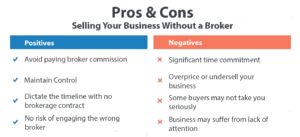
Pros of DIY Selling:

  • Full control over the process

  • No commission fees

Cons of DIY Selling:

  • You may struggle to find qualified buyers

  • Lack of experience in pricing and negotiations

  • Potential confidentiality risks

Hiring a broker adds value by managing these aspects for you, allowing you to focus on running your business while they handle the sale process.

Questions to Ask a Business Broker Before Signing a Contract

Before you choose a business broker, make sure to ask the following questions:

  1. How many businesses like mine have you sold?

  2. How will you market my business?

  3. What’s your valuation process?

  4. What are your success fees and upfront costs?

  5. How do you ensure confidentiality?

How Much Does a Business Broker for Small Business Charge?

Business brokers typically charge commission fees ranging from 8% to 12% of the sale price. Some brokers may also have minimum fees or charge retainers. Be sure to understand exactly what’s included in their service, so there are no surprises.

Final Thoughts: Is a Business Broker Worth It for Small Business Owners?

For most small business owners, hiring a business broker is a smart investment. They can save you time, reduce stress, and help you get a better sale price by leveraging their expertise and network. When choosing a broker, consider their experience, fee structure, and communication style to find the right fit.

If you’re planning to sell, it’s important to plan ahead and choose a broker who can help you navigate the process with confidence.

How Long Does It Take to Sell a Business in 2026?

Selling a business is a significant step in a business owner’s journey. Whether you’re feeling burned out, ready to retire, or planning for a major life change, the urge to close the deal quickly can be overwhelming. But before you start dreaming of a fast exit, it’s important to understand one key fact: how long does it take to sell a business depends on several factors.

As a business broker, I’ve worked with many first-time sellers who are eager to know how long the sale process will take. The truth is that the timeline can vary significantly. For some, it might take as little as 3–6 months to find the right buyer, but for others, it could extend to 9–12 months or even longer. In this post, we’ll break down the key factors that influence the timeline and what you can do to speed up the process while still achieving a successful sale.

The Short Answer: It Depends

The simple answer to the question, “How long does it take to sell a business?” is that it depends. Some businesses sell quickly, especially if they’re well-prepared, priced right, and in high demand. However, many factors can influence the timing of a sale, and rushing the process isn’t usually beneficial.

On average, it can take anywhere from 6 months to a year, sometimes even longer, depending on various factors such as the size of the business, the industry it’s in, and the quality of your financial records. To set realistic expectations, it’s essential to know that the sale process is not something that can be rushed.

Key Factors That Affect the Timeline

When trying to answer the question of how long it takes to sell a business, several key factors play a role:

Business Size and Complexity

Larger, more complex businesses typically take longer to sell. If your business has multiple locations, a broad range of products or services, or complicated operations, expect the sale to take more time. Buyers are more likely to need additional time for due diligence to ensure they understand the business fully.

Industry Demand

The demand for businesses in your industry directly impacts how long the sale will take. If you’re in a hot industry, such as tech or healthcare, you might find buyers quickly. However, businesses in industries with less demand may require more effort and time to find the right buyer.

Financial Documentation and Cleanliness

One of the most important factors affecting the timeline is your financial records. Clean, accurate, and up-to-date financial documents will make it easier for potential buyers to assess the business and decide whether to move forward. Messy or incomplete financials will slow down the process significantly, as buyers will want to do a thorough review.

Owner Involvement

The level of involvement from the business owner can also affect the timeline. If the owner is heavily involved in day-to-day operations, it may take longer to transition the business. If an owner is ready to step back and let the new owner take over, it may speed things up.

Buyer Financing

Many buyers rely on financing to purchase a business, which can lengthen the process. Securing financing, especially for larger deals, takes time. If you’re selling to a buyer who is financing the purchase, expect the process to take longer than if they’re paying all cash.

Pricing Strategy

Pricing your business correctly is crucial to its sale. If the price is too high, it can scare off potential buyers. If it’s too low, you may not get the value you deserve. A competitive and realistic pricing strategy will help you find the right buyer more quickly, but getting the price right often takes time.

Market Conditions in 2025

The economic landscape in 2025 is another factor that can impact the speed of a sale. If the market is strong and businesses are in demand, the process may be quicker. On the other hand, economic downturns or uncertain market conditions can make it harder to find buyers.

The Typical Selling Timeline: Step-by-Step

While every sale is different, here is a typical timeline that many business owners can expect when selling their business in 2025:

Preparation (1–2 months)

Before you even list your business for sale, you need to prepare. This includes getting your financials in order, organizing legal documents, and possibly making improvements to the business to increase its appeal. This preparation phase usually takes 1–2 months.

Listing and Marketing (2–4 months)

Once your business is ready to sell, it’s time to list it and market it to potential buyers. This step can take 2–4 months, as you need to reach out to qualified buyers and field inquiries. Working with a business broker can help speed up this process, as they have a network of potential buyers and know how to market your business effectively.

Negotiation and Due Diligence (1–3 months)

Once you find a serious buyer, you’ll enter the negotiation and due diligence phase. This is where the buyer reviews your financials, legal documents, and operations. This phase can take anywhere from 1 to 3 months, depending on the complexity of the business and the buyer’s financing process.

Closing (1–2 months)

The final step is closing the deal, which typically takes 1–2 months. This includes finalizing contracts, transferring ownership, and completing the legal paperwork.

What Can Speed Things Up?

While the selling process takes time, there are things you can do to speed it up:

  1. Have Clean Financials: The more organized your financial records, the quicker the due diligence process will go.
  2. Get a Business Valuation Early: Understanding the value of your business helps you set a realistic asking price, which can attract serious buyers faster.
  3. Work with a Business Broker: A good broker can help you navigate the selling process, find qualified buyers, and manage negotiations.
  4. Vet Serious Buyers: By qualifying buyers early, you can avoid wasting time on non-serious inquiries.
  5. Avoid Common Deal-Breakers: Make sure your business is free from any legal or operational issues that could derail the sale.

Why You Shouldn’t Rush It

Although it might be tempting to sell your business quickly, rushing the sale can lead to problems. It might result in accepting a lower offer than you deserve or missing out on important legal and financial steps. Preparation and patience can ultimately result in a higher sale price and a smoother transition.

FAQs About How Long It Takes to Sell a Business

Can I sell my business in less than 3 months?

It’s possible, especially if you have a pre-qualified buyer, but it’s rare. Most quality sales take more time to find the right buyer and close properly.

Does hiring a broker make it faster?

Yes, a broker can reduce delays by handling the marketing, valuation, and buyer screening, which speeds up the process.

What’s the slowest part of the process?

Due diligence tends to be the slowest part, especially if your financials or operations aren’t well-organized.

When should I start planning my exit?

Ideally, you should start planning at least 6–12 months before you want to sell. Early planning increases your chances of a smooth, profitable sale.

Thinking About Selling Your Business in 2026? Here’s What the Top Brokers Are Doing—and How BizProfitPro Helps You Win

If you’re thinking about selling your business, you’re not alone. Thousands of owners are preparing for retirement, relocation, or are simply ready to embark on a new chapter. But not all business sales are created equal. The difference between a 3x vs 5x EBITDA deal—or a 6-month sale vs a 2-year slog—often comes down to one thing: the quality of your broker and process.


A recent Yahoo Finance article highlighted the Top Business Brokers in the U.S., identifying what makes them successful. At BizProfitPro, we use many of the same systems—and go a step further—to help owners like you exit smoothly, confidently, and profitably.

🧩 What the Best Brokers Do (and How BizProfitPro Delivers)

✅ Selling Your Business Using a Systematic Sales Process

Top brokers don’t just list your business on a few sites and wait. They use a repeatable, proven process that includes:

  • Valuation based on SDE, EBITDA, P&L, and tax returns
  • Confidential business profile creation
  • Buyer targeting and outreach
  • Deal structure strategy (asset vs stock sale)
  • Offer review and negotiation
  • Management of due diligence to closing

At BizProfitPro, we run a similar playbook—refined to work 100% remotely. You don’t need in-person meetings to sell your business professionally.

🏈 Think of us as your offensive coordinator—we create the playbook, call the shots, and move you down the field until the deal closes in the end zone.

✅ They Know How to Price and Package the Deal

The best brokers understand how to value your business accurately and frame it properly to command the best offer.

BizProfitPro prepares:

  • A formal valuation based on EBITDA and cash flow
  • A confidential information memorandum (CIM)
  • A clear explanation of growth potential, customer concentration, systems, and staffing

We show buyers what they need to see to justify your asking price.

🧠 Think like a buyer: would you invest $1M in a business with messy books or no growth plan? We help you fix that before you go to market.

✅ They Attract Serious Buyers

Great brokers don’t wait for leads. They proactively market the business to vetted buyers using:

  • Our internal buyer network
  • LinkedIn + industry directories
  • Business-for-sale platforms (confidential listings)
  • Cold outreach using databases like Uplead
  • Buyer-seller matching algorithms

BizProfitPro handles this for you using scalable systems and trained virtual assistants—so you can keep running your business while we generate buyer demand.

📌 Why Sellers Choose BizProfitPro

Here’s what sets us apart from the average broker:

Feature BizProfitPro
100% Remote Process
Exit Planning Advice
Buyer Outreach Campaigns
Professionally Written CIM
SDE/EBITDA Valuation
Weekly Updates to Seller
15-Minute Discovery Call
Referral Program for Advisors

Whether you’re selling a business with $ 700,000 in revenue or one generating $3M plus in sales, we tailor the game plan to your specific company.

🕒 Is 2026 a Good Time to Sell?

Yes. Demand remains strong—especially for:

  • Owner-operator businesses with $100K–$1.5M SDE
  • Companies with clean books and recurring revenue
  • Businesses where the owner is willing to train the buyer post-sale

Multiples are holding steady across most industries, particularly in service, logistics, construction, B2B, and e-commerce sectors.

📣 What to Do Next

If you’re even thinking about selling your business, the first step is a confidential, no-pressure consultation. We’ll:

  • Review your financials (confidentially)
  • Give you an estimated valuation
  • Outline your options for exit

📞 Book a free 15-minute call: click here 


selling your business

Capital Gains When Selling a Business: What to Know

Selling a business is a significant milestone that requires careful financial planning. One of the most critical aspects to understand is capital gains when selling a business. Business owners who fail to account for capital gains taxes may face unexpected tax liabilities that reduce their profits. This guide will explain what capital gains are, how they are calculated, and strategies to minimize taxes when selling your business.

What Are Capital Gains?

Capital gains refer to the profit you make when selling an asset for more than its original purchase price. When it comes to capital gains when selling a business, the IRS considers the difference between your selling price and the adjusted cost basis of your business.

There are two types of capital gains:

  • Short-term capital gains: Profits from assets held for less than a year, typically taxed at ordinary income rates.

  • Long-term capital gains: Profits from assets held for more than a year, often taxed at a lower rate.

Most business owners will deal with long-term capital gains, which can significantly impact their tax liability. The difference between the tax rates of short-term and long-term gains can be substantial, making it crucial to plan for a business sale well in advance.

How Are Capital Gains Calculated in a Business Sale?

To calculate capital gains when selling a business, follow these steps:

  1. Determine the total selling price of the business.

  2. Subtract the original purchase price (cost basis) and any adjustments, such as depreciation.

  3. The remaining amount is considered capital gains and is subject to taxation.

For example, if you purchased a business for $200,000 and sell it for $500,000, your gross capital gain is $300,000. However, if you depreciated assets over time, your taxable capital gain might be higher due to depreciation recapture.

Different components of your business—such as real estate, goodwill, and equipment—may be taxed at varying rates. Understanding these distinctions can help optimize tax outcomes.

Tax Implications of Capital Gains When Selling a Business

Understanding the tax implications of capital gains when selling a business is essential for financial planning. The IRS taxes long-term capital gains at different rates depending on your income level. The current federal capital gains tax rates are 0%, 15%, or 20%. Additionally, some states impose their own capital gains taxes, increasing the overall tax burden.

Another factor to consider is depreciation recapture. If you’ve claimed depreciation on business assets, a portion of your gain may be taxed as ordinary income rather than at the lower capital gains rate. Depreciation recapture applies particularly to equipment and property sales, so careful tax planning is necessary.

Additionally, the Net Investment Income Tax (NIIT) imposes an extra 3.8% tax on high-income individuals, further affecting capital gains when selling a business. Owners should assess their tax bracket and potential liabilities before finalizing a sale.

Strategies to Minimize Capital Gains Taxes

There are several ways to reduce the tax burden associated with capital gains when selling a business:

  1. Structure the Sale Properly: Whether you sell the business as an asset sale or a stock sale can impact your tax liability. Buyers prefer asset sales, but sellers benefit from stock sales due to lower tax rates.

  2. Use Installment Sales: Spreading payments over multiple years reduces immediate tax liability by keeping gains in lower tax brackets.

  3. Take Advantage of Tax Deferrals: Utilizing a 1031 exchange for qualifying assets or investing in Opportunity Zones can defer or reduce taxes.

  4. Consider QSBS Exemption: If your business qualifies as a Qualified Small Business Stock (QSBS), you may exclude up to 100% of capital gains from federal taxes.

  5. Gift or Transfer Ownership Strategically: If passing your business to heirs, using estate planning tools like trusts can reduce tax burdens and ensure financial efficiency.

  6. Maximize Retirement Contributions: Business owners may use retirement accounts to shelter some proceeds from immediate taxation.

Common Mistakes to Avoid

When dealing with capital gains when selling a business, avoid these common pitfalls:

  • Failing to plan ahead: Without proper tax planning, you might face a hefty tax bill.

  • Overlooking business valuation: An inaccurate valuation can lead to unexpected capital gains calculations.

  • Ignoring state tax laws: Some states have high capital gains tax rates that can affect your net profit.

  • Not considering timing: Selling in a high-income year may push you into a higher tax bracket, increasing liabilities.

  • Missing out on exemptions: Not exploring all available deductions or tax-free reinvestment options can cost you significant savings.

Working with Financial and Legal Professionals

Given the complexities of capital gains when selling a business, consulting with a tax advisor, accountant, or business broker is highly recommended. These professionals can help you structure the sale efficiently, maximize profits, and minimize taxes. Working with experienced professionals ensures compliance with tax laws, strategic financial planning, and optimal results.

A tax expert can analyze how different aspects of your business will be taxed and provide guidance on how to reduce your tax exposure. Legal professionals can also help negotiate favorable terms in the sale agreement, protecting your financial interests.

Conclusion

Selling a business is a significant financial event, and understanding capital gains when selling a business is crucial for a successful and profitable transaction. By planning ahead, utilizing tax strategies, and seeking professional guidance, you can reduce your tax burden and keep more of your hard-earned profits.

Taking proactive steps such as structuring the sale wisely, exploring installment payments, and leveraging available exemptions can make a substantial difference in the amount of taxes owed. Additionally, collaborating with financial and legal experts ensures that you navigate the process smoothly, avoid common mistakes, and maximize your net gains.

Whether you are considering selling now or in the future, a well-planned approach to capital gains when selling a business will ensure you make the most of your business sale. Understanding the tax implications and leveraging smart financial strategies will help you achieve a more favorable outcome, leaving you with a stronger financial position for your next venture or retirement.

How to Sell a Business in 2025

How to Sell a Business in 2025

Selling a business is a significant decision that requires strategic planning, market awareness, and a solid exit strategy. As we move into 2025, the process of how to sell a business is evolving due to changing economic conditions, new regulations, and shifting buyer expectations. Whether you’re planning to sell soon or preparing for a future exit, understanding the right steps will help you maximize your business value and secure a profitable deal.

Step 1: Determine Your Business Value

Why Business Valuation Matters

Before listing your business for sale, it’s essential to understand its true market value. A well-calculated valuation ensures you set a competitive asking price and attract serious buyers. Knowing how to sell a business effectively starts with an accurate valuation.

How to Conduct a Business Valuation

  • Review Financial Metrics: Assess revenue, profit margins, EBITDA, and cash flow trends.
  • Compare Industry Benchmarks: Research how similar businesses in your sector are valued.
  • Hire a Professional Valuation Expert: A third-party valuation adds credibility and can justify your asking price.
  • Consider Future Projections: Buyers are interested in long-term potential, so showcasing future growth can increase valuation.

Step 2: Get Your Financials & Documents in Order

Organizing Financial Statements

A key factor in how to sell a business successfully is having accurate and transparent financial records. Ensure you have:

  • Profit & Loss Statements: At least three years of financial history.
  • Tax Returns: A clear record of business tax compliance.
  • Balance Sheets: A summary of assets, liabilities, and equity.
  • Cash Flow Statements: Demonstrating profitability and stability.

Legal and Operational Documents

To facilitate a smooth sale, gather and organize these critical documents:

  • Contracts and Agreements: Review all vendor, client, and employee agreements to ensure they are transferable.
  • Intellectual Property Rights: Patents, trademarks, copyrights, and proprietary processes should be clearly documented.
  • Regulatory Compliance in 2025: Ensure your business meets updated industry regulations, data privacy laws, and tax requirements.
  • Due Diligence Process Preparation: Buyers will conduct due diligence, so addressing any legal or financial risks upfront can prevent delays.

Step 3: Make Your Business More Attractive to Buyers

Optimizing Profitability and Operations

One of the best ways to increase your business’s value is by improving profitability and efficiency before selling. To enhance your business value and make how to sell a business easier:

  • Cut unnecessary expenses and streamline operations.
  • Strengthen customer retention strategies to ensure recurring revenue.
  • Improve brand reputation through marketing, customer service, and industry recognition.

Streamlining Business Processes

A well-organized business is more appealing to buyers. Consider:

  • Automating workflows and upgrading technology to improve efficiency.
  • Creating a seamless transition plan for new ownership.
  • Ensuring your key employees are onboard with the transition process.

Step 4: Find the Right Buyer

Types of Buyers

Different buyers have different motivations. Understanding their needs helps in structuring the right deal:

  • Individual Buyers: Entrepreneurs looking for turnkey businesses.
  • Corporate Acquirers: Companies seeking expansion through acquisition.
  • Private Equity Firms: Investors looking for businesses with high growth potential.
  • Strategic Investors: Competitors or partners interested in synergies.

Where to Find Buyers

A crucial part of how to sell a business is knowing where to look for the right buyer. Some effective strategies include:

  • Business Brokers: They connect sellers with pre-vetted buyers and handle negotiations.
  • Online Listing Platforms: Websites like BizBuySell, BusinessBroker.net, and industry-specific marketplaces.
  • Networking Strategies: Engaging with industry associations, trade shows, and investment groups.
  • Balancing Confidentiality & Visibility: Using non-disclosure agreements (NDAs) can protect sensitive business information while marketing your sale effectively.

Step 5: The Role of Brokers and Advisors in Selling Your Business

Business Brokers Benefits

A business broker can simplify how to sell a business by:

  • Conducting business valuations and setting a competitive asking price.
  • Identifying and screening potential buyers.
  • Managing negotiations and handling paperwork.
  • Ensuring a smoother transaction process.

Hiring an Advisor: Tips for Success

If you decide to work with an advisor, consider:

  • Checking their track record and industry expertise.
  • Understanding their fee structure (commission vs. fixed fees).
  • Ensuring they have strong negotiation skills and buyer networks.

Negotiation Strategies with Brokers

  • Set clear expectations and pricing terms upfront.
  • Stay flexible but firm on key deal points.
  • Leverage multiple buyer offers to get the best deal.

Step 6: Marketing Your Business Sale – Strategies to Attract Buyers

Sourcing Potential Buyers

Finding the right buyer requires a well-executed marketing strategy. Key tactics include:

  • Targeted outreach to investors, competitors, and entrepreneurs.
  • Engaging with industry publications and media.
  • Leveraging your existing network for referrals.

Marketing Channels for Selling a Business

  • Online Business Marketplaces: Listing your business on platforms like BizBuySell and Flippa.
  • Social Media & LinkedIn: Promoting discreetly to attract business buyers.
  • Industry Forums & Groups: Engaging with professional networks to find strategic buyers.
  • Email Marketing to Investor Lists: Reaching out to potential buyers in relevant industries.

Confidentiality vs. Visibility Balance

  • Keep essential business details confidential to protect operations.
  • Use NDAs when sharing sensitive information.
  • Work with a broker to filter serious buyers from casual inquiries.

Take Action Now to Ensure a Successful Business Sale in 2025!

Understanding how to sell a business in 2025 requires strategic planning, strong financial documentation, and the right marketing approach. Whether you’re working with a business broker or managing the process yourself, following these key steps will help you maximize value and close a successful deal. Start preparing today to ensure a smooth and profitable exit from your business.

Exit Planning for Business Owners in 2026

Exit Planning for Business Owners in 2025

For many entrepreneurs, their business is their life’s work, and planning for an eventual exit can be a daunting process. Whether you’re considering selling, transferring ownership, or closing your business, having a well-structured exit planning for business owners strategy ensures a smooth transition while maximizing financial returns. In 2026, evolving market trends, tax regulations, and economic conditions make exit planning for business owners more critical than ever.

This guide will walk you through essential exit planning for business owners strategies, financial considerations, and key steps to take when preparing to leave your business.

What is Exit Planning?

Exit planning for business owners is the strategic process of preparing a business for transition, whether through sale, succession, or closure. A well-executed plan helps business owners achieve financial security, preserve their legacy, and ensure a seamless handover.

Why Exit Planning Matters

  • Maximizes business value
  • Reduces tax burdens and legal risks
  • Provides a clear transition for employees and stakeholders
  • Ensures financial security for the owner’s future

Key Exit Strategies in 2026

There are multiple ways to approach exit planning for business owners, and the right strategy depends on your goals and circumstances.

  1. Selling to a Third Party
    Selling to another company, investor, or competitor is a common exit strategy. In 2026, private equity firms and strategic buyers are actively seeking profitable businesses, making this a viable option.

  2. Management Buyouts (MBOs)
    A management buyout involves selling the business to key employees or management teams. This ensures continuity and is ideal for owners who want their business to stay in trusted hands.

  3. Family Succession Planning
    Passing the business down to family members can be rewarding but requires careful financial and legal planning to prevent disputes and ensure a smooth transition.

  4. Mergers and Acquisitions (M&A)
    Merging with another company or being acquired can be a lucrative exit strategy, offering financial rewards and business growth opportunities.

  5. Liquidation and Dissolution
    For some business owners, closing the business and liquidating assets may be the best option, especially if market conditions do not favor a sale.

Financial Considerations in Exit Planning

Ensuring a strong financial foundation before exiting is crucial. Consider the following:

Business Valuation

Understanding the true value of your business is the first step in exit planning for business owners. Methods include:

  • Asset-based valuation – Evaluating tangible and intangible assets.
  • Market-based valuation – Comparing your business to similar sales in the industry.
  • Income-based valuation – Assessing revenue, profit, and future cash flow projections.

Tax Implications

Each exit strategy comes with different tax liabilities. Consulting with a tax professional ensures you minimize capital gains tax and other expenses.

Financial Records and Due Diligence

Buyers and investors will want to see clear financial statements, profit margins, and operational efficiency. Organizing your financials well in advance strengthens your negotiating position.

Legal and Compliance Factors

  • Contracts and Agreements – Ensure all business contracts, lease agreements, and employee contracts are up-to-date.
  • Intellectual Property Protection – Secure trademarks, patents, and copyrights.
  • Regulatory Compliance – Ensure compliance with industry laws and regulations.

Preparing Your Business for a Seamless Transition

A business that runs smoothly without heavy reliance on the owner is more attractive to buyers and successors.

Strengthening Operations

  • Automate processes where possible
  • Establish strong leadership and a competent management team
  • Improve efficiency in sales, marketing, and customer service

Maximizing Profitability

  • Reduce unnecessary expenses
  • Optimize pricing strategies
  • Improve customer retention and revenue streams

The Role of Advisors in Exit Planning

A successful exit planning for business owners process involves expert guidance. Key advisors include:

  • Business Brokers & M&A Advisors – Help negotiate deals and find buyers.
  • Legal Experts – Assist with contracts, compliance, and risk mitigation.
  • Financial Planners & Tax Professionals – Ensure a tax-efficient exit and financial security.

Creating a Timeline for Exit Planning

A well-structured exit planning for business owners strategy includes a clear timeline:

  • 1-3 Years Before Exit: Improve financial performance, update records, and consult with advisors.
  • 12-18 Months Before Exit: Identify potential buyers or successors and initiate discussions.
  • 6-12 Months Before Exit: Finalize valuation, complete due diligence, and negotiate terms.
  • Final 6 Months: Close the deal, transition leadership, and execute final financial and legal processes.

Common Challenges and How to Overcome Them

Market Uncertainty

Economic fluctuations can impact business valuation and demand. Staying informed about industry trends helps mitigate risks.

Emotional Attachment

Letting go of a business is not easy. Seeking support from advisors and planning well in advance can ease the emotional burden.

Finding the Right Buyer

A strategic approach to networking, marketing, and working with business brokers increases the chances of finding a suitable buyer.

Conclusion

Exit planning for business owners is a crucial step for any entrepreneur looking to transition smoothly while securing financial gains. The key to a successful exit in 2026 lies in early preparation, strategic decision-making, and leveraging expert guidance.

If you’re considering your next steps, now is the time to start. Begin preparing today, and set yourself up for a seamless and profitable exit.

Top Business Brokers in Maryland | Sell Business with Experts

top business brokers maryland

Selling a business is one of the most significant decisions you’ll make as a business owner. Whether you’re a small business owner or managing a larger enterprise, it requires expertise, strategy, and a deep understanding of the market. If you’re considering selling, working with top business brokers in Maryland can streamline the process and help you get the best possible price for your business. A broker acts as a guide through the complexities of the transaction, from valuation to finding the right buyer, and ensures confidentiality throughout the process.

In this guide, we’ll explore why working with top business brokers in Maryland is a wise choice, how they help maximize the sale value of your business, and how to choose the right broker to help you sell.

Why Work with Top Business Brokers in Maryland?

Selling a business isn’t just about finding a buyer—it’s about timing, pricing, structure, and execution. A professional business broker in Maryland brings market knowledge and deal experience that most owners don’t have.

1. Access to Qualified Buyers

Top business brokers in Maryland maintain networks of pre-qualified buyers actively looking to acquire businesses.
This means:

  • Less wasted time
  • Fewer unqualified inquiries
  • Higher probability of closing

Your business is presented only to serious buyers with verified financial capability.

2. Accurate Business Valuation

Pricing your business correctly is critical.

A trusted business broker in Maryland performs a professional valuation based on:

  • Cash flow (SDE or EBITDA)
  • Industry multiples
  • Market demand
  • Growth potential

This prevents overpricing that scares buyers—or underpricing that leaves money on the table.

3. Skilled Negotiation Support

Negotiations are where deals often fall apart.

An experienced business broker in Maryland:

  • Handles buyer objections
  • Structures favorable deal terms
  • Protects your interests
  • Reduces emotional decision-making

Their role is to keep the deal moving while maximizing your outcome.

4. Paperwork & Legal Coordination

Business sales involve complex documentation—LOIs, purchase agreements, disclosures, and closing documents.

Your broker coordinates with attorneys and accountants to ensure:

  • Accurate paperwork
  • Regulatory compliance
  • Fewer last-minute surprises

5. Confidentiality Protection

Confidentiality is essential when selling a business.

A professional business broker in Maryland uses:

  • Blind listings
  • NDAs
  • Controlled information release

This protects employees, customers, vendors, and your competitive position.

How a Top Business Broker in Maryland Maximizes Business Value

A skilled top business broker in Maryland can enhance the value of your business, making it more attractive to potential buyers. Here’s how:

1. Highlighting Your Business’s Strengths

A broker can effectively market your business by emphasizing its unique selling points. They understand what buyers are looking for and can highlight strengths like a strong customer base, consistent revenue, or a unique product offering. By making your business more appealing, they help increase its perceived value.

2. Creating Compelling Listings

A top business broker in Maryland knows how to create an enticing and informative business listing. They know what details buyers are looking for, from financial performance to operational efficiencies, and can craft a listing that presents your business in the best light. This is crucial in attracting serious buyers quickly.

3. Managing Due Diligence

Once a buyer expresses interest, due diligence is an important part of the process. This can be an overwhelming task for a business owner, but a top business broker in Maryland will handle the process efficiently, answering buyer inquiries and ensuring that all necessary documentation is in order.

4. Facilitating a Smooth Transaction

From the first inquiry to the closing, a broker handles the entire process. They ensure that everything proceeds smoothly, mitigating any potential issues or roadblocks along the way. Their job is to make sure the transaction closes successfully, with all terms and conditions met.

Factors to Consider When Choosing a Top Business Broker in Maryland

Choosing the right top business broker in Maryland is crucial to the success of your business sale. Here’s what to look for:

1. Experience and Industry Expertise

Experience matters when it comes to selling your business. Look for a broker with a proven track record in your specific industry. An experienced Top Business Broker in Maryland will understand the nuances of your business and market, which can help them secure the best deal for you.

2. Licensing and Certifications

Make sure the broker is licensed and affiliated with reputable organizations, such as the International Business Brokers Association (IBBA) or the Maryland Business Brokers Association (MBBA). This ensures they have the proper training and credentials to help you through the sale process.

3. Marketing and Sales Strategy

Ask about the broker’s approach to marketing your business. They should have a solid strategy for attracting buyers, including listings on popular business-for-sale websites, networking, and advertising.

4. Client Testimonials and Success Stories

Check for reviews and testimonials from past clients. A trustworthy broker should have a history of successfully helping clients sell their businesses. Look for brokers who have experience in your industry and can provide specific examples of successful sales.

How to Sell Your Business with a Top Business Broker in Maryland

Once you’ve selected the right top business broker in Maryland, the sale process is straightforward. Here are the steps you’ll typically follow:

  1. Prepare Your Business for Sale: Organize your financial records, legal documents, and operational processes to make your business more attractive to buyers.

  2. Business Valuation: Work with your broker to determine the fair market value of your business.

  3. Confidentiality and Buyer Screening: The broker will maintain confidentiality while helping you find serious, qualified buyers.

  4. Negotiation and Closing: Your broker will handle negotiations and ensure that all legal requirements are met during the sale.

Conclusion: Work with the Right Top Business Broker in Maryland

Selling your business is a significant financial decision, and working with a top business broker in Maryland can make the process smoother, more efficient, and more profitable. A broker’s expertise in valuation, marketing, negotiation, and legal processes can help you get the best price and ensure a successful sale.

If you’re considering selling your business, 📞 Call us today between 9 AM and 5 PM to speak directly with a business advisor, or schedule a convenient time using this link — No hard sales, just honest advice. Let’s take the first step together with the right approach for a smooth, profitable experience.

📞 Call Now

How to Sell Your Company: Insider Tips from Business Experts

Selling your company is a major decision that requires careful planning and strategy. Whether you’re looking to retire, move on to new ventures, or simply cash out, knowing how to sell your company effectively can ensure a smooth and profitable transition. In this blog, we’ve gathered insider tips from business experts to guide you through the process of selling your company.

1. Start with a Strong Foundation

The first step in selling your company is ensuring it’s ready for sale. Buyers will be looking at your business from an outsider’s perspective, so it’s crucial to present it in its best light.

Clean Up Your Financials

Potential buyers will scrutinize your financial statements, so it’s important to have clear, up-to-date financial records. Business experts recommend:

  • Organizing Financial Statements: Make sure your income statements, balance sheets, and cash flow statements are accurate and up to date.
  • Addressing Outstanding Debts: Buyers will want to know about any outstanding liabilities, so it’s best to resolve or clearly outline them in your financial documents.

Streamline Operations

Buyers prefer businesses with efficient operations. Start by:

  • Improving Workflow: Look for areas of your business that can be streamlined, whether it’s your supply chain or internal processes.
  • Documenting Systems: Buyers want to know that the business can run without you. Having documented standard operating procedures (SOPs) will make your company more attractive.

By cleaning up your finances and operations, you’ll be in a stronger position when it comes to negotiating the sale.

2. Get a Business Valuation

Knowing how to sell your company also means understanding its value. A business valuation is critical to determine a fair asking price and set realistic expectations.

Why You Need a Business Valuation

A professional valuation will take into account various factors, such as:

  • Financial Performance: Profit margins, sales history, and growth potential.
  • Market Conditions: How the industry is performing and any economic trends.
  • Company Assets: Tangible and intangible assets, including intellectual property and brand reputation.

How to Get a Valuation

You can either hire a professional business appraiser or use online tools to get an estimated valuation. However, a certified valuation from an expert ensures that you are pricing your business accurately and can help you avoid undervaluing or overpricing it.

3. Prepare for Due Diligence

Due diligence is a process where potential buyers will assess your company’s financial health, legal standing, and overall operations. Being prepared for this stage is crucial to ensure a smooth sale.

Organize Your Documentation

Buyers will want to see everything from your financial records to employee contracts and intellectual property agreements. Make sure all your business documents are organized and easy to access.

Be Transparent

Transparency is key in building trust with potential buyers. Be upfront about any challenges your company is facing, whether it’s financial, legal, or operational. Buyers appreciate honesty, and transparency can actually make the process go more smoothly.

4. Market Your Company to Potential Buyers

Once your business is ready for sale, it’s time to start marketing it to potential buyers. Here’s how you can do this effectively:

List on Business-for-Sale Marketplaces

There are several online platforms where you can list your business for sale. Some of the most popular marketplaces include:

  • BizBuySell: One of the largest platforms for buying and selling businesses.
  • Flippa: Ideal for digital businesses, e-commerce sites, and tech startups.
  • BusinessBroker.net: A great platform for traditional brick-and-mortar businesses.

Listing on these platforms can help you reach a wide audience of interested buyers.

Leverage Your Network

In addition to online listings, consider reaching out to your network. Potential buyers might include competitors, investors, or even employees looking to take over the business. Use social media platforms like LinkedIn to spread the word and ask your contacts to share the opportunity.

5. Negotiate the Sale

When a buyer expresses interest, it’s time to negotiate the terms of the sale. Negotiation is an essential part of how to sell your company, and it’s where expert advice can really come in handy.

Understand the Buyer’s Motivations

Knowing the buyer’s goals can help you negotiate effectively. For example, if the buyer is looking for a business with strong growth potential, you can emphasize the scalability of your company. Understanding what the buyer values will help you make your pitch stronger.

Work with Professionals

Hiring professionals, such as business brokers, accountants, and lawyers, can help ensure you get the best possible deal. They can help you navigate the complexities of the sale, including tax implications, legal matters, and contract negotiation.

6. Finalize the Deal and Transition

Once the terms are agreed upon, it’s time to finalize the deal. The final steps in how to sell your company will involve signing contracts, transferring ownership, and planning for a smooth transition.

Closing the Sale

The closing process involves several steps, including:

  • Sign the Sale Agreement: This is the final legal document that transfers ownership to the buyer.
  • Transfer Assets: This could include intellectual property, customer lists, and physical assets like equipment or real estate.

Plan for a Smooth Transition

Even after the sale is complete, your role isn’t necessarily finished. Many buyers appreciate it if the seller stays on for a short period to help with the transition, especially if there are key customer relationships or operational knowledge that need to be passed on.

Conclusion

Selling your company is a multi-step process that requires careful planning, transparency, and strategy. By understanding how to sell your company and following the tips from business experts, you can position your business for a successful sale and ensure a smooth transition to new ownership.

By starting early, valuing your business correctly, and preparing for due diligence, you’ll set yourself up for the best possible outcome.

Is Hiring a Business Broker Is Crucial When Listing a Business for Sale

Listing a Business for Sale is a significant decision that requires careful planning, knowledge, and experience. Whether you’re a first-time seller or an experienced entrepreneur, the process of listing a business for sale can be complex and time-consuming. One of the most important steps in this process is hiring a business broker for the sale. In this article, we will explore why a business broker is crucial when listing a business for sale and how their expertise can help you maximize the value of your business while minimizing the stress involved.

1. Expertise in Valuation and Pricing

One of the primary reasons to hire a business broker is their expertise in business valuation. Setting the right price is crucial when listing a business for sale. If you overprice, potential buyers may be discouraged, and if you underprice, you could be leaving money on the table. A business broker has the tools and knowledge to accurately value your business based on industry trends, market conditions, and financial performance. With a fair and attractive price, your business is more likely to attract serious buyers.

2. Access to a Network of Buyers

Business brokers have extensive networks that include both individual buyers and investors actively looking for businesses to purchase. By hiring a broker, you instantly gain access to a pool of potential buyers that you might not be able to reach on your own. Brokers also have the ability to market your business to their network in a way that ensures it is seen by qualified buyers, leading to more offers and a quicker sale.

3. Confidentiality Protection

When selling a business, confidentiality is paramount. If word gets out that your business is for sale, employees, customers, and suppliers may become worried, leading to a potential loss in business operations. A business broker can help maintain confidentiality throughout the selling process by handling all communications with potential buyers and ensuring sensitive information is only shared with serious and qualified buyers.

4. Marketing and Advertising Expertise

A business broker for sale knows how to market your business effectively. They will create compelling listings that highlight the strengths of your business, making it more attractive to prospective buyers. From online listings to professional marketing materials, a broker has the resources to present your business in the best light and increase its visibility in the marketplace.

5. Negotiation Skills

Negotiating the sale of your business can be emotional and challenging. A business broker acts as an intermediary, helping to facilitate negotiations and ensuring that you get the best deal possible. They are skilled negotiators who understand the intricacies of business sales and can handle tough conversations, helping you avoid common pitfalls and ensuring that the terms of the sale are favorable to you.

6. Handling the Paperwork and Legal Aspects

When listing a business for sale, there are many legal documents and contracts that must be prepared and reviewed. A business broker is familiar with the paperwork involved in a sale and can ensure that all necessary documents are completed accurately. Brokers also work with legal and financial professionals to ensure that the sale complies with local laws and regulations.

7. Time-Saving and Stress Reduction

Selling a business is a time-consuming and often stressful process. From marketing and showing the business to negotiating with buyers and handling paperwork, the process can take weeks or even months. By hiring a business broker, you free up your time to focus on running your business and avoid the headaches of managing the sale yourself. Brokers handle all aspects of the transaction, ensuring a smooth process and allowing you to continue running your business without distraction.

8. Maximizing the Value of Your Business

Business brokers understand how to position a business for sale in a way that maximizes its value. They know how to highlight the key selling points, from financial performance to customer loyalty and intellectual property. A broker can also offer suggestions for improvements that may increase the sale price, ensuring that you get the best possible return on your investment.

9. Understanding the Market and Timing

The business sale market fluctuates based on various factors, including economic conditions, industry trends, and buyer demand. A business broker has a deep understanding of these market dynamics and can help you determine the best time to list your business for sale. By working with a broker, you can ensure that your business is listed at the right time, increasing the chances of a successful sale.

10. Closing the Deal

Once you’ve found the right buyer, a business broker can help ensure that the deal goes through smoothly. They’ll assist with the due diligence process, help answer buyer questions, and work with both parties to address any concerns or issues that may arise. A business broker also works with your legal team to make sure that the closing process is completed efficiently and correctly.

Conclusion

Listing a business for sale is a critical step when selling your company. Expertise in valuation, marketing, negotiation, and legal matters is required for a successful sale. By working with a broker, you can ensure that your business is priced correctly, marketed effectively, and sold to the right buyer at the right time. If you’re considering selling your business, don’t go it alone. Contact a reputable business broker to guide you through the process and help you achieve a smooth, profitable sale.

Ready to Discuss Your Business Sale Strategy?

Get expert guidance tailored to your industry, financials, and goals.

No pressure — just honest advice and clear next steps.

How to Overcome the Top Obstacles When Selling My Business

Have you ever asked yourself, “How do I sell my business?” Selling my business is one of the biggest decisions you’ll ever make. It involves not only financial considerations but emotional factors too. Whether you’re retiring, moving on to a new venture, or cashing out, selling a business comes with challenges. From setting the right price to finding the right buyer, you’ll encounter several obstacles.

But don’t worry! With the right preparation, guidance, and a clear strategy, these challenges are entirely manageable. In this blog, I’ll walk you through the common obstacles selling my business that many business owners face and how you can overcome them effectively.

Common Challenges in Selling My Business

1. Valuation Issues: Getting the Price Right

When thinking about selling my business, one of the first things that come to mind is: How do I know what it’s worth? Getting the valuation right is critical. Overpricing your business may scare away potential buyers, while underpricing can leave you financially short. A correct valuation takes into account factors such as market conditions, industry trends, and the company’s financial performance.

If you’ve been asking, “How do I sell my business for the right price?”, the answer is to work with a professional appraiser. A solid valuation will help you understand your business’s true value and give you confidence when negotiating with buyers.

2. Finding the Right Buyer

Another challenge in selling my business is finding the right buyer. It’s not enough to just find a buyer—it needs to be someone who is financially qualified and aligned with your business’s goals. You want a buyer who understands the value of your business, has the capital to back up the purchase, and is prepared to carry the business forward.

You might be wondering, How do I ensure I find the right buyer for my business? A business broker can help connect you with qualified buyers while maintaining confidentiality. They have a network of potential buyers who are serious about purchasing a business and can filter out those who aren’t a good fit.

3. Negotiation Difficulties

Negotiating the sale of your business can be tricky. Sellers and buyers often have different expectations regarding pricing, payment terms, and transition periods. As someone who has gone through the process of selling my business, I can tell you that setting clear expectations early on makes all the difference.

The key to successful negotiations is clear communication. Understand what you’re willing to compromise on, such as payment terms, and know what’s non-negotiable. This will help you avoid conflicts and move forward with the sale.

4. Legal and Financial Hurdles

The legal and financial aspects of selling my business are complex. From due diligence to taxes and contracts, there are numerous factors to consider. Many business owners underestimate the importance of thorough documentation, which can cause delays or even derail the sale process.

Before moving forward with selling your business, make sure to consult with legal and financial advisors. Prepare all necessary documents, including your financial records, tax returns, and any legal agreements, so there are no surprises later on.

5. Emotional Attachment and Transition Planning

Selling your business isn’t just a financial transaction; it’s also an emotional one. After years of hard work, you may feel a deep connection to your company. Letting go can be difficult, but it’s crucial for the success of the sale. Additionally, without a proper transition plan, your business operations could suffer.

Wondering how to let go when selling my business? Start by developing a clear transition plan. Communicate with your employees, customers, and stakeholders about the transition. And if possible, offer to help train the new owner to ensure the business continues to run smoothly after the sale.

How to Overcome These Challenges

1. Get a Professional Valuation

To avoid the pitfalls of mispricing, work with a professional appraiser who can help you determine the accurate value of your business. A business valuation based on industry standards and market conditions will give you a solid foundation for negotiations and set the right price.

2. Work with a Business Broker

A business broker can be a great asset when selling my business. They help connect you with serious buyers, maintain confidentiality, and guide you through the process. Their expertise in market trends and buyer behavior is invaluable in attracting the right buyers and closing the deal.

3. Be Prepared for Negotiations

Start by setting clear expectations for the sale. Understand your priorities and be willing to compromise on certain aspects, such as the transition period or payment structure. Clear communication and flexibility are key to successful negotiations.

4. Address Legal and Financial Aspects Early

Ensure that you consult with financial and legal advisors early in the process to avoid surprises. Having your documents in order, including financial records, contracts, and tax records, will speed up the due diligence process and make it easier to finalize the sale.

5. Plan for a Smooth Transition

A successful sale doesn’t end with the sale agreement—it’s about making sure the business transitions smoothly to the new owner. Prepare a detailed transition plan that includes training, communication with employees and customers, and ensuring all processes are in place for the new owner to take over seamlessly.

Conclusion: How I Overcame the Challenges of Selling My Business

Selling a business is never an easy process, but with the right preparation, mindset, and support, you can navigate the challenges successfully. By focusing on valuation, finding the right buyer, negotiating effectively, addressing legal and financial hurdles early, and planning a smooth transition, you can ensure a successful sale.

If you’re ready to sell your business, start preparing today. With the right strategy, selling my business can be a rewarding experience. Don’t hesitate to reach out to a business broker to help guide you through the process.

Next Step: Get Support Selling Your Business Thoughtfully

If you’re preparing to sell your business, you don’t have to navigate the process alone. Getting guidance early can help you price your business correctly, identify qualified buyers, and avoid setbacks during negotiations and transition planning. A conversation with an experienced advisor can make the entire process clearer and more manageable.

Schedule your free consultation here. We’ll review your goals, answer questions about valuation and buyer selection, and outline a practical approach to move forward with confidence.

How to Sell Private Company Shares: A Step-by-Step Guide

If you’re wondering how to sell private company shares, you’ll quickly discover that the process is very different from selling publicly traded stocks.

Unlike public companies that trade on an exchange, private businesses do not have an open marketplace where buyers and sellers can transact instantly. Instead, shareholders looking to sell their ownership stake often need to navigate shareholder agreements, valuation requirements, buyer negotiations, and legal documentation before completing a transaction.

Whether you’re a founder seeking liquidity, an investor looking to exit, or a shareholder preparing for retirement, understanding how to sell private company shares can help maximize value and avoid costly mistakes.

This guide explains the entire process, from reviewing shareholder restrictions to finding buyers and transferring ownership successfully.

Can You Sell Private Company Stock?

Yes, but selling stock in a private company is often more complicated than selling publicly traded shares.

Private businesses do not have an active marketplace where investors can easily buy and sell ownership interests. Instead, transactions are typically governed by shareholder agreements, buy-sell provisions, operating agreements, and corporate bylaws.

Before you attempt to sell private company stock, you’ll need to understand the rules that apply to your ownership interest and whether approval from the company or other shareholders is required.

Common restrictions include:

  • Rights of first refusal
  • Board approval requirements
  • Restrictions on outside buyers
  • Share transfer limitations
  • Buy-sell agreement provisions

Understanding these restrictions early can save significant time and prevent delays later in the process.

Step 1: Review the Shareholder Agreement

The first step in learning how to sell private company shares is reviewing your shareholder agreement or operating agreement.

These documents often contain provisions that determine whether shares can be sold and who may purchase them.

Common restrictions include:

  • Right of First Refusal (ROFR)
  • Board approval requirements
  • Restrictions on outside buyers
  • Mandatory valuation methods
  • Buy-sell agreement provisions

Understanding these requirements early helps avoid delays later in the transaction process.

Step 2: Determine the Value of Your Shares

One of the biggest challenges when considering how to sell private company shares is determining their value.

Since private businesses do not have publicly quoted share prices, valuation typically depends on:

  • EBITDA performance
  • Revenue growth trends
  • Industry multiples
  • Comparable transactions
  • Market conditions
  • Growth potential

Many shareholders hire an independent valuation professional to determine fair market value before negotiations begin.

Step 3: Find Potential Buyers

Once valuation has been established, the next step in how to sell private company shares is identifying potential buyers.

Potential buyers may include:

  • Existing shareholders
  • Company founders
  • Employees
  • Strategic buyers
  • Private equity firms
  • Family offices
  • High-net-worth investors

In some situations, shareholders may also choose to work with business brokers or M&A advisors to locate qualified buyers.

Step 4: Negotiate the Terms of the Sale

Price is only one component of the transaction.

When negotiating terms, consider:

  • Purchase price
  • Payment structure
  • Seller financing
  • Earnouts
  • Closing conditions
  • Tax implications

Professional legal and financial advice can help ensure the agreement protects your interests.

Step 5: Draft and Sign the Sale Agreement

A formal stock purchase agreement should clearly define:

  • The buyer and seller
  • Number of shares being transferred
  • Purchase price
  • Payment terms
  • Representations and warranties
  • Closing conditions

Proper documentation is essential to completing a compliant transaction.

Step 6: Complete the Share Transfer

The final stage of how to sell private company shares involves transferring ownership and updating company records.

This typically includes:

  • Executing transfer documents
  • Receiving payment
  • Updating shareholder registers
  • Issuing revised certificates
  • Notifying company leadership

Once completed, ownership officially transfers to the buyer.

Frequently Asked Questions

Can I sell private company shares without company approval?

It depends on the shareholder agreement. Many private companies require board approval or provide existing shareholders with a right of first refusal before outside sales can occur.

How long does it take to sell private company shares?

The process can take anywhere from several weeks to several months depending on valuation requirements, buyer availability, and legal approvals.

Can I sell private company stock to outside investors?

In many cases yes, although shareholder agreements often contain restrictions regarding who can purchase shares.

Final Thoughts

Understanding how to sell private company shares is essential for shareholders seeking liquidity or planning an eventual exit.

By reviewing shareholder agreements, obtaining an accurate valuation, identifying qualified buyers, and completing the proper legal documentation, shareholders can navigate the process more effectively and maximize the value of their investment.

If you’re planning to sell within the next few years, beginning the preparation process early often leads to stronger outcomes and smoother transactions.

How to Sell a Company: A Step-by-Step Guide for Business Owners

Selling a company is a significant decision that requires careful planning and strategy. Whether you’re ready to retire, pursue a new venture, or simply want to move on from your current business, understanding how to sell a company successfully is crucial. This step-by-step guide will walk you through the process, providing you with insights and actionable advice to help you sell your business for the best price and with the least amount of stress.

Step 1: Assess Your Readiness

Before you start the selling process, it’s important to assess if your company is truly ready to be sold. This includes evaluating the business’s financial health, operational efficiency, and the personal factors that might influence the decision.

  • Financial Health: Buyers will be looking for a business with strong and consistent financial performance. Make sure your financial statements, including balance sheets and tax returns, are up-to-date and accurate.
  • Operational Efficiency: A business that runs smoothly, with clear processes and a strong team in place, is more attractive to potential buyers.
  • Personal Readiness: Consider the emotional and practical aspects of selling your business. Are you prepared to step away from a business you’ve built, and do you have a plan for what’s next?

Step 2: Determine the Value of Your Company

The next step in how to sell a company is determining its value. You’ll need to know how much your business is worth to set a realistic asking price. Business valuation is an essential part of the process, and there are several methods you can use:

  • Asset-Based Valuation: This method calculates the value of your assets, such as equipment, inventory, and real estate.
  • Income-Based Valuation: This approach focuses on your business’s revenue, profit margins, and cash flow.
  • Market-Based Valuation: This compares your business to similar businesses in your industry that have been sold recently.

Many business owners opt to hire a professional appraiser or a business broker to conduct a thorough valuation to ensure they’re setting a competitive and fair price.

Step 3: Prepare Your Business for Sale

Once you have a valuation in place, it’s time to prepare your business for sale. This step involves organizing and streamlining various aspects of the business to make it more appealing to potential buyers.

  • Financial Records: Ensure that your financial statements are in order and present them transparently to prospective buyers.
  • Legal Documentation: Make sure all contracts, intellectual property agreements, and licenses are up-to-date and easy to access.
  • Employee Transition: Buyers are more likely to be interested in businesses that have reliable teams in place. Consider preparing your staff for the transition and ensuring they’re willing to stay on after the sale.

By presenting a well-organized, efficient business, you’ll increase the likelihood of attracting serious buyers and closing a successful deal.

Step 4: Find Potential Buyers

Now that your business is ready for sale, you need to identify potential buyers. There are a few different ways to find buyers, depending on your industry and the size of your business:

  • Direct Buyers: Reach out to individuals, competitors, or investors who may have an interest in acquiring your business.
  • Business Brokers: Hiring a business broker can help you connect with qualified buyers, as they have an established network of interested parties.
  • Online Marketplaces: Listing your business on websites like BizBuySell or BusinessBroker.net can attract a broad range of buyers.

Choosing the right buyer is crucial to ensuring a smooth and successful sale. You want someone who has the financial means, expertise, and interest in taking over your business.

Step 5: Negotiate the Terms

Once you’ve identified potential buyers, the next step is negotiating the terms of the sale. This includes discussions about the sale price, payment structure, and any contingencies that need to be addressed.

  • Sale Price: Be prepared to negotiate the price based on the initial valuation, but also remain flexible if the buyer makes a reasonable offer.
  • Payment Structure: Some buyers may offer to pay the full amount upfront, while others may propose a structured deal with installment payments or seller financing. Decide what works best for you.
  • Legal Considerations: Be sure to involve an attorney to help you navigate the legal aspects of the transaction, including contracts, intellectual property transfer, and any other regulatory requirements.

Step 6: Finalize the Deal

Once all the terms have been agreed upon, the final step is closing the deal. This includes signing the purchase agreement, transferring ownership, and ensuring all legal and financial documentation is in place.

  • Hire Professionals: Involve an accountant, lawyer, and possibly a business broker to make sure the sale is completed properly.
  • Tax Implications: Understand the tax implications of selling your business. Consult with a tax advisor to ensure you’re minimizing your tax burden.

Final Thoughts

Knowing how to sell a company requires careful planning, preparation, and the right approach to ensure a successful transaction. By following these steps—assessing your readiness, determining the value, preparing your business for sale, finding buyers, negotiating the terms, and finalizing the deal—you can sell your business efficiently and profitably. Whether you’re selling for personal reasons or to move on to your next venture, following these steps will help you navigate the process with confidence and achieve the best outcome for you and your business.

If you’re ready to sell your business, it’s essential to take the time to plan and prepare for a smooth transition.

How to Use a Business Broker Online to Sell Your Company

Selling your business can feel like a daunting task, but leveraging a business broker online can simplify the process. These professionals combine expertise with digital tools to help you find buyers, negotiate terms, and close the sale efficiently. Whether you’re exploring options or ready to sell, this guide will walk you through the key steps to use an online business broker effectively.

What Is an Online Business Broker?

An online business broker is a professional or platform that specializes in facilitating business sales through digital means. These brokers use online networks, databases, and marketing tools to connect sellers with potential buyers. The goal is to streamline the sales process while maximizing the value of your business.

Benefits of Using a Business Broker Online

Wider Reach

Online business brokers have access to vast networks of potential buyers. By listing your business digitally, they can attract buyers from across the globe, increasing your chances of securing a favorable deal.

Confidentiality

Maintaining confidentiality is crucial when selling a business. Online brokers use secure systems to protect sensitive information, ensuring only qualified buyers have access to the details.

Time-Saving

Selling a business requires extensive documentation and negotiation. Online brokers handle these tasks efficiently, freeing up your time to focus on running your business during the transition.

Expertise at Your Fingertips

Online brokers combine professional knowledge with digital resources, offering expert advice on valuation, marketing, and deal structuring—all accessible from the comfort of your home or office.

How to Use an Online Business Broker

1. Choose the Right Online Broker

Not all business brokers are created equal. Research platforms that specialize in your industry, have strong reviews, and demonstrate proven success in selling businesses similar to yours. Popular options include BizBuySell, BusinessBroker.net, and specialized brokerage firms with online platforms.

2. Prepare Your Business for Sale

To attract serious buyers, your business needs to be in top shape:

  • Organize Financial Records: Buyers want transparency. Ensure your profit-and-loss statements, tax returns, and balance sheets are accurate and up-to-date.
  • Review Legal Documents: Clear up any legal issues, licenses, or contracts to make the process smoother.
  • Highlight Key Assets: Showcase what makes your business valuable, such as loyal customers, strong revenue, or unique intellectual property.

3. Create a Standout Listing

Your online listing is your first impression. Include essential details such as:

  • A compelling description of your business.
  • Financial highlights and growth potential.
  • Photos or visuals of your operations (if applicable).
    An experienced online broker can help you craft a listing that appeals to the right buyers while maintaining confidentiality.

4. Leverage Marketing Tools

Online brokers use advanced marketing techniques to promote your business, including targeted email campaigns, social media outreach, and search engine optimization (SEO). These efforts ensure your listing reaches the right audience.

5. Negotiate and Close the Deal

Once you attract potential buyers, your broker will manage the negotiations. They’ll help you:

  • Evaluate offers to ensure they align with your goals.
  • Draft contracts and agreements.
  • Navigate due diligence and inspections.
    With their expertise, the closing process is smoother, minimizing risks and delays.

FAQs

1. Why should I use an online business broker?

An online business broker provides access to a global buyer pool, maintains confidentiality, and handles the complexities of the sale process, saving you time and stress.

2. How do I find the best online broker for my business?

Look for brokers with experience in your industry, positive client reviews, and a proven track record of successful sales. Many platforms also offer free consultations to help you decide.

3. What information do I need to provide to an online broker?

You’ll need to share financial records, legal documents, and operational details about your business. This helps them create an accurate valuation and compelling listing.

4. How much does an online business broker cost?

Most brokers charge a commission, typically ranging from 5-10% of the sale price. Some may also charge upfront fees for listing or marketing services.

5. Can I sell my business without a broker?

While it’s possible to sell on your own, using an online broker simplifies the process and ensures you reach the right buyers. Their expertise can help you secure a better deal.

Final Thoughts

Selling your business doesn’t have to be overwhelming. By using a business broker online, you can navigate the process with confidence. From marketing your business to managing negotiations, online brokers bring the expertise and tools you need to maximize your sale’s success. Choose the right platform, prepare your business thoroughly, and trust the process to achieve a smooth and profitable transaction.

How Can I Sell My Own Business Without a Broker?

Selling a business is a significant decision, and if you’re wondering how can i sell my own business without a broker, you’re not alone. While working with a broker can offer benefits, selling your business independently means you avoid paying commission fees, which can save you a significant amount of money. However, it’s essential to be aware of the challenges and steps involved in selling your business independently. This guide will address how can i sell my own business without a broker and provide valuable insights for a successful sale. Additionally, understanding how can i sell my own business without a broker allows you to take control of your financial future.

In this guide, we’ll walk you through everything you need to know about selling your business without a broker, including preparing your business for sale, finding buyers, negotiating the deal, and closing the transaction.

To start, let’s explore how can i sell my own business without a broker effectively, ensuring you are well-prepared for each step of the process.

How Can I Sell My Own Business Without a Broker?

Why Sell My Own Business Without a Broker?

Before diving into the steps, it’s essential to understand why selling without a broker might be the right choice for you. Here are a few reasons why you may decide to handle the sale on your own:

1. Save on Commission Fees

Brokers typically charge a commission ranging from 8% to 12% of the final sale price. If your business is worth a substantial amount, this could result in thousands of dollars in fees. By selling directly, you keep all the sale proceeds.

2. Control Over the Process

When you manage the sale yourself, you have complete control over the process. From pricing your business to deciding how to market it, you can make decisions that align with your vision and goals.

3. Direct Communication with Buyers

Without a broker as the middleman, you can communicate directly with potential buyers. This enables you to build stronger relationships and engage in more transparent, personal discussions, which can ultimately lead to a better deal.

Steps to Sell Your Business Without a Broker

How Can I Sell My Own Business Without a Broker? Essential Considerations and Tips

Step 1: Prepare Your Business for Sale

The first step in selling your business without a broker is to get your business ready for sale. You want to make sure everything is to maximize your business’s value and appeal to potential buyers. Remember, understanding how can i sell my own business without a broker is crucial to a successful sale.

  • Get Your Financials in Order: Buyers will want to review your financials, including tax returns, profit-and-loss statements, and balance sheets. Make sure all financial records are up-to-date and accurate.

  • Clean-Up Operations: Buyers want to see that the business can operate smoothly without your ongoing involvement. Streamline operations, delegate responsibilities, and ensure that everything runs efficiently.

  • Review Legal Documents: Ensure that all contracts, intellectual property, business licenses, and other relevant legal documents are up-to-date and in order. Buyers will want to ensure the business is legally sound.

The more prepared you are, the smoother the sales process will be.

Step 2: Determine the Value of Your Business

Accurately valuing your business is one of the most critical aspects of selling your business without a broker. Setting the right price is crucial to attracting serious buyers and securing a fair valuation for your business. To do this effectively, you must understand how can i sell my own business without a broker.

  • Use a Business Valuation Method: There are several methods for valuing your business, including examining comparable sales in your industry, applying financial multiples (such as earnings or revenue), or consulting a professional appraiser.

  • Consider Market Conditions: Be aware that market conditions and industry trends can affect the value of your business. Be flexible and realistic about the price you’re asking for.

Having a solid valuation will make it easier to justify your asking price and negotiate with buyers.

Step 3: Find Buyers for Your Business

Once your business is prepared and valued, the next step in selling your business without a broker is finding potential buyers. There are several methods you can use, and knowing how can i sell my own business without a broker can help you reach the right audience:

  • Business-for-Sale Websites: Websites like BizBuySell and BusinessBroker.net are popular platforms for listing your business for sale. These platforms attract serious buyers, providing you with access to a wide audience.

  • Industry-Specific Networks: If your business operates in a specific industry, consider reaching out to networks and industry-specific websites. You may find buyers who already understand the value of your business.

  • Social Media and Your Network: Leverage social media platforms like LinkedIn and Facebook to promote your business sale. Additionally, reach out to your business contacts, partners, and suppliers—word of mouth can be a powerful tool.

  • Direct Outreach: If you know a potential buyer—whether it’s a competitor, investor, or someone in your industry—don’t hesitate to approach them directly.

The more places you market your business, the higher your chances of finding the right buyer.

Step 4: Negotiate the Sale

Once you have interested buyers, it’s time to start negotiating. This is a crucial part of selling your business without a broker, as it determines the terms of the sale and the final price. Understanding how can i sell my own business without a broker will give you an edge in negotiations.

  • Set Clear Terms: Clearly define the sale price, payment structure, transition period, and any other relevant conditions. Will the buyer pay in a lump sum, or are you offering seller financing or installment payments?

  • Know When to Compromise: Be prepared for negotiations. Buyers may attempt to negotiate a lower price or request concessions. Stay flexible, but be sure not to undervalue your business.

  • Keep Communication Open: Negotiation is a process, and maintaining open communication with the buyer will help you find common ground and move the deal forward.

Step 5: Finalize the Deal

After agreeing on terms, the final step in selling your business without a broker is closing the deal, ensuring that you have implemented all the steps necessary for successfully understanding how can i sell my own business without a broker.

  • Draft a Sales Agreement: Collaborate with a lawyer to create a comprehensive and formal sales agreement. This document outlines all the terms of the sale and provides legal protection for both parties.

  • Transfer Ownership: Once the sale is finalized, transfer the assets, intellectual property, and any necessary business licenses to the buyer.

  • Handle Payment: Ensure the agreed-upon payment is made, and that funds are transferred securely.

By this point, your business has been successfully sold, and you’ve navigated the process on your own without the help of a broker.

Helpful Tips for Selling Your Business Without a Broker

  • Stay Organized: Keep track of all documents, communications, and agreements throughout the sale process. Staying organized will help things go smoothly.

  • Get Professional Help When Needed: While you’re handling the sale yourself, don’t hesitate to consult with a lawyer or accountant for legal and financial guidance.

  • Be Patient: Selling a business can be a time-consuming process. Don’t rush the process or settle for an offer that doesn’t meet your expectations.

Conclusion

As you reflect on your journey, remember the key question: how can i sell my own business without a broker? The answers lie in thorough preparation and strategic marketing.

Selling a business without brokerage fees can save you money and give you complete control over the sale process. By following the steps outlined above, you can successfully sell your business, negotiate a fair deal, and move forward with your plans.

Ultimately, the question remains: how can i sell my own business without a broker? With the right mindset and the tips shared in this guide, you can navigate the process successfully.

If you’re ready to sell, start by preparing your business for sale, valuing it correctly, and marketing it to the right audience.

In conclusion, understanding how can i sell my own business without a broker is essential for anyone looking to take the independent route in business sales.

📞 Call us today between 9 AM and 5 PM to speak directly with a business advisor, or schedule a convenient time — No hard sales, just honest advice. Let’s take the first step together. With the right approach, selling on your own can be a smooth, profitable experience.


How to Sell Your Company: A Practical Guide for Business Owners

how to sell your company

If you’re wondering how to sell your company, you’re probably asking a bigger question too: How do I make sure I don’t leave money on the table?

For many owners, a company represents years, sometimes decades, of work. Yet when it comes time to sell, buyers aren’t paying for the hours you put in. They’re paying for earnings, assets, systems, customer relationships, growth potential, and how confidently the business can operate after you leave.

That’s why a successful exit starts well before you meet your first buyer.

Here’s how to prepare your company, position it properly, and move through the sale with fewer surprises.

1. Know What Your Company Is Actually Worth

One of the biggest mistakes sellers make is choosing an asking price based on what they need from the sale.

The market doesn’t work that way.

Buyers look at financial performance, risk, cash flow, assets, growth opportunities, and comparable transactions. Depending on the company, valuation may be based on Seller’s Discretionary Earnings (SDE), EBITDA, or another appropriate methodology.

The U.S. Small Business Administration recommends establishing a business valuation before marketing a company to prospective buyers. It identifies income, market, and asset approaches as common ways to determine value.

A professional valuation gives you a realistic starting point and may also uncover weaknesses you can address before going to market.

2. Get Your Financials Buyer-Ready

If you want to know how to sell your company successfully, start with your books.

Buyers want clean numbers they can understand and verify. Messy bookkeeping immediately creates uncertainty.

Prepare several years of:

  • Profit and loss statements
  • Balance sheets
  • Business tax returns
  • Cash flow statements
  • Accounts receivable and payable
  • Debt schedules
  • Payroll records
  • Asset lists

You should also document legitimate owner expenses and potential add-backs.

Don’t wait for due diligence to organize this information. The easier you make it for a buyer to understand the financial story, the easier it becomes for them to evaluate the opportunity.

3. Fix Problems Before Buyers Find Them

Every company has weaknesses. The problem isn’t having them. The problem is allowing a buyer to discover them before you’ve done anything about them.

Look at your company through a buyer’s eyes.

Is one customer responsible for a large percentage of revenue? Are important processes undocumented? Are margins declining? Does the company depend heavily on you?

Start fixing what you can.

Increasing recurring revenue, improving margins, diversifying customers, strengthening management, documenting procedures, and resolving outstanding legal or financial issues can all make the company more attractive.

Six or twelve months of preparation can make a meaningful difference when it’s time to negotiate.

4. Make Yourself Less Important

This sounds counterintuitive, but one of the smartest things you can do before selling is make the company less dependent on you.

A buyer doesn’t want to purchase a business only to discover that you are the business.

If customers only deal with you, employees need your approval for every decision, or key information exists only in your head, the buyer is taking on additional risk.

Build systems. Document procedures. Delegate responsibilities. Develop managers who can keep things moving.

A transferable company is generally more attractive than one where the owner’s continued involvement is essential.

5. Decide How You’re Going to Sell

When considering how to sell your company, you have several options.

You can approach buyers yourself, work with a business broker, engage an M&A advisor, or pursue strategic buyers within your industry.

The right approach depends on the size and complexity of the company.

Professional representation can help with valuation, confidential marketing, buyer screening, negotiations, due diligence, and coordinating the transaction.

It also gives you something equally valuable: time to keep running the business.

A sale can take months. Letting performance slip because you’re consumed by the transaction can hurt the very valuation you’re trying to protect.

6. Protect Confidentiality and Qualify Buyers

Not everyone who asks about your company should get access to its financial information.

Confidentiality matters.

Employees can become nervous. Customers can question the future of the relationship. Competitors may use news of a potential sale to their advantage.

Potential buyers should typically sign a confidentiality agreement before receiving sensitive information.

They should also be qualified.

Before investing significant time in a buyer, determine whether they have the financial resources, experience, and genuine motivation to complete the transaction.

Interest is easy. Closing is what matters.

7. Look Beyond the Headline Offer

Suppose one buyer offers $2 million and another offers $1.8 million.

The $2 million offer is automatically better, right?

Not necessarily.

How much is paid at closing? Is seller financing required? Is part of the purchase price tied to an earnout? How long must you stay involved? What contingencies could allow the buyer to walk away?

When selling a company, terms matter almost as much as price.

Evaluate:

  • Cash at closing
  • Seller financing
  • Earnouts
  • Financing contingencies
  • Working capital requirements
  • Transition periods
  • Non-compete provisions
  • Assumed liabilities

Compare what you are actually receiving, when you receive it, and what conditions are attached.

8. Be Ready for Due Diligence

Once you accept a serious offer, expect the buyer to verify virtually everything.

Due diligence may include financial statements, tax returns, contracts, employees, intellectual property, leases, insurance, equipment, debt, licenses, and legal matters.

Anything that doesn’t match what was presented earlier can become a negotiating point.

Preparation matters because surprises during due diligence can delay a deal, reduce the purchase price, or kill the transaction entirely.

9. Understand the Tax and Deal Structure

Purchase price gets most of the attention, but structure determines how much of that price ultimately reaches your pocket.

An asset sale and a stock sale can have very different consequences for both parties.

The IRS guidance on the sale of a business explains that a business sale generally involves multiple assets, with the gain or loss on those assets potentially receiving different tax treatment.

Work with experienced legal and tax professionals before agreeing to a final structure.

A great-looking offer can become far less attractive once taxes, debt, fees, and other obligations are considered.

How to Sell Your Company Without Leaving Money on the Table

The best time to prepare your company for sale isn’t when you’re ready to leave. It’s before you need to leave.

Know what the company is worth. Clean up the financials. Reduce owner dependence. Fix obvious weaknesses. Build a strong management structure and prepare your records before buyers begin asking questions.

When you understand how to sell your company and prepare in advance, you put yourself in a much stronger negotiating position.

Thinking About Selling Your Company?

Before you go to market, find out what your company is worth and where potential buyers may see opportunities or risks.

BizProfitPro helps business owners evaluate their companies, prepare for a sale, and navigate the exit process with a clearer strategy.

If you’re considering selling now or simply want to know what your options look like, schedule a confidential consultation with BizProfitPro to discuss your valuation and next steps.

https://calendly.com/bizprofitpro

Why You Need a Business Broker in Maryland to Sell Your Business

Selling a business is one of the biggest financial decisions an owner can make. From determining the right asking price to finding qualified buyers and negotiating the final agreement, every step can affect how much money you ultimately receive.

For owners preparing for an exit, working with experienced business brokers in maryland can make the process easier to manage while helping protect the value you have spent years building.

A business broker serves as an intermediary between sellers and prospective buyers. The right broker can help value the company, confidentially market the opportunity, screen buyers, coordinate negotiations, and keep the transaction moving toward closing.

If you are considering selling a Maryland business, understanding what a broker does and when to hire one can help you make a more informed decision.

What Do Business Brokers in Maryland Do?

Professional business brokers in maryland help business owners navigate the complicated process of selling privately held companies.

Their responsibilities can include:

  • Reviewing the company’s financial performance
  • Helping determine an appropriate asking price
  • Preparing marketing materials
  • Maintaining confidentiality
  • Finding potential buyers
  • Screening buyer qualifications
  • Coordinating meetings
  • Assisting with negotiations
  • Supporting due diligence
  • Coordinating with attorneys, accountants, lenders, and other advisors

The broker’s role is not simply to advertise your company.

An experienced broker helps manage the transaction from preparation through closing while allowing you to continue focusing on your company’s day-to-day performance.

Why Hire Business Brokers in Maryland?

Selling a business requires a different skill set than operating one.

You may understand your customers, employees, industry, and operations better than anyone else, but that does not necessarily mean you have experience valuing businesses, qualifying buyers, negotiating acquisition terms, or managing due diligence.

That is where business brokers in maryland can provide value.

Accurate Business Valuation

Determining what your business is worth is one of the first challenges when preparing for a sale.

Price the company too high and qualified buyers may ignore it. Price it too low and you could leave substantial value on the table.

A broker may evaluate factors such as:

  • Revenue
  • Seller’s Discretionary Earnings (SDE)
  • EBITDA
  • Industry multiples
  • Assets
  • Customer concentration
  • Recurring revenue
  • Growth trends
  • Owner dependence
  • Market conditions

Understanding your company’s value before going to market can help establish realistic expectations and improve your negotiating position.

Access to Qualified Business Buyers

Another advantage of working with business brokers in maryland is access to potential buyers.

Finding someone interested in buying a business is relatively easy. Finding someone with the financial resources, experience, motivation, and ability to complete the acquisition is much harder.

Depending on the company, potential buyers might include:

  • Individual entrepreneurs
  • Existing competitors
  • Strategic buyers
  • Private investors
  • Search fund entrepreneurs
  • Companies seeking expansion
  • Existing employees or managers

A broker can help identify and screen prospects before sensitive information about your company is released.

Confidentially Marketing Your Maryland Business

Confidentiality is extremely important during a business sale.

If employees discover the company is for sale too early, they may worry about their jobs. Customers may question the company’s future, competitors could take advantage of the situation, and suppliers may become concerned about existing relationships.

Experienced business brokers in maryland can market a company without immediately revealing its identity.

Potential buyers may first receive a confidential overview of the opportunity. More detailed information can be provided after appropriate confidentiality agreements and screening procedures are completed.

This allows sellers to generate interest while reducing unnecessary exposure.

Preparing Your Business Before the Sale

The best time to prepare a company for sale is often well before you intend to list it.

Before approaching buyers, review areas that could increase perceived risk or reduce your valuation.

These may include:

  • Inconsistent financial records
  • Excessive owner dependence
  • Customer concentration
  • Weak management
  • Declining revenue
  • Unnecessary expenses
  • Undocumented processes
  • Unresolved legal issues
  • Outdated equipment
  • Poorly structured contracts

Experienced business brokers in maryland can help identify issues that buyers are likely to question during the transaction.

Addressing those issues before going to market can put you in a stronger position.

Screening Potential Buyers

Not every inquiry deserves access to your financial statements and confidential company information.

One of the broker’s most important responsibilities is buyer screening.

A prospective buyer should generally demonstrate both serious interest and the financial capacity to complete the acquisition.

Depending on the transaction, screening might include evaluating:

  • Available capital
  • Financing plans
  • Acquisition experience
  • Industry experience
  • Intended timeline
  • Motivation for purchasing the company

Proper screening saves the seller time and reduces the risk of releasing confidential information to people who are unlikely to close.

Negotiating the Business Sale

Purchase price is only one component of a business transaction.

When working with business brokers in maryland, sellers may also need to negotiate:

  • Cash paid at closing
  • Seller financing
  • Earn-outs
  • Working capital
  • Inventory
  • Equipment
  • Transition assistance
  • Non-compete agreements
  • Employment or consulting arrangements
  • Closing conditions

A $2 million offer is not necessarily better than a $1.8 million offer if the larger offer contains significantly more risk or unfavorable payment terms.

The entire deal structure needs to be evaluated.

An experienced broker can help keep negotiations focused on the transaction rather than allowing emotions to derail a potentially good deal.

Managing Due Diligence and Closing

After accepting an offer, the transaction is not finished.

The buyer typically begins a detailed due diligence process to verify information about the company.

Buyers may examine:

  • Tax returns
  • Profit and loss statements
  • Balance sheets
  • Bank records
  • Customer contracts
  • Employee information
  • Leases
  • Equipment
  • Debt
  • Licenses
  • Legal obligations

Experienced business brokers in maryland can help coordinate the flow of information between the buyer, seller, accountants, attorneys, lenders, and other professionals involved in the transaction.

Organization is critical during this stage because delays or unanswered questions can reduce buyer confidence.

How to Choose a Business Broker in Maryland

Not every broker is the right fit for every company.

Before hiring someone, ask about their experience, process, communication style, marketing strategy, and approach to valuation.

Questions may include:

  • What types of businesses do you typically sell?
  • What size transactions do you handle?
  • How will you value my company?
  • How will you maintain confidentiality?
  • Where will you find potential buyers?
  • How do you qualify buyers?
  • How often will I receive updates?
  • What fees will I pay?
  • What happens if the business does not sell?

When comparing business brokers in maryland, do not automatically select the broker who suggests the highest asking price.

An unrealistic valuation may win the listing but make the company harder to sell.

Look for someone who can support their valuation with financial performance, comparable transactions, industry conditions, and realistic buyer expectations.

When Should You Hire a Business Broker?

Ideally, you should begin preparing before you urgently need to sell.

Starting early gives you time to improve profitability, organize financial records, reduce owner dependence, document processes, and address issues that could concern buyers.

If you are planning an exit within the next few years, speaking with business brokers in maryland or other experienced M&A advisors can help you understand what needs improvement before your company goes to market.

You may also want to learn what buyers look for when buying a business so you can begin viewing your company from a buyer’s perspective.

Frequently Asked Questions

How Much Do Business Brokers Charge in Maryland?

Broker compensation varies depending on the transaction size, complexity, services provided, and agreement. Sellers should understand all retainers, commissions, minimum fees, and other costs before signing an engagement agreement.

How Long Does It Take to Sell a Maryland Business?

There is no guaranteed timeline. Business quality, valuation, industry, financing availability, buyer demand, due diligence, and deal structure can all affect how long a transaction takes.

Do I Need a Broker to Sell My Business?

Not necessarily. Owners can sell businesses independently, but managing valuation, marketing, confidentiality, buyer screening, negotiations, and due diligence requires significant time and expertise.

Can a Broker Help Determine What My Business Is Worth?

A broker may provide a market-based assessment or opinion of value. Depending on the circumstances, sellers may also benefit from obtaining a formal business valuation.

Final Thoughts

Choosing among business brokers in maryland is an important decision for any owner preparing to sell.

The right professional can help you understand your company’s value, confidentially reach qualified buyers, navigate negotiations, and manage the many moving pieces involved in getting a transaction to closing.

More importantly, do not wait until you desperately need to sell before preparing your company.

A stronger, more profitable, less owner-dependent business is generally easier to market and more attractive to qualified buyers.

Thinking About Selling Your Maryland Business?

BizProfitPro helps business owners evaluate profitability, business value, exit readiness, and potential transaction strategies before going to market.

If you are considering selling your company, start by understanding what drives its value and what buyers are likely to examine.

Schedule a confidential consultation with BizProfitPro to discuss your business sale and exit strategy.

Selling My Business? How to Navigate Common Challenges

Selling a business is a major milestone, but the process often comes with its fair share of challenges. If you’re thinking, “I’m selling my business, but where do I start?”, this guide is for you. By understanding the hurdles you may face and preparing strategies to tackle them, you can navigate the sale with confidence and success.

Why Selling Your Business Can Be Challenging

The process of selling a business involves more than just finding a buyer and signing on the dotted line. From valuing your business accurately to negotiating terms, each step can present unique challenges. Recognizing these challenges upfront can help you stay prepared and ensure a smooth sale.

Common Challenges When Selling a Business

Valuing Your Business Correctly

One of the first and most critical steps in selling a business is determining its value. Overpricing your business can deter potential buyers, while undervaluing it could mean leaving money on the table.

How to Overcome It:

  • Hire a professional appraiser: Engage a business valuation expert to determine the true market value of your business.
  • Use industry benchmarks: Compare your business with similar businesses in your industry for a realistic valuation.

Finding the Right Buyer

Finding a buyer who is both interested and qualified to purchase your business can be time-consuming and challenging.

How to Overcome It:

  • Leverage professional networks: Reach out to industry connections and business brokers to find serious buyers.
  • List on reputable platforms: Use online marketplaces tailored for business sales to connect with potential buyers.

Negotiating Terms

Negotiating the terms of the sale can often be a sticking point. Buyers may request adjustments to the price, timeline, or post-sale involvement.

How to Overcome It:

  • Be clear on your priorities: Know your non-negotiables, such as the minimum price or how long you’re willing to stay involved after the sale.
  • Seek expert advice: Work with a lawyer or financial advisor to negotiate terms that protect your interests.

Preparing Your Business for Sale

Buyers want to see a business that is well-organized, profitable, and ready for a smooth transition. If your operations, finances, or documentation are not in order, it can slow down the sale or cause buyers to back out.

How to Overcome It:

  • Organize financial records: Ensure your profit-and-loss statements, tax returns, and other key documents are accurate and up-to-date.
  • Streamline operations: Address inefficiencies and ensure that your business is operating at its best before putting it on the market.

Emotional Challenges When Selling Your Business

For many entrepreneurs, selling a business can be an emotional experience. You may feel attached to the company you’ve built, making it difficult to let go or negotiate objectively.

How to Overcome It:

  • Focus on your goals: Remember the reasons why you’re selling, whether it’s to pursue new opportunities or retire.
  • Separate emotions from decisions: Seek advice from a trusted advisor or third party to keep the process objective.

Navigating the Post-Sale Transition

Even after the sale is complete, challenges may arise. Buyers might require training or ongoing support, and you may need to adjust to life without the business you’ve built.

How to Overcome It:

  • Agree on clear terms: Ensure the sale agreement specifies the extent of your post-sale involvement.
  • Plan your next steps: Whether it’s starting a new venture or enjoying retirement, having a plan can ease the transition.

Ready to Move Forward with Your Business Sale?

You don’t need to navigate the sale process alone. Whether you’re just exploring options or actively preparing to sell, guidance from someone experienced in business exits can help you avoid common pitfalls and move forward with clarity.

Start with a free consultation: Book your session here

We’ll talk through your situation, answer questions, and outline a path that aligns with your goals.

Final Thoughts

Selling a business is a significant undertaking that requires preparation, strategy, and resilience. By addressing common challenges like valuation, finding the right buyer, and navigating negotiations, you can position yourself for a successful sale.

If you’re thinking, “I’m selling my business and want to do it right,” take the time to anticipate obstacles and plan your approach. With the right mindset and support, you can overcome challenges and achieve a rewarding outcome.

How to Sell a Business: Essential Tips for Entrepreneurs

Selling a business is a big decision, and it’s one that requires careful thought, planning, and execution. Whether you’re retiring, moving on to a new venture, or simply looking to cash in on years of hard work, knowing how to sell a business efficiently is key. The process involves more than just finding a buyer and signing a deal—it requires strategy, preparation, and the right approach to maximize your return. In this guide, we’ll walk you through the essential steps for selling your business smoothly and profitably, helping you avoid common pitfalls along the way.

Why Selling a Business Requires Planning

Selling a business isn’t just about finding a buyer and signing a deal. The process involves strategy, careful timing, and getting your business in order to ensure that you don’t leave any value on the table. The goal is to make sure you get the best price, minimize risks, and handle the transition as smoothly as possible for both you and the new owner.

Step 1: Determine Your Business’s Value

Before you can sell your business, it’s important to understand how much it’s worth. If you don’t have a clear picture of your business’s value, it can be difficult to set a fair price or attract serious buyers.

1.1 Get a Business Valuation

One of the best ways to determine your business’s value is by hiring a professional appraiser. They can give you an objective valuation based on the financial performance of your business, its assets, liabilities, and market conditions. This gives you a solid starting point and helps you avoid overpricing or underpricing.

1.2 Consider Intangible Assets

Your business’s worth isn’t just about the assets on the balance sheet. Intangible assets like your brand reputation, loyal customer base, intellectual property, and systems are important parts of the value. These can make your business more attractive to buyers, so don’t overlook them when determining the price.

Step 2: Get Your Business Ready for Sale

A business that is organized, efficient, and well-maintained will be more appealing to potential buyers. The more prepared you are, the quicker and easier the sale process will be.

2.1 Clean Up Your Financials

A buyer will want to see accurate, up-to-date financial records. This includes your profit and loss statements, tax returns, and balance sheets. If these records are messy or disorganized, it could create doubts for a buyer. Make sure everything is in order before you list your business for sale.

2.2 Tidy Up Legal Matters

It’s also important to ensure that your business has no legal red flags. Review contracts with employees, customers, suppliers, and any other parties. Make sure all your intellectual property is protected and there are no outstanding legal issues that could hold up the sale.

2.3 Streamline Operations

Buyers want a business that is easy to run and doesn’t require significant changes to operate. If your business has any inefficiencies or bottlenecks, now’s the time to address them. This will make the business more attractive and make the transition process smoother for the new owner.

Step 3: Market Your Business to the Right Buyers

Now that your business is ready to go, it’s time to find potential buyers. The key here is getting your business in front of the right people—those who are actively looking to buy a business and are financially capable of doing so.

3.1 Use Online Marketplaces

Listing your business on online platforms like BizBuySell, Flippa, or BusinessBroker.net can help you reach a wide range of potential buyers. These platforms allow you to target buyers who are specifically interested in acquiring businesses, which can help speed up the process.

3.2 Approach Industry Contacts

In addition to online platforms, don’t forget to tap into your network. Reach out to industry contacts, competitors, or business investors who might be looking for new opportunities. These individuals may already be familiar with the industry and may be more likely to close a deal quickly.

3.3 Create an Attractive Listing

The listing is your first impression, so make it count. Be clear, transparent, and honest about your business’s strengths, weaknesses, and potential. Highlight what makes your business unique—whether it’s your loyal customer base, profitable niche, or growth opportunities. Buyers want to feel confident that they are getting a good deal, so provide all the necessary information to show the value.

Step 4: Qualify Potential Buyers

Not all buyers are created equal. It’s important to qualify potential buyers to ensure they are serious and have the financial resources to follow through with the purchase.

4.1 Screen Buyers Carefully

Ask for proof of funds to make sure they can afford the purchase. You should also evaluate their experience and knowledge of your industry. This will help ensure they’re capable of running the business successfully after the sale.

4.2 Set Clear Terms for Negotiation

Once you’ve identified a potential buyer, establish clear terms for the sale. Be transparent about your expectations, and make sure the terms of the deal—such as price, payment structure, and transition details—are clearly outlined. This will help avoid confusion and streamline the negotiation process.

4.3 Seek Professional Help

If you’re unfamiliar with the sales process, it might be worth hiring a business broker or attorney. They can assist with negotiations, help draft contracts, and ensure that everything is done legally and efficiently.

Step 5: Finalize the Sale

Once you’ve agreed on the terms and found a qualified buyer, it’s time to finalize the sale.

5.1 Draft the Purchase Agreement

A comprehensive purchase agreement should cover all the terms of the sale, including the price, payment schedule, transition plan, and any contingencies. Both parties should review the agreement carefully, with the help of legal professionals if needed.

5.2 Transition the Business

One of the final steps is transitioning the business to the new owner. This could involve training the buyer, introducing them to key employees and clients, and providing guidance on the business’s day-to-day operations.

5.3 Close the Deal

Once everything is signed and agreed upon, the deal is closed. You’ll receive payment, and the business’s ownership will transfer to the new buyer.

Final Thoughts on How to Sell a Business

Selling a business can be complex, but by taking a strategic approach and following the steps outlined in this guide, you can increase your chances of a successful and profitable sale. Start early, stay organized, and be patient throughout the process. A well-executed sale can provide you with the return you deserve, and set you up for your next chapter.

Selling a Business: Key Steps to Achieving a Successful Sale

Selling a business is a major decision that requires careful planning, strategy, and execution. Whether you’re retiring, pursuing a new venture, or simply looking to cash in on your investment, selling a business can be a rewarding process if done right. In this guide, we will walk you through the essential steps to ensure you achieve a successful sale and maximize your return.

Why Selling a Business Requires Strategy

Selling a business is far more than just listing it for sale. It’s about presenting it in the best possible light to attract serious buyers, setting a fair price, and ensuring a smooth transition of ownership. Without a clear strategy, you may encounter roadblocks, lose value, or take longer to close the deal. This process is both emotionally and financially significant, so it’s important to take the right steps to ensure a successful outcome.

Step 1: Prepare Your Business for Sale

Preparing your business for sale is one of the most crucial steps. A well-prepared business will appeal more to buyers and can command a better price. Here’s how to get started:

1.1 Clean Up Financials

Buyers will want to see clear and organized financial statements. Make sure your profit and loss statements, balance sheets, and tax returns are in order for at least the past 3 years. Having these documents in place will give potential buyers confidence in the health of the business and speed up the sale process.

1.2 Ensure Operational Efficiency

A business that is running smoothly with established processes will be more attractive to buyers. If there are operational inefficiencies, work on improving them before you put the business on the market. Buyers are interested in businesses with minimal risk, so reducing any potential operational challenges will make your business more appealing.

1.3 Clean Up Legal Issues

Make sure all legal aspects of your business are in order. This includes contracts with suppliers, customers, and employees, as well as any intellectual property rights. Buyers want to avoid any legal complications, so having everything documented and up to date will make the process smoother.

Step 2: Set a Realistic Price

Pricing is a delicate art when it comes to selling a business. If you price it too high, you may scare away buyers. If you price it too low, you could lose out on the value you’ve worked hard to create.

2.1 Get a Business Valuation

The best way to determine your business’s price is to get a professional valuation. A business valuation takes into account your revenue, profits, assets, and liabilities, as well as market trends and industry comparisons. An expert can give you an accurate and fair price range for your business, ensuring you don’t overprice or underprice.

2.2 Consider Intangible Assets

Beyond tangible assets like equipment and inventory, don’t forget to factor in intangible assets such as brand reputation, customer base, and intellectual property. These assets can significantly influence the sale price.

2.3 Choose a Pricing Strategy

Once you have a valuation, decide on your pricing strategy. You can opt for a fixed price or an auction-style sale, where multiple potential buyers can bid for the business.

Step 3: Market Your Business

Once your business is ready and priced appropriately, it’s time to get the word out to potential buyers. Effective marketing can help you find the right buyer and close the deal faster.

3.1 List on Business Sale Platforms

There are many online platforms where businesses are listed for sale. Websites like BizBuySell, BusinessBroker.net, and Flippa can help you reach a broad audience. Make sure to create a professional listing with key information about your business, such as financial performance, growth potential, and the reason for selling.

3.2 Target Specific Buyers

In addition to listing on business sale websites, you can also target specific buyers, such as competitors or investors. These buyers may already have an interest in your industry and could be more willing to purchase your business at the right price.

Step 4: Screen Potential Buyers

Not all buyers are the same. Some may be genuinely interested, while others may just be window shopping. It’s important to screen potential buyers to ensure they’re financially qualified and serious about the purchase.

4.1 Ask for Financial Proof

A serious buyer should be able to show proof of funds or financing capability. Request a letter from their bank or financial institution to ensure they can handle the financial commitment.

4.2 Assess Buyer Experience

Check the buyer’s background to see if they have experience in running a business similar to yours. This will give you confidence that they can take over operations without a hitch.

Step 5: Negotiate the Sale

Once you have a potential buyer, it’s time to negotiate. Negotiation is one of the most important parts of the selling a business process. Be clear about your terms, but be prepared for some back-and-forth. Here are some key points to keep in mind:

5.1 Set Clear Terms

Establish clear terms for the sale, including the price, payment structure, and transition period. A well-drafted sale agreement ensures that both parties are on the same page and can help avoid misunderstandings down the line.

5.2 Be Ready to Compromise

While you should stand firm on your price, it’s important to be flexible in other areas. For example, a buyer might want to negotiate the terms of a payment plan or ask for post-sale support. Being open to compromise can help facilitate a smoother deal.

Step 6: Finalize the Sale

Once the terms are agreed upon, it’s time to finalize the sale.

6.1 Draft the Purchase Agreement

A legally binding purchase agreement should be drawn up to detail the terms of the sale, including price, payment terms, and the handover process.

6.2 Handover the Business

Ensure that the transition is as smooth as possible. This may include training the new owner, transferring assets, and introducing them to key employees and customers.

6.3 Complete Legal and Financial Transactions

Once all documents are signed, make sure to complete all necessary legal and financial procedures to finalize the sale.

Final Thoughts

Selling a business can be a complicated process, but by following these key steps, you can ensure that you get the best possible outcome. Preparation, proper pricing, effective marketing, and good negotiations are essential to achieving a successful sale. Whether you choose to go it alone or work with professionals, taking these steps will help you navigate the process smoothly and profitably.

How to Price a Business for Sale: Smart Strategies

Selling a business is one of the biggest financial decisions an owner will ever make. Yet many sellers struggle with the same question:

“How do I actually price my business for sale?”

Price it too high, and buyers may walk away before negotiations even begin. Price it too low, and you could leave hundreds of thousands of dollars on the table.

The reality is that buyers do not price businesses based on emotion, years of hard work, or future dreams. They price businesses based on risk, cash flow, scalability, and future earning potential.

Understanding how to price a business for sale properly can help you:

  • Attract serious buyers
  • Reduce time on market
  • Increase negotiation leverage
  • Maximize your final sale price
  • Avoid valuation mistakes that kill deals

In this guide, we’ll break down the most common business valuation methods, how buyers determine value, and the key factors that can increase your valuation multiple before you go to market.

Why Pricing Your Business Correctly Matters

A properly priced business creates momentum.

Serious buyers are more likely to engage when the asking price aligns with market expectations and financial performance. An overpriced business often sits on the market too long, raising red flags for buyers and reducing perceived value over time.

On the other hand, underpricing your business can lead to:

  • Lost equity
  • Lower negotiating power
  • Faster but less profitable exits

The goal is to find the balance between:

  • maximizing value
  • remaining competitive
  • supporting the asking price with real financial data

This is where proper business valuation becomes critical.

How Buyers Actually Determine Business Value

One of the biggest misconceptions sellers have is believing buyers purchase businesses based solely on revenue.

In reality, buyers purchase:

  • cash flow
  • stability
  • systems
  • scalability
  • reduced operational risk

Most buyers evaluate businesses using either:

  • Seller’s Discretionary Earnings (SDE)
  • EBITDA (Earnings Before Interest, Taxes, Depreciation, and Amortization)

The valuation multiple applied to those earnings depends heavily on risk.

Businesses with:

  • recurring revenue
  • diversified customers
  • strong management
  • documented systems
  • clean financials

typically receive higher valuation multiples because buyers view them as safer investments.

Meanwhile, businesses heavily dependent on the owner or lacking operational structure usually sell for lower multiples.

SDE vs EBITDA: Which Valuation Method Should You Use?

Understanding the difference between SDE and EBITDA is essential when learning how to price a business for sale.

What Is SDE?

Seller’s Discretionary Earnings (SDE) is commonly used for small owner-operated businesses.

SDE includes:

  • net profit
  • owner salary
  • personal expenses run through the business
  • one-time expenses
  • discretionary spending

This method shows the true earning potential available to a new owner.

Businesses Typically Valued Using SDE:

  • Local service businesses
  • Retail stores
  • Small agencies
  • Restaurants
  • Owner-operated companies

Most small businesses sell between 2x–4x SDE, depending on industry and risk profile.

What Is EBITDA?

EBITDA is typically used for larger businesses and lower middle-market companies.

Unlike SDE, EBITDA excludes owner compensation and focuses on operational profitability.

Buyers and private equity groups often use EBITDA because it provides a clearer picture of scalable cash flow.

Businesses Commonly Valued Using EBITDA:

  • Manufacturing companies
  • Multi-location businesses
  • SaaS companies
  • Distribution businesses
  • Larger service companies

EBITDA multiples can range significantly depending on:

  • industry
  • growth rate
  • margins
  • recurring revenue
  • operational maturity

The Most Common Methods Used to Price a Business for Sale

1. Earnings Multiple Method

This is the most common valuation approach.

A valuation multiple is applied to either SDE or EBITDA.

Example:

  • SDE = $300,000
  • Industry Multiple = 3.2x

Estimated Business Value:
$960,000

However, valuation multiples are not fixed.

A business with:

  • recurring contracts
  • stable margins
  • low owner involvement
  • experienced staff

may receive a much higher multiple than competitors in the same industry.

2. Comparable Sales Analysis

Many buyers review comparable business sales before making offers.

This approach looks at:

  • similar industries
  • revenue size
  • geographic location
  • profitability
  • operational structure

Platforms like:

can provide general market comparisons, although private transaction data is often more reliable.

3. Discounted Cash Flow (DCF) Analysis

A Discounted Cash Flow analysis estimates the present value of future cash flows.

This method is often used for:

  • larger businesses
  • predictable recurring revenue models
  • growth-focused companies

DCF models are more complex but can justify higher valuations for businesses with strong long-term growth potential.

Factors That Increase Your Business Valuation Before a Sale

If you plan to sell within the next 12–36 months, there are several ways to improve your valuation multiple before going to market.

Reduce Owner Dependency

Businesses heavily reliant on the owner are considered risky.

Buyers prefer companies where:

  • employees handle operations
  • processes are documented
  • customer relationships are transferable

Reducing owner involvement often increases valuation significantly.

Improve Financial Reporting

Clean financial statements build buyer confidence.

Organize:

  • profit and loss statements
  • balance sheets
  • tax returns
  • add-back documentation

Messy books can delay due diligence and reduce offers.

Increase Recurring Revenue

Recurring revenue creates predictability.

Businesses with:

  • subscriptions
  • maintenance contracts
  • retainers
  • repeat customers

often command higher multiples because future revenue is more reliable.

Diversify Your Customer Base

Customer concentration can reduce business value quickly.

If one client accounts for a large percentage of revenue, buyers may view the business as unstable.

A diversified customer base reduces risk and improves attractiveness.

Build Standard Operating Procedures (SOPs)

Documented systems increase scalability.

SOPs show buyers that the business can operate smoothly after ownership transitions.

This is especially important for service-based businesses.

Common Mistakes That Lower Business Value

Overpricing the Business

Emotional attachment often causes sellers to overestimate value.

Buyers focus on numbers, risk, and return on investment — not emotional history.

Overpriced businesses typically:

  • sit longer on the market
  • attract fewer qualified buyers
  • experience price reductions later

Ignoring Industry Trends

Market conditions matter.

Economic shifts, interest rates, and industry demand all influence valuation multiples.

What worked two years ago may not reflect today’s market.

Poor Financial Documentation

Incomplete records create uncertainty.

Buyers want transparency during due diligence.

Missing financials often lead to:

  • lower offers
  • deal delays
  • financing problems

Waiting Too Long to Prepare for an Exit

Many owners begin preparing only when they are ready to sell.

The strongest exits are usually planned years in advance.

Improving systems, margins, leadership, and recurring revenue takes time — but these improvements can dramatically increase valuation.

Should You Get a Professional Business Valuation?

In many cases, yes.

A professional valuation can help:

  • establish a realistic asking price
  • identify value gaps
  • improve negotiation leverage
  • support buyer financing
  • reduce deal friction

An experienced advisor can also identify operational weaknesses that may reduce your multiple before buyers uncover them during due diligence.

Preparing for Negotiations

Buyers almost always negotiate.

The strongest negotiating position comes from:

  • accurate financials
  • documented valuation logic
  • operational stability
  • clear growth opportunities

Be prepared to explain:

  • revenue trends
  • margins
  • add-backs
  • customer retention
  • growth strategy

Confidence backed by data creates credibility.

Final Thoughts on How to Price a Business for Sale

Learning how to price a business for sale is about much more than choosing a number.

The best valuations come from businesses that:

  • generate consistent cash flow
  • reduce operational risk
  • demonstrate scalability
  • maintain clean financial records
  • operate independently from the owner

The earlier you begin preparing for an exit, the more opportunities you have to increase your valuation and attract stronger buyers.

Whether you plan to sell next year or several years from now, understanding the drivers behind SDE and EBITDA multiples can help you build a more valuable business long before you go to market.

Want to Know What Your Business Could Sell For?

If you’re preparing to sell your business in the next few years, getting an accurate valuation is one of the most important first steps.

☎️ Call us today between 9 AM and 5 PM to speak directly with an experienced business advisor, or schedule a convenient time here:

Schedule a Free Consultation

No hard sales. No pressure. Just honest guidance on maximizing your business value before going to market.

FAQs About Pricing a Business for Sale

What is the best way to price a small business for sale?

Most small businesses are priced using Seller’s Discretionary Earnings (SDE) and industry-specific valuation multiples.

What multiple should I use to value my business?

Valuation multiples vary based on:

  • industry
  • profitability
  • growth trends
  • recurring revenue
  • customer concentration
  • owner involvement

How do buyers determine business value?

Buyers typically evaluate:

  • cash flow
  • operational risk
  • scalability
  • management structure
  • financial stability
  • future growth potential

Should I get a professional valuation before selling?

Yes. A professional valuation helps establish credibility, improve pricing accuracy, and support negotiations with qualified buyers.

Buying and Selling Businesses: A Step-by-Step Guide

Are you ready to unlock the secrets of buying and selling businesses? Review this comprehensive step-by-step guide, we will take you on a journey to mastering the art of buy and sell biz, providing you with the knowledge and strategies you need to succeed in the emerging world of entrepreneurship.

Whether you are a seasoned investor looking to expand your portfolio or a first-time buyer ready to take the leap into business ownership, this guide will be a resource. From identifying lucrative opportunities to conducting due diligence, negotiating deals, and closing transactions, we will get each stage of the process, ensuring you are well-equipped to make informed business decisions and achieve your goals.

Backed by our years of experience and success in the business world, we will share invaluable insights, practical tips, and industry best practices that will empower you to navigate the complexities of buying and selling businesses with confidence. Get ready to embark on a transformative journey that will open doors to countless opportunities and lucrative ventures. Let’s dive in and master the art of buying and selling businesses together!

Why buy or sell a business?

The decision to buy or sell a business can stem from various motives, each unique to the individual or entity involved. For buyers, the primary reasons often include the desire to enter a new market, diversify their portfolio, or capitalize on a lucrative opportunity that has presented itself. Purchasing an established business can provide immediate benefits, such as an existing customer base, brand recognition, and operational systems in place. This can be particularly appealing for entrepreneurs seeking to minimize the risks typically associated with starting a new venture from scratch.

On the other hand, selling a business can be driven by different factors. Owners may wish to retire, pursue other interests, or realize the value of their investment after years of hard work. In some cases, external pressures such as market changes, increased competition, or financial difficulties may compel a business owner to consider selling. Regardless of the reasons, the process of buying or selling a business requires careful thought and planning to ensure a successful transaction.

Understanding the market dynamics, assessing personal goals, and evaluating the financial implications are critical components to consider when contemplating the purchase or sale of a business. For potential buyers, it is essential to identify what they seek in a business and how it aligns with their long-term vision. For sellers, pinpointing the right time and strategy to exit can significantly impact the sale price and overall success of the transaction.

The importance of due diligence in buying or selling a business

Due diligence is a vital process in both buying and selling a business, serving as a comprehensive investigation and evaluation of the company involved in the transaction. For buyers, conducting thorough due diligence helps uncover any potential risks, liabilities, or issues that could affect the value of the business or its future operations. This includes reviewing financial statements, contracts, employee agreements, and operational procedures. By meticulously analyzing these aspects, buyers can make informed decisions and negotiate better terms based on their findings.

For sellers, due diligence involves preparing the business for scrutiny from potential buyers. This means ensuring that all financial records are accurate, operational processes are efficient, and legal matters are in order. A well-prepared seller can enhance the perceived value of their business and streamline the sale process. Transparency during this phase can also build trust with buyers, ultimately leading to a smoother transaction.

Inadequate due diligence can lead to costly mistakes, disputes, and even the failure of the business post-transaction. Buyers who skip this essential step may find themselves in a precarious situation, facing unexpected challenges or financial losses. Similarly, sellers who do not present their business in the best light may struggle to attract serious buyers or achieve their desired sale price. Therefore, investing time and resources into due diligence is crucial to ensuring a successful business transfer.

Finding the right business to buy or sell

Finding the right business to buy or sell requires a strategic approach and a clear understanding of your objectives. For buyers, it is essential to outline specific criteria that align with their goals, such as industry, size, location, and growth potential. This not only narrows the search but also helps focus on businesses that fit their investment strategy. Utilizing online business marketplaces, industry connections, and networking can yield fruitful leads. Additionally, engaging with business brokers can provide access to listings and insights that may not be publicly available.

For sellers, the process begins with assessing the business’s strengths and weaknesses, as well as its market position. Understanding the value proposition of the business will aid in crafting a compelling narrative for potential buyers. Sellers should also consider the timing of the sale; market conditions, industry trends, and the overall economic landscape can influence the attractiveness of the business. Conducting market research to identify prospective buyers and tailoring the approach to their interests can further enhance the likelihood of a successful sale.

Identifying the right business involves continuous evaluation and adaptation. Buyers should be open to exploring various opportunities, even those that may not initially pique their interest. This flexibility can lead to discovering hidden gems that offer significant potential. Sellers should remain realistic about their expectations and be prepared to negotiate terms that reflect current market conditions. Ultimately, finding the right business is a dynamic process that requires diligence, patience, and a willingness to adapt to changing circumstances.

Valuing a business: methods and considerations

Valuing a business is a complex yet critical step in the buying or selling process. There are several methods to determine a business’s worth, each suitable for different situations and types of businesses. The most common methods include asset-based valuation, earnings-based valuation, and market-based valuation. Asset-based valuation focuses on the tangible and intangible assets the business holds, while earnings-based valuation emphasizes the company’s profitability and cash flow. Market-based valuation involves comparing the business to similar enterprises that have recently sold to establish a value benchmark.

When determining the value of a business, various factors come into play. Financial performance, market conditions, industry trends, and unique selling propositions are all integral considerations. Buyers should conduct a detailed analysis of the company’s financial statements, including income statements, balance sheets, and cash flow statements, to understand its profitability and financial health. Similarly, sellers should prepare accurate and comprehensive financial documentation to present a fair representation of the business’s value.

Additionally, both parties should consider the emotional elements tied to the business, such as brand reputation, customer loyalty, and proprietary technologies. These intangible assets can significantly influence the overall valuation but may be challenging to quantify. Seeking the expertise of financial analysts or business valuation professionals can provide an objective perspective, ensuring that both buyers and sellers arrive at a fair market value that reflects the true potential of the business.

Negotiating the deal: key factors to consider

Negotiating a business deal is often one of the most critical and challenging aspects of the buying or selling process. Effective negotiation requires a blend of strategy, communication skills, and a clear understanding of both parties’ interests. One key factor to consider is the establishment of a strong relationship between the buyer and seller. Building rapport and trust can create a conducive atmosphere for negotiations, allowing both parties to feel comfortable discussing their needs and concerns openly.

Another important element in negotiations is preparation. Both buyers and sellers should come to the table armed with relevant information, including market analyses, financial data, and an understanding of comparable transactions. This knowledge empowers negotiators to make informed arguments and counterarguments, ensuring that they advocate for their respective interests effectively. Additionally, being flexible and open to creative solutions can facilitate a smoother negotiation process, as it allows both parties to explore various options that could lead to a win-win scenario.

Lastly, it’s crucial to establish clear terms and conditions that define the agreement. This includes not only the purchase price but also payment structures, contingencies, and any seller financing options. Having a well-drafted letter of intent can serve as a roadmap for negotiations, clarifying the main points of agreement and helping to prevent misunderstandings down the line. Ultimately, successful negotiations hinge on a combination of preparation, relationship-building, and clear communication, paving the way for a mutually beneficial agreement.

Financing options for buying a business

Securing financing is a central aspect of the business acquisition process, and buyers have various options to consider when looking to fund their purchase. Traditional bank loans are a commonly used method, providing a lump sum that buyers can use to acquire the business. These loans generally require a solid credit history, a detailed business plan, and collateral to back the loan. Buyers should be prepared to present a clear case to lenders, demonstrating how the business will generate sufficient cash flow to repay the loan.

Another option is seller financing, where the seller agrees to finance a portion of the purchase price. This arrangement can be advantageous for both parties; buyers can secure the business even if traditional financing proves challenging, while sellers can incentivize the sale by offering favorable payment terms. Additionally, this option can demonstrate the seller’s confidence in the business’s potential, which can be appealing to buyers.

Alternative financing sources, such as private equity firms, venture capitalists, or crowdfunding platforms, are also gaining popularity. These options can provide access to capital without the stringent requirements of traditional lending institutions. Buyers should carefully evaluate these sources to determine which aligns best with their financial needs and business goals. Overall, understanding the various financing options available and selecting the right one can significantly impact the success of a business acquisition.

Legal considerations in buying or selling a business

Navigating the legal landscape is a critical component of any business transaction. Buyers and sellers must be aware of the various legal considerations that can significantly impact the deal. For buyers, conducting legal due diligence is essential to identify any potential liabilities, such as pending lawsuits, compliance issues, or regulatory concerns. This process often involves reviewing contracts, leases, employee agreements, and intellectual property rights to ensure that the business is operating within legal boundaries.

For sellers, it is equally important to prepare the business for legal scrutiny by ensuring that all necessary documentation is in order. This includes updating contracts, addressing any outstanding legal issues, and ensuring compliance with local, state, and federal regulations. Sellers should also consider the implications of any warranties or representations they make during the negotiation process, as these can affect their liability post-sale.

Engaging legal professionals, such as attorneys with experience in business transactions, can provide valuable guidance and protection for both parties. These experts can help draft purchase agreements, navigate regulatory requirements, and ensure that the transaction is conducted in accordance with applicable laws. By addressing legal considerations proactively, buyers and sellers can mitigate risks and pave the way for a successful transaction.

Transition and integration after buying or selling a business

The transition and integration phase following the sale or purchase of a business is crucial for ensuring long-term success. For buyers, this period often involves assimilating new operations, understanding company culture, and managing employee relations. Effective communication is key during this phase, as it helps to alleviate concerns among staff and fosters a sense of stability. Buyers should create a detailed integration plan that outlines how they will introduce changes, maintain operational continuity, and build relationships with existing customers and stakeholders.

For sellers, supporting the transition can enhance the likelihood of a successful handover. Offering training, resources, or ongoing consultation can help the new owner navigate challenges and maintain the business’s momentum. This support not only benefits the new owner but can also preserve the seller’s legacy and reputation within the industry.

Monitoring the integration process is essential for both parties. Buyers should regularly assess how well the transition is proceeding and make adjustments as needed. Sellers should remain available for consultation to ensure that any lingering issues are addressed promptly. By prioritizing a smooth transition and effective integration, both buyers and sellers can set the stage for future growth and sustainability.

Conclusion and key takeaways

Mastering the art of buying and selling businesses is a multifaceted journey that requires careful planning, strategic thinking, and a deep understanding of market dynamics. The reasons for entering this arena can vary widely, but the potential rewards make it an attractive proposition for many entrepreneurs. Adequate due diligence, finding the right business, and valuing it accurately are foundational steps that cannot be overlooked.

Negotiating the deal effectively is equally important, as it lays the groundwork for a successful transaction. Buyers and sellers must explore various financing options and consider legal implications to ensure compliance and mitigate risks. Finally, the transition and integration phase is critical in establishing a new business relationship and ensuring long-term viability.

By adhering to these principles and maintaining a proactive approach, individuals can navigate the complexities of buying and selling businesses with confidence. With the right knowledge and strategies in place, anyone can unlock the doors to new opportunities and embark on a rewarding entrepreneurial journey.

The Cheap Way to Sell Your Small Business: 5 Steps

cheap way to sell your small business

Selling your small business is a significant decision, both emotionally and financially. While the process can seem daunting, it doesn’t have to cost a fortune. Many entrepreneurs believe that selling their business involves hefty fees and complex transactions, but the reality is, there are affordable ways to make it happen. The cheap way to sell your small business involves strategic planning, leveraging available resources, and making smart choices throughout the process. Here’s how you can navigate the sale efficiently and profitably.

Why Selling Your Business Doesn’t Have to Be Expensive

When you think of selling a business, high costs for brokers, legal fees, and marketing might come to mind. However, these costs can be minimized or even avoided. By understanding the process and utilizing cost-effective strategies, you can keep expenses low and still attract the right buyers.

Common Costly Mistakes to Avoid

Before diving into the process, it’s essential to recognize the common mistakes that can drain your budget:

  • Overpaying for Brokers: While brokers can add value, their fees can be substantial. Consider whether you truly need one or if you can manage the sale independently.
  • Neglecting Preparation: Rushing the process without proper documentation can lead to costly delays.
  • Ineffective Marketing: Spending heavily on generic advertising might not yield results. Targeted, low-cost strategies are often more effective.

Cheap Way to Sell Your Small Business: 5 Steps

1. Evaluate and Prepare Your Business

The first step in the cheap way to sell your small business is to thoroughly assess its value. You don’t need an expensive appraisal. Online valuation tools and industry benchmarks can give you a clear idea of what your business is worth. Gather essential documents such as financial statements, tax records, and customer contracts. Being organized reduces the need for costly last-minute assistance.

2. Sell It Yourself (FSBO Approach)

Consider a For Sale By Owner (FSBO) approach. Selling without a broker can save you thousands in commission fees. However, this means you’ll need to handle negotiations and paperwork yourself. Many online resources and guides can walk you through the process, making it manageable even without prior experience.

3. Leverage Online Marketplaces

Instead of expensive ads or listings, utilize affordable or free online platforms to market your business. Websites such as BizBuySell or even local business forums can connect you with potential buyers at a fraction of the cost.

4. Optimize Your Business Presentation

A well-prepared business is easier to sell and can fetch a higher price. This doesn’t mean expensive upgrades; it’s about showcasing value.

  • Tidy Up Financials: Clear, organized records build trust.
  • Highlight Unique Selling Points: Emphasize what makes your business stand out.

5. Negotiate Wisely

Negotiation doesn’t require a high-priced consultant. Be clear about your bottom line, but also flexible. Educate yourself on basic negotiation tactics to confidently handle discussions with buyers.

Affordable Marketing Strategies to Find Buyers

Utilize Social Media

Leverage platforms like LinkedIn and Facebook to reach potential buyers. Join groups where entrepreneurs or investors congregate and share your listing.

Network Locally

Word-of-mouth is still one of the most powerful marketing tools. Tap into your local business community and let others know your business is for sale. Attend local events and industry meetings to spread the word.

Offer Seller Financing

One way to attract more buyers is by offering seller financing. This reduces the upfront cost for buyers, making your business more appealing. Plus, it shows your confidence in the business’s future, which can be a strong selling point.

Legal and Financial Considerations on a Budget

Minimize Legal Costs

Legal fees can add up quickly, but you can minimize these costs:

  • Template Agreements: Many basic contracts are available online. While you’ll want a lawyer to review the final version, starting with a template reduces billable hours.
  • Consultants Over Lawyers: For non-legal aspects, consider hiring a business consultant instead of a high-priced attorney.

Sell Smart and Save Big

The cheap way to sell your small business doesn’t have to be an expensive, complicated process. By preparing thoroughly, handling key tasks yourself, and using affordable marketing methods, you can find a budget-friendly solution without sacrificing value. With careful planning and smart strategies, you’ll not only save money but also maximize your profit—ensuring a successful sale that benefits both you and the buyer.

Take control of the process, and you’ll discover that selling your small business affordably is entirely within reach.

Finding Businesses for Sale: Your Comprehensive Guide

Are you looking for your next business venture? Whether you’re a first-time entrepreneur or an experienced investor, finding businesses for sale can be both exciting and overwhelming. The right opportunity can lead to incredible growth and financial success, while the wrong choice can set you back significantly. This guide shares proven strategies to help you discover the best business opportunities that align with your goals.

Why Buy an Existing Business?

Buying an established business comes with several benefits compared to starting one from scratch:

  • Proven Track Record
    Established businesses already have customers, brand recognition, and operating systems in place. You don’t have to build everything from zero or spend months figuring out the right processes.

  • Immediate Cash Flow
    Since the business already generates sales, you can begin earning revenue right away. For many buyers, this is a crucial advantage — especially if you need income to cover expenses from day one.

  • Lower Risk
    With financial statements, customer feedback, and operational history available, you can assess risks upfront and make informed decisions. Unlike starting a completely new venture, you’ll have a much clearer idea of what you’re buying into.

  • Established Relationships
    Existing businesses often have ongoing contracts, supplier agreements, and loyal customers — relationships that take years to build.

Strategies for Finding Businesses for Sale

1. Browse Online Marketplaces

One of the easiest ways to find businesses for sale is through online platforms like BizBuySell, LoopNet, and BusinessBroker.net. These websites list thousands of businesses across different industries.

Here’s how to get the most out of them:

  • Set clear criteria: Define your preferred location, industry, and budget.

  • Sign up for alerts: Stay updated when new listings match your preferences so you can act quickly.

2. Network with Professionals

Building relationships with business brokers, real estate agents, and industry professionals can open doors to opportunities you might not find online.

  • Attend networking events, conferences, or local business meetups to connect with sellers and brokers.

  • Use LinkedIn to join relevant groups and engage with people who can point you toward businesses for sale.

3. Check Local Listings

Don’t underestimate the power of local resources. Many small business owners still advertise through traditional means:

  • Check classified ads in local newspapers.

  • Visit community bulletin boards at coffee shops, libraries, or community centers where “business for sale” notices may be posted.

4. Hire a Business Broker

A business broker can simplify the process by providing expert advice and handling negotiations on your behalf. Brokers also have access to listings that aren’t publicly advertised, giving you more options to choose from.

How to Evaluate a Business

Once you find a business you’re interested in, take the time to do your homework. Here are key areas to evaluate:

  • Financials: Review tax returns, cash flow statements, and profit-and-loss reports to assess the business’s health.

  • Operations: Understand day-to-day processes, staff responsibilities, and relationships with suppliers and customers.

  • Market Position: Look at the business’s reputation, market share, and growth potential.

It’s also crucial to consult a lawyer to review contracts and ensure you understand any liabilities before signing an agreement.

Final Thoughts

Finding businesses for sale doesn’t have to feel like an impossible task. With the right approach — from exploring online platforms and networking with professionals to checking local resources and working with a broker — you can uncover opportunities that fit your goals.

Thorough research and due diligence will help you make a smart investment and set yourself up for long-term success. With patience and persistence, you can find a business that aligns with your vision and puts you on the path to growth.

Ready to Find the Perfect Business?

Schedule your free consultation today to talk about your goals and discover how we can help you buy a business with confidence.

How to Sell a Business Quickly

How to Sell a Business Quickly

Selling a business can feel like a monumental task. Whether you’re retiring, moving on to a new venture, or simply want to cash out, one of your main concerns might be: how to sell a business quickly. A fast, efficient sale doesn’t only depend on the market conditions, but also on how you approach the process. In this guide, we’ll walk you through the steps to sell your business fast, helping you get the best deal with minimal hassle.

How Fast Can I Sell My Business?

The timeline for selling a business can vary widely based on several factors, including its size, industry, and how well-prepared it is for sale. However, if you’re wondering how to sell a business quickly, there are strategies you can implement to speed up the process. By positioning your business properly and using the right resources, it’s possible to sell within a few months, and sometimes even faster.

Generally, the average time it takes to sell a business is between six months to a year. But by focusing on targeted strategies, you can streamline this process and close the deal in a fraction of the time. So, how do you do that? Keep reading to learn more.

How Long Does It Usually Take to Sell a Company?

The traditional timeline for selling a business typically involves preparation, marketing, negotiation, and closing stages. Here’s a brief breakdown of how the timeline unfolds:

  1. Preparation (1-3 months): During this phase, you’ll gather all the necessary documents, get financials in order, and determine your business’s value.

  2. Marketing and Finding Buyers (3-6 months): This is when you actively market the business and begin receiving inquiries from potential buyers.

  3. Negotiation and Closing (1-3 months): Once you have a buyer, negotiation and finalizing the sale take time to ensure all aspects of the deal are ironed out.

In total, the sale of a business can take 6 to 12 months. But if you’re determined to sell quickly, focusing on the right steps can help you shave time off this process.

How to Sell a Business Quickly

If you’re eager to close the deal in record time, consider following these essential steps to ensure a smooth and fast sale:

1. Get Your Business Financials in Order

Buyers want to see clean, clear financials. Before even thinking about how to sell a business quickly, ensure your accounting is accurate and up to date. Hire an accountant if needed and get all your tax filings, profit-and-loss statements, and balance sheets organized.

2. Know Your Business’s Value

A quick sale depends on pricing your business correctly. Overpricing can scare off potential buyers, while underpricing means you may sell for less than the business is worth. A business valuation will help you arrive at a competitive, realistic price that attracts serious buyers without scaring them away.

3. Prepare Your Business for Sale

Invest in any repairs or upgrades that might make your business more attractive to potential buyers. This could mean improving the physical property or streamlining operations to show the business is efficient and well-run.

4. Find the Right Buyer

Finding the right buyer is crucial for a fast sale. You can use business brokers, online marketplaces, or direct outreach to identify individuals or companies looking to acquire businesses like yours.

5. Negotiate Smartly

One of the most important aspects of selling quickly is being prepared for negotiation. Expect a few rounds of back-and-forth, but don’t drag things out unnecessarily. Be prepared to make concessions, but make sure you’re still walking away with a deal you feel comfortable with.

6. Close the Deal Quickly

Once you’ve found the right buyer, streamline the closing process as much as possible. Engage an attorney or use professional services to ensure all the paperwork is correctly processed and all legalities are sorted.

What’s the Best Way to Sell a Business?

The best way to sell a business quickly is to utilize both traditional and digital avenues, depending on your target buyer. Here are a few methods that can help:

Work with a Business Broker

Business brokers are professionals who specialize in selling businesses. They have established networks, can value your business accurately, and handle the legwork of finding buyers and negotiating terms. Their expertise could help you sell your business faster than doing it on your own.

Online Marketplaces

In today’s digital world, online platforms like BizBuySell, BizQuest, and Flippa allow you to reach a broader audience. Posting your business on these platforms increases visibility and attracts potential buyers who are actively seeking opportunities.

Direct Outreach

If you already have potential buyers in mind (such as competitors or industry players), reaching out directly may be the fastest method. This approach cuts out middlemen and speeds up the entire process.

Where to Sell My Business

When deciding where to sell your business, there are several options available:

  1. Business Brokers: These professionals offer a comprehensive service and often have access to a pool of qualified buyers, helping to speed up the process.

  2. Online Marketplaces: Websites like BizBuySell, BusinessBroker.net, and Flippa are popular places to list businesses for sale. They give you access to thousands of potential buyers.

  3. Networking: Often, the best buyers are the ones you already know. Reaching out to your professional network, industry groups, and even family or friends can help speed up the sale.

Final Thoughts on How to Sell a Business Quickly

Selling your business quickly is achievable if you’re proactive, organized, and focused. By getting your financials in order, pricing it correctly, and using the right channels to find a buyer, you’ll be well on your way to closing the deal in no time.

Remember: Selling a business quickly requires careful planning and smart decision-making. The more prepared you are, the faster and smoother the process will go. If you want expert help every step of the way, consider reaching out to a business broker or attorney to guide you through the sale.

Ready to sell your business fast? Reach out to a professional broker today and get your business on the market for a fast sale!

Selling Small Business Quickly: Your Guide to a Smooth Transition

If you’re asking, “how can I sell my business fast?”, chances are you’re feeling some urgency.

Maybe you’re burned out. Maybe cash flow is tight. Or maybe a new opportunity came up and you’re ready to move on.

Whatever the reason, selling quickly doesn’t mean rushing blindly. The goal is to move fast and make smart decisions so you don’t leave money on the table.

This guide will walk you through how to sell your business fast—while keeping the process efficient, structured, and profitable.

How Fast Can You Sell a Business?

Let’s start with realistic expectations.

  • Typical sale timeline: 3–9 months
  • Fast-track sale: 30–90 days

Yes, a faster sale is possible—but it requires the right approach.

A “fast” sale almost always comes down to flexibility—on price, deal terms, or buyer type.

The sellers who close quickly aren’t just lucky. They’re prepared, realistic, and focused on getting the deal done.

1. Price Your Business to Sell—Not to Sit

Pricing is the number one factor that determines how fast your business will sell.

Many owners price based on emotion or what they “feel” the business is worth. Buyers, on the other hand, look at data.

To move quickly:

  • Base your price on market comps
  • Consider recent sales in your industry
  • Avoid inflating value based on effort or time invested

If your price doesn’t align with the market, your business will sit—no matter how good it is.

2. Get Your Financials Clean and Ready

Serious buyers will always look at your numbers first.

Make sure you have:

  • Profit and loss statements
  • Tax returns (last 2–3 years)
  • Cash flow breakdown
  • Add-backs clearly documented

When your financials are clean and easy to understand, buyers move faster and with more confidence.

3. Make Your Business Easy to Understand

Buyers are not looking for complexity—they’re looking for clarity.

Your business should clearly communicate:

  • What it does
  • How it makes money
  • Why it’s valuable
  • Where the growth opportunities are

The easier it is to understand, the faster a buyer can make a decision.

4. Market Your Business the Right Way

A strong listing can dramatically speed up your sale.

Focus on:

  • A clear value proposition
  • Key financial highlights
  • Growth potential

Use multiple channels:

  • Business brokers
  • Online marketplaces
  • Industry connections
  • Direct outreach

The goal is simple: get your business in front of serious, ready-to-act buyers.

5. Focus on the Right Buyers

Not every buyer will move at the same speed.

The fastest deals usually come from:

  • Strategic buyers
  • Competitors
  • Experienced operators

The right buyer doesn’t just pay—they move.

Targeting the right audience can significantly shorten your timeline.

6. Be Flexible to Close Faster

If speed is your priority, flexibility becomes your advantage.

You can make your deal more attractive by offering:

  • Seller financing
  • Transition support
  • Flexible deal structures

In my experience, the fastest deals happen when sellers focus on certainty—not squeezing every last dollar.

7. Streamline Operations Before Selling

A business that runs smoothly without the owner is far more attractive.

Before listing:

  • Document your processes
  • Fix operational inefficiencies
  • Reduce owner dependency

Buyers want a business they can step into—not one they have to rebuild.

8. Have a Clear Transition Plan

One of the biggest concerns buyers have is what happens after the sale.

A clear transition plan should include:

  • Training period
  • Customer handover
  • Operational guidance

When buyers feel supported, they are more likely to move quickly.

9. Be Ready for Due Diligence

Once you find a buyer, delays often happen during due diligence.

Stay ahead by preparing:

  • Financial documents
  • Contracts and agreements
  • Lease details
  • Operational records

The more organized you are, the faster your deal moves to closing.

10. Get Expert Help if You Need Speed

Selling a business involves multiple moving parts.

Working with experienced professionals can:

  • Bring qualified buyers faster
  • Reduce delays and mistakes
  • Help structure better deals

If your timeline is tight, expert guidance can make a significant difference.

What Slows Down a Business Sale?

If you want to sell your business fast, avoid these common issues:

  • Unrealistic pricing
  • Messy or incomplete financials
  • Weak marketing
  • Heavy reliance on the owner

Even one of these can slow your sale significantly.

How to Sell Your Business Fast (Quick Wins)

If you want immediate traction, focus on these:

  • Price competitively from day one
  • Offer seller financing
  • Target active buyers
  • Prepare all documents upfront

Speed comes from preparation, not pressure.

Can You Sell a Business Fast Without Losing Value?

Yes—but it depends on how prepared you are.

Factors that influence this:

  • Demand in your industry
  • Financial performance
  • Operational strength

A well-positioned business can sell quickly and still command strong value. Poor preparation almost always leads to delays or discounts.

Ready to Sell Your Business Fast?

If you’re serious about selling and want to move quickly, the next step is to get clarity on your options.

Schedule a free consultation:
https://calendly.com/bizprofitpro

Or request a free valuation:
https://bizprofitpro.com/need-a-business-valuation/

Conclusion

Selling your business fast is not about rushing—it’s about being prepared, realistic, and strategic.

When you price correctly, organize your financials, target the right buyers, and stay flexible, you create the conditions for a faster, smoother sale.

Focus on what matters most: getting the deal done efficiently and moving forward with confidence.

8 Actionable Tips to Negotiate Buying a Business on Flippa

How to negotiate buying a business on Flippa

When it comes to how to negotiate buying a business on Flippa, understanding the negotiation process is crucial to ensuring you make a sound investment. Flippa, an online marketplace for buying and selling websites and online businesses, offers a unique opportunity to connect with sellers. However, to secure the best deal, you’ll need a solid negotiation strategy. This guide will provide you with actionable tips on how to negotiate buying a business on Flippa so that you can approach the process with confidence and maximize your chances of success.

1. Do Your Homework

Before making an offer, it’s essential to conduct thorough research on the business you’re interested in. Look at the business’s performance metrics, financial statements, and traffic reports. Understanding the business’s history, revenue streams, and growth potential will give you a strong foundation for negotiations. If there are any red flags, such as declining traffic or revenue, this will help you during the negotiation process. Doing your homework ensures that you know how much the business is worth and allows you to negotiate more effectively when buying a business on Flippa.

2. Know Your Budget

When learning how to negotiate buying a business on Flippa, it’s critical to have a clear budget in mind before entering negotiations. Determine the maximum amount you are willing to spend and stick to that number. Don’t forget to account for additional costs, such as legal fees, transfer fees, or any immediate improvements the business might need. Having a well-defined budget will help you stay focused and prevent overspending during the negotiation process.

3. Establish Your Value Proposition

A key part of any negotiation is understanding what you bring to the table as a buyer. When figuring out how to negotiate buying a business on Flippa, you must know your own value. Whether it’s experience in the industry, a strong marketing background, or a vision for future growth, make it clear to the seller that you’re not just another buyer. Presenting yourself as a competent and experienced buyer can make the seller more inclined to take your offer seriously.

4. Start with a Lower Offer

A common strategy when learning how to negotiate buying a business on Flippa is to start with a lower offer than what you’re ultimately willing to pay. This gives you some room to negotiate. Be reasonable and respectful with your offer—a lowball offer could turn sellers off. Typically, you should start with an offer that’s 10-20% lower than the asking price, which allows for back-and-forth negotiation.

5. Ask the Right Questions

During the negotiation process, asking the right questions can give you more insights into the business. For example, you might ask why the seller is selling, what challenges the business has faced, or what the expectations are from the sale. Understanding the seller’s motivations can help you refine your negotiation tactics and get a better deal. Knowing how to negotiate buying a business on Flippa means being inquisitive and listening closely to the seller’s answers.

6. Be Prepared to Walk Away

A crucial tip when learning how to negotiate buying a business on Flippa is to be willing to walk away if the deal isn’t right for you. The willingness to walk away often gives you leverage in the negotiation process, as sellers will understand that you’re serious and won’t settle for less than what you’re looking for. This mindset can also give you the confidence you need to stick to your terms and not accept a deal that doesn’t meet your expectations.

7. Be Patient

Negotiating takes time, and it’s essential to be patient. When considering how to negotiate buying a business on Flippa, don’t rush the process. Take time to review each offer and counteroffer carefully. Let the seller think about your proposals without applying too much pressure. By building rapport with the seller, you may be able to create a smoother and more productive negotiation process.

8. Get Everything in Writing

Once you reach an agreement, ensure all terms are clearly documented. This includes the purchase price, payment terms, and any contingencies discussed during the negotiation. Having everything in writing protects both parties and helps prevent misunderstandings after the sale is complete.

Conclusion

Negotiating a business purchase on Flippa requires preparation, strategy, and a clear understanding of your goals. By following these tips, you can master how to negotiate buying a business on Flippa and secure a deal that works in your favor. Remember to do your research, establish your value proposition, ask the right questions, and be prepared to walk away if necessary. With the right approach, you’ll be well-equipped to make a successful acquisition on Flippa.

How to Sell A Business Fast Without Anyone Knowing

Sell A Business Fast Without Anyone Knowing

The moment people hear a business might be for sale, things can change.

Employees start wondering about their jobs. Customers question what new ownership could mean for them. Competitors may see an opening to go after your accounts or your best people.

That’s why owners who want to sell a business fast without anyone knowing have to think about more than finding a buyer. You need to create interest in the business without creating rumors around it.

It can be done. The key is preparing before you go to market and controlling who gets access to information along the way.

Why Keep a Business Sale Confidential?

Confidentiality protects the business while you’re trying to sell it.

Imagine your sales manager hears about the sale from someone outside the company. Now your employees are talking about it before you’ve had a chance to explain anything.

Or one of your largest customers hears the same rumor and starts shopping competitors because they’re worried about what happens next.

Neither situation helps you get a good deal.

When you sell a business fast without anyone knowing, you’re not trying to keep the sale secret forever. You’re simply controlling the timing.

Qualified buyers get the information they need. Everyone else finds out when there’s actually something worth announcing.

1. Get the Business Ready Before Buyers Show Up

A buyer asking for documents shouldn’t send you scrambling through old files.

Before marketing the company, get your financial and operational records organized.

At a minimum, have your recent tax returns, profit and loss statements, balance sheets, leases, major contracts, asset lists, and other important records ready.

You should also be able to explain your Seller’s Discretionary Earnings (SDE) or EBITDA.

Buyers are going to look closely at the numbers. If your financials require a twenty-minute explanation every time someone asks a question, fix that before you start talking to buyers.

Preparation matters even more when you want to sell a business fast without anyone knowing. Suddenly asking employees to produce three years of reports, contracts, and customer records is a good way to make people curious.

Do the homework early.

2. Price the Business for the Real Market

Every owner has an idea of what their company is worth.

Buyers have one too.

The number that matters is the one the market can support.

A valuation typically considers SDE or EBITDA, industry multiples, recurring revenue, customer concentration, assets, growth opportunities, risk, and how dependent the business is on the current owner.

Overpricing can turn a good company into a stale listing. Months go by, serious buyers move on, and eventually everyone starts wondering why it hasn’t sold.

That’s the opposite of a fast exit.

Know what your company is realistically worth before you go to market.

3. Market the Opportunity, Not the Company Name

You need buyers to see the opportunity. They don’t necessarily need to see your company name.

That’s the idea behind a blind listing.

Instead of announcing that ABC Manufacturing at 123 Main Street is for sale, you might market an established Mid-Atlantic manufacturing company with recurring customers, healthy margins, and room for expansion.

Enough detail to create interest. Not enough to identify the company.

Blind listings are especially useful when you’re trying to sell a business fast without anyone knowing because they let you reach the market without putting a spotlight on your business.

Once a qualified buyer signs an NDA, you can start opening the door to more information.

4. Make Buyers Earn Access to Sensitive Information

Someone filling out an inquiry form does not mean they should get your customer list and financial statements.

Start with an NDA.

A properly drafted non-disclosure agreement helps establish what the buyer can and cannot do with confidential information.

But don’t stop there.

Find out whether the buyer is actually capable of completing the transaction.

Depending on the deal, you may want proof of funds, information about financing, acquisition experience, or a financial statement.

You don’t need dozens of people looking through your business.

You need a few serious buyers who have the ability and motivation to close.

That distinction can save a lot of time.

5. Use a Business Broker to Create Some Distance

Selling a business while running it can feel like having two full-time jobs.

There are inquiries to answer, buyers to qualify, documents to send, meetings to arrange, and negotiations to manage.

An experienced business broker or M&A advisor can take much of that activity off your plate.

More importantly, they can create distance between you and the market.

A broker can advertise the opportunity confidentially, communicate with potential buyers, collect NDAs, screen prospects, and reveal your identity only when appropriate.

If you need to sell a business fast without anyone knowing, an advisor with an existing buyer network may also help you reach serious prospects without advertising your company everywhere.

6. Don’t Stop Running the Business

This sounds obvious, but it happens all the time.

An owner decides to sell and mentally starts moving on before the deal is done.

Sales soften. Expenses creep up. Customer follow-up gets slower. Employees notice the owner isn’t as engaged.

Then the buyer sees the latest numbers.

Suddenly, the business they agreed to buy isn’t performing like the business they originally evaluated.

Keep your foot on the gas until closing.

If you want to sell a business fast without anyone knowing, normal operations also help protect confidentiality. Employees are much less likely to suspect something when the company continues running exactly as it always has.

7. Build the Due Diligence File Now

Due diligence is where buyers verify what you’ve told them.

It’s also where plenty of deals lose momentum.

Expect requests for financial statements, tax returns, bank records, leases, customer and vendor contracts, employee information, insurance documents, licenses, asset records, and other business information.

Put these documents together before you receive an offer.

A secure digital data room can make the process much easier. Instead of searching for documents every time the buyer asks a question, you already know where everything is.

This is one of the most practical ways to sell a business fast without anyone knowing. It speeds up the buyer’s review while reducing the number of last-minute requests you have to make around the office.

8. Keep the Number of People Involved Small

Your entire management team doesn’t need to know about the sale on day one.

Early in the process, the circle might include only you, your broker, attorney, accountant, and financial advisor.

Eventually, someone inside the company may need to answer questions or help gather information. Bring them in when necessary.

Until then, keep the circle tight.

Every extra person who knows about the transaction creates another opportunity for the information to travel somewhere you didn’t intend.

9. Know What You’re Willing to Negotiate

A fast sale requires clear priorities.

Before you receive an offer, decide what matters most.

Is it the purchase price? Cash at closing? A short transition? Keeping employees? Being completely out of the business within six months?

The answers will affect how you evaluate offers.

One buyer may offer a higher headline price with an earnout attached. Another may offer less but put more cash on the table at closing.

Seller financing, SBA financing, transition agreements, and other terms can also influence how quickly a deal gets done.

Owners who want to sell a business fast without anyone knowing should know their must-haves before negotiations begin. Otherwise, small decisions can turn into weeks of unnecessary back-and-forth.

10. Plan What Happens After the Deal Is Signed

Eventually, people need to know.

The question is how they find out.

Don’t leave the announcement until the morning after closing.

Decide which employees should hear first. Identify customers who deserve a personal conversation. Talk with the buyer about how vendors and other important relationships will be handled.

You may also stay involved for a short transition period to introduce the new owner and transfer knowledge.

The goal is to make the ownership change feel organized rather than disruptive.

That protects the goodwill you’ve spent years building.

Ready to Sell Your Business Without Putting It on Display?

If you want to sell a business fast without anyone knowing, don’t start by blasting the opportunity across every marketplace you can find.

Start behind the scenes.

Get the financials clean. Understand what the company is worth. Prepare the documents buyers will request. Decide who gets access to sensitive information and when.

Then take the business to qualified buyers.

BizProfitPro works with owners who are ready to explore a sale without unnecessarily putting their company, employees, or customer relationships at risk.

Whether you’re ready to sell now or simply want to understand what an exit could look like, the first conversation can stay confidential.

Schedule a confidential consultation with BizProfitPro today to discuss your business, your timeline, and what it will take to get you to a successful closing.

Final Thoughts

You don’t need the whole market knowing your plans to find the right buyer.

To sell a business fast without anyone knowing, prepare first, market carefully, qualify buyers before sharing sensitive information, and keep the company performing while the transaction moves forward.

The best confidential sales rarely look rushed from the outside. Behind the scenes, however, the seller is prepared, the right buyers are engaged, and everyone knows exactly what needs to happen next.

How Do You Sell a Business Without Anyone Knowing?

How Do You Sell a Business

Selling a business can be a daunting task, especially if you want to keep it under wraps. Whether you’re planning to exit for personal reasons, strategic opportunities, or simply to cash in on your investment, confidentiality can be crucial. So, how do you sell a business without anyone knowing? In this guide, we’ll explore strategies and tips to maintain privacy while navigating the selling process.

Understand the Importance of Confidentiality

When it comes to selling a business, confidentiality is key. Leaking information about a potential sale can lead to negative consequences, including:

  • Employee Anxiety: Employees may worry about their job security if they learn the business is for sale.
  • Customer Concerns: Clients might hesitate to continue doing business with you if they think a sale is imminent.
  • Competitor Advantage: If competitors catch wind of your sale, they might exploit the situation to gain market share.

By maintaining confidentiality, you can protect your business’s reputation and ensure a smooth transition for all parties involved.

1. Prepare for the Sale in Silence

Before diving into the selling process, take some time to prepare. Here are some steps to consider:

  • Organize Financials: Make sure your financial records are up to date. A potential buyer will want to see your financial statements, tax returns, and other relevant documents.
  • Evaluate Your Business’s Value: Understand the value of your business by conducting a thorough appraisal. This step can help you set a realistic asking price and prepare for negotiations.
  • Develop a Sales Strategy: Outline how you plan to sell your business, including the types of buyers you want to target.

2. Utilize a Business Broker

Hiring a business broker can be one of the most effective ways to sell a business discreetly. Here’s why:

  • Expertise: Brokers have experience in selling businesses and can provide valuable insights into market trends and pricing.
  • Confidentiality: A reputable broker will know how to keep your sale confidential, using non-disclosure agreements (NDAs) to protect sensitive information.
  • Buyer Network: Brokers often have access to a network of potential buyers, enabling you to connect with interested parties without publicly advertising your sale.

3. Market Discreetly

When you’re ready to list your business for sale, consider using discreet marketing techniques:

  • Private Listings: Rather than listing your business on public marketplaces, use private listings to attract serious buyers without broadcasting your intentions.
  • Targeted Outreach: Identify potential buyers who may have a genuine interest in your industry. Reach out to them directly with a brief overview of your business and its offerings.
  • Networking: Leverage your professional network to spread the word about your sale. Use trusted connections to discreetly share information about your business without going public.

4. Create a Confidential Information Memorandum (CIM)

A Confidential Information Memorandum is a detailed document that provides potential buyers with key information about your business while maintaining confidentiality. A CIM typically includes:

  • Overview of the Business: A brief history, description of products/services, and market positioning.
  • Financial Performance: Summarized financial statements and projections without disclosing sensitive data.
  • Operational Insights: Information about the company’s operations, customer base, and competitive landscape.

By providing a CIM, you can give potential buyers enough information to gauge their interest without revealing your identity or the sale’s existence prematurely.

5. Screen Potential Buyers

Before sharing detailed information about your business, it’s essential to screen potential buyers. This can be done through:

  • Non-Disclosure Agreements (NDAs): Require interested buyers to sign an NDA before disclosing any sensitive information. This legal document protects your business’s confidential information and prevents unauthorized sharing.
  • Pre-Qualification: Assess buyers to ensure they have the financial capability and intent to proceed with the purchase. This step helps filter out unqualified or unserious buyers.

6. Maintain Transparency During Negotiations

While confidentiality is essential, it’s equally important to be transparent with potential buyers during negotiations. Share relevant details that will help them understand the business’s value and operations, but do so selectively.

  • Be Honest About Challenges: If there are challenges your business is facing, communicate them to potential buyers without divulging too much. This approach builds trust and ensures the buyer has a realistic understanding of the business.

7. Finalize the Sale with Care

Once you’ve found a buyer, it’s time to finalize the sale. Ensure that all legal documents are in order and that the terms of the sale are clearly outlined. Consulting with a lawyer experienced in business transactions can help you navigate this process smoothly.

Successfully Selling Your Business Confidentially

Selling a business without anyone knowing is challenging but entirely possible with the right strategies. By prioritizing confidentiality, utilizing a business broker, and screening potential buyers, you can protect your business’s reputation and ensure a successful sale. Remember, the key to a discreet sale lies in thorough preparation, careful planning, and expert guidance. By following these tips, you’ll be well on your way to navigating the selling process while keeping your intentions under wraps.

Selling Businesses in the Current Market

Selling businesses is no small feat, especially in today’s dynamic market. Whether you’re ready to retire, shift to a new venture, or simply cash in on your hard work, understanding the current landscape is crucial for a successful sale. With the right strategy, preparation, and mindset, you can navigate this journey and maximize the value of your business.

Understanding the Current Market

The business landscape is constantly evolving, influenced by economic shifts, technological advancements, and changing consumer behaviors. As you consider selling your business, it’s essential to be aware of these factors:

  1. Market Trends: Stay informed about trends that could impact your industry. For example, in the wake of the pandemic, many businesses have adapted to remote work, digital platforms, and e-commerce. Buyers are often looking for businesses that have demonstrated resilience and adaptability.
  2. Buyer Preferences: Today’s buyers are discerning. They often seek businesses that show sustainable growth potential, strong customer relationships, and a clear path to profitability. Understanding what buyers value will help you position your business effectively.
  3. Economic Conditions: Economic factors, such as interest rates and consumer confidence, can significantly influence the market for selling businesses. A strong economy may lead to more potential buyers and higher valuations, while economic downturns can create challenges.

Preparing Your Business for Sale

Before listing your business, taking the time to prepare it for sale is essential. Here are some key steps to ensure your business is attractive to buyers:

  1. Get Your Financials in Order: Potential buyers will want to see clear and accurate financial statements. Ensure your records are up to date and organized. Consider hiring a financial advisor to help you present your financials in the best light, highlighting profitability and potential growth.
  2. Enhance Your Business Operations: Streamline processes and improve operational efficiency. A well-run business with effective systems in place is more appealing to buyers. Consider investing in technology or training to enhance productivity.
  3. Build a Strong Brand: A recognizable and respected brand can significantly increase your business’s value. Focus on strengthening your brand’s reputation, ensuring consistent messaging, and building a loyal customer base. A positive online presence through social media and reviews can also attract buyers.
  4. Conduct a Valuation: Understanding the value of your business is crucial. Consider hiring a professional business appraiser who can provide an unbiased assessment based on current market conditions, industry benchmarks, and your business’s financial performance.

Attracting the Right Buyers

Once you’re ready to sell, it’s time to attract potential buyers. Here are some strategies to consider:

  1. Leverage Multiple Channels: Advertise your business through various channels to reach a broader audience. Consider business-for-sale websites, social media platforms, and even networking events. Engaging a business broker can also help you tap into their network of potential buyers.
  2. Create a Compelling Listing: Your business listing should highlight its strengths, unique selling points, and growth potential. Use clear and engaging language, and provide all necessary details without overwhelming potential buyers.
  3. Build Relationships: Networking is key in the business world. Cultivate relationships with other business owners, industry professionals, and potential buyers. Word-of-mouth referrals can often lead to serious inquiries.
  4. Be Transparent: Honesty is essential when selling a business. Be upfront about any challenges your business may face, and provide potential buyers with all relevant information. This builds trust and can lead to smoother negotiations.

Navigating the Sale Process

The sale process can be complex, involving negotiations, due diligence, and legal documentation. Here are some tips to help you navigate this phase:

  1. Hire Professional Advisors: Engaging professionals such as a business broker, attorney, and accountant can make the sale process more manageable. They can guide you through negotiations, help with paperwork, and ensure compliance with legal requirements.
  2. Be Prepared for Negotiations: Understand that negotiations are a part of the process. Be ready to discuss price, terms, and contingencies. Know your bottom line and be willing to walk away if necessary.
  3. Maintain Business Continuity: During the sale process, it’s crucial to maintain business operations. Ensure that your team is informed and continues to deliver excellent service. A stable business will be more attractive to buyers.

Conclusion

Selling a business in the current market can be challenging, but with the right preparation and strategy, you can achieve a successful sale. By understanding market dynamics, enhancing your business’s value, and attracting the right buyers, you’ll be well on your way to a rewarding transition. Embrace the journey, and remember that every step you take brings you closer to your next chapter.

How Biz Buy and Sell Helps You Buy or Sell a Business

Biz Buy and Sell

Buying or selling a business is a major financial and strategic decision. Whether you’re an entrepreneur looking to acquire a company or a business owner ready to sell, the biz buy and sell process requires careful planning, research, and execution.

Understanding how the marketplace works, preparing effectively, and using proven strategies can significantly improve your chances of a smooth and profitable transaction. This guide covers everything you need to know about using biz buy and sell to buy or sell a company successfully.

Understanding the Biz Buy and Sell Marketplace

The biz buy and sell marketplace is an essential resource for business owners, investors, and entrepreneurs. It serves as a bridge between buyers and sellers, facilitating the exchange of businesses across various industries.

Why Businesses Are Bought and Sold

People buy and sell businesses for various reasons, including:

  • Growth and Expansion: Buyers may want to acquire an existing business to expand their market reach or diversify their portfolio.
  • Retirement or Career Shift: Sellers may be looking to retire, change industries, or invest in new opportunities.
  • Financial Gain: Some buyers acquire businesses to flip them for a higher valuation, while sellers may need capital for other ventures.
  • Operational Efficiency: Businesses may merge or change ownership to improve operations, reduce competition, or increase profitability.

Regardless of the motivation, understanding how biz buy and sell works is key to making informed decisions.

How to Successfully Buy a Business with Biz Buy and Sell

Buying a business can be a great investment, but it requires careful evaluation to ensure long-term success. Here’s how to approach the process strategically.

1. Identify the Right Business Opportunity

Before making a purchase, define the type of business you’re looking for. Consider factors such as:

  • Industry and market demand – Choose a business in a sector with growth potential.
  • Revenue and profitability – Assess financial performance and future earning potential.
  • Location and customer base – Determine whether a local or online business aligns with your goals.
  • Management structure – Decide if you want a hands-on or passive investment.

Using biz buy and sell platforms, business brokers, and networking channels can help you discover suitable opportunities.

2. Conduct a Comprehensive Due Diligence Process

Once you’ve identified a potential business, conducting due diligence is crucial to avoid costly mistakes. Key areas to examine include:

  • Financial Records: Review tax returns, profit and loss statements, and cash flow reports.
  • Legal Documents: Verify business licenses, contracts, and intellectual property ownership.
  • Operational Structure: Assess employee roles, supplier relationships, and customer retention.
  • Market Position: Evaluate competition, brand reputation, and potential risks.

A thorough due diligence process ensures you make an informed decision and identify any red flags before finalizing the purchase.

3. Negotiate the Deal and Finalize the Purchase

Effective negotiation is key to securing a fair deal. Keep the following tips in mind:

  • Make an Initial Offer: Base your offer on financial analysis, industry benchmarks, and business potential.
  • Negotiate Terms: Discuss payment structures, seller financing options, and transition support.
  • Work with Experts: Engage legal and financial advisors to review contracts and agreements.

Once terms are agreed upon, finalize the purchase through escrow services to ensure secure payment and asset transfer.

How to Sell a Business Successfully with Biz Buy and Sell

Selling a business can be rewarding, but it requires preparation and marketing to attract the right buyers and maximize value. Here’s how to sell your business effectively.

1. Prepare Your Business for Sale

To increase your business’s appeal to buyers, focus on:

  • Financial Transparency: Organize financial statements, tax records, and profit reports.
  • Operational Efficiency: Improve processes to show stability and growth potential.
  • Legal Compliance: Ensure all licenses, contracts, and intellectual property are up to date.

A well-prepared business commands a higher selling price and attracts more serious buyers.

2. Market Your Business Effectively

Using biz buy and sell marketplaces, business brokerage websites, and industry networks can help you reach a broad audience. Key marketing strategies include:

  • Compelling Business Listings: Write a detailed and engaging listing highlighting revenue, customer base, and unique advantages.
  • Search Engine Optimization (SEO): Optimize your listing with keywords like biz buy and sell to improve visibility.
  • Professional Presentations: Use high-quality images, financial summaries, and growth projections to attract serious buyers.

The more professional and informative your listing, the higher your chances of securing a good deal.

3. Engage with Buyers and Close the Sale

Once you attract potential buyers, take the following steps:

  • Screen Buyers: Verify financial capabilities and serious intent.
  • Negotiate Smartly: Balance price expectations with buyer requirements.
  • Structure the Sale: Consider installment payments, earn-outs, or lump-sum deals.

A smooth transaction ensures both parties are satisfied and facilitates a seamless transition.

Using Biz Buy and Sell to Maximize Online Visibility

For both buyers and sellers, online visibility plays a crucial role in finding the best opportunities. Here’s how to leverage biz buy and sell effectively:

1. Optimize Listings with Strategic Keywords

Including biz buy and sell in your listings, website, and marketing materials helps attract the right audience. Search engines prioritize well-optimized content, making it easier for potential buyers and sellers to find your business.

2. Create Valuable Content Around Biz Buy and Sell

Publishing articles, guides, and case studies about biz buy and sell builds credibility and engagement. Consider writing about:

  • How to value a business before selling.
  • The biggest mistakes buyers make when purchasing a business.
  • Tips for negotiating a better deal.

By sharing insights, you position yourself as an authority in the business marketplace.

3. Utilize Social Media and Professional Networks

Promote your business sale or search efforts through LinkedIn, Facebook groups, and industry forums. Engaging with online communities increases your chances of finding the right buyer or seller.

Staying Ahead in the Biz Buy and Sell Market

The biz buy and sell landscape constantly evolves, and staying informed gives you a competitive edge.

1. Monitor Industry Trends

  • Keep up with changes in business valuations and market conditions.
  • Follow industry reports and news to stay informed.

2. Adapt Your Buying or Selling Strategy

  • Adjust pricing based on market demand.
  • Be flexible with deal structures to attract better offers.

3. Network with Experts

  • Connect with business brokers, financial advisors, and legal professionals.
  • Attend business acquisition events and networking seminars.

By staying proactive, you can navigate the market successfully and seize the best opportunities.

Final Thoughts on Biz Buy and Sell

Whether you’re looking to acquire a new business or sell your existing one, the biz buy and sell process requires careful planning, research, and execution.

  • Buyers should focus on finding businesses with strong financials, conducting thorough due diligence, and negotiating strategically.
  • Sellers must prepare their business, market effectively, and engage with the right buyers for a smooth transaction.
  • Leveraging online platforms, SEO strategies, and expert insights can maximize your success in buying or selling a business.

By following these best practices, you can confidently navigate the biz buy and sell marketplace and achieve your business goals.

How to Sell Your Business Without Making Mistakes

Selling your business is a significant decision that requires careful planning and execution. Mistakes during this process can be costly, both financially and emotionally. To help you navigate this complex journey, here’s a guide on how to sell your business without making common errors.

9 Tips to Sell Your Business Without Making Mistakes

1. Prepare Thoroughly

Before putting your business on the market, it’s crucial to prepare thoroughly. This involves organizing your financial documents, reviewing contracts, and ensuring all legal matters are in order. Start by gathering your financial statements for the past few years, including profit and loss statements, balance sheets, and tax returns. Having these documents ready will make it easier for potential buyers to evaluate your business.

Additionally, review your business contracts and agreements. Ensure there are no outstanding legal issues or liabilities that could deter buyers. Address any potential problems before listing your business.

2. Determine the Right Valuation

One of the most critical aspects of selling your business is determining its value. An accurate valuation will help you set a realistic asking price and attract serious buyers. You can use various methods to value your business, including comparing it to similar businesses, assessing its financial performance, and considering its market position.

Hiring a professional appraiser or business broker can provide a more precise valuation. They have the expertise to assess your business’s worth objectively and offer insights into market trends.

3. Market Your Business Effectively

Effective marketing is key to attracting potential buyers. When listing your business, highlight its strengths and unique selling points. Create a detailed business profile that includes information about its operations, financial performance, and growth potential. Use various channels to reach potential buyers, such as online business-for-sale platforms, industry networks, and professional contacts.

It’s essential to market your business discreetly to avoid alerting employees, customers, and competitors prematurely. Maintain confidentiality throughout the process to prevent any negative impact on your business’s operations.

4. Find the Right Buyer

Finding the right buyer is crucial to ensuring a smooth sale. Look for buyers who have the financial capability and interest in your industry. Consider their background and experience to ensure they are a good fit for your business.

Engaging a business broker can help you find qualified buyers and manage negotiations. Brokers have networks and resources that can connect you with serious buyers and facilitate the sale process.

5. Negotiate Wisely

Negotiation is a critical part of selling your business. Be prepared to negotiate terms, including the sale price, payment structure, and transition period. Approach negotiations with a clear understanding of your priorities and be open to compromise when necessary.

It’s beneficial to have a legal or financial advisor to assist with negotiations. They can help you navigate complex terms and ensure the agreement aligns with your goals.

6. Prepare for Due Diligence

Once you have a prospective buyer, they will conduct due diligence to verify the information provided about your business. Be prepared for this process by ensuring all your documentation is accurate and up-to-date. Respond promptly to any requests for additional information and address any issues that arise during due diligence.

Maintaining transparency during this phase is crucial. A smooth due diligence process can help build trust with the buyer and facilitate a successful transaction.

7. Handle Legal and Financial Aspects

The legal and financial aspects of selling your business are complex and require careful attention. Work with legal and financial professionals to draft the sale agreement, handle tax implications, and ensure all legal requirements are met.

Ensure that the sale agreement covers all necessary details, including payment terms, contingencies, and responsibilities during the transition period. Consult with your advisors to understand the tax implications of the sale and plan accordingly.

8. Plan for the Transition

A successful business sale includes a well-planned transition. Work with the buyer to develop a transition plan that outlines how you will transfer responsibilities, knowledge, and relationships. A smooth transition helps ensure continuity for employees, customers, and vendors.

Consider providing training or support to the new owner to help them integrate into the business. A well-executed transition can enhance the buyer’s confidence and contribute to a positive outcome for both parties.

9. Stay Emotionally Prepared

Selling your business can be an emotional experience. It’s natural to feel a mix of excitement and anxiety as you prepare for this significant change. Take care of yourself throughout the process and seek support from friends, family, or a professional counselor if needed.

By approaching the sale with a clear plan and the right support, you can minimize mistakes and achieve a successful outcome.

Key Steps to Successfully Selling Your Business

Selling your business is a major milestone, and navigating the process without making mistakes can significantly impact the success of your sale. By preparing thoroughly, valuing your business accurately, and managing every aspect—from marketing and finding the right buyer to handling legalities and planning for transition—you can ensure a smoother, more successful sale. Remember, the key is to approach each step with careful planning and the right support to achieve the best outcome for both you and the new owner.

10 Tips for Selling My Business: A Comprehensive Guide

Selling Your Business

Selling my business is a major decision that can profoundly impact my financial future and personal life. Whether I’m planning to retire, pursue new opportunities, or simply want to cash in on my hard work, ensuring a successful sale requires careful planning and strategy. Here are ten essential tips to help me navigate the process of selling my business effectively.

10 Tips for Selling My Business

1. Assess the Value of My Business

The first step in selling my business is to determine its value. Accurate valuation is crucial because it helps me set a realistic asking price and attract potential buyers. I should consider factors such as financial performance, market conditions, and industry trends. Hiring a professional appraiser or business broker can provide an objective assessment and help me understand my business’s worth.

2. Prepare Financial Documents

To facilitate a smooth sale, I need to organize and prepare all relevant financial documents. This includes tax returns, profit and loss statements, balance sheets, and any other financial records. Potential buyers will scrutinize these documents, so having them in order will build trust and make my business more appealing.

3. Optimize Business Operations

Before listing my business for sale, I should focus on optimizing its operations. Streamlining processes, improving profitability, and addressing any operational issues can enhance my business’s value and attractiveness to buyers. A well-run business will command a higher price and make the sale process more straightforward.

4. Identify and Address Potential Issues

Buyers are likely to conduct thorough due diligence, so it’s essential to identify and address potential issues in advance. This could include resolving legal disputes, updating outdated systems, or addressing any compliance concerns. By proactively addressing these issues, I can avoid complications and increase the likelihood of a successful sale.

5. Seek Professional Advice

Selling my business is a complex process that often requires professional guidance. Engaging with a business broker, accountant, or attorney who specializes in business sales can provide valuable insights and support. These professionals can assist with valuation, marketing, negotiations, and legal matters, ensuring a smoother and more successful sale.

6. Market My Business Effectively

To attract potential buyers, I need to market my business effectively. This involves creating a comprehensive sales prospectus that highlights my business’s strengths, opportunities, and financial performance. Utilizing online business-for-sale platforms, industry networks, and other marketing channels can help me reach a wider audience of qualified buyers.

7. Maintain Confidentiality

While selling my business, maintaining confidentiality is crucial to avoid potential disruptions to operations and staff morale. I should be cautious about how and when I disclose the sale to employees, customers, and suppliers. Ensuring that only serious buyers have access to sensitive information can help protect my business’s ongoing success.

8. Negotiate Terms Carefully

Negotiation is a critical part of selling my business. I need to be prepared to negotiate terms with potential buyers, including the sale price, payment structure, and any contingencies. It’s important to have clear objectives and be willing to compromise to reach a mutually beneficial agreement. Professional advisors can provide valuable assistance during this phase.

9. Prepare for Transition

A successful sale often involves a transition period where I may need to assist the new owner in taking over the business. Preparing for this transition by creating detailed documentation, training the new owner, and ensuring a smooth handover can help ensure the ongoing success of the business and protect my reputation as a seller.

10. Consider Tax Implications

Selling my business can have significant tax implications, so it’s essential to understand and plan for these consequences. Consulting with a tax advisor or accountant can help me navigate the complexities of business sale taxation and maximize the financial benefits of the sale. Proper planning can help minimize tax liabilities and enhance the overall profitability of the transaction.

Conclusion

Selling my business is a significant undertaking that requires careful planning and execution. By following these ten tips, I can enhance the value of my business, attract qualified buyers, and navigate the sale process more effectively. Engaging with professional advisors, preparing thoroughly, and managing the transition thoughtfully will help ensure a successful and rewarding sale.

Selling My Company in Maryland: A Comprehensive Guide

Deciding to sell your company is a big step. If you’re asking, “How do I go about selling my company in Maryland?” it’s important to have a clear plan. Understanding the process can help make selling my company smoother. Here’s an easy guide to help you through it.

Selling Your Company

Selling Your Company

10 Steps to Selling Your Company in Maryland

Before initiating the sale, clarify your reasons for selling. Whether you’re looking to retire, pursue other opportunities, or simply cash out on your investment, understanding your motivations will help shape your approach and set realistic expectations.

1. Understand Your Reasons for Selling

Before initiating the sale, clarify your reasons for selling. Whether you’re looking to retire, pursue other opportunities, or simply cash out on your investment, understanding your motivations will help shape your approach and set realistic expectations.

2. Prepare Your Company for Sale

To attract potential buyers and secure the best deal, you need to prepare your company for sale. Start by organizing your financial records, including tax returns, balance sheets, and profit-and-loss statements. Ensure that all legal documents, such as contracts, leases, and intellectual property rights, are up-to-date and in order.

3. Valuation: Determine Your Company’s Worth

Accurately valuing your company is crucial in setting a fair selling price. Consider hiring a professional business appraiser or broker who can provide an objective valuation based on factors such as market conditions, financial performance, and industry trends. A thorough valuation will help you understand what your company is worth and set a competitive price.

4. Market Your Business

Once you have a clear understanding of your company’s value, it’s time to market it to potential buyers. Develop a comprehensive marketing strategy that includes online listings, direct outreach to potential buyers, and leveraging your professional network. Highlight your company’s strengths, growth potential, and unique selling points to attract serious inquiries.

5. Screen Potential Buyers

Finding the right buyer is essential to a successful sale. Screen potential buyers carefully to ensure they have the financial capacity and genuine interest in your business. Confidentiality is also crucial; use non-disclosure agreements (NDAs) to protect sensitive information during negotiations.

6. Negotiate the Deal

Negotiating the terms of the sale is a critical step in the process. Work with a skilled negotiator or business broker to help you navigate the complexities of the deal. Be prepared to discuss terms such as price, payment structure, and any post-sale involvement you may need to provide. Aim for a fair agreement that meets your needs and those of the buyer.

7. Conduct Due Diligence

Once you’ve agreed on terms, the buyer will conduct due diligence to verify the information you’ve provided. This process involves a thorough examination of your company’s financials, legal documents, and operational aspects. Be transparent and cooperative to facilitate a smooth due diligence process.

8. Finalize the Sale

After due diligence is complete, work with legal and financial professionals to finalize the sale. This includes drafting and signing the sale agreement, transferring ownership, and completing any necessary regulatory requirements. Ensure that all contractual obligations are met and that the transition is as seamless as possible.

9. Transition and Post-Sale Considerations

The sale of your company doesn’t end with the final paperwork. Plan for a smooth transition by providing support to the new owner as needed. Address any post-sale responsibilities, such as training or transferring client relationships, to ensure the continued success of the business.

10. Reflect and Move Forward

Selling your company is a significant milestone. Take time to reflect on your journey and the success of the sale. Consider your next steps, whether that involves starting a new venture, retiring, or pursuing other opportunities.

Your Path to Successfully Selling a Company in Maryland

Selling a company in Maryland requires careful planning, preparation, and execution. By understanding the process, valuing your business accurately, and working with experienced professionals, you can navigate the sale smoothly and achieve a successful outcome. Remember, each business sale is unique, so tailor your approach to fit your specific circumstances and goals.

How to Sell My Business Fast: A Quick and Easy Guide

Wondering how to sell my business fast? Selling a business can be daunting, especially if you need a quick sale. Whether you’re transitioning to new ventures or ready for a change, understanding how to sell my business fast can help you achieve a successful sale while maximizing profitability. Here’s a step-by-step guide to navigate the process effectively.

1. Prepare Your Business for Sale

The first step in selling your business quickly is preparation. A well-prepared business is more attractive to potential buyers and can often command a higher price. Here’s how to get your business ready:

  • Organize Financial Records: Ensure your financial records are up-to-date and accurate. Buyers want to see a clear picture of your business’s financial health, including profit margins, revenue trends, and expenses. Having detailed financial statements, tax returns, and profit and loss statements readily available will instill confidence in buyers.
  • Tidy Up Operations: Streamline your business operations to make them as efficient as possible. This includes ensuring that all processes are documented and that the business can run smoothly without your direct involvement. A buyer will be more interested in a business that is easy to take over.
  • Boost Curb Appeal: Just like selling a home, first impressions matter. Make sure your business premises (if applicable) are clean, well-maintained, and presentable. Online, this means ensuring your website and social media presence are professional and up-to-date.

2. Determine the Right Price

Pricing your business correctly is crucial when trying to sell quickly. Overpricing can scare off potential buyers, while underpricing might leave money on the table. Here’s how to find the sweet spot:

  • Get a Professional Valuation: Consider hiring a business appraiser to provide a formal valuation. This will give you a clear idea of what your business is worth in the current market. A professional valuation can also serve as a justification for your asking price.
  • Research Market Trends: Look at recent sales of similar businesses in your industry. Understanding market conditions can help you set a competitive price that will attract buyers quickly.
  • Consider Seller Financing: Offering seller financing can make your business more attractive to potential buyers, as it lowers the upfront financial burden. This can also potentially allow you to ask for a higher price.

3. Market Your Business Effectively

To sell your business fast, you’ll need to reach as many potential buyers as possible. A well-thought-out marketing strategy can help you attract the right buyer quickly.

  • Use Online Platforms: List your business on online marketplaces specifically designed for buying and selling businesses. Websites like BizBuySell, BusinessBroker.net, and others have a large audience of potential buyers.
  • Leverage Social Media: Promote your business sale on your social media channels. LinkedIn, in particular, can be an excellent platform for reaching potential business buyers.
  • Engage a Business Broker: If time is of the essence, consider hiring a business broker. They have the expertise, connections, and negotiation skills to help you sell your business quickly and at a fair price.

4. Negotiate and Close the Deal

Once you have a potential buyer, the final steps are negotiation and closing. Here’s how to ensure a smooth process:

  • Be Flexible: While you want to get the best price possible, being flexible on terms or timing can speed up the sale. Consider what’s most important to you – whether it’s the sale price, the timeline, or the buyer’s qualifications – and be willing to compromise on less critical points.
  • Prepare for Due Diligence: The buyer will likely conduct a thorough review of your business, known as due diligence. Be prepared to provide any additional information they may request and be transparent about any potential issues.
  • Finalize the Sale: Work with a lawyer to ensure all legal aspects of the sale are handled correctly. This includes drafting and signing a purchase agreement, transferring ownership, and finalizing financial arrangements.

Conclusion

Selling your business fast doesn’t mean you have to settle for less. By properly preparing your business, setting the right price, marketing effectively, and being flexible during negotiations, you can achieve a quick and profitable sale. Remember, the key to selling your business fast is to make it as attractive as possible to potential buyers while maintaining a realistic outlook on the sale process. With the right approach, you can transition smoothly to your next venture.

How to Sell a Small Business Without a Broker

Selling a small business without the assistance of a broker can be a rewarding process, allowing you to retain more control and save on fees. However, it also requires careful planning and execution. Here’s a comprehensive guide on how to sell a small business without a broker.

1. Prepare Your Business for Sale

Financial Records

  • Organize Financial Statements: Collect and organize all financial documents, including profit and loss statements, tax returns, and balance sheets for the past 3-5 years. Potential buyers will scrutinize these documents.
  • Professional Accounting Review: Have an accountant review your financials to ensure accuracy and completeness.

Business Valuation

  • Hire a Professional Appraiser: While you might not want to use a broker, hiring a professional appraiser can provide an unbiased valuation of your business.
  • Online Valuation Tools: Use online business valuation calculators as a preliminary step, but rely on professional advice for a more accurate figure.

Operational Documentation

  • Update Procedures: Ensure all standard operating procedures (SOPs) are documented and up to date. This includes any employee manuals, supplier agreements, and customer contracts.
  • Inventory and Assets: Take a detailed inventory of all physical and intangible assets, such as equipment, intellectual property, and brand reputation.

Legal and Compliance

  • Review Legal Standing: Make sure your business is compliant with all local, state, and federal regulations. Resolve any outstanding legal issues.
  • Consult a Lawyer: Have a lawyer review your business structure and any potential legal pitfalls that could arise during the sale.

2. Set a Realistic Price

Market Research

  • Comparable Sales: Research the sale prices of similar businesses in your industry and geographic area.
  • Industry Trends: Understand current market conditions and how they might affect your sale price.

Professional Advice

  • Financial Advisors: Consult with financial advisors to get a better understanding of your business’s worth and the tax implications of selling it.
  • Price Setting: Avoid overpricing or underpricing your business. A realistic price will attract serious buyers.

3. Market Your Business

Online Listings

  • Business-for-Sale Websites: List your business on platforms such as BizBuySell, BusinessBroker.net, and BizQuest. These sites have large audiences of potential buyers.
  • Local Classifieds: Use local online classifieds like Craigslist and local business journals.

Social Media

  • Leverage Networks: Post about your business sale on LinkedIn, Facebook, and other relevant social media platforms. Join industry-specific groups to reach a targeted audience.

Networking

  • Industry Events: Attend industry conferences, trade shows, and networking events. Spread the word among colleagues and industry contacts.
  • Word of Mouth: Inform your professional network, including suppliers, customers, and local business associations, about the sale.

4. Screen Potential Buyers

Non-Disclosure Agreement (NDA)

  • Protect Confidentiality: Require all interested buyers to sign an NDA before sharing sensitive business information. This protects your business from leaks and misuse of information.

Pre-Qualification

  • Financial Capability: Ensure buyers have the financial capacity to purchase your business. Request proof of funds or pre-approval for financing.
  • Motivation and Fit: Assess the buyer’s motivation and fit for the business. Are they experienced in your industry? Do they share your business values?

5. Negotiate the Sale

Initial Offer

  • Review Offers: Carefully review each offer and consider the total package, not just the price. Terms, contingencies, and buyer qualifications are crucial.
  • Counteroffers: Be prepared to negotiate and make counteroffers. Flexibility can lead to a more favorable deal.

Due Diligence

  • Provide Access: Allow the buyer to conduct thorough due diligence. Provide all necessary documents and information requested.
  • Resolve Issues: Address any issues that arise during due diligence promptly and transparently.

Purchase Agreement

  • Draft Agreement: Work with a lawyer to draft a detailed purchase agreement. This document should outline the terms and conditions of the sale, including payment structure, warranties, and any contingencies.
  • Review and Sign: Review the agreement carefully with your lawyer before signing.

6. Close the Deal

Final Review

  • Legal and Financial Review: Have your lawyer and accountant review the final terms of the sale.
  • Resolve Last-Minute Issues: Address any last-minute issues that might arise to ensure a smooth closing.

Transfer Ownership

  • Legal Paperwork: Complete all necessary legal paperwork to transfer ownership of the business. This might include transferring business licenses, permits, and any intellectual property rights.
  • Notify Stakeholders: Inform employees, customers, suppliers, and other stakeholders about the change in ownership.

Handover

  • Transition Plan: Develop a transition plan to help the new owner take over. This might include training sessions, introducing key contacts, and providing support during the initial period post-sale.
  • Finalizing Details: Ensure all loose ends are tied up, including the transfer of utilities, leases, and any other ongoing contracts.

Conclusion

Selling a small business without a broker is a challenging but achievable goal. By preparing thoroughly, setting a realistic price, marketing effectively, and negotiating diligently, you can navigate the process successfully. Remember to seek professional advice when needed, particularly in the areas of finance and law, to ensure a smooth and profitable transaction.

The Best Family Business Exit Strategies

Family businesses often face unique challenges when it comes to planning for the future, especially in determining the best family business exit strategies. One of the most critical aspects of this planning is determining the best exit strategy. Whether it’s passing the business down to the next generation, selling to a third party, or considering other options like liquidation, having a well-thought-out exit strategy ensures not only the continuity of the business but also the financial security of the family members involved.

Types of Exit Strategies

Succession Planning

Succession planning involves transferring leadership and ownership of the business to family members or key employees. It’s a process that requires careful consideration of both the business’s operational needs and the capabilities of the successor(s). Many successful family businesses start this process years in advance to groom the next generation, ensure a smooth transition, and maintain continuity in the business operations.

Selling the Business

Selling a family business can be a complex process with several options to consider. One option is selling to a competitor, which may maximize the business’s value through synergies and market positioning. Alternatively, selling to a strategic buyer who sees value in the business’s brand or customer base can also yield favorable outcomes. For those looking for a more straightforward approach, engaging a business broker can help navigate the sale process, ensuring a fair market value and favorable terms.

Liquidation

In some cases, liquidation might be the most appropriate exit strategy. This involves selling off assets, paying creditors, and distributing any remaining funds to shareholders or partners. While not always the first choice due to potentially lower returns compared to selling a going concern, liquidation might be necessary when there are no successors interested in continuing the business or when market conditions make selling difficult.

Key Considerations

Financial Planning

Financial planning plays a crucial role in preparing for a successful exit. It involves assessing the business’s financial health, reducing debt, improving profitability, and managing cash flow to maximize the business’s value. Starting this process early allows for adjustments and improvements that can significantly impact the business’s valuation and attractiveness to potential buyers or successors.

Legal and Tax Implications

Exiting a family business involves navigating complex legal and tax implications. Each exit strategy comes with its own set of legal requirements and tax considerations that can significantly impact the final outcome. Consulting with legal and tax professionals early in the planning process ensures compliance with regulations and minimizes tax liabilities, thereby maximizing the financial return from the exit.

Family Dynamics

Family dynamics can heavily influence the decision-making process when it comes to exiting a family business. Emotions, expectations, and relationships among family members can complicate discussions about succession or sale. Addressing these dynamics openly and transparently is crucial to avoiding conflicts and ensuring that the chosen exit strategy aligns with the family’s long-term goals and values.

Case Studies or Examples

For a clearer understanding of how different exit strategies can be implemented, consider the following examples:

  • Succession Planning: The Smith family business successfully transitioned leadership from the founder to the eldest son over a five-year period, ensuring continuity and growth.
  • Selling the Business: The Johnsons sold their manufacturing business to a larger competitor, leveraging their strong market position to negotiate a favorable sale price and terms.
  • Liquidation: The Wilsons opted for liquidation of their retail business after multiple attempts to sell it failed, allowing them to settle debts and distribute remaining assets among family members.

These case studies illustrate the diverse approaches families can take based on their unique circumstances and goals.

Conclusion

In conclusion, choosing the best family business exit strategy requires careful consideration of financial, legal, and emotional factors. Whether through succession planning, selling the business, or liquidation, early preparation and professional guidance are essential to achieving a successful outcome. By planning strategically and understanding the implications of each option, families can ensure a smooth transition while preserving the legacy and financial stability of their business.

The 10 Things You Need to Know About Business Brokerage

Business brokerage is a specialized field essential for facilitating the buying and selling of businesses. Whether you’re considering entering this industry or seeking the services of a business broker, understanding its intricacies is crucial. Here are ten essential insights into business brokerage that delve deeper into its role, processes, and benefits:

  1. Role and Responsibilities: Business brokers act as intermediaries between business sellers and potential buyers. They facilitate the entire transaction process, from initial consultation and valuation to marketing, negotiation, due diligence, and closing. Their expertise lies in understanding market dynamics, valuing businesses accurately, and navigating legal complexities.
  2. Valuation Expertise: Accurately valuing a business is fundamental to successful brokerage. Business brokers employ various valuation methods, including income-based approaches, market comparables, and asset valuation. Factors such as financial performance, market conditions, industry trends, and growth potential are meticulously analyzed to determine the fair market value.
  3. Market Knowledge and Research: Business brokers possess in-depth knowledge of local and industry-specific markets. They stay updated on economic trends, regulatory changes, and market conditions that impact business transactions. This knowledge enables brokers to advise clients on pricing strategies, identify potential buyers, and anticipate challenges unique to different industries.
  4. Confidentiality Protocols: Maintaining confidentiality is paramount in business brokerage. Brokers implement stringent confidentiality agreements and protocols to protect sensitive business information. This discretion is critical to safeguarding the integrity and competitiveness of the business being sold.
  5. Comprehensive Marketing Strategies: Effective marketing is essential for attracting qualified buyers. Business brokers develop tailored marketing strategies that highlight the strengths and opportunities of the business for sale. These strategies often include online listings, targeted advertising, direct outreach to potential buyers, and leveraging their network of contacts within the industry.
  6. Negotiation Skills: Skilled negotiation is a hallmark of successful business brokers. They mediate between buyers and sellers to facilitate agreements that satisfy both parties. Brokers adeptly navigate negotiations on price, terms, contingencies, and other crucial aspects of the transaction to achieve optimal outcomes for their clients.
  7. Legal and Regulatory Compliance: Business transactions involve complex legal and regulatory considerations. Brokers ensure compliance with laws governing business sales, including contract law, tax implications, licensing requirements, and industry regulations. They collaborate closely with legal professionals to draft and review agreements, mitigate risks, and protect their clients’ interests.
  8. Due Diligence Management: Conducting thorough due diligence is essential to verify the accuracy of business information and disclosures. Business brokers coordinate this process, facilitating the exchange of pertinent documents and information between buyers and sellers. They ensure transparency and diligence in assessing the business’s financial health, operational status, customer relationships, and legal standing.
  9. Closing and Transition Support: Brokers play a pivotal role in managing the final stages of a business sale. They coordinate with all parties involved, including attorneys, accountants, lenders, and escrow agents, to finalize the transaction. Brokers oversee the execution of legal documents, ensure compliance with closing conditions, and facilitate the smooth transfer of ownership. Post-sale, they may provide guidance to ensure a seamless transition for both the former and new owners.
  10. Post-Sale Guidance and Support: Beyond the transaction, business brokers may offer ongoing support to facilitate the new owner’s success. They provide insights into operational continuity, customer retention strategies, and growth opportunities. Brokers serve as trusted advisors, leveraging their expertise to address post-sale challenges and maximize the business’s potential under new ownership.

Understanding these critical aspects of business brokerage empowers business owners, investors, and entrepreneurs to navigate complex transactions with confidence. Whether you’re selling a business to retire or acquiring a new venture for growth, partnering with a reputable business broker ensures professional guidance and optimal outcomes.

In conclusion, business brokerage encompasses multifaceted roles that demand specialized knowledge, strategic insight, and impeccable negotiation skills. By engaging a qualified business broker, individuals and organizations can capitalize on opportunities, mitigate risks, and achieve successful business transactions that align with their strategic objectives.

Tax on Sale of Business Goodwill: What Sellers Need to Know

Tax on Sale of Business Goodwill

When selling a business, the purchase price isn’t necessarily the amount you’ll walk away with. Taxes can significantly affect your net proceeds, and understanding the tax on sale of business goodwill can help you make better decisions before negotiating the final terms of a transaction.

Goodwill can represent a substantial portion of the value of a profitable company. Brand reputation, established customer relationships, market position, operating history, and other intangible advantages can make a company worth considerably more than its physical assets alone.

How goodwill is classified and how the purchase price is allocated can affect the tax consequences for both buyer and seller. That’s why tax planning should begin before you sign a letter of intent or purchase agreement, not after the transaction is already structured.

Understanding the basic rules can help you ask better questions and evaluate offers based on what you may actually keep after taxes. Your accountant, attorney, and transaction advisors can then apply those principles to your specific circumstances.

What Is Goodwill in a Business Sale?

Goodwill is the intangible value of a business that isn’t directly attributable to its identifiable physical assets. It helps explain why a profitable operating company can sell for substantially more than the value of its equipment, inventory, furniture, real estate, and other tangible property.

For example, imagine a company has $750,000 in identifiable net assets but a qualified buyer is willing to pay $2 million for the operating business. Part of the difference may be attributable to goodwill or other identifiable intangible assets, depending on the facts of the transaction.

Goodwill can reflect several factors, including:

  • Brand reputation and recognition
  • Customer loyalty and relationships
  • Market position
  • Established operating history
  • Workforce and organizational strength
  • Location advantages
  • Reputation for service or quality
  • Other factors supporting future earnings

Goodwill isn’t simply a number the buyer or seller can choose to achieve a preferred tax result. The allocation should be supportable and consistent with the economics of the transaction and applicable tax requirements.

Is Goodwill Taxable?

Yes, goodwill can be taxable when it is sold as part of a business transaction. The tax treatment depends on factors such as the seller’s basis in the goodwill, how long the asset has been held, the business entity, the transaction structure, and whether the goodwill is considered business or personal goodwill.

For many sellers, qualifying gain attributable to goodwill may receive capital-gain treatment. However, that doesn’t mean every dollar allocated to goodwill will automatically receive the same tax treatment or that the entire business sale will be taxed at the capital gains rate.

Other assets included in the transaction can produce ordinary income, depreciation recapture, or other tax consequences. State and local taxes may also affect the amount a seller ultimately keeps.

Because every transaction is different, sellers should evaluate the tax consequences of the entire deal rather than applying a single assumed tax rate to the purchase price.

What Is the Tax Treatment of Goodwill?

The tax on sale of business goodwill depends heavily on how the transaction is structured. In an asset sale, the purchase price is generally allocated among the different assets being transferred rather than treating the business as one single asset for tax purposes.

Those assets may include inventory, accounts receivable, equipment, real estate, intellectual property, identifiable intangible assets, and goodwill. Different categories can potentially produce different tax consequences for the seller.

Goodwill may qualify for long-term capital-gain treatment when the applicable requirements are satisfied. The seller’s basis, holding period, prior amortization, entity structure, and nature of the goodwill can all influence the ultimate result.

This is why two business sales with identical headline purchase prices can produce very different after-tax proceeds. The structure and allocation of the transaction matter almost as much as the price itself.

Is Goodwill Subject to Capital Gains Tax?

In many business-sale situations, gain attributable to goodwill may be treated as a capital gain. Whether the gain qualifies for long-term capital-gain treatment depends on the applicable tax rules and facts surrounding the goodwill.

This distinction matters because long-term capital gains may receive more favorable federal tax rates than ordinary income. Sellers therefore have a strong reason to understand how the purchase price will be allocated before accepting the final transaction terms.

However, simply labeling consideration as “goodwill” doesn’t guarantee capital-gain treatment. The allocation must be supportable, and other components of the transaction may be taxed differently.

An experienced tax professional can model the expected tax consequences before closing. That allows you to compare offers based on estimated net proceeds rather than simply choosing the highest headline price.

How Purchase Price Allocation Affects Goodwill Taxes

Purchase price allocation is one of the most important tax considerations in an asset sale. The buyer and seller determine how the total consideration is allocated among the assets transferred in the transaction.

The allocation can affect how much of the seller’s gain receives capital-gain treatment, ordinary-income treatment, or depreciation-recapture treatment. It also determines the buyer’s initial tax basis in the acquired assets and can affect future depreciation and amortization deductions.

This creates different incentives for buyers and sellers.

A seller may prefer an allocation that produces more favorable tax treatment when legally supportable. A buyer may prefer allocations that allow more of the purchase price to be recovered through depreciation or amortization.

These differences make purchase price allocation an important negotiating issue rather than an administrative detail to address after closing.

What Is IRS Form 8594?

IRS Form 8594, Asset Acquisition Statement Under Section 1060, is used in applicable asset acquisitions to report how consideration is allocated among different classes of assets. The form helps establish consistent reporting of the transaction for federal tax purposes.

When the rules apply, both buyer and seller generally have reporting responsibilities. The purchase agreement and tax reporting should therefore reflect the agreed allocation consistently.

Waiting until tax returns are being prepared to discuss allocation can create unnecessary problems. By that point, the transaction documents may already establish economic terms that are difficult to change.

Discuss Form 8594 and purchase price allocation with your tax and legal advisors while the transaction is being negotiated. Doing so can help prevent surprises after closing.

Personal Goodwill Tax Strategy

A personal goodwill tax strategy may become relevant in certain business sales, particularly when a substantial portion of the company’s value is closely connected to the owner’s personal reputation, relationships, expertise, or ability to generate business.

Personal goodwill is different from enterprise goodwill. Enterprise goodwill belongs to the business and can be associated with the company’s brand, systems, employees, customer base, processes, location, and other characteristics that would remain after the owner leaves.

Personal goodwill, by contrast, may be attributable to an individual owner. For example, customers might work with the company primarily because of the owner’s personal reputation or relationships rather than because of the company’s independent brand or systems.

Whether personal goodwill exists is highly fact-specific. Employment agreements, non-compete agreements, customer relationships, contractual rights, and other facts can influence whether goodwill belongs to the individual or the company.

For some business owners, correctly identifying and structuring personal goodwill may have important tax implications. This can be particularly relevant in certain corporate transactions where the distinction between shareholder-owned goodwill and corporate-owned goodwill affects how the sale is structured.

However, personal goodwill isn’t something that should be created on paper shortly before closing simply to reduce taxes. The facts must support its existence, and the transaction documents should be consistent with the underlying economic reality.

Business owners considering a personal goodwill tax strategy should involve qualified tax and legal professionals early in the sale process. Waiting until a purchase agreement has already been negotiated may limit available planning opportunities.

Personal Goodwill vs. Enterprise Goodwill

Understanding the difference between personal and enterprise goodwill can become particularly important when preparing a closely held company for sale. Buyers and sellers should determine what actually creates the company’s intangible value and who owns that value.

Enterprise goodwill generally remains with the company regardless of who owns it. Examples can include established systems, trained employees, company branding, operating procedures, location, recurring customer relationships, and other advantages associated with the organization.

Personal goodwill is tied more directly to an individual. It may arise from the owner’s personal relationships, professional reputation, specialized knowledge, or other attributes that aren’t automatically transferred simply because the company’s assets or stock are sold.

The distinction can affect valuation, deal structure, and potentially taxation. It can also affect what the buyer needs from the seller after closing, such as transition assistance or agreements transferring certain relationships.

Because the consequences can be substantial, the classification should be supported by the actual facts of the business. Sellers shouldn’t assume that owner involvement automatically means personal goodwill exists.

How Different Assets Can Affect Business Sale Taxes

The tax on sale of business goodwill is only one part of the overall tax picture. An asset sale can involve several categories of property, and each can potentially produce a different result.

Understanding those differences can help sellers see why purchase price allocation deserves attention before an agreement is finalized.

Inventory

Inventory generally doesn’t receive the same treatment as goodwill. Depending on the transaction and circumstances, proceeds attributable to inventory can produce ordinary income.

The allocation to inventory should therefore reflect an appropriate and supportable value. Arbitrarily moving value between categories solely for tax purposes can create reporting and compliance problems.

Equipment and Depreciable Assets

Equipment, machinery, furniture, vehicles, and other depreciable property can create depreciation-recapture issues. If the seller previously claimed depreciation deductions, some of the gain may receive different tax treatment.

Your tax advisor should review the basis and accumulated depreciation of significant assets before the sale. This can help you estimate the tax consequences associated with the proposed allocation.

Real Estate

Real estate included in a business transaction may introduce another set of tax considerations. Basis, depreciation history, holding period, and transaction structure can all influence the outcome.

If the company owns valuable real estate, consider analyzing it separately from the operating business. Combining everything into one assumed tax calculation can produce an inaccurate estimate of net proceeds.

Goodwill and Other Intangible Assets

Goodwill and other intangible assets can represent a substantial portion of the value of service companies and other businesses where earnings aren’t primarily driven by physical assets.

For sellers, this makes the tax on sale of business goodwill especially important. For buyers, acquired goodwill and certain other intangible assets may also create future amortization deductions when applicable requirements are met.

How Does a Buyer Amortize Goodwill?

In qualifying business asset acquisitions, buyers generally don’t deduct the entire cost of acquired goodwill immediately. Instead, acquired goodwill may be amortized over the period prescribed by federal tax law.

For many qualifying Section 197 intangible assets, including acquired goodwill, the federal amortization period is generally 15 years. The buyer recovers the tax basis through periodic amortization deductions over that period.

This treatment helps explain why buyers care about purchase price allocation. The amount assigned to goodwill can affect the timing of the buyer’s future tax deductions.

Other acquired assets may have different depreciation or amortization rules. Buyers should therefore model the tax impact of the complete allocation rather than focusing exclusively on goodwill.

Goodwill vs. Non-Compete and Consulting Agreements

Not every intangible payment made to a seller should automatically be classified as goodwill. Covenants not to compete, employment arrangements, consulting agreements, and transition services may receive different tax treatment.

These agreements can also have substantial economic importance. A buyer may require the seller to remain available after closing or agree not to immediately compete with the acquired business.

Sellers should evaluate both the tax and practical implications before agreeing to these terms. A payment that looks attractive in the purchase agreement may produce a different after-tax result depending on how it is characterized.

Have your attorney and tax advisor review these provisions together. Tax treatment shouldn’t be considered separately from the legal obligations you’re accepting.

How Business Structure Can Affect the Tax on Sale of Business Goodwill

The legal and tax structure of your company can materially affect the tax on sale of business goodwill. Sole proprietorships, partnerships, LLCs, S corporations, and C corporations can produce different outcomes depending on how the transaction is structured.

An asset sale can also produce different consequences from the sale of corporate stock, partnership interests, or LLC membership interests. The preferred structure for the buyer may therefore differ from the structure preferred by the seller.

Certain corporate asset sales can potentially create additional layers of taxation, while other structures may cause gain to flow through to individual owners differently. The exact result depends on the entity and transaction.

This is why tax modeling should happen before major deal terms are finalized. Knowing the potential after-tax consequences gives sellers better information when negotiating price and structure.

Example of the Tax on Sale of Business Goodwill

Suppose a buyer agrees to acquire a company’s assets for $2 million. After reviewing the assets and negotiating the purchase price allocation, the parties allocate the consideration as follows:

  • Inventory: $150,000
  • Equipment: $350,000
  • Other identifiable assets: $100,000
  • Goodwill and qualifying intangible value: $1,400,000

A substantial portion of the transaction is therefore attributable to goodwill. However, that doesn’t mean the entire $1.4 million is automatically taxed at one predetermined rate.

The seller’s basis, holding period, entity structure, nature of the goodwill, prior amortization, and other factors may affect the ultimate tax liability. Other asset categories in the same transaction may also produce ordinary income or recapture.

The example demonstrates why sellers need more than a headline purchase price when evaluating an offer. Understanding the allocation can provide a much clearer estimate of what you may actually keep.

How to Reduce Tax Surprises Before Selling Your Business

One of the best ways to manage business-sale taxes is to start planning before the transaction is negotiated. Once you’ve signed a letter of intent or purchase agreement, your ability to change important structural terms may be significantly reduced.

Begin by understanding your tax basis and identifying the assets likely to be transferred. Review potential goodwill, depreciation recapture, inventory, real estate, personal goodwill, and other items that could materially affect the tax calculation.

Next, model different transaction structures and purchase price allocations with your advisors. Comparing estimated after-tax proceeds can reveal meaningful differences between offers that initially appear similar.

Most importantly, don’t evaluate an offer based only on the sale price. Taxes, debt repayment, transaction fees, seller financing, and other obligations can substantially change the amount you actually receive.

Tax on Sale of Business Goodwill: FAQs

Is goodwill subject to capital gains tax?

Goodwill may be subject to capital-gain treatment when applicable requirements are satisfied. The seller’s basis, holding period, entity structure, type of goodwill, and transaction structure can all affect the final result.

Other assets included in the same sale may receive ordinary-income or depreciation-recapture treatment. Your tax professional should calculate the consequences based on the actual allocation and transaction.

How does a buyer amortize goodwill?

Qualifying acquired goodwill is generally treated as a Section 197 intangible for federal income tax purposes. Buyers generally amortize the tax basis of qualifying goodwill over 15 years rather than deducting the entire amount immediately.

Other assets acquired in the transaction may have different recovery periods. This is one reason purchase price allocation can become an important negotiation point between buyer and seller.

What is the difference between personal and enterprise goodwill?

Personal goodwill is associated with value attributable to an individual’s relationships, reputation, expertise, or other personal attributes. Enterprise goodwill is associated with the company itself, including its brand, systems, employees, processes, and organizational relationships.

The distinction can potentially affect transaction structure, valuation, and taxation. Whether personal goodwill exists is highly fact-specific and should be evaluated by qualified legal and tax professionals.

Is goodwill taxable when selling a business?

Yes, selling goodwill can result in taxable gain. How that gain is taxed depends on the type of goodwill, tax basis, holding period, entity structure, and other facts surrounding the transaction.

Sellers should consider goodwill alongside every other asset included in the sale. Modeling the complete transaction provides a more reliable estimate of after-tax proceeds.

Understand the Tax Impact Before You Sell

The tax on sale of business goodwill can materially affect how much money you ultimately keep from selling your company. Goodwill may represent a substantial portion of your business’s value, making its classification and treatment an important part of transaction planning.

Purchase price allocation, business structure, personal goodwill, tax basis, depreciation recapture, and other deal terms can all affect the outcome. Understanding these issues before signing an agreement can give you more information and flexibility during negotiations.

BizProfitPro helps business owners better understand business value, financial performance, and the decisions involved in preparing for an eventual exit. Good planning isn’t just about getting the highest purchase price; it’s about understanding the financial impact of the entire transaction.

If you’re considering selling your company, start planning before a buyer puts an agreement in front of you. Work with qualified tax and legal professionals for advice specific to your circumstances, and make sure you understand the numbers behind the deal before you sign.

Book a confidential consultation to discuss your business, its value, and your plans for a future sale.


https://calendly.com/bizprofitpro

How to Prepare Your Business for Sale: The 7 Step Guide

How to Prepare Your Business for SaleHow to prepare your business for sale should be in every business owner’s mind, even if you have no plans to sell in the foreseeable future. Preparing your business for sale is a complex process that demands careful planning and execution time for maximum sales price. Whether you’re planning to retire, shift your focus to a new venture, or capitalize on the value you’ve built, knowing how to prepare your business for sale is essential. The goal is to secure a buyer, maximize the sale price, and ensure a smooth transition for the new owner. This guide will walk you through the critical steps to take when preparing your business for sale, from organizing your financials to enhancing your business’s value and navigating the due diligence process.

Selling a business involves much more than putting up a “For Sale” sign. It requires a deep understanding of your business’s strengths and weaknesses, a clear presentation of its potential to prospective buyers, and the ability to negotiate effectively. By meticulously preparing your business for sale, you can attract serious buyers, achieve a higher sale price, and ensure that the transition benefits you and the new owner. This guide will cover every aspect of the preparation process, ensuring you leave no stone unturned as you embark on this significant journey.

1. Get Your Financials in Order

Accurate and detailed financial records are the cornerstone of a successful business sale. Potential buyers will scrutinize your financial statements, so ensure your books are clean, organized, and up-to-date.

Key Steps:

  • Audit Your Financial Statements: Have an accountant review your financials to ensure accuracy and completeness. Accurate financial records provide credibility and help buyers trust your business.
  • Tax Compliance: Ensure all tax filings are current and any potential tax issues are resolved. This includes federal, state, and local taxes.
  • Forecast Future Earnings: Provide realistic financial projections to showcase potential growth. Buyers are interested in the business’s future profitability.

2. Evaluate and Enhance Business Value

Maximizing your business’s value before putting it on the market can significantly impact the final sale price. Consider performing a business valuation to understand its current worth and identify areas for improvement.

Key Areas to Focus On:

  • Customer Base: Strengthen relationships with loyal customers and diversify your client portfolio. A diverse and loyal customer base can make your business more attractive to buyers.
  • Operational Efficiency: Streamline processes to reduce costs and improve profitability. Demonstrating efficiency can enhance the perceived value of your business.
  • Brand Strength: Enhance your brand’s reputation and visibility in the market. A strong, recognizable brand can be a major selling point.

3. Document Your Business Processes

Buyers look for businesses with transparent, documented processes that ensure smooth operations. Comprehensive documentation can make your business more attractive and reduce perceived risk.

Essential Documentation:

  • Standard Operating Procedures (SOPs): These detail everyday operations to ensure consistency. They help new owners understand how to run the business.
  • Employee Manuals: Provide guidelines for employee roles and responsibilities. Well-documented roles ensure continuity and smooth transitions.
  • Supplier and Client Contracts: Organize and update agreements to ensure stability post-sale. This assures buyers about ongoing business relationships.

4. Assemble a Sales Team

Navigating the sale of a business requires expertise. Assemble a team of professionals to guide you through the process and help you avoid common pitfalls.

Key Team Members:

  • Business Broker: A broker can connect you with potential buyers and negotiate terms. They have the experience and networks to facilitate a successful sale.
  • Legal Advisor: An attorney specializing in business sales can handle legal complexities. They ensure that all legal aspects are covered and the smooth sale process.
  • Financial Advisor: Ensure you understand the sale’s tax implications and financial aspects. They can help you structure the deal most advantageously.

5. Prepare for Due Diligence

Due diligence is a critical phase where potential buyers assess the health and viability of your business. Being well-prepared can expedite this process and build buyer confidence.

Key Preparations:

  • Financial Documentation: Access financial records, including profit and loss statements, balance sheets, and tax returns. Transparency in financials builds trust.
  • Legal Documentation: Ensure all legal documents, including licenses, permits, and contracts, are in order. This reduces legal risks and makes the business more attractive.
  • Operational Documentation: Supply detailed information on operations, including employee records, vendor lists, and customer data. Detailed operational records show that the business is well-managed.

6. Market Your Business

Effective marketing can attract multiple buyers and increase the sale price. Develop a marketing strategy that highlights your business’s strengths and potential.

Marketing Tips:

  • Create a Business Prospectus: Outline critical details about your business, including financial performance, market position, and growth opportunities. This document is crucial for attracting serious buyers.
  • Leverage Online Platforms: Use business-for-sale websites and social media to reach a wider audience. Online marketing can quickly reach a large number of potential buyers.
  • Confidentiality Agreements: Protect sensitive information by requiring potential buyers to sign non-disclosure agreements (NDAs). This ensures that your business secrets remain protected.

7. Negotiate and Close the Sale

Negotiation is a crucial step in achieving a successful sale. Be prepared to discuss terms and find a balance between your goals and the buyer’s expectations.

Key Considerations:

  • Price and Payment Terms: Negotiate a fair price and favorable payment terms. Be clear on what you’re willing to accept, and be prepared for counteroffers.
  • Transition Support: Offer support, such as training or consulting, to ensure a smooth transition. This can reassure buyers and help them seamlessly take over operations.
  • Legal Review: Have your attorney review all agreements before finalizing the sale. This step ensures that the terms are legally sound and protects your interests.

Conclusion

Preparing your business for sale requires careful planning and execution. You can ensure a successful sale by getting your financials in order, evaluating and enhancing your business’s value, documenting processes, assembling a sales team, preparing for due diligence, marketing effectively, and negotiating wisely. Each step is essential in maximizing your business’s value and attracting buyers. For more insights and expert guidance on selling your business, visit our blog.

How to Sell My Business Fast: 7 Expert Tips for Quick Success

Have you ever asked yourself, “How to sell my business fast?” If so, you’re not alone. Many entrepreneurs are eager to sell theirHow to Sell My Business Fast businesses swiftly, whether to pursue new opportunities or retire. Selling a business involves various complexities, but with the right approach, you can expedite the process and secure a favorable deal. Here are expert tips to help you sell your business quickly and efficiently.

7 Expert Tips to Sell My Business Fast

1. Start with a Strategic Plan

Before you begin the sales journey, invest time developing a comprehensive strategic plan. This plan should outline your objectives, desired timeline, and crucial milestones. Clearly articulate your reasons for selling and establish the outcomes you hope to achieve. A well-crafted plan will serve as your compass, guiding you through the selling process with purpose and clarity.

2. Prepare Your Business for Sale

When selling your business, making a solid initial impression is paramount. Begin by meticulously preparing your business for sale, organizing financial records, and ensuring accuracy and transparency. Additionally, take the time to tidy up your physical space, creating an environment that reflects professionalism and efficiency. Addressing any lingering legal or operational issues beforehand is crucial to presenting a seamless and attractive opportunity to potential buyers. Introducing a meticulously prepared business instills confidence in prospective buyers, streamlining the due diligence process and expediting the overall sale.

3. Price It Right

Choosing the right price is crucial for selling your business smoothly. Start by figuring out how much your business is worth. Consider how similar companies are doing, where your industry is headed, and your business’s chances to grow. Don’t ask for too much money, or you might scare away potential buyers. Aim for a fair price that matches what buyers are willing to pay. This way, more people will be interested, and you’ll sell your business faster.

4. Maximize Exposure

To sell your business quickly, you need to reach a broad audience of potential buyers. Leverage multiple marketing channels such as online business-for-sale platforms, social media, email marketing, and industry networks. Craft compelling listings that highlight the unique selling points of your business and drive traffic to your listing.

5. Qualify Buyers Effectively

Not all inquiries will lead to a successful sale, so qualifying potential buyers is essential. Screen prospective buyers based on their financial capacity, industry experience, and compatibility with your business’s culture and values. Focus your efforts on serious buyers who are ready and able to make a purchase.

6. Be Flexible with Terms

Flexibility can be a crucial factor in expediting the sale process. Be open to negotiating terms such as financing options, transition periods, and non-compete agreements. By accommodating the needs and preferences of potential buyers, you can overcome obstacles and facilitate a smooth transaction.

7. Seek Professional Assistance

Navigating the complexities of selling a business can be daunting, so don’t hesitate to seek professional assistance. Consider hiring a business broker or advisor with experience in your industry to guide you through the process. Their expertise and insights can help you make informed decisions and avoid common pitfalls.

Conclusion

Selling your business fast requires careful planning, preparation, and proactive execution. By following these seven expert tips, you can quickly streamline the selling process and achieve a successful outcome. If you’re ready to embark on your business selling journey, implement these strategies and watch as offers roll in. For personalized guidance and support in selling your business fast, contact Bizprofitpro today. We are here to help you navigate every step of the way and achieve your selling goals efficiently and effectively.

Fly Solo: Tips for Selling Your Small Business Without a Broker

Tips for Selling Your Small Business Without a Broker

Selling your small business can be daunting, but who says you must hire a broker to get the job done? With the right insider tipsselling your small business without a broker and strategies, you can successfully navigate the process and maximize your profit without the assistance of a middleman. This article will provide all the information and guidance you need to fly solo and sell your small business like a pro.

Whether you’re looking to retire, pursue new opportunities, or move on from your current venture, selling your business without a broker can save you significant time, money, and headaches. We will walk you through the step-by-step process, from preparing your business for sale to finding qualified buyers and negotiating the best deal.

By taking control of the selling process, you can ensure that your business is represented accurately and your interests are protected. We’ll share insider tips from experts who have successfully sold their small businesses without the help of a broker, giving you the confidence and know-how to make your own sale a success. It’s time to take the reins and fly solo in selling your small business. Let’s get started!

Pros and cons of selling your small business without a broker

Selling your small business without a broker comes with its own set of advantages and disadvantages. Understanding these pros and cons will help you make an informed decision about whether to go solo or enlist the help of a broker.

Advantages of Selling Without a Broker

One of the main advantages of selling your small business without a broker is cost savings. Brokers typically charge a significant commission, which can affect your overall profit. You can keep more money in your pocket by eliminating the need for a broker. Another advantage is the ability to maintain control of the selling process. You know your business better than anyone else, and by selling it yourself, you can ensure that it is represented accurately and in its best light. You can also have more control over the negotiation process and the terms of the sale. However, there are also some potential disadvantages when selling without a broker.

Disadvantages of Selling Without a Broker

One of the main challenges of selling without a broker is the additional time and effort required. Selling a business is a complex process that involves various legal, financial, and marketing aspects. Without a broker to handle these tasks, you must invest your time and energy into managing the entire process.

Another potential disadvantage is the lack of expertise and connections that a broker can bring to the table. Brokers have experience valuing businesses, marketing them to potential buyers, and negotiating deals. Without their assistance, you may need to educate yourself on these areas or seek professional advice. While selling without a broker can be a viable option for many small business owners, it’s essential to weigh the pros and cons and consider your capabilities and resources before deciding.

Preparing your small business for sale

Before putting your small business on the market, it’s crucial to ensure that it is in the best possible shape. Buyers will seek a well-prepared and organized company to transition into seamlessly. Here are some key steps to take when preparing your small business for sale.

Organize Your Financials

Buyers will want to review your financial records to assess the health and profitability of your business. Organize your financial statements, tax returns, and other relevant documents. This will make it easier for potential buyers to evaluate your business and demonstrate your professionalism and attention to detail.

Clean Up Your Operations

Take the time to streamline your operations and address any issues or inefficiencies. This could involve updating your equipment, improving inventory management, or implementing new systems to increase productivity. A well-run business is more attractive to potential buyers and can command a higher selling price.

Document Your Processes

Documenting your business processes is essential for a smooth transition to a new owner. Create standard operating procedures (SOPs) for key tasks and responsibilities, including customer service, sales, and production. This will make it easier for a buyer to take over and showcase your business’s value and potential for growth. By thoroughly preparing your small business for sale, you increase the chances of attracting serious buyers and securing a favorable deal. Take the time to address any issues and ensure your business is presented in its best light.

Determining the value of your small business

Determining its value is one of the most critical steps in selling your small business. Accurately valuing your business will help you set a realistic asking price and negotiate a fair deal. Here are some common methods for valuing a small business.

Asset-Based Valuation

The asset-based valuation method calculates a business’s value based on its tangible and intangible assets. Tangible assets include physical assets like real estate, equipment, and inventory. Intangible assets include intellectual property, customer relationships, and brand value.

To determine the value of your business using this method, you would subtract your liabilities from your assets. However, this method may not capture the full value of a company, especially if it has significant intangible assets like a strong brand or customer base.

Market-Based Valuation

The market-based valuation method compares the selling price of similar businesses in the market to determine your business’s value. This method relies on market data and comparisons to establish an asking price. Factors such as industry trends, competition, and recent sales of similar companies play a crucial role in this valuation method.

Income-Based Valuation

The income-based valuation method focuses on your business’s future earnings potential. It calculates the value based on expected future cash flows, considering factors such as revenue, expenses, and growth projections. This method is commonly used for businesses with a stable and predictable income stream.

Determining the value of your small business can be a complex process. It’s recommended to seek professional help from a business valuation expert or accountant who can guide you through the different valuation methods and help you arrive at a fair asking price.

Developing a marketing plan to sell your small business

Once you’ve determined the value of your small business, it’s time to develop a comprehensive marketing plan to attract potential buyers. A well-executed marketing strategy can help generate interest, reach qualified buyers, and ultimately sell your business at the best possible price. Here are some key elements to consider when developing your marketing plan.

Identify Your Target Audience

Before you can effectively market your business, you need to identify your target audience. Consider the type of buyer who would be interested in acquiring your business. Are they individuals, investors, or competitors? Understanding your target audience will help you tailor your marketing messages and reach the right people.

Craft a Compelling Sales Pitch

Your sales pitch is your opportunity to showcase the unique value and potential of your business. Highlight its strengths, such as a loyal customer base, strong financial performance, or innovative products/services. Craft a compelling story that captures the attention and interest of potential buyers.

Utilize Online Platforms

In today’s digital age, online platforms can be powerful tools for marketing your business. Consider listing your business for sale on relevant websites, industry-specific directories, and social media platforms. These platforms have a wide reach and can help you connect with potential buyers worldwide.

Engage in Direct Outreach

Don’t limit yourself to passive marketing methods. Actively reach out to potential buyers who may be interested in acquiring your business. This can include contacting competitors, industry professionals, or individuals who have expressed interest in similar businesses.

Developing a comprehensive marketing plan will help you attract qualified buyers and generate interest in your small business. By showcasing its unique value and reaching the right audience, you increase the chances of selling your business at the best possible price.

Creating a compelling sales pitch and marketing materials

When selling your small business without a broker, it’s crucial to create compelling sales pitches and marketing materials that effectively communicate the value and potential of your business. These materials will serve as your first impression to potential buyers, so it’s essential to make them engaging and informative. Here are some tips for creating compelling sales pitches and marketing materials.

Highlight Unique Selling Points

Identify your business’s unique selling points and emphasize them in your sales pitch. What sets your business apart from others in the industry? Is it your loyal customer base, innovative products, or established brand? Communicate what makes your business special and why it is an attractive investment opportunity.

Quantify Successes and Achievements

Use data and numbers to back up your claims and illustrate your business’s success. Highlight key metrics such as revenue growth, profit margins, customer retention rates, or industry awards. These tangible achievements provide credibility and demonstrate your business’s value.

Tell a Compelling Story

Craft a narrative that tells the story of your business. Share its history, milestones, and challenges overcome. Make the story relatable and engaging, capturing the attention and interest of potential buyers. A compelling story can create an emotional connection and make your business more memorable.

Use High-Quality Visuals

Visuals play a crucial role in marketing materials. Invest in high-quality photos and videos that showcase your business and its offerings. Use professional design elements and layouts to create visually appealing brochures, presentations, or online listings. Visuals can make a lasting impression and help potential buyers visualize themselves as the new owners.

Creating compelling sales pitches and marketing materials requires a combination of storytelling, data-driven insights, and visual appeal. Take the time to craft these materials carefully, as they will be crucial in attracting potential buyers and generating interest in your small business.

Finding potential buyers for your small business

Now that you have your marketing plan and compelling sales materials in place, it’s time to start finding potential buyers for your small business. Here are some strategies to help you reach qualified buyers and generate interest in your sale.

Tap into Your Network

Start by contacting your professional network, industry contacts, and business associates. They may know individuals or organizations interested in acquiring your business. Word-of-mouth referrals can be a powerful tool in finding qualified buyers.

Utilize Online Marketplaces

Online marketplaces and business-for-sale websites are popular platforms for connecting buyers and sellers. List your business on relevant platforms and provide detailed information about its value, financials, and growth potential. These platforms attract a wide range of buyers, increasing your chances of finding the right match.

Engage with Industry Associations

Industry associations and trade organizations often have networks of individuals and companies looking to invest in or acquire businesses. Attend industry events, seminars, and conferences to network with potential buyers and showcase your business. These associations can provide valuable connections and resources throughout the selling process.

Consider Direct Outreach

If you have identified specific individuals or companies who may be interested in acquiring your business, don’t hesitate to reach out directly. Craft a personalized message that highlights why your business would be a good fit for them and how it aligns with their goals and interests. Direct outreach can be a proactive approach to finding potential buyers.

Finding potential buyers for your small business requires a combination of networking, online presence, and targeted outreach. Utilizing various strategies and platforms increases the chances of connecting with qualified buyers genuinely interested in acquiring your business.

Negotiating and closing the deal without a broker

Negotiating and closing the deal without a broker requires careful planning, effective communication, and a thorough understanding of the negotiation process. Here are some tips to help you successfully navigate this stage of the selling process.

Establish Clear Objectives

Before entering into negotiations, establish clear objectives and priorities. Determine your minimum acceptable price, desired terms, and any non-negotiables. Having a clear understanding of what you want to achieve will help guide your negotiations and ensure you stay focused on your goals.

Prepare for Negotiations

Thoroughly prepare for negotiations by researching the buyer, understanding their motivations, and anticipating potential objections or concerns. Identify areas where you may be willing to compromise and areas where you need to stand firm. This preparation will give you confidence and enable you to make informed decisions during negotiations.

Communicate Effectively

Effective communication is key during negotiations. Clearly articulate your expectations, explain your reasons behind certain terms or conditions, and actively listen to the buyer’s perspective. Be respectful, professional, and open to finding mutually beneficial solutions. Good communication can build trust and facilitate a smoother negotiation process.

Seek Professional Advice

Even selling without a broker, seeking professional advice when negotiating and closing the deal is wise. An attorney or business advisor can review the legal aspects of the transaction, guide you through the paperwork, and ensure your interests are protected. Their expertise can be invaluable in navigating the complexities of the negotiation process.

Negotiating and closing the deal without a broker may require more effort, but it can also give you more control over the outcome. You can successfully negotiate and close the deal on your terms by establishing clear objectives, preparing effectively, communicating openly, and seeking professional advice.

Legal considerations when selling your small business without a broker

When selling your small business without a broker, it’s crucial to navigate the legal aspects of the transaction carefully. Here are some important legal considerations to consider during the selling process.

Confidentiality Agreements

Before disclosing sensitive information about your business to potential buyers, consider having them sign a confidentiality agreement. This agreement protects your trade secrets, customer lists, and other proprietary information from being shared or misused.

Sale Agreements

The sale agreement is a legally binding contract that outlines the terms and conditions of the sale. It should include details such as the purchase price, payment terms, assets included in the sale, and any warranties or representations. Having an attorney review and draft the sale agreement to ensure it protects your interests is recommended.

Due Diligence

During the due diligence, potential buyers will thoroughly review your business’s financial, legal, and operational records. It’s important to be transparent and provide accurate information. Ensure all necessary documents and records are organized and readily available for inspection.

Transfer of Licenses and Permits

If your business requires licenses or permits, ensure that the necessary transfers are completed correctly. This may involve notifying government agencies, submitting applications, or providing supporting documentation. Failing to transfer licenses or permits properly can result in legal issues for both parties.

Tax Considerations

Consult with a tax professional to understand the tax implications of selling your business. Depending on the structure of the sale, you may be subject to capital gains taxes or other tax obligations. Proper

Conclusion and final tips for successfully selling your small business without a broker

Selling your small business without a broker may seem daunting, but with the proper knowledge and strategies, you can successfully navigate the process and maximize your profit. By preparing your business for sale, marketing it effectively, and negotiating the best deal, you can achieve a successful sale on your own terms. Stay organized, tap into your network, and seek professional help if needed or if you lack the time required for the task. With the insider tips provided in this article, you can confidently fly solo in selling your small business. You can also find resources to help here.

How to Sell Your Business Quickly

Fast Track to Success: How to Sell Your Business Quickly and Profitably

In today’s fast-paced business world, selling your business quickly and profitably can be the key to unlocking your next big opportunity. But navigating the complexities of the market and finding the right buyer can be a daunting task. Fear not, as we are here to guide you on the fast track to success.

This blog post will provide essential tips and strategies to ensure a smooth and profitable sale of your business. From preparing your business for sale to negotiating the best deal, we’ve got you covered. Whether you’re a seasoned entrepreneur or a first-time business owner, our expert advice and insights will help you navigate the challenging process of selling your company.

Discover how to position your business for maximum value, attract qualified buyers, and close the deal quickly. With our proven techniques and insider secrets, you’ll be empowered to take control of the sales process and achieve remarkable results.
Don’t waste any more time. Prepare to embark on your journey to a fast and profitable business sale. Let’s dive in and pave the way to your next successful venture.


Why selling your business quickly and profitably is important

In today’s fast-paced business world, selling your business quickly and profitably can be the key to unlocking your next big opportunity. But navigating the complexities of the market and finding the right buyer can be a daunting task. Fear not, as we are here to guide you on the fast track to success.

This article will provide essential tips and strategies to ensure a smooth and profitable sale of your business. From preparing your business for sale to negotiating the best deal, we’ve got you covered. Whether you’re a seasoned entrepreneur or a first-time business owner, our expert advice and insights will help you navigate the challenging process of selling your company.

Discover how to position your business for maximum value, attract qualified buyers, and close the deal in record time. With our proven techniques and insider secrets, you’ll be empowered to take control of the sales process and achieve remarkable results.
Don’t waste any more time. Prepare to embark on your journey to a fast and profitable business sale. Let’s dive in and pave the way to your next successful venture.


The key factors that influence the speed and profitability of a business sale

Selling your business quickly and profitably is essential for several reasons. First and foremost, time is of the essence in the business world. The longer your business stays on the market, the more potential buyers may question its value and lose interest. By selling quickly, you can capitalize on the excitement and momentum surrounding your business, maximizing its perceived value.

Moreover, selling your business profitably ensures you receive a fair return on your investment. After years of hard work and dedication, you deserve to reap the rewards. A profitable sale can give you the financial freedom to pursue new ventures or enjoy a well-deserved retirement.

Lastly, selling your business quickly and profitably allows you to maintain confidentiality. The longer the sale process drags on, the more likely your employees, customers, and competitors will become aware of your intentions. By executing a swift and discreet sale, you can protect sensitive information and preserve the value of your business.

Preparing your business for a quick and profitable sale

Several key factors can significantly impact the speed and profitability of a business sale. First, the industry in which your business operates plays a crucial role. Industries currently in high demand or experiencing rapid growth tend to attract more buyers, increasing the likelihood of a quick and profitable sale.

Additionally, the financial health and stability of your business will be closely scrutinized by potential buyers. A well-documented financial history, solid profit margins, and a diverse customer base will undoubtedly enhance the appeal of your business. On the other hand, excessive debt, declining revenues, or reliance on a few key customers may deter potential buyers and negatively impact the sale.

Furthermore, the strength of your management team and the scalability of your business are important considerations. Buyers often look for businesses with robust management structures that can operate successfully without the owner’s constant involvement. If your business relies heavily on your expertise or lacks a strong management team, it may be perceived as riskier and less attractive to potential buyers.


Determining the value of your business

To ensure a quick and profitable sale, it’s crucial to prepare your business thoroughly. Start by conducting a comprehensive audit of your financial records, ensuring they are accurate, up-to-date, and well-organized. This will instill confidence in potential buyers and expedite the due diligence process.

Next, assess your business operations and identify areas for improvement. Streamlining processes, eliminating inefficiencies, and enhancing profitability will not only make your business more attractive to buyers but also increase its value. Consider investing in technology or updating equipment to demonstrate your commitment to staying competitive in the market.

Furthermore, take the time to declutter and enhance the physical appearance of your business. A clean, well-maintained workspace creates a positive impression and showcases your attention to detail. Additionally, consider investing in professional branding and marketing materials to enhance the overall perception of your business.
By taking these steps to prepare your business, you’ll position yourself for a smooth and successful sale, attracting qualified buyers and maximizing your chances of achieving a quick and profitable transaction.


Finding the right buyer for your business

Determining the value of your business is a critical step in the selling process. There are various valuation methods you can employ, including the market approach, income approach, and asset-based approach. Each method has its advantages and disadvantages, so it’s essential to consult with a professional business appraiser to ensure an accurate valuation.

The market approach involves analyzing recent sales of comparable businesses to estimate the value of your business. This method relies on market multiples and considers factors such as industry trends, growth potential, and market conditions. It provides a realistic assessment of what buyers will pay for businesses like yours.

The income approach, on the other hand, focuses on the future earning potential of your business. By projecting future cash flows and discounting them to their present value, you can determine the value of your business based on its ability to generate income. This method benefits businesses with solid growth prospects or unique intellectual property.

Lastly, the asset-based approach calculates the value of your business based on its tangible and intangible assets. This method is most appropriate for businesses with significant tangible assets, such as manufacturing companies or real estate holdings. Intangible assets, such as patents, trademarks, or customer relationships, are also considered.

Regardless of the valuation method you choose, it’s crucial to seek professional advice to ensure an accurate and realistic assessment of your business’s value. A professional appraiser will consider all relevant factors, ensuring you have a solid foundation for negotiating the sale of your business.


Negotiating the sale of your business

Finding the right buyer for your business is essential to achieving a quick and profitable sale. The key is to target potential buyers with a genuine interest and the financial means to acquire your business. Here are some strategies to help you find the right buyer:

1. Market your business discreetly: To maintain confidentiality, it’s crucial to market your business discreetly. Engage the services of a reputable business broker who can help you identify qualified buyers while maintaining confidentiality.
2. Tap into your network: Leverage your professional network to find potential buyers interested in acquiring your business. Contact industry contacts, business associations, and professional organizations to spread the word about your business sale.
3. Utilize online platforms: Online platforms, such as business-for-sale websites or industry-specific forums, can be practical tools for reaching a wider audience of potential buyers. Ensure your listing is compelling and provides comprehensive information about your business.
4. Consider strategic buyers: Strategic buyers, such as competitors, suppliers, or companies looking to expand into your industry, may be willing to pay a premium for your business. Identify potential strategic buyers and approach them directly to gauge their interest.
Remember, finding the right buyer is not just about the financial aspect. Cultural fit, shared values, and a genuine interest in your industry can also contribute to a successful and mutually beneficial transaction. Take the time to vet potential buyers and ensure they align with your vision for the future of your business.


Legal considerations when selling a business

Negotiating the sale of your business is a critical step in achieving a profitable transaction. Here are some tips to help you navigate the negotiation process:

1. Establish your priorities: Before entering into negotiations, clearly define your priorities and objectives. Identify the minimum price you’re willing to accept, as well as any deal structures or contingencies that are important to you.
2. Be prepared and flexible: Arm yourself with a thorough understanding of your business’s strengths, weaknesses, and growth potential. Anticipate potential objections or concerns from buyers and be prepared with compelling responses. Additionally, be open to creative deal structures or financing options that may appeal to potential buyers.
3. Seek professional advice: Engage the services of an experienced transaction advisor or lawyer specializing in business sales. They can help you navigate complex legal and financial matters, protect your interests, and ensure a smooth negotiation process.
4. Maintain open communication: Effective communication is vital to a successful negotiation. Be transparent with potential buyers about your business’s strengths, opportunities, and any potential risks. Address any concerns or objections promptly and constructively.
5. Focus on the bigger picture: While price is an essential factor, don’t lose sight of the bigger picture. Consider the overall terms of the deal, such as the timing, payment structure, and any ongoing involvement you may have in the business. A favorable deal structure may outweigh a slightly lower purchase price.

By employing these negotiation strategies, you’ll be well-equipped to secure the best possible deal for your business, maximizing your financial return and ensuring a smooth transition for both parties involved.


Tips for a smooth and successful business sale

Selling a business involves various legal considerations that must be carefully addressed to protect your interests and ensure a smooth transaction. Here are some key legal aspects to consider:

1. Confidentiality agreements: Before sharing sensitive information about your business with potential buyers, have them sign a confidentiality agreement. This agreement ensures that the buyer will not disclose any confidential information or use it for purposes other than evaluating the potential purchase.
2. Purchase agreement: The purchase agreement outlines the terms and conditions of the sale, including the purchase price, payment terms, representations and warranties, and any post-closing obligations. Engage the services of an experienced lawyer to draft or review the purchase agreement to ensure your interests are protected.
3. Due diligence: During the due diligence process, potential buyers will thoroughly examine your business’s financial records, contracts, leases, intellectual property, and other relevant documents. Ensure all necessary documentation is organized, accurate, and readily accessible to expedite the due diligence process.
4. Transfer of assets and liabilities: Determine which assets and liabilities will be transferred as part of the sale. This may include physical assets, intellectual property, contracts, leases, and ongoing obligations. Consult with a lawyer to ensure a smooth transfer and minimize any potential liabilities.
5. Tax implications: Selling a business may have significant tax implications. Consult with a tax advisor to understand the tax consequences of the sale and explore potential tax-saving strategies.
By addressing these legal considerations early in the process and seeking professional advice, you can minimize potential risks and ensure a legally sound and smooth transaction.


Common mistakes to avoid when selling your business

To ensure a smooth and successful business sale, consider the following tips:

1. Be prepared and organized: Thoroughly prepare your business for sale by organizing financial records, streamlining operations, and enhancing the physical appearance of your business. This will create a positive impression and instill confidence in potential buyers.
2. Market your business effectively: Develop a compelling marketing strategy to attract qualified buyers. Highlight the unique strengths and growth potential of your business, and leverage various marketing channels, both online and offline, to reach a wider audience.
3. Maintain confidentiality: To protect sensitive information and maintain confidentiality, work with a reputable business broker or advisor who can help you identify qualified buyers while preserving confidentiality.
4. Engage professionals: Seek professional advice from experienced lawyers, appraisers, accountants, and transaction advisors who specialize in business sales. Their expertise will help you navigate complex legal, financial, and valuation matters, ensuring a smooth and successful transaction.
5. Be patient and flexible: Selling a business can be a lengthy process, requiring patience and flexibility. Be prepared for negotiations, due diligence, and potential delays. Stay focused on your objectives and be open to creative deal structures or financing options that can expedite the sale.
By following these tips, you’ll be well-prepared to navigate the sales process, attract qualified buyers, and achieve a smooth and successful business sale.


Conclusion: Achieving a fast and profitable business sale

When selling your business, it’s important to avoid common mistakes that hinder your chances of a successful sale. Here are some pitfalls to watch out for:

1. Lack of preparation: Failing to prepare your business for sale thoroughly can significantly reduce its perceived value and deter potential buyers. Take the time to organize financial records, streamline operations, and enhance the physical appearance of your business.
2. Overpricing or underpricing: Setting an unrealistic or overly inflated price for your business can deter potential buyers. On the other hand, underpricing your business may leave money on the table. Conduct a thorough valuation and seek professional advice to ensure an accurate and realistic pricing strategy.
3. Lack of confidentiality: Maintaining confidentiality is crucial when selling your business. Avoid disclosing your intentions to employees, customers, or competitors prematurely. Engage the services of a business broker or advisor who can help you identify qualified buyers while maintaining confidentiality.
4. Poor negotiation skills: Effective negotiation is vital to achieving a successful sale. Be prepared, establish your priorities, seek professional advice, and communicate openly with potential buyers. Avoid being overly rigid or emotional during negotiations, as this can deter potential buyers and hinder the sale process.
5. Neglecting legal considerations: Failing to address legal considerations can result in costly mistakes and potential legal disputes. Consult with experienced lawyers and professionals to ensure that all legal aspects, such as confidentiality agreements, purchase agreements, due diligence, and asset transfers, are adequately addressed.


By avoiding these common mistakes, you’ll increase your chances of a successful and profitable business sale. Preparation, patience, and consistency are the things that will make for a successful sale of your company. It’s a process, and it doesn’t happen overnight, but the reward will likely be enjoyed for years to come. Book a free call with me if you have any questions about selling a business by clicking here.

Urgent Care Facility Liquidating Equipment

Urgent Care Liquidation Sale

Urgent Care Facility shutting down and liquidating all equipment. Three-month-old fixtures, inventory, and furniture must go. Items are being sold online to the highest bidder. This page will be updated as the inventory is updated. Items can be shipped or picked up in Glenn Dale Maryland. Shipping fees will be added at cost. Learn more about the items for sale here:


Zoll AED Plus Fully Automatic Defibrillator w/ AED Cover

  1. Welch Allyn 767 Series Wall Transformer for Ophthalmoscope Otoscope


  1. Mortara ELI 280 Touchscreen, Comprehensive ECG System


 3 Cu.Ft. Counter Height Laboratory Refrigerator


  1. Welch Allyn 300 Series Vital Monitor


Physician Exam Stool 


Primo Bottom-Loading Water Dispenser 5 Gallon Bottom Loaded Water Cooler


MinXray HF120/60H PowerPlus™

How to Value a Business for Sale (Buyer & Seller Guide)

Understanding how to value a business for sale is essential for anyone buying a company—and just as important for business owners who want to know what their business is truly worth.

Business valuation isn’t always straightforward. Whether you’re looking at a startup or an established company, many factors influence value beyond simple revenue numbers. In this guide, we’ll break down the key considerations used in business valuation and share practical tips to make the process easier. With the right framework, you’ll be able to make informed, confident decisions about a company’s value.


What is the Value of a Business?

How to Value a Business for SaleTo value a business for sale, you first need to understand its overall value. The total worth of a business can be calculated by adding up all of the assets and liabilities of the organization. This includes everything from cash, assets, and goodwill. Once you have the total worth of the business figured out, it’s time to apply valuation techniques. One common valuation method is “multiples of income,” which uses the company’s income multiplied by an industry-specific multiplier. The multiplier is calculated using recent industry sales data. BRG Business Reference Guide is a source for Rules of Thumb Business Data. The multiplier for most “small” businesses will be between 2 to 5 times earnings. That is a wide range, so I will share some tips below on applying the multiple for a given business.


Tips for Valuing a Business for Sale

When learning how to value a business for sale, these real-world factors matter just as much as the math.

1. Use Comparable Sales Data

Look at businesses in the same industry with similar revenue and profitability. While paid databases exist, you can also analyze listings on business-for-sale websites. Keep in mind that most businesses sell for 10% to 30% below the asking price, so adjust expectations accordingly.

2. Consistent Earnings Matter

Not all earnings are equal. Businesses with steady, predictable earnings over multiple years are more valuable than those with erratic performance. Consistent or growing sales increase buyer confidence and justify higher multiples.

3. Watch for Customer Concentration

If one customer accounts for more than 30% of total revenue, the business carries higher risk. Customer concentration issues often lower valuation because losing one client could severely impact cash flow.

4. Owner Dependence Reduces Value

A business that relies heavily on the owner for daily operations is less attractive to buyers. If the company cannot function or grow without the current owner, its value may drop significantly.

5. Systems and Processes Increase Value

Documented systems and processes allow a new owner to step in with minimal disruption. Businesses without clear procedures typically receive lower valuation multiples.

6. Key Employee Risk Matters

If essential employees are unwilling—or unlikely—to stay after a sale, buyers will factor that risk into pricing. Even the possibility of losing key staff can reduce value.

7. Equipment Condition Impacts Worth

Outdated or aging equipment that requires replacement lowers value. Specialized or “one-off” equipment that’s difficult to repair can also negatively affect valuation.

8. Industry and Technology Trends

Shrinking industries or outdated technology can hurt valuation. That said, if the market is still large enough to support long-term demand, the impact may be manageable.

9. Intellectual Property Adds Value

Patents, trademarks, proprietary systems, and strong branding all increase a company’s worth. Intellectual property often supports higher valuation multiples.

10. Digital Presence and Brand Strength

A large, engaged social media following can enhance value. Active digital channels signal future growth potential and brand relevance to buyers.

How to Value a Business Beyond the Numbers

To truly understand how to value a business for sale, you must look beyond financial statements.

Buyers want to understand:

  • The company’s history
  • Why it was started
  • How it evolved
  • Where it can realistically go next

A business with consistent earnings, a clear story, and future opportunity will command a higher multiple than one with unstable performance—even if current revenue is similar.

Valuation is a balance of:

  • Comparable sales
  • Financial performance
  • Industry rules of thumb
  • Risk assessment
  • Informed judgment

Using all of these together leads to a more accurate, defensible valuation.

Final Thoughts on How to Value a Business for Sale

Learning how to value a business for sale helps buyers avoid overpaying and helps sellers set realistic expectations. While formulas and multiples provide a starting point, the real value of a business is shaped by consistency, risk, systems, and future potential.

By combining financial analysis with practical judgment and market data, you’ll be better equipped to determine what a business is truly worth—and make smarter decisions whether you’re buying or selling.


The Blueprint for Buy Sell Biz Mastery: how to Buy or Sell a Business in 2025

This blog post is about mastering Buy-Sell Business strategies. It will cover the essential techniques for buying or selling a business. To excel in the buy sell biz arena, it’s necessary to stay ahead of the curve by understanding market dynamics. From analyzing trends to anticipating consumer behavior, we’ll delve into the strategies that give  entrepreneurs an understanding of how to buy or sell a company.


Before embarking on any buy-sell business endeavor, it’s crucial to understand the dynamics of the businesses that you want to buy or sell. Discover how to analyze a company’s value, which is essential for all parties to make successful transactions. Look for deal structures and future planning that maximize value for both buyer and seller. 


Why Mastering Buy-Sell Business Strategies Matters

Buying or selling a business isn’t just a transaction—it’s a wealth-building strategy. Whether you’re a first-time buyer or a seasoned entrepreneur, understanding the buy-sell process helps you avoid costly mistakes, find undervalued opportunities, and exit profitably. In this guide, you’ll learn how to:

  • Navigate the best platforms like BizBuySell
  • Perform accurate business valuations
  • Structure deals that benefit both buyer and seller
  • Understand market dynamics and pricing trends
  • Avoid common pitfalls with due diligence


Step 1: Understand the Market Landscape

Before entering a deal, analyze the industry, economic cycles, and seller motivations. Look for trends in:

  • Consumer behavior
  • Industry growth rates
  • EBITDA multiples
  • Employee retention and turnover

These insights enable you to buy low and sell high, much like in real estate or stock trading.


Step 2: Get Familiar with BizBuySell

BizBuySell is the most widely used business-for-sale marketplace, with over 3 million monthly visitors. It allows you to:

  • Set search filters for industry, cash flow, and geography
  • Save listings and enable email alerts
  • Review asking prices vs. gross income and SDE (seller discretionary earnings)
  • Contact business brokers and sellers directly

👉 Pro Tip: Create a shortlist of industries and use their Learning Center to study key benchmarks.


Step 3: Refine Your Acquisition Criteria

Start with this checklist:

  • Preferred industries (e.g., landscaping, HVAC, ecommerce)
  • Minimum EBITDA or SDE (e.g., $250K+)
  • Desired geography
  • of employees, recurring revenue, or owner absenteeism
  • Narrow your criteria to save time and improve the quality of matches.


Step 4: Use Advanced Search Tools

BizBuySell’s advanced filters help:

  • Sort by revenue, cash flow, or asset value
  • View businesses with real estate included
  • Eliminate listings older than 90 days
  • Highlight brokered vs. FSBO listings

Set up email alerts to receive curated deals straight to your inbox.


Step 5: Engage with Business Brokers

Engage multiple brokers to access off-market deals. Always sign NDAs before receiving financials. Tips:

  • Be transparent about your budget and goals
  • Build credibility with prompt communication
  • Ask brokers for buyer packets (CIMs)
  • Meet the seller early to establish rapport

A good broker can pre-qualify deals and advocate during negotiations.


Step 6: Conduct Due Diligence

Due diligence confirms the truth behind a business. Focus on:

  • Tax returns, profit & loss statements, balance sheets
  • Lease agreements and payroll records
  • Customer concentration and vendor dependencies
  • Condition of physical assets and equipment


Checklist: Understanding the value of a company is crucial for making informed decisions, whether you’re looking to sell, seek investment, or plan for the future. Conducting a business valuation is a vital step in determining a company’s worth.

  1. Verify the seller’s income claims.
  2. Confirm SDE adjustments
  3. Assess key employee retention
  4. Inspect facilities and operations


Step 7: Value the Business Accurately

Compare asking prices to:

  • EBITDA multiples by industry
  • Similar businesses recently sold
  • Tangible asset value
  • Growth potential

Use online tools or hire an independent valuation expert.


Step 8: Negotiate Win-Win Deals

Price isn’t the only term. Negotiate:

  • Seller financing (10%-60%)
  • Earn-outs based on performance
  • Training and transition periods
  • Non-compete agreements

Step 9: Close the Deal and Plan Transition

Bring in a deal attorney to finalize terms. Close with:

  • APA or SPA (Asset or Stock Purchase Agreement)
  • Escrow management
  • Lender paperwork
  • New LLC or corp setup

Plan for:

  • 30-90 day owner transition
  • Customer/vendor announcements
  • Staff onboarding

The Truth About Bizbuysell

BizBuySell is the world’s most widely used online marketplace for buying and selling small to mid-sized businesses. With over 3 million monthly users and hundreds of thousands of successful transactions, it serves as the go-to platform for entrepreneurs, investors, and business owners looking to transition or expand their operations.

However, many users fail to utilize BizBuySell effectively, resulting in wasted time, missed opportunities, and frustration on both sides of the transaction. Buyers chase listings without clear criteria. Sellers get flooded with unqualified inquiries. The result? Low-quality conversations, stalled negotiations, and lost deals.

But Here’s the Truth…

If you approach BizBuySell with a clear strategy, focused criteria, and the right tools, it can be one of the most powerful deal-sourcing platforms available. Whether you’re looking to buy a business with $ 500,000+ in SDE or sell a long-standing family operation, understanding how to cut through the noise is key to achieving results.

BizBuySell is the world’s most widely used online marketplace for buying and selling businesses. With over 3 million monthly users and hundreds of thousands of successful transactions, it has become the go-to platform for entrepreneurs, investors, and business owners seeking to transition or expand their operations. Unfortunately, Bizbuysell is often misused, resulting in a waste of time for both business buyers and sellers. Following the strategies here will lead you to success.

What Makes BizBuySell So Popular?

  • Extensive Listings: From local service businesses to multi-million-dollar operations, BizBuySell offers a wide range of listings across industries and regions.

  • High Buyer Traffic: With millions of monthly visitors, your listing gets substantial exposure.

  • Seller Tools: BizBuySell provides valuation tools, financial templates, and industry reports to help sellers present their businesses professionally.

  • Buyer Tools: Buyers can set filters, receive alerts, and research industry averages, making the search process more efficient.


Tips for Using Bizbuysell

After refining your search, set up a free account on bizbuysell. The next step is to research the industry you want to be a part of. Use industry-specific information at  www.bizbuysell.com/learning-center/industries to quickly get up to speed on your chosen field. These industry-specific tips will guide you on what to look for when purchasing a business. 


Using The Platform

Now that you have refined your search and researched the field of interest, it’s time to identify companies that meet your criteria. Bizbuysell features powerful search capabilities that enable you to search by location and industry, facilitating fast and easy searches. It also allows searches for franchises. You can also do advanced searches by adding listing type and price range criteria. For more refinement, you can use filters to add keywords, gross revenue, cash flow, year established, and other details. Knowing this platform well will increase your chances of success. The platform allows you to save searches and have the results emailed to you. Enable alerts so that businesses meeting your search criteria are automatically sent to your email. It’s a time-saving feature that you should use as much as possible.


Engage Business Brokers

Engage as many business brokers and business owners as possible on the platform. It will allow you to investigate more opportunities and improve along the way. You must sign a non-disclosure document, which is customary in this process. It’s usually aBuy Sell Biz Example quick process that can be done with an e-signature. Always be upfront with everyone you deal with, as credibility is the most crucial factor if you want to be taken seriously by brokers and business owners. Meet face-to-face with as many companies as you can. This will provide you with the most opportunities, and you will get highly skilled at what to look for in a business. Buying a business requires extensive research on the industry, market, and trends.  Network with business owners and people in the industry if you want to own a business. Meet with the suppliers you will likely work with when you become an owner. They will gain insight from working in various companies within the industry. They may also be able to introduce you to individuals in the industry who are looking to sell their company.

Tips for Buying a Company

Once you have found some companies that interest you, it’s time to take action! There is a process of due diligence where you collect documents and records to confirm the business’s condition. Due diligence also includes site visits, inspections, and other relevant activities. 

1. Do your due diligence before you buy a business
2. Understand the industry in which the company you are buying
3. Get a business valuation to make the best offer without overpaying
4. Research the asking prices of similar businesses and use this to support your offer price.
5. Meet key employees and learn their roles
6. Determine if critical employees will stay with the company after the sale
7. Research the industry in which the company operates
8. Inspect all equipment and assets of the company


Prepare for Difficult Business Owners

The most important thing to know about buying a company has nothing to do with the business itself. Trust and mutual respect are essential components for closing a deal. The buyer and seller are in a somewhat adversarial relationship. Both parties want the best terms and price. While this is true, it’s also possible for the best terms and price to be mutually beneficial for both parties. I recently worked with a buyer and seller where the buyer wanted to pay $ 750,000, and the seller wanted a price of $900,000.


Both sides were adamant and had little interest in moving off their positions. After multiple conversations with the owner, it was revealed that the seller wanted to use the $150K to reward his employees for their loyalty over the years. The final agreement was for the buyer and seller to contribute $75,000 to an employee retention plan. Both parties got most of what they wanted while making the company more attractive for retaining its employees. Keeping trained employees with many years of service is also suitable for business. Using buy sell biz to buy a company can be a great way to buy a business. You can purchase a quality company at the right price using the right tools and guidelines.


Conclusion

Bizbuysell is not the only business-for-sale website, but it is the biggest.  Utilize all available automation tools to set up email alerts based on your specific criteria. Be very systematic and understand the industry you want to enter. Research the market pricing by examining comparable sales in the area for similar businesses. BizBuySell is a powerful platform, but it’s just a tool. Your success depends on:

  • Research
  • Criteria refinement
  • Financial due diligence
  • Relationship building

Take your time. Build trust. Always strive for a fair deal that benefits both parties. If you’re ready to buy or sell a company now, 📞 Call us today between 9 AM and 5 PM to speak directly with an experienced business advisor or schedule a convenient time using this link — No hard sales, just honest advice. Let’s take the first step together with the right approach for a smooth, profitable experience.


Additional Buy Sell Biz Resources

How to Sell a Retail Business

How to Sell a Retail Business: A Step-by-Step Guide

Do I Need a Business Broker

Do You Need a Business Broker to Buy a Business?

Buy a Business with No Money

How to Buy a Business with No Money Down

How to Sell My Business Without a Broker

How Can I Sell My Own Business Without a Broker?

The Top 5 Tips For Selling A Business In New York City

Selling A Business In New York CityIt’s no secret that selling a business in New York City can be daunting. The city is massive, and making your company sell for the most money will take time and effort, but with the right strategy, you can get tremendous results and sell for your dream price in the Big Apple.

This guide outlines everything you need to know, from preparing your business for sale to developing an effective marketing strategy and advertising. We won’t stop there—we’ll also cover all the resources you need to get a fast deal.


Selling a business in NYC Tips

These are the significant steps that must be done to sell a business in NYC:

Before selling a business in New York City or anywhere, you must have a good reason for selling. Selling a business is hard work; if you don’t have a good enough reason, you will likely not do the work necessary for a successful transaction.

The next step is to know what your business is worth. It’s not an exact science, but you should have a range of its likely sales price. You can use “rules of thumb” from Business Brokerage Press or contact a business appraiser.

Preparing your business for sale is a critical step that must be taken seriously. Failure to execute proper preparation will lead to failure. Preparation includes cleaning up and organizing the physical location like when selling a home. An online business may require organizing digital assets and creating standard operating procedures. The company must be able to continue in your absence with trained personnel or operating procedures that a new user can follow. “It’s not what the business is worth to you but the buyer.”

Marketing materials are typically executed using a Confidential Information Memorandum (CIM). The CIM describes the operation and financial condition of the business in detail. Depending on the company’s complexity, this document can be five pages to 50 or more. This document is confidential and only released after receiving a non-disclosure agreement (NDA).

The final stage is due-diligence, where a buyer gets a comprehensive view of your business, usually including site visits. Any equipment will be inspected, financials will be analyzed, and customers may be visited. Meetings with critical employees may also be part of due diligence.


Resources to Sell a Business

A business broker or intermediary is often used to assist in selling your business. They primarily help you prepare, market, and advertise your business. They are usually paid a commission at the time of sale and often collect upfront fees for initial prep work. Not all companies need a business broker, mainly if the business has less than ten people and has less than one million gross sales. Every situation is different. Do your research and make the best decision for your circumstances. Here are resources to help you when selling a  business in New York City:


Ultimate Guide to Sell Your Business ebook
Rules of Thumb Data
Bizbuysell
Bizquest


Selling a business in New York City is challenging because of its large and sophisticated pool of buyers. New York has a higher cost of doing business than most places, making the market unique. It is critical to ensure the CIM and the financials are accurate. Expect to share tax returns for at least three years, balance sheets, and income statements for three years. Contact us for a free consultation if you want information about selling your company.

Due Diligence Checklist Buying a Small Business PDF

Buying a business can be one of the fastest ways to build wealth and step into ownership, but it also carries significant risk if proper verification is skipped. A structured due diligence checklist for buying a business helps buyers confirm financial performance, uncover hidden liabilities, and ensure the company they are purchasing is exactly what it appears to be.

Due diligence is more than paperwork. It is the investigation phase where buyers validate every claim made during negotiations before closing the transaction. Without a clear process, buyers can overpay, inherit legal problems, or discover operational issues only after ownership transfers.

Download our free due diligence checklist for buying a business PDF to track financial, legal, operational, and closing requirements during your acquisition process.

What Is Due Diligence When Buying a Business?

Due diligence is the process buyers use to investigate a company before finalizing an acquisition. A proper due diligence checklist for buying a business helps verify the seller’s claims, assess operational stability, and identify risks that could impact profitability after the sale closes.

A business acquisition due diligence review typically includes:

  • Financial records
  • Tax returns
  • Contracts and leases
  • Employee information
  • Legal liabilities
  • Customer and supplier relationships
  • Equipment and inventory verification

Whether you are purchasing a local company or completing a larger acquisition, following a structured checklist reduces uncertainty and helps buyers make informed decisions.

Why a Due Diligence Checklist Is Critical for Buyers

A business acquisition involves dozens of moving parts, deadlines, and document reviews. Using a due diligence checklist for buying a business ensures buyers stay organized while evaluating every aspect of the company before closing.

A detailed checklist helps buyers:

  • Identify financial or legal red flags before closing
  • Confirm earnings and cash flow accuracy
  • Evaluate operational risks and owner dependency
  • Prevent financing delays
  • Strengthen negotiation leverage when issues are discovered
  • Reduce the likelihood of post-sale surprises

Even when buyers have six to eight weeks before closing, the timeline moves quickly. A checklist keeps the process organized and ensures nothing important gets overlooked.

Why You Need a Due Diligence Checklist for Buying a Small Business PDF

A downloadable due diligence checklist for buying a business PDF helps buyers and sellers stay aligned throughout the acquisition process.

Benefits include:

  • Better organization during document collection
  • Clear responsibility tracking between buyer and seller
  • Faster communication between advisors and lenders
  • Reduced closing delays
  • Improved transaction transparency

Once the purchase agreement is signed, both parties must actively manage the closing process. Buyers should not assume sellers will handle everything, and sellers should not expect buyers to coordinate every requirement alone.

Using a due diligence checklist creates accountability and keeps the transaction moving forward efficiently.

Complete Due Diligence Checklist for Buying a Business

Below are the major areas buyers typically review during business acquisition due diligence.

1. Financial Due Diligence

Financial verification is often the most important part of the acquisition process.

Key items to review include:

  • Three years of business tax returns
  • Profit and loss statements
  • Balance sheets
  • Bank statements
  • Cash flow reports
  • Accounts payable aging reports
  • Accounts receivable aging reports
  • Inventory valuation
  • Owner add-backs and normalized earnings
  • Outstanding liabilities and obligations

Buyers should confirm that reported profits match actual cash flow and determine whether revenue trends are sustainable.

Financial Red Flags to Watch For

Common warning signs include:

  • Declining revenue trends
  • Inconsistent bookkeeping
  • Large unexplained expenses
  • Customer concentration issues
  • Excessive owner add-backs
  • Missing financial records
  • Unpaid taxes or liabilities

Ignoring these issues can lead to major financial problems after ownership transfers.

2. Legal and Corporate Due Diligence

Legal review ensures the business can be transferred without hidden complications.

Important documents include:

  • Business licenses and permits
  • Articles of incorporation
  • Operating agreements
  • Shareholder agreements
  • Pending litigation records
  • Intellectual property documentation
  • Vendor agreements
  • Customer contracts
  • Employment agreements
  • Non-compete agreements

Buyers should verify contracts are transferable and confirm no undisclosed legal risks exist.

3. Operational Due Diligence

Operational stability determines whether the business can continue performing successfully after ownership changes.

Buyers should evaluate:

  • Employee responsibilities
  • Key-person dependency
  • Standard operating procedures (SOPs)
  • Supplier relationships
  • Customer retention history
  • Marketing systems
  • Lead generation channels
  • Software systems and subscriptions

A business that relies heavily on the owner’s personal relationships may carry additional transition risk.

4. Real Estate and Lease Agreements

If the company operates from a physical location, lease terms can significantly impact value.

Review:

  • Lease agreements
  • Lease assignment clauses
  • Property inspections
  • Rent escalation clauses
  • Landlord approval requirements
  • Utility transfer procedures
  • Final walk-through inspections

Securing landlord approval early helps prevent closing delays.

5. Furniture, Fixtures, and Equipment (FF&E)

Buyers should confirm that all assets included in the sale are properly accounted for.

Checklist items include:

  • Equipment ownership verification
  • Equipment lease reviews
  • Maintenance records
  • Asset condition inspections
  • Inventory counts
  • Serial number verification
  • Removal of excluded assets before closing

Proper asset verification protects buyers from disputes after the sale.

6. Insurance Policies and Risk Exposure

Insurance coverage should transition smoothly to avoid liability gaps.

Buyers should:

  • Establish new liability insurance policies
  • Confirm worker’s compensation compliance
  • Review historical insurance claims
  • Verify property insurance coverage
  • Transfer or cancel non-applicable policies

Understanding prior claims history can reveal operational risks that may affect future costs.

7. Liabilities and Debt Review

Understanding existing obligations is critical before assuming ownership.

Review:

  • Outstanding loans
  • Vendor balances
  • Tax liabilities
  • Personal guarantees
  • UCC filings
  • Secured interests
  • Payment obligations

Proper due diligence ensures buyers do not inherit unexpected financial burdens.

8. Employee and HR Due Diligence

Employees often play a major role in business continuity after a sale.

Buyers should review:

  • Employee compensation structures
  • Payroll records
  • Benefits programs
  • Independent contractor agreements
  • Vacation and PTO liabilities
  • Employee retention risks
  • Organizational charts

Key employee retention planning is especially important during ownership transitions.

9. Buyer Responsibilities Before Closing

Buyers must complete several administrative tasks before finalizing the transaction.

Typical responsibilities include:

  • Forming a legal business entity
  • Registering tax identification numbers
  • Opening business bank accounts
  • Setting up merchant processing
  • Establishing payroll systems
  • Applying for licenses and permits
  • Coordinating insurance coverage

Completing these items early allows for a smoother transition.

10. Closing Documents Checklist

Final closing requires multiple signed documents.

These commonly include:

  • Asset Purchase Agreement
  • Stock Purchase Agreement
  • Lease assignments
  • Promissory notes
  • Security agreements
  • Settlement statements
  • Certificate of Good Standing
  • UCC searches
  • Lien releases

All documents should be reviewed by legal and financial advisors before signing.

What Documents Should You Request During Due Diligence?

Buyers should request source documents directly from the seller whenever possible.

Important records include:

  • Tax returns
  • Bank statements
  • Payroll reports
  • Sales reports
  • Customer contracts
  • Supplier agreements
  • Insurance policies
  • Lease agreements
  • Business licenses
  • Employee handbooks
  • Equipment lists
  • Inventory reports

Reviewing source documentation reduces the risk of relying on inaccurate summaries.

How Long Does Due Diligence Take When Buying a Business?

Most small business acquisitions complete due diligence within 30 to 60 days.

Typical timeline:

Weeks 1–2

Financial review and document collection

Weeks 3–4

Operational and legal verification

Weeks 5–6

Financing approval and lease coordination

Final Week

Closing preparation and final inspections

Larger transactions or SBA-financed acquisitions may require additional time.

Common Due Diligence Mistakes Buyers Make

Many acquisition problems happen because buyers rush the process or skip important reviews.

Common mistakes include:

  • Relying on verbal representations
  • Ignoring customer concentration risks
  • Failing to analyze working capital requirements
  • Overlooking transferable contracts
  • Skipping equipment inspections
  • Rushing closing deadlines due to excitement
  • Not involving professional advisors early

A disciplined due diligence process helps buyers avoid costly surprises after closing.

Who Helps With Due Diligence During a Business Acquisition?

Successful acquisitions often involve experienced professionals who help evaluate risks and coordinate the transaction.

These may include:

  • Business brokers
  • M&A advisors
  • Accountants
  • Transaction attorneys
  • SBA lenders
  • Tax professionals
  • Valuation experts

Working with experienced advisors can help buyers identify issues they may otherwise miss during the acquisition process.

Download the Free Due Diligence Checklist for Buying a Business PDF

Our downloadable due diligence checklist for buying a business PDF helps buyers stay organized throughout the acquisition process and ensures no critical step is overlooked before closing.

The checklist covers:

  • Financial due diligence
  • Legal due diligence
  • Operational reviews
  • Asset verification
  • Lease evaluations
  • Closing requirements
  • Buyer setup responsibilities

Download the checklist and use it to confidently navigate your next acquisition opportunity.

How to Use the Due Diligence Checklist for Buying a Business PDF

A structured due diligence checklist for buying a business PDF helps buyers efficiently manage the acquisition process from start to finish.

To maximize its effectiveness:

  1. Download the checklist and organize your review process
  2. Assign responsibilities to buyers, sellers, and advisors
  3. Set deadlines for document collection
  4. Schedule weekly progress reviews
  5. Verify all obligations are completed before closing

Staying organized throughout due diligence helps reduce stress and improves transaction efficiency.

Frequently Asked Questions

What is included in a due diligence checklist for buying a business?

A due diligence checklist typically includes financial statements, tax returns, contracts, employee records, leases, operational systems, liabilities, insurance policies, and closing documents.

How long does due diligence take when buying a business?

Most small business acquisitions complete due diligence within 30 to 60 days depending on the complexity of the transaction.

Why is due diligence important when buying a business?

Due diligence helps buyers verify financial performance, identify legal risks, confirm operational stability, and avoid inheriting hidden liabilities.

Can you buy a business without due diligence?

While technically possible, skipping due diligence significantly increases the risk of financial loss, legal disputes, and operational problems after closing.

Final Thoughts

Successful acquisitions rarely happen by accident. They happen when buyers verify the right information at the right time.

A structured due diligence checklist for buying a business reduces uncertainty, strengthens negotiation leverage, and helps ensure a smooth transition of ownership. Every transaction is unique, so buyers should work closely with experienced advisors, attorneys, and financial professionals to tailor the process to their specific deal.

If you’re ready to buy, sell, or improve a business, :telephone_receiver: call us today between 9 AM and 5 PM to speak directly with an experienced business advisor, or schedule a convenient time here:

Schedule a Free Consultation

No hard sales, just honest advice to help you move forward with confidence.


due diligence checklist for buying a small business pdf

A Distressed Business Sale

Problems of Distressed Businesses

A distressed business sale is a process of selling a company that is experiencing financial difficulty. Distresseda distressed business sale businesses may have various problems, including declining revenue, excessive debt, operational inefficiencies, etc. Selling a distressed has unique challenges but can be done with the proper strategy in many cases.


Strategy for Fewer Buyers

A distressed business sale will have a smaller pool of potential buyers so the strategy needs to fewer buyers. Adjustments must be made to price, terms, or other considerations to normalize the risk. The risk-reward should be in alignment with the price and terms. The price should recognize historical, current, and projected earnings. 


Distressed Businesses For Sale Tips

Have a reasonable expectation about the length of time it will take to sell your business. The Business Brokerage Press reported that the average time to sell a business is seven months, but it may take longer depending on the industry and countless other factors. The final point is to be transparent, honest, and helpful if you want to sell your business. No business is perfect, and the more you share about the company’s benefits and potential problems, the better your transaction will go.


Adversary to Partner

Go from being an adversary to being a partner. The desire for the next owner to succeed and this attitude will naturally come out, and you will get a deal done to sell your business. Contact us at 800-905-1213 for a free preliminary appraisal of your business. We can also answer any specific questions about your industry and your particular situation. You can also click here to schedule a convenient time for a confidential phone call.

How To Sell Your Business By Auction

How To Sell Your Business By Auction

How To Sell Your Business By AuctionHow to sell your business by auction is good knowledge to know if your thinking about an exit strategy for your business. Online Auctions can be an effective way to sell a business if you need to get your business sold fast. You can sell any business or franchise using an online auction. Online auctions are user-friendly, open to the public, allows for thorough research of a business before placing a bid. Selling a business by auction is a way for buyers and sellers to arrive at a market price that is fair for both buyer and seller. Online auctions are a valuable resource for buyers and sellers who are seeking to become business owners or exit a business.


How The Auction Process Works

Online auctions are free and open to the public. There is no requirement to place a bid. All potential bidders are given an opportunity to thoroughly research and perform due diligence on a business BEFORE placing a bid. This includes reviewing any available financials, reviewing operational data, doing a site visit, and meeting with the seller which will be scheduled and by permission only. All bidders must sign a Non-Disclosure Agreement (NDA) BEFORE the details of the business are shared. Strict confidentiality is necessary because the employees, customers, and vendors are not aware of the sale. Contact us if you are interested in buying or selling a business by auction.


Click Here for Live Business Auction

How To Sell Your Business By Auction

Sale Of Business Tax Liabilities

Sale Of Business Tax

In this article, I’ll describe the impact of taxes when selling a business. Tax bills when buying or selling a business can be massive. Skillful planning and execution sale of business taxcan significantly minimize the tax consequence. The IRS taxes treat different asset classes at different rates, hurting the buyer or seller. What you pay in taxes will depend partly on how the assets are categorized for the sale of the company. It will be taxed as ordinary income or capital gains. The rate will also depend on the tax rate of the individual.


Minimizing taxes from the sale of a business involves strategic planning and potentially utilizing various techniques and structures. However, it’s important to note that tax laws and regulations can change, and seeking advice from a tax professional or financial advisor is crucial for personalized guidance. Here are some general strategies:


1. Consult with a Tax Professional: Before selling the business, engage with tax advisors or CPAs specializing in business sales. They can guide your situation and help you navigate tax implications.

2. Utilize Qualified Small Business Stock (QSBS): Under specific conditions, selling qualified small business stock may qualify for beneficial tax treatment, potentially allowing for exclusion or reduction of the capital gains from the sale.

3. Consider Timing: The timing of the sale can impact tax liability. Depending on the business structure and your situation, selling the business in a particular tax year might be more advantageous.

4. Structuring the Deal: Structuring the sale as an asset sale or a stock sale can have different tax implications. Asset sales might provide benefits like allocating the purchase price to different assets, potentially reducing the overall tax burden.

5. Utilize Section 1202 Exclusion: This section of the tax code can exclude up to a certain percentage of the gain from selling qualified small business stock, subject to specific requirements.

6. Use a Section 1031 Exchange (Like-Kind Exchange): If you intend to reinvest the proceeds, you might consider a like-kind exchange to defer capital gains taxes. This strategy allows for the deferral of capital gains taxes by reinvesting in a similar asset within a specified time frame.

7. Employ an Installment Sale: By spreading the sale proceeds over multiple years via an installment sale, you may reduce the immediate tax impact and potentially lower the overall tax rate.

8. Maximize Deductions: Before the sale, maximize deductions related to the business to reduce the taxable income and, consequently, the tax liability.

9. Utilize Retirement Accounts: If eligible, consider rolling over some sale proceeds into tax-advantaged retirement accounts to defer immediate tax consequences.

10. Estate Planning Strategies: Considering estate planning can also be beneficial. Gifting shares before the sale or utilizing trusts can reduce the overall tax burden.

Asset Sale

It will be assumed that the sale of the business will be an asset sale.  In an asset sale, the seller retains possession of the legal entity, and the buyer purchases individual company assets, such as equipment, fixtures, leaseholds, licenses, goodwill, trade secrets, trade names, telephone numbers, and inventory. Asset sales generally do not include cash, and the seller typically retains long-term debt obligations. This is commonly referred to as a cash-free, debt-free transaction. Normalized net working capital is also typically included in a sale. Net working capital often includes accounts receivable, inventory, prepaid, accounts payable, and accrued expenses.


Allocation of Business Sales Price

The best allocation for the seller is usually the worst for the buyer, so this may be a point of negotiation. There must be agreement on what is going to be intangible assets like goodwill and tangible assets like equipment. The buyer and seller determine asset allocations for the seven asset classes defined by the IRS tax codes, include:

Class I – Cash or equivalents

Class II – Actively traded personal proper

Class III – Accounts receivable and debt instruments as defined by IRS

Class IV – Inventory

Class V – Furniture, fixtures, equipment, land, vehicles

Class VI – Non-compete clause, trademarks, intellectual property

Class VII – Goodwill


Business Buyer Position

The IRS allows buyers to “step up” the company’s depreciable basis in its assets by allocating a higher value for assets that depreciate quickly (like equipment, which typically has a 3-7 year life) and by allocating lower values on assets that amortize slowly (like goodwill, which has a 15-year life). This reduces taxes sooner and improves the company’s cash flow during the vital first years. Additionally, buyers prefer asset sales because they more easily avoid inheriting potential liabilities, especially contingent liabilities, such as product liability, contract disputes, product warranty issues, or employee lawsuits.


Business Seller Position

For sellers, asset sales generate higher taxes because while intangible assets, such as goodwill, are taxed at capital gains rates, other “hard” assets can be subject to higher ordinary income tax rates. Federal capital gains rates are currently 20% at the time of this writing for earnings above $445,851. Ordinary income tax rates depend on the seller’s tax bracket.

A Sample Allocation

Assume a total sale price of $1,000,000. Here’s a potential allocation:

  • Goodwill: $600,000 (60%) – Maximizes capital gains treatment.
  • Equipment and FF&E: $200,000 (20%) – Reflects fair market value, considering depreciation recapture.
  • Non-Compete Agreement: $50,000 (5%) – Minimizes ordinary income tax.
  • Inventory: $50,000 (5%) – Minimizes ordinary income tax.
  • Real Property: $100,000 (10%) – Reflects fair market value, balancing capital gains and recapture rules.


Best Allocation

60% of the allocation above would be taxed on ordinary income. 40% would be taxed at the capital gains rate.be at would only subject 10% of the sales price to ordinary income. 90% would be taxed at the lower capital gains rate. The seller should allocate the purchase price to goodwill and intellectual property as much as possible. The buyer would like the equipment allocated at the highest possible to benefit from depreciation tax benefits. The best allocation depends on whether you are buying or selling a business.


Understanding The Sale of Business Tax

Understanding the sale of business tax is different for the buyer and seller. Understanding the tax liabilities is essential before agreeing to a deal’s structure.  The applicable tax laws change all the time when selling a business. It’s essential to use knowledgeable professionals familiar with the type of transition that will likely occur with the sale of your business.  Click here to schedule a free call with us if you have any questions about tax bills when selling a business. Always consult your tax advisor familiar with your financial situation before making any decisions.


sale of business tax

How to Sell a Small Business Quickly By Auction

How to sell a small business quickly

Tips to Sell Your Small Business Quickly

This page will discuss how to sell a small business quickly using an auction. An auction is the process of buying and selling any time, including companies, by offering them up for bid, taking bids, and then selling the item to the highest bidder. Auctions are becoming more popular partly due to the pseudo-endowment effect, which means the bidder feels a sense of ownership and increases motivation to win and bid higher than initially intended. Bidders’ feelings at auctions can be attributed partially to competition and somewhat to pseudo-endowment. Auctions benefits include:

Create competition
Enhance buyer perception
Add sense urgency
External Validation
Fear of Loss


Definitions


Bid

The amount a buyer is willing to pay. A bidder is expected to make the lowest possible bid and bid more as higher bids are made.

Reserve Price

The minimum a business can be sold for regardless of the highest bid. This eliminates any risk of obligation to accept a too-low offer.


Starting Price

The starting price is usually 60% of the reserve price but can be set at any level to maximize interest and emotion. Many auction participants describe the intense emotions during the bidding process and the tendency to over-bid their pre-determined limits as “auction fever.”


Blind Auction

In this type of auction, all bidders simultaneously submit sealed bids. No bidder knows the bid of any other participant. The highest bidder wins if the price submitted exceeds the reserve price.

FAQ About Selling A Business By Auction

Q. How long will it take my business to sell by auction?

A.  30-90 days after the company is prepared and bidding begins.


Q.  Will buyers want to visit the business before placing a bid, and how is that managed?

A.  Some buyers will want to visit, and some won’t. It benefits getting higher bids if the buyer invests time in a visit and conducts due diligence. Due diligence is only allowed after a signed NDA and proof of funds or credit check


Q. How will buyers pay, and is all the money due upfront once the bid is accepted?

A. Buyers will pay an earnest deposit of 10% of the bid paid by check. The balance will be paid by wire transfer or certified bank check at closing.


Q. Who handles the money, and is the earnest deposit due before the end of the auctions?

A. The seller’s attorney will serve as the escrow agent, or the seller may request Bizprofitpro to serve as an escrow agent. The Earnest deposit is due before the auction ends. Proof of funds or financing must be in place before the end of the auction.


Q. Do buyers have a due diligence period in the auction process, and when does it occur?

A. Due diligence can be done anytime during the auction upon mutual agreement between parties.


Q. Does the seller have the right not to accept the bid even if it meets the reserve price?

A. The seller must accept offers that meet or exceed the reserve price.


Q. Are buyers expecting to buy the business at liquidation prices?

A. Buyers are making bids among other bidders, so the added competition will push the price closest to the actual market.


Q. On what site is the auction taking place?

A. Bizprofitpro manages the auction confidentially online.


Q. Will the name of my company and location be given when marketing for the auction?

A. No, confidentiality is maintained with an NDA at every step until the company’s transfer is made.


Q. How will you determine a price to start the bidding?

A. Specifying the start price is a psychological determination. We set starting bids at a 60% reserve price to take advantage of the pseudo-endowment effect. This is the concept that bidders feel a sense of ownership and bid higher than initially intended. The reserve price protects the business from selling for less than minimum expectations.


Q. What can I expect to make if the business is sold via auction?

A. You can expect to meet or exceed the minimum reserve price. If multiple bidders exist, the upside could be substantially higher than the reserve price.


Selling a business by auction is not the right choice for every business. A market that is too small will not How to sell a small business quickly by auctionlend itself to being a successful auction for a business. Additionally, the industry the business is in will also play a significant factor in the demand for the company. We have data that can predict the likelihood of the best strategy to sell your business.  There is little risk in using an auction to sell your business because the Reserve Price prevents you from receiving a bid lower than your minimum price target.


A pricing strategy must be developed before you decide to sell your business. The price must be based on the actual value of the company. We offer free preliminary business appraisals so you will know what your business is worth. We will also give you everything you need to get the most money for your business. Schedule a call with us or call if you are considering selling a business by auction at 800-905-1213. 


Click To Schedule a Call

Sell Your Business By Auction


How To Sell a Business Quickly

How To Sell A Business Quickly

How to sell a business quicklyHow to sell a business quickly is a question that I get asked a lot. Unfortunately, the answer is seldom what anybody wants to hear. The average time to sell a company is about seven months, which hasn’t changed much in the last several years. This article will discuss the factors that ultimately determine how fast your business is going to sell and how to shorten the time it takes to sell your business. 


What You Need To Sell a Business Quickly

1) Prepare the business for due diligence

This is where the buyer reviews the balance sheet, cash flow statement, and income statement to understand the company’s financial condition. Also, the tax returns should be made available and match other financial statements.

2) The business needs minimal profitability

The company should produce a living wage, or it will likely take longer to sell or won’t sell at all. Any business can be sold, but it may take far longer, and the terms will be in line with the value of the business.

3) The business must be able to operate with a new owner with reasonable skills and talent

Your company should be able to be run by someone in the industry or of reasonable talent. Your processes, equipment, and employees should be able to operate the business within a short transition period.


4) The business must be priced right

A company’s sales price depends on seller discretion earnings (SDE). Most small companies under 500K can expect to sell for about 1.5 to 2.0 SDE, and $500K to $2MM in sales can expect a multiple of 2.5 to 3.5 times earnings.


5) Quality of earnings

The quality of earnings will also impact how long it will take to sell your business. High-quality earnings are highly repeatable regardless of who is running the business. Also, the effort to get consistent profits can be achieved with minimal effort. The higher the quality of earnings, the less time it will take to sell a business.


Pricing a Business for a Quick Sale

Selling a business quickly can be done if your company is priced right. The right price isn’t the lowest. A business priced too low will signal that something is wrong with the company. Not to mention, you leave money on the table and take a financial hit.   The asking price of the business must be strategically priced for the market and advertised to a large audience of buyers.  Get more information on our FAQ page, or click the button below to schedule a call today.


how to sell a business quickly


Make Money by Paying More Taxes

How To Increase The Value Of A Business By Paying More Taxes 

This article will discuss how to increase the value of a business by paying more taxes. To sell your business for the most money you need to report your actual income. If you have any thoughts of selling your business in the How To Increase The Value Of A Businessnext 3 years; you must state ALL of your REVENUE on your tax returns. I know many are cringing at the thought of paying taxes on income that you can leave unreported and pay zero tax on the unreported income. But the reward is so much greater by paying taxes on all income. Every business owner should start reporting all income now in the event you want or need to sell your company in the next few years. The proof is in the numbers. If a business owner earns 100,000 in income and assuming a 25% tax bracket, but the owner only shows 60,000 in earnings. This amounts to a $15,000 tax bill versus $25,000 if all earnings were reported. $10,000 in less tax payments will cost $100,000 of business valuation. Consider the illustration of the example company below:


EXAMPLE COMPANY

How To Increase The Value Of A Business


The consequence of underreporting income is $100,000 in this simplified example, but it is very common for small businesses to follow this practice. Not only will you leave $100,000 or more on the table, but you may not be able to sell your business at all. Entrepreneurs that have the capital or the ability to raise capital will want more than a living wage that can be verified on a tax return.


The other consequence comes when no lender will lend your buyer money because the tax returns don’t justify a loan for the sales price you’re asking. Buyers will require at least 3 years of business tax returns to verify income and get financing. Never understate revenue, but you can be generous with expenses; particularly discretionary expenses. Discretionary expenses are the expenses that a new owner doesn’t have to continue to run the business. For example, travel, entertainment, auto expense, training, etc… that are really owner perks that a new owner can run the business without. Discretionary expenses can be added back and explained to the new buyer. A consultation with your tax professional is wise when using this strategy so that you adhere to best practices. Every business will be sold one day; it’s just a matter of when and for how much… Make sure you report your income so you can cash out of your business on your terms. Click here to get more tips to increase the value of any company.

Sell My Business Without a Business Broker

How To Sell A Small Business Without a Broker

  How To Sell A Small Business Without a Broker

I sold my company some years ago, paid too much money to a business broker, and got poor results. It took over a year to close, and I didn’t get the money I deserved. This experience led me to share my story and help friends and colleagues sell their businesses without a business broker. 


Systematic Approach

I created a systematic approach using technology and social media while keeping the sale secret how buyers find business opportunities has evolved and changed like most things. What worked a few years ago no longer works due to changes in technology and buyer behavior. The approach I am describing here is not for every business. Some businesses will require professional help because of complexities associated with the business, industry, market, or other factors.


Technology Has Changed How Businesses are Sold

The internet has changed how everything is sold, including businesses. Many business owners can sell their company without a business broker if they get the critical documents and information necessary to transfer a business. The following components are required to sell your business without a business broker. You will need: 1) accurate data to price your business properly, 2) a Confidential Business Memorandum to showcase your company to buyers 3) Advertising on the largest Business For Sale Websites. Most businesses will not need a business broker and can avoid the expense and save money.


Properly Preparing a Business For Sale

This conclusion was reached by my own bad experience selling businesses and the desire to make selling a company easier and less costly. It is reported that most small businesses offered for sale never sell. This is because some components are not adequately prepared, and there is no systematic approach.

How To Sell A Small Business Without a Broker

Maintaining Secrecy at Every Step

The most important part of the process is to keep the sale secret while getting your company maximum business exposure to buyers. Employees, customers, and vendors should never know your business is for sale until the deal is done. It’s important to have realistic expectations and know that it will take considerable time to get your company sold.


Suggested Approach

The approach I suggest includes market analysis and the necessary components for a successful transaction. You need to know the best price to sell your business without leaving any money on the table.  A systematic approach is important if you want to sell your business without a business broker. It is also important that your business is properly marketed to the largest audience of buyers possible. You must be able to show your company’s benefits to a new owner.   Sometimes a complicated transaction requires a business broker or professional help, but you know your business better than any business broker and are likely the most qualified to sell it.


First Things to Do When Selling a Business


The Why “Am I Selling My Business

The first step in selling a business is making the determination you want to sell. There should be a good reason to sell your company, so you don’t have regrets later. If your “why” is not strong enough, you probably will not have the will to do everything necessary to get your best deal. Don’t cheat yourself and sell too soon. If you still have the desire and the means to improve the business, you should do so. The better you can make the business, the more you will be rewarded upon your exit. Also, don’t hurt your business by staying too long and letting the business decline. This is not an easy decision, and your “why” should be clear to you when the decision is made.


Professional Business Valuation

The first step in selling a business is to know how to price the business for sale. No one will make an offer on your business if the price is too high. If your price is too low, you will leave hard-earned money on the table. There are several valuation methods, some based on the balance sheet, earnings, projections, equipment, intellectual property, comparable sales, and more. Seller’s Discretionary Earnings Method, Comparable Sales Method, and Multiple of Sales are the most appropriate for most small businesses. You will need the right data sources and proper financial documents for an accurate business valuation.


Marketing Materials You Need to Sell Your Business


Comprehensive Business Review (CBR)

This key document contains all the financial information about your business. Its sometimes referred to as a Confidential Information Memorandum (CIM). The document describes how the business operates, its customers, equipment, pictures, etc. Consider it a virtual tour of your business that will be an expectation by any serious buyer. Buyers will not seriously consider purchasing your business if you fail to produce a CBR. You may be forced to accept a lower sales price if you don’t have a CBR. You can see a sample CBR here.


Adjusted Cashflow

The adjusted cash flow statement is the document you can’t afford to have if you want to sell your company. The adjusted cash flow statement should show three years of financial data that tax returns can support. It’s called adjusted because adjustments are made for discretionary expenses, depreciation, amortization, interest expense, non-recurring costs, taxes, and other special expenses. Learn more about how this calculation is done here.


Keeping The Sale of Your Business Secret


Communicating with Buyers by Gmail

The first communication you will likely have with a buyer is by email. Set up a free Google Account which gives you free access to a suite of free Google services. The services include Gmail, Google Docs, Google Sheets, Google Voice, and much more. After you sign up for a new Google Account, get a  Gmail Account. This email will keep all your buyer leads and communication separate from your regular email and let the discussions be secret until you have a signed non-disclosure agreement. Choose an Email name that does not describe anything about you or the business. The idea here is to be anonymous until an NDA is signed.


Communicating with Buyers with Google Voice

You will also need a Google Voice account which is one of the services included in your Google Account. All Google Products are assigned to this account which makes a convenient way of staying organized during the process of selling your business. Select the free “personal account” with a local number. Google will give you a list of numbers, and choose the number you want. It doesn’t matter which number you choose if it’s an area code that is common to your area. This will allow you to get a free phone number that you can forward to your regular phone line.


Non-Disclosure Agreements

Get an online signature program like signNow which allows for sending non-disclosure agreements by email. The NDA is added to sign now as a template and can be sent out as often as possible with just a few keystrokes. After you send the NDA to a buyer for signature, sign now will send you a confirmation email with the signed form. This greatly speeds up the process and keeps digital records of the signed agreements. It is recommended not to share confidential information about the business with buyers unwilling to sign an NDA. Keeping the sale secret is important to protect the business.


The Process of Selling a Company


Buyer-Seller Meetings

Buyer-Seller meetings should only be done after you have an executed NDA and the potential buyer has received the adjusted cash flow statement and CBR we provided for you. In addition, “Buyer-Seller Meetings” should be done before or after working hours. It should be done when few or no employees are around. The buyer will expect a physical tour of the location and an explanation of your company’s products and services. Many questions will already have been answered from their reading of the CBR. You can expect the buyer to learn a lot about you, which is good. People buy businesses from people they like and trust. Be very forthcoming and don’t oversell.


Staying Organized

You may have many conversations throughout selling your business. You will want to use a tool like Google Docs or Google Sheets to record the names, phone numbers, and emails of the people you talk to. A potential buyer you talked to weeks or months ago will call to continue the discussion about your business, and you may have no recollection of who it is. Above all, use the tool you are comfortable with as long as you can keep records of the people you talk to about your business.


Letter of Intent/Purchase & Sale Agreement

Letter of Intent (LOI) and Purchase & Sale Agreement are being discussed together because every deal is not the same. Some transactions go to a Purchase and Sales Agreement and skip the LOI altogether. It has much to do with the buyer’s sophistication and information. A buyer with less information is more likely to offer the non-binding LOI. A buyer in a competitive situation may opt for a Purchase and Sale Agreement first if there is a threat; he could lose the deal to another offer.


      How To Market Your Business for Sale

Marketing your business on the biggest business-for-sale websites is necessary to sell your business in the least amount of time. In conclusion, you must list your business on multiple business-for-sale websites to get the most money. Bizbuysell.com and Bizquest.com are the two biggest websites for selling a company, and your business needs to be on these sites for a successful transaction. As a minimum requirement, you also need the necessary financial documents, including an adjusted cash flow statement and balance sheet. A CBR and a business valuation should be done so you know exactly where to price your business.


How To Price My Business For Sale

After you know the why “am I selling my business,” you must know the right price to list your business. You may learn that the price your business will sell for is less than you are willing to accept. In this case, you improve your business until your company is worth what you are ready to take. Get more information about selling your business without a broker by clicking the button below:

How to sell a small business without a broker

How to sell a business fast

How to Sell a Business Fast

How to sell a business quickly requires a systematic approach. 80% of Businesses offered for sale will never sell. Businesses don’t sell because there isn’t a systematic approach to find the right buyer. Buyers are sophisticated and won’t buy unless the right components are in place. Bizprofitpro has created a system that makes sure your business has all the components it needs to get offers at the price that you deserve.


Selling a company quickly requires a systematic approach. 80% of Businesses offered for sale will never sell. So many companies never get sold because there isn’t a systematic approach to properly presenting your business opportunity and attracting buyers. We have spent years creating a Business Selling System that will ultimately get you the best offers for your business. Selling a business has changed because of technology and the rising sophistication of buyers. Buyers are smart and won’t even make an offer unless all the right components are in place. Bizprofitpro has created a system that guarantees you have all the components in place to get offers at the price you deserve.

preliminary business appraisal valuation

Our Business Selling System is the fastest most economical way to get your business sold for the most money. Our system has five major components: 1) Professional Valuation 2) Prepare Selling Documents 3) Advertising & Social Media Campaign 4) Qualify Buyers 5) Deal Closing.  Selling a business is not like selling anything else. It requires specific knowledge and expertise in many areas that include understanding the marketplace for small businesses, the latest marketing, and advertising strategies, and social media to achieve the best results. We offer free preliminary business valuation appraisal so you can know what price you can expect for selling your business.  Click here for preliminary business valuation. 

Selling a Company With a Business Broker in Maryland

How To Sell a Company With a Business Broker In Maryland 

Business Broker in Maryland

Selling your company is one of the most important financial decisions you will ever make. Whether you’re ready to retire, pursue new ventures, or cash out of the business you’ve built, partnering with a business broker in Maryland can ensure you get maximum value while making the process smooth and confidential. At BizProfitPro, we specialize in helping business owners across Maryland and the greater DMV area (Washington, D.C., Maryland, Virginia) prepare, market, and sell their companies the right way.


Why Work with a Business Broker in Maryland?

Selling a business is far more complex than selling real estate or assets. A local business broker in Maryland brings:

  • Local market expertise – Knowledge of buyers, lenders, and industry trends in the DMV.

  • Accurate valuations – Brokers use SDE (Seller Discretionary Earnings), EBITDA, and industry multiples to determine a fair asking price.

  • Confidential marketing – Your company is marketed discreetly to serious, qualified buyers.

  • Negotiation & Deal Structuring – Ensuring You Don’t Leave Money on the Table.

  • Access to buyers & lenders – Established networks speed up the process and reduce risk.

📌 Want to know what your business is worth with AI?Get Your Free Rules-of-Thumb Valuation


Essential Factors to Consider When Selling a Business

Earnings

Profitability is a primary factor that buyers evaluate. Consistent and growing earnings attract higher offers and more buyer interest. On the flip side, inconsistent or declining earnings can reduce a business’s desirability. Quality financials not only enhance the asking price but also instill confidence in buyers.

Asking Price

Determining the right asking price is critical. It should be based on a blend of factors, with seller discretionary earnings (SDE) being a major influencer. Setting the price too high might scare off potential buyers, while a price too low could leave money on the table. Business brokers often use valuation tools and industry benchmarks to recommend an optimal asking price. We offer free rules of thumb combined with AI to help you properly price your business.

Due Diligence Readiness

Once a buyer is interested and price terms are agreed upon, the due diligence phase begins. This process involves an in-depth review of your business’s financials, operations, equipment, and records. Any inconsistencies can break the deal or lead to renegotiation. A broker can help you prepare for this phase to avoid surprises.

Transferability

Your business should be capable of running without your direct involvement. Buyers seek companies with established processes, trained employees, and operational independence. Businesses that depend heavily on the owner are harder to sell and often fetch lower prices.

Bankability

Lenders play a significant role in business acquisitions. A business that is “bankable”—with verifiable cash flow, strong financial records, and tangible assets—will attract more buyers. If your business lacks sufficient bankability, alternative financing arrangements, like seller financing, may be required.

Record Keeping

Clean, accurate, and comprehensive records are non-negotiable. At least three years of tax returns, profit and loss statements, payroll records, and equipment inventories should be readily available. Proper documentation reassures buyers and supports your asking price.

Understanding the Market Trends

Selling a business in Washington, D.C., Maryland, and the Virginia Market is more complicated if you don’t understand the market. Business brokers will likely fail if they don’t spend time analyzing the current market conditions. Methods for selling a company have evolved in tandem with technological advancements and the increasing speed of business transactions. The practices that worked in the DMV area just a few years ago have stopped getting the results they once did. We researched market trends and used this data to improve our business selling methods. 

What Are the Benefits of Using a Business Broker in Maryland?

Selling a business in Maryland is a complex process, and using a local business broker offers several key advantages:

1. Expertise in the DMV Market

Maryland brokers understand the unique dynamics of the Washington, D.C., Maryland, and Virginia (DMV) market, ensuring your business is positioned correctly.

2. Accurate Business Valuations

Business brokers use local market data and industry benchmarks to provide a fair, realistic valuation, helping you maximize your sale price.

3. Custom Exit Strategy

A broker creates a personalized exit strategy tailored to your financial goals and timeline, ensuring a smooth sale.

4. Confidentiality

Brokers maintain privacy throughout the process, protecting your business’s reputation and confidentiality.

5. Access to Qualified Buyers

Brokers have access to an extensive database of pre-screened buyers, connecting you with serious potential buyers faster.

By working with a Maryland business broker, you enhance your chances of a successful sale while ensuring a smooth and profitable transaction.

Why Preparation Is Key

Systematic Approach

In today’s information-driven marketplace, buyers are more knowledgeable than ever. A systematic, well-prepared approach ensures your business meets the demands of savvy buyers. Preparing documentation, streamlining operations, and addressing potential concerns before listing are essential steps a broker can guide you through.

Due Diligence

Preparation for due diligence should start long before you engage with potential buyers. Addressing issues proactively—whether they’re financial, operational, or legal—saves time and ensures buyers see your business in the best light. A well-prepared business is more likely to close quickly and at a favorable price.

Go to our FAQ’s for more information about selling a business. You can also schedule a free phone call to discuss the best strategy to market your business for sale without anyone knowing it’s for sale.

Take the Next Step

Working with a business broker in Maryland gives you the advantage of local expertise, professional valuations, and buyer connections that maximize your sale price. If you’re considering selling in the DMV, preparation and the right advisor make all the difference. Selling your company is a significant milestone, and partnering with a knowledgeable business broker in Maryland can ensure the process is seamless and profitable. From market insights to buyer connections and strategic planning, a broker provides invaluable support to maximize your business’s value. Schedule a call to review valuation (SDE/EBITDA), market comps, and a custom exit timeline—confidential and pressure-free.


100% Confidential. No obligation. Remote via Zoom/phone

How to Buy or Sell a Business using Escrow Services

Sell a Business Using Escrow Services A Simple Guide

Selling a business involves a moment every owner thinks about: when does the buyer get the business, and when do you get the money?

Neither side wants to move first.

The buyer doesn’t want to send a large payment before knowing the assets, contracts, and other parts of the deal will transfer as promised. The seller doesn’t want to hand over the keys to a company before knowing the buyer has the money to close.

That’s one reason owners choose to sell a business using escrow services.

Escrow places a neutral third party between the buyer and seller. Funds are held while the parties complete the conditions of the sale, then released according to the agreed instructions.

Here’s what that process can look like and what you should know before using escrow for a business sale.

Why Sell a Business Using Escrow Services?

A business sale has a lot of moving pieces.

You’re not simply exchanging a product for money. You may be transferring equipment, inventory, customer contracts, intellectual property, websites, leases, licenses, phone numbers, and years of goodwill.

At the same time, the buyer may be completing financing, reviewing financial records, checking liens, negotiating a lease assignment, and confirming that the business is what you represented it to be.

When you sell a business using escrow services, the money doesn’t have to move directly from buyer to seller before those requirements are addressed.

The escrow provider holds funds and follows written instructions that explain when the money can be released.

That creates a more controlled closing process for both sides.

How Does Business Escrow Work?

The details depend on the transaction, but the basic idea is straightforward.

The buyer and seller agree on the deal. An escrow account is opened. The buyer deposits the required funds. Both sides complete their closing obligations. Once the conditions in the escrow instructions are satisfied, the money is distributed.

The escrow provider is a neutral party.

It isn’t there to decide whether your company is worth the asking price or whether the buyer negotiated a good deal. Its role is generally to handle funds according to the instructions established for the transaction.

That distinction is important.

Escrow works best when the purchase agreement and closing instructions clearly explain what must happen before funds can be released.

1. Agree on the Terms Before Opening Escrow

Before you sell a business using escrow services, the buyer and seller need to agree on the major terms of the transaction.

Those terms may first appear in a Letter of Intent and later in a final Asset Purchase Agreement or Stock Purchase Agreement.

Important details typically include:

  • Purchase price
  • Earnest money deposit
  • Assets included in the sale
  • Assets excluded from the sale
  • Due diligence period
  • Financing arrangements
  • Seller financing
  • Closing conditions
  • Closing date
  • Conditions for releasing funds

Don’t leave important questions for the escrow provider to figure out.

The clearer the deal is going into escrow, the easier it is to keep closing on track.

2. Open the Escrow Account

Once both parties agree to use escrow, an account is established with the selected provider.

The escrow instructions explain how funds will be handled, including when they may be deposited, refunded, released, or distributed.

Read these instructions carefully.

They should align with the purchase agreement. If one document says the buyer’s deposit is refundable under certain conditions and another appears to say something different, resolve that issue before anyone wires money.

A few minutes spent reviewing the details now can prevent a much bigger disagreement later.

3. Collect the Buyer’s Earnest Money

A buyer may be required to make an earnest money deposit after signing an LOI or purchase agreement.

Think of earnest money as evidence that the buyer has real skin in the game.

Instead of sending that deposit directly to you, the buyer can place it in escrow.

For sellers who want to sell a business using escrow services, this provides confirmation that the buyer has deposited the agreed funds while keeping those funds subject to the terms of the transaction.

Whether earnest money is refundable depends on the agreements. Never assume that a deposit automatically belongs to either side if the transaction falls apart.

4. Complete Due Diligence

An offer isn’t the end of a buyer’s investigation.

It’s usually the beginning of a much closer look.

During due diligence, buyers may review tax returns, profit and loss statements, balance sheets, bank records, customer contracts, vendor agreements, payroll, leases, equipment, inventory, intellectual property, debt, liens, licenses, and other business records.

This is where preparation pays off.

If your financials are clean and important documents are organized, buyers can move through due diligence faster. If every request turns into a week-long search for paperwork, momentum disappears.

Start preparing before the business goes on the market.

5. Satisfy the Closing Conditions

Before escrow releases the money, certain conditions may need to be completed.

For example, the buyer’s lender may need to give final approval. Your landlord may need to approve a lease assignment. Existing liens against equipment or other assets may need to be resolved.

The transaction could also require:

  • Final inventory counts
  • Contract assignments
  • Intellectual property transfers
  • License transfers
  • Seller training agreements
  • Financing documents
  • Bill of Sale
  • Non-compete agreements where permitted

When you sell a business using escrow services, these requirements should be clearly documented so everyone understands what needs to happen before closing.

6. Transfer the Business Assets

What exactly are you selling?

It sounds like a simple question until you start making the list.

A business transaction may include equipment, furniture, inventory, customer relationships, vendor contracts, websites, domains, trademarks, software accounts, phone numbers, intellectual property, and operational records.

An asset sale should clearly identify what’s included and what’s staying with the seller.

Don’t rely on assumptions.

If an asset matters to either party, put it in writing.

7. Escrow Releases the Funds

This is the part every seller has been waiting for.

Once the applicable closing conditions have been completed and the escrow provider receives the required authorization, funds can be distributed according to the instructions.

Payments may go to more than one party.

The escrow provider might distribute money to the seller, lenders, lienholders, brokers, or other parties entitled to payment at closing.

After the documents, assets, and funds are properly transferred, the transaction can close.

Can You Use Escrow With Seller Financing?

Yes.

If you sell a business using escrow services and finance part of the purchase price yourself, the closing may also include a promissory note and related financing documents.

Those documents may establish the amount financed, interest rate, monthly payments, maturity date, collateral, security interests, guarantees, and default provisions.

Seller financing means part of your money remains at risk after closing, so don’t treat the paperwork as a formality.

Have qualified legal and financial professionals review the structure before you agree to it.

How Much Do Business Escrow Services Cost?

There isn’t one standard price.

Escrow fees can depend on the purchase price, provider, location, complexity of the transaction, payment method, financing structure, and services required.

The buyer may pay the fees, the seller may pay them, or the cost may be split.

Ask for a current fee estimate before opening the account and make sure the purchase agreement clearly identifies who is responsible for the expense.

Choosing an Escrow Provider

Not every escrow provider handles business acquisitions regularly.

Before choosing one, ask about experience with business sales, fees, security procedures, wire verification, seller financing, document requirements, dispute procedures, and the closing process.

Security deserves particular attention.

Business acquisitions can involve large wire transfers. Always independently verify wire instructions using a trusted communication method before sending funds.

Ready to Sell Your Business?

If you’re preparing to sell a business using escrow services, remember that escrow is only one piece of the transaction.

Your valuation, financial records, due diligence preparation, deal structure, financing, negotiations, and closing documents can all affect whether the sale reaches the finish line.

BizProfitPro helps owners understand what their companies are worth, prepare for a sale, identify potential deal problems, and build a clearer path toward closing.

Don’t wait until a buyer is ready to wire the money to start preparing.

Schedule a confidential consultation with BizProfitPro today to discuss your business, your exit goals, and what needs to happen before you go to market.

Do You Wake Up Excited About Your Business? | Business Consultant Advice

wake excited about your business | business consultant

Are you evaluating your entrepreneurial opportunities? Maybe you’re thinking about buying a business, selling the company you’ve built, starting something new, or making another major business decision.

These aren’t small choices. They can change your career, finances, and lifestyle. And even when an opportunity is exciting, it can bring uncertainty, fear, worry, and doubt along with it.entrepreneurial opportunities

If you no longer wake excited about your business, it may be a sign that something needs to change.

That doesn’t necessarily mean selling your company or walking away. You may need a clearer direction, better systems, a new growth strategy, or an outside perspective on the decisions in front of you.

Working with an experienced business consultant can help you step back from the day-to-day pressures of running a company and look objectively at where you are, where you want to go, and what needs to happen next.

Entrepreneurial Opportunities With a Business Consultant

Entrepreneurs are constantly presented with opportunities.

The challenge is deciding which ones are worth pursuing.

Should you buy that company you’ve been looking at? Is now the right time to sell? Should you expand into another market? Would you be better off improving the business you already own?

A business consultant can help you evaluate those opportunities before you make a major commitment.

Good business consulting isn’t about having someone make decisions for you. It’s about having an experienced outside perspective that helps you ask better questions, identify potential risks, and understand the possible outcomes of your choices.

When you’re deeply involved in a company, it can be difficult to see the business objectively. Sometimes an outside perspective is exactly what you need to get unstuck.

Listen to the Podcast

f you want to take charge of your life, make quantum leaps in your success, and finally see the results you are longing for, I want to introduce you to someone who can help guide you to making the right move. Listen to this digital podcast or webinar recording several times over, but don’t just listen; really study it. You’ll be glad you did!

Do You Still Wake Excited About Your Business?

Think about how you feel when you start your day.

Do you still wake excited about your business, or has running the company started to feel more like an obligation?

Ask yourself if any of these situations sound familiar:

  • You wake up each morning without the drive or enthusiasm you once had.
  • You look at areas of your business or life and feel dissatisfied but aren’t sure how to change them.
  • You know you’re capable of something different or greater.
  • You have a big idea you’ve wanted to pursue but don’t know how to make it happen.
  • You know what you want from your business but doubt whether you can get there.
  • You want your work to make a greater impact.
  • You’re afraid or apprehensive about taking a major step.
  • You’re thinking about buying or selling a company but keep putting off the decision.

If one or more of these sounds familiar, you may not need more motivation.

You may need clarity.

A business consultant can help you examine your situation from a different perspective and determine what’s keeping you from moving forward.

How a Business Consultant Can Help You Get Unstuck

Business owners often spend months, or even years, thinking about major decisions without taking action.

  • Should I sell my business?
  • Should I buy another company?
  • Should I expand?
  • Should I change the way the business operates?
  • Should I pursue a completely different opportunity?

When you’re personally and financially invested in the outcome, answering these questions alone can be difficult.

A professional business consultant brings an outside perspective to the conversation.

At BizProfitPro, our experience with process improvement, systems analysis, technical and professional training, organizational leadership, business valuation, and business transactions gives us a diverse skill set for understanding business challenges and opportunities.

The goal isn’t to tell you what you want to hear.

It’s to help you understand your choices, evaluate the risks and opportunities, and make a more informed decision.

Thinking About Buying a Business?

Buying an existing business can be one of the fastest ways to become an entrepreneur or expand an existing company.

Instead of building everything from scratch, you may acquire an established customer base, employees, operating systems, equipment, revenue, and cash flow.

But every acquisition comes with risk.

Before moving forward, you need to understand what you’re actually buying.

A business consultant can help you look beyond the asking price and consider questions such as:

  • Is the company’s cash flow sustainable?
  • Are the financial records reliable?
  • How dependent is the company on its current owner?
  • Is revenue concentrated among only a few customers?
  • What operational problems could appear after the sale?
  • Are employees likely to remain after ownership changes?
  • What opportunities exist to increase profitability?
  • Does the asking price reflect the actual value of the company?
  • Does the business fit your long-term financial and personal goals?

A business can look attractive from the outside and tell a very different story once you start examining the numbers and operations.

If you’re currently exploring acquisition opportunities, you can also browse BizProfitPro’s businesses for sale.

Thinking About Selling Your Business?

Sometimes you stop waking up excited about your business because you’re ready for something different.

That doesn’t mean the business failed.

Maybe you’ve accomplished what you originally set out to do. Perhaps you’re ready to retire, pursue another opportunity, spend more time with family, or simply reduce the responsibility that comes with owning a company.

If you’re considering a sale, a business consultant can help you evaluate whether the company is truly ready for the market.

Preparing a business for sale can involve reviewing:

  • Profitability and cash flow
  • Financial records
  • Business valuation
  • Customer concentration
  • Owner dependency
  • Employee and management structure
  • Operating procedures
  • Contracts and documentation
  • Potential risks
  • Opportunities to increase company value

Buyers will eventually examine these areas during their own evaluation and due diligence.

Finding and addressing weaknesses before buyers discover them gives you more time to improve the company and prepare for negotiations.

If your goal is to move quickly, you can also learn more about how to sell your business fast while still taking the necessary steps to prepare for a transaction.

A Business Consultant Can Help Improve the Business You Already Own

Selling or buying isn’t always the answer.

Sometimes the best opportunity is improving the business you already have.

If you used to wake excited about your business but have lost that feeling, consider what’s changed.

Maybe you’re spending too much time handling problems that employees should be able to solve.

Maybe sales are increasing while profits remain flat.

Perhaps the company has grown, but the systems and processes haven’t grown with it.

Or maybe you simply don’t know what the next stage of the business should look like.

A business consultant can help identify areas that may be limiting the company’s performance.

That might mean improving processes, strengthening management, reducing unnecessary costs, increasing profitability, documenting procedures, or developing a clearer strategy for future growth.

The objective is to build a company that works better for you instead of one that constantly demands more from you.

Business Consulting Can Help You See the Bigger Picture

One of the hardest things about owning a business is separating yourself from it.

You’re making decisions every day.

Customers need attention. Employees have questions. Bills need to be paid. Problems need to be solved.

Eventually, the urgent issues can consume so much of your attention that you stop thinking about the bigger picture.

Where do you actually want the company to be three years from now?

Do you want to grow it?

Do you want to sell it?

Do you want to work fewer hours?

Do you want to acquire another company?

A business consultant can help bring those larger questions back into focus.

Once you know what you’re trying to accomplish, you can begin making today’s decisions based on where you ultimately want to go.

Turn Uncertainty Into a Plan

Major business decisions will always involve some uncertainty.

You can’t eliminate every risk. But you can gather better information, understand your options, and create a plan before making a commitment.

If you’ve been stalling on a decision to buy or sell a company, improve your current operation, or pursue another entrepreneurial opportunity, working with a business consultant may help you move forward.

You might discover that selling is the right decision.

You might realize your existing company has more potential than you thought.

You may find an acquisition opportunity worth pursuing.

Or you may determine that improving your current business is the best path forward.

Whatever you decide, the important thing is making the decision deliberately rather than remaining stuck.

Ready to Wake Excited About Your Business Again?

If you want serious results and want to wake excited about your business again, start by getting clear about what you want from the next chapter.

You don’t have to navigate a major buying, selling, or business decision by yourself.

Working with an experienced business consultant can give you another perspective, help you evaluate your options, and create a clearer path forward.

BizProfitPro offers a Free Discovery Call for business owners and entrepreneurs considering buying a business, selling a company, improving their current operation, or making another major business decision.

We use Google Meet for our consultations, allowing us to connect face-to-face wherever you’re located.

Ready to take the next step?

If you’re ready to make a change, break through what’s holding you back, and finally wake up excited about your business again, let’s talk.

Schedule a Free Discovery Call with BizProfitPro.

https://calendly.com/bizprofitpro

Selling a Business in Secret

 Selling a Business in Secret

This article will show you the steps to take when selling a business and keeping it secret. It is critical that competitors, employees, and vendors don’t find out about the sale of your company until the transaction has been completed. Selling a small business can be very difficult and costly if the proper steps aren’t followed. Nothing good is gained by letting the general public know that your business is for sale. Your customers may stop doing business with you if they believe the company is for sale. Employees may quit because their employment may be at risk with a new owner. Vendors may modify payment terms or require cash for goods and services. The value of your business can be reduced if word gets out that you’re selling a business.


Tips to Maintain Secrecy When Your  Selling a Business

1) Obtain a free e-mail address from Google, Yahoo, MSN or another free mail service. Use this alias for all advertising

2) Do not use the business phone number. You can get a free local number from Google or pay a few bucks for services like www.godaddy.com, www.ringcentral.com, and www.ringboost.com; Or search the web for a provider of your choice.

3) Obtain a post office box in another town instead of the business address. You must be careful with giving out geographical information because you risk people discovering your business is for sale. Avoid being too specific about the business location. You may need to use your county instead of the city if your business is in a small town.

4) Use someone else’s voice on voicemail greetings instead of your voice. A competitor, employee or vendor may call and recognize your voice.

Selling a business has never been easy. Use these tips to maintain confidentiality so you get what your business is really worth.

6) Require a confidentiality agreement be signed by anyone who wishes to learn more about your business


It can be difficult selling a business while maintaining confidentiality, but it is necessary to get the money you deserve from the sale of your business. You may also consider using companies that sell businesses. They are usually listed as business brokers or business intermediaries. They can be helpful but they do charge fees for their services that can go as high as 12% and require a retainer of several thousands of dollars to list your business.

Advertising Company for Sale: How to Attract the Right Buyers

advertising company for sale

If you have an advertising company for sale, finding the right buyer requires more than posting a quick listing online. You need to get your company in front of qualified buyers while protecting confidential information about your clients, employees, finances, and operations.

Maximum exposure can help create competition for your business, but confidentiality matters just as much. If employees, customers, or competitors learn about the sale too early, it could negatively affect the company.

The best strategy is to advertise your company discreetly while giving serious buyers enough information to become interested.

How to Advertise an Advertising Company for Sale

When marketing an advertising company for sale, start by thinking about what makes the business valuable to a potential buyer.

Advertising and marketing companies may attract buyers because of their recurring clients, experienced team, reputation, industry expertise, or opportunities for growth.

Your initial advertisement can highlight:

  • Years in business
  • General location
  • Annual revenue
  • Seller’s Discretionary Earnings (SDE) or EBITDA
  • Recurring client revenue
  • Number of employees
  • Services provided
  • Growth opportunities
  • Reason for selling

Provide enough information to generate interest without revealing details that immediately identify your company.


Best way to advertise your business for sale


Keep the Sale Confidential

Confidentiality is one of the most important parts of selling a business.

If news of the sale becomes public too early, employees may become concerned about their jobs. Clients may wonder whether their accounts will continue receiving the same level of service. Competitors may also use the information to approach your customers or employees.

When creating an advertising company for sale listing, avoid publishing your company name, exact address, client names, employee information, or proprietary information.

Instead, you might use a headline such as:

Established Advertising Agency With Recurring Clients and Growth Potential

This tells buyers what type of opportunity is available without revealing the company’s identity.

Require an NDA From Potential Buyers

Don’t provide confidential information to everyone who responds to your advertisement.

Start by determining whether the prospective buyer is serious and financially capable of completing an acquisition.

Qualified buyers should sign a Non-Disclosure Agreement (NDA) before receiving sensitive information.

After the NDA is signed, you can gradually provide more details about the company, including financial statements, client concentration, contracts, staffing, operations, and other information required to evaluate the business.

This allows serious buyers to learn more while helping protect your company.

Where to List an Advertising Company for Sale

Business-for-sale websites can put your company in front of people actively looking for acquisition opportunities.

Popular marketplaces include:

  • BizBuySell
  • BizQuest
  • BusinessesForSale
  • BusinessBroker.net
  • DealStream
  • SMERGERS
  • GlobalBX

You don’t necessarily need to use every marketplace.

Consider your company’s size, location, revenue, asking price, and ideal buyer when deciding where to advertise.

An advertising company for sale may also benefit from industry-specific networks where agency owners, investors, and marketing professionals are more likely to see the opportunity.

Look for Strategic Buyers

The best buyer may never see your online advertisement.

Strategic buyers are companies or individuals who see additional value in acquiring your business because it complements something they already own.

Potential strategic buyers for an advertising company could include:

  • Competing advertising agencies
  • Digital marketing companies
  • Public relations firms
  • SEO agencies
  • Web development companies
  • Media companies
  • Larger agencies entering your market

A buyer may be particularly interested in your client portfolio, employees, geographic reach, recurring revenue, industry specialization, or reputation.

Direct outreach to carefully selected strategic buyers can expand your pool of potential purchasers.

Use Social Media to Reach Buyers

Social media can also help market an advertising company for sale, but it should be used carefully.

LinkedIn can be particularly useful for identifying agency owners, executives, investors, and companies that may have an interest in an acquisition.

Facebook and X can provide additional exposure depending on your target market.

However, avoid publicly announcing your company’s identity if confidentiality is important. Social media is often more effective for targeted networking and outreach than simply broadcasting that your company is for sale.

Prepare Your Advertising Company Before the Sale

Before putting your advertising company for sale on the market, make sure your financial and operational records are organized.

Potential buyers will want to understand how the company makes money and how easily it can operate after ownership changes.

Prepare important documents such as:

  • Profit and loss statements
  • Balance sheets
  • Business tax returns
  • Client contracts
  • Employee information
  • Vendor agreements
  • Lease agreements
  • Operating procedures
  • Asset lists

For an advertising company, buyers may pay particular attention to recurring revenue and client concentration.

If one or two clients generate a large percentage of revenue, buyers may consider that a risk. A diverse client base and documented systems can make the business more attractive.

Understand What Your Company Is Worth

Before advertising the company, establish a realistic value.

Buyers will examine revenue, profitability, SDE or EBITDA, client retention, recurring revenue, growth trends, owner dependence, and other factors.

An unrealistic asking price can discourage serious buyers.

Understanding the company’s value also gives you a stronger foundation for evaluating offers and negotiating with potential purchasers.

Should You Hire a Business Broker?

You can market and sell your business yourself, but the process requires time and organization.

A business broker or M&A advisor may help prepare marketing materials, identify buyers, maintain confidentiality, screen prospects, coordinate due diligence, and negotiate offers.

They may also have an existing network of buyers interested in advertising and marketing companies.

Professional representation can be particularly helpful when you want to continue operating the company without personally handling every inquiry.

Final Thoughts

Selling an advertising company for sale requires a balance between getting maximum exposure and protecting confidential information.

Create an anonymous but compelling listing, advertise through reputable business-for-sale marketplaces, identify strategic buyers, and use professional networks to expand your reach.

Screen prospective buyers carefully and require an NDA before sharing sensitive financial, client, or operational information.

Most importantly, prepare your company before putting it on the market. Organized financial records, recurring clients, documented processes, a capable team, and realistic pricing can make the business easier for buyers to evaluate.

The goal isn’t simply to generate inquiries. It’s to reach qualified buyers, create genuine competition, and find the right buyer for your advertising company.


Best way to advertise your business for sale
pixel bizprofitpro

How to Sell My Company In 5 Steps

People ask “how to sell my company” all the time. Selling a business is one of the most complex transactions you are likely ever to be involved in. Unlike a publicly-traded company that is run for the benefit of shareholders, a privately held small business is run entirely for the benefit of its owner. The business is operated to maximize the lifestyle and the perks for its owner. This causes there to be many discretionary expenses that may be considered perks or items that contribute more to the lifestyle of the owner than the need of the business.


Critical Steps to Sell My Company

Small business owners make decisions to legally reduce the tax burden by expensing as much as possible through their business. This may come in the form of a luxury car, boat, house, business trip, or having a spouse on the payroll. These are considered “discretionary expenses” that are added back to income because the new owner won’t need these discretionary expenses to operate the business. Discretionary expenses and perks of small business owners make it difficult or nearly impossible to determine the exact cash flow for a new owner. Many deals fall apart because there is no way to make an accurate forecast of future earnings.


“Opportunities don’t happen. You create them.” –Chris Grosser


Sell My Company in Five Steps


1. Making the Decision
Making the decision to sell a business is the most important step in the process. Many owners identity is attached to being a business owner. Friends, family, and the community look at business owners in a certain light which may be difficult to lose after the business is sold. There is also a financial consideration and how the sale of the business will affect future plans.


2. Optimize the Value of the Enterprise
Prospective buyers or a new owner would be willing to pay more for a business for these reasons:
a) Generates a lot of income
b) Income is steady every single month
c) Business has systems in place and not dependent on the owner
d) Business has a history of Growth

By improving the above-mentioned items, your business will become more desirable and sell for the most money. Don’t worry if your business is not perfect, no business is. People expect things to be wrong with any business and they come in with the expectation that they will use their ideas to fix it after they buy.


3. Decide whether to use legal professionals
There is a cost associated with using professionals but selling a business alone may put you at great of future liability or other complications. At a minimum, you will need an attorney to draft a Purchase and Sale Agreement that properly transfers the business and all of its assets to the new owner and eliminates any and all future liabilities. Additionally, you will want to consult with an accountant to best determine how to structure the financial part of the transaction and any tax liabilities you need to be aware of.


4. Determine the Value of the Business
There are countless numbers of valuation models that can be used to calculate the value of a business. The comparable sales method compares similar transactions and uses the data to determine a price. The debt capacity method is based on the amount a bank will loan for the acquisition of the business. The cost to replace method calculates the investment to replace equipment, furniture, and fixture. There are also rules of thumb that take the earnings of the company and multiples by a certain multiple depending on the industry. It’s not uncommon for there to be a wildly different valuation calculated by a buyer and seller. The buyer is usually 20% to 40% less than the sales price the seller estimates. Sellers should set the sales price reasonable or risk scaring buyers off and not even getting an offer.


5. Do the Actual Selling On Your Own or Use a Broker
Ensure that you work with reputable business brokers or business intermediaries. Business brokers and business intermediaries are experienced at pricing your business to sell at the maximum price. They also have expertise in confidentially marketing your business to the largest audience. The process of selling a business can be very complicated and time-consuming. While there is a fee associated with using a business broker, it is almost always money well spent. Most businesses never sell because it’s so difficult for a business owner to operate their business and have the time to market professionally and sell their business.


Sell My Company Fast

Selling a business is hard work and takes time. Delegate the appropriate tasks to professionals so you give yourself the best chance to have the most profitable transaction. Most deals fall apart a few times before actually getting closed. It is critical to allow your professionals to do their jobs and move the transaction along for your maximum benefit. You can learn more about the process of selling a business by clicking here.


Sell My Business Free Call

Click Here

800-905-1213