Category Business Insight Essentials

Small Business Day 2026: How to Grow Revenue and Value

Small Business Day 2026 is not just about celebrating entrepreneurship. It is a moment to pause, take stock, and ask an important question: is your business actually growing in the right direction?

For many owners, day-to-day operations take over. You are focused on clients, customers, payroll, and putting out fires. Small business day gives you a built-in reason to step back and look at revenue, visibility, and long-term business value, not just short-term survival.

If you use small business day intentionally, it can become a turning point instead of just another hashtag.

Why Small Business Day Matters More Than Ever in 2026

The business landscape in 2026 is crowded, fast-moving, and competitive. Customers have more choices, shorter attention spans, and higher expectations. At the same time, many people genuinely want to support small businesses that feel human, local, and values-driven.

Small business day taps into that mindset. It reminds people that behind every brand is a real person taking real risks. For business owners, it is a reminder that growth does not have to be chaotic or reactive. It can be strategic.

This day is less about celebrating how far you have come and more about deciding where you want to go next.

How to Grow Revenue Without Burning Yourself Out

Revenue growth does not always mean doing more. Often, it means doing smarter.

One of the easiest ways to grow revenue around small business day is to focus on your existing audience. Past customers already trust you. Reconnecting with them through a simple email or message can unlock sales without chasing new leads.

Bundling is another smart move. Instead of discounting a single product or service, combine complementary offers. This increases your average transaction value and positions your business as solution-focused rather than price-driven.

You can also use small business day to test premium options. Limited-time upgrades, add-ons, or higher-touch services often perform better than expected because customers are already in a supportive mindset.

The key is to avoid panic promotions. If your offer feels rushed or desperate, customers feel it. Keep it intentional and aligned with your brand.

Using Small Business Day to Increase Visibility

Visibility is not about being everywhere. It is about being clear and consistent.

Small business day is the perfect excuse to tell your story again. Why did you start this business? Who do you serve? What problem do you actually solve? These stories resonate far more than polished ads.

Social media works best when it feels real. Behind-the-scenes content, lessons learned, customer shoutouts, and honest reflections tend to outperform overly curated posts.

Collaborations also matter. Partnering with another small business that serves a similar audience can instantly expand your reach. Cross-promotions feel natural on small business day because support is the theme.

From a search standpoint, this is also a good time to refresh your website content. Updating blog posts or landing pages with timely references to small business day helps keep your site relevant and discoverable.

Growing Business Value Beyond Monthly Revenue

Revenue keeps the lights on, but business value determines freedom.

Business value is about how stable, transferable, and attractive your business is, whether you plan to sell or not. Small business day is a great time to think like an investor instead of just an operator.

Clean financials matter more than most owners realize. Organized books, consistent reporting, and predictable cash flow instantly increase business value.

Systems also play a huge role. If your business only works when you are involved in every decision, it is fragile. Documented processes, repeatable workflows, and delegated responsibilities make your business stronger and easier to scale.

Customer concentration is another factor. If one client or platform accounts for most of your revenue, your risk is higher than it needs to be. Diversifying income streams increases stability and long-term value.

Marketing That Feels Human, Not Salesy

Small business day marketing does not need to be complicated.

Email marketing remains one of the most effective tools. A simple message thanking customers for supporting your business and sharing a meaningful offer often outperforms aggressive sales emails.

On social platforms, authenticity wins. People want to support businesses they feel connected to. Share wins, lessons, and even challenges if they align with your brand voice.

If you create content regularly, publishing a blog or article around small business day can drive both engagement and long-term traffic. This kind of content keeps working long after the day passes.

Paid ads can help, but they work best when you retarget existing audiences rather than chasing cold traffic.

Small Business Day as a Strategic Reset

One of the most valuable things small business day offers is perspective.

Ask yourself what actually worked this year. Which clients energized you? Which projects drained you? Where did your best leads come from?

These answers point directly to smarter growth decisions.

This is also a good moment to think about the future. Even if selling your business is not on your radar right now, understanding what increases value gives you leverage. Optionality is power.

Resources from organizations like the Small Business Administration consistently emphasize planning, financial clarity, and operational efficiency, and those fundamentals still matter just as much in 2026.

Final Thoughts on Small Business Day 2026

Small business day is not just a celebration. It is an opportunity.

It is a chance to grow revenue without burning out, increase visibility without chasing trends, and build business value without adding chaos.

You do not need a massive campaign or a perfect plan. One intentional move can create momentum that lasts well beyond small business day.

If you use this moment to reflect, refine, and refocus, small business day 2026 can become more than a date on the calendar. It can become a turning point for how you grow your business moving forward.

How to Increase Business Profits by Fixing Hidden Problems

Most business owners believe they know how to increase business profits. The usual advice sounds familiar: raise prices, cut expenses, sell more.

Those tactics can help in the short term, but they often miss the real issue.

Profit problems rarely come from one obvious mistake. They usually come from hidden weaknesses across the business that quietly drain cash, time, and momentum. These issues compound over time, which is why many businesses grow revenue yet still struggle financially.

This is exactly the problem addressed in Seven Pillars to Profit, a practical blueprint that focuses on strengthening the core areas that actually drive sustainable profitability.

Instead of chasing quick wins, this framework helps business owners fix what’s breaking beneath the surface.

Why Working Harder Doesn’t Automatically Increase Profits

One of the biggest misconceptions about profitability is that effort equals results.

Many owners work longer hours, push their teams harder, and chase more customers, yet profits remain flat. That’s because profit is not created by effort alone. It’s created by alignment.

When finances, sales, marketing, operations, leadership, and people are misaligned, money leaks out faster than it comes in. The Seven Pillars framework focuses on closing those gaps so profit becomes a natural outcome, not a constant struggle.

Pillar 1: Finance — You Can’t Fix What You Can’t See

If you want to increase business profits, financial visibility is non-negotiable.

Many owners rely on revenue totals or bank balances to judge success. That approach hides the truth. Real financial clarity means understanding:

  • Which services or customers are actually profitable

  • Where margins are shrinking

  • How cash flows month to month

When finances are unclear, decisions are reactive instead of strategic. Clear numbers lead to confident, profit-focused choices.

Pillar 2: Sales — Predictability Protects Profit

Inconsistent sales create stress, rushed decisions, and unnecessary discounting.

A structured sales process turns revenue into something you can plan around. Predictable sales:

  • Stabilize cash flow

  • Reduce pressure on pricing

  • Support smarter hiring and growth decisions

Profit increases when sales become reliable instead of random.

Pillar 3: Marketing — Profit Comes From the Right Customers

Marketing does not increase profits if it attracts the wrong audience.

Broad, unfocused marketing often leads to:

Profitable marketing attracts customers who value outcomes, not just low prices. When messaging is clear and targeted, conversion improves and operational strain decreases.

Pillar 4: Operations — Inefficiency Is a Silent Profit Killer

Operational chaos is expensive, even when revenue looks strong.

When processes live only in the owner’s head:

  • Mistakes increase

  • Delivery slows

  • The business becomes fragile

Strong operations reduce waste, protect margins, and allow growth without burnout. Efficiency is not about cutting corners. It’s about removing friction.

Pillar 5: People — Profits Don’t Scale Without the Right Team

A business that depends entirely on the owner eventually stalls.

This pillar focuses on:

  • Clear roles and accountability

  • Proper training and expectations

  • Aligning performance with business goals

When employees understand how their work impacts results, productivity improves naturally and profits follow.

Pillar 6: Leadership — Direction Drives Results

Leadership is the multiplier behind every other pillar.

Without clear leadership:

  • Teams lose focus

  • Priorities shift constantly

  • Execution breaks down

Strong leadership creates alignment and accountability. It ensures every part of the business is working toward sustainable profitability, not just staying busy.

Pillar 7: Change — Adaptability Protects Long-Term Profits

Markets change. Customer expectations evolve. Technology moves fast.

Businesses that resist change slowly lose margin and relevance. The final pillar emphasizes continuous improvement and the willingness to adjust systems, strategies, and offers as conditions shift.

Adaptability keeps profits durable over time.

How the Seven Pillars Help Increase Business Profits

The power of this framework is not in any single pillar. It’s in how they work together.

Weakness in one area drags down the rest:

  • Strong sales with weak operations create burnout

  • Great marketing with poor finances hides losses

  • Good people without leadership lose direction

By strengthening all seven pillars, businesses stop leaking profit and start compounding it.

Want a Proven Framework to Increase Business Profits?

Many of the principles outlined above are explained in greater depth in Seven Pillars to Profit, a practical guide designed for business owners who want clarity, structure, and long-term profitability.

The book breaks profit improvement into seven core areas, helping owners identify hidden problems and turn them into measurable gains.

👉 Learn more or get your copy on Amazon.

Final Thoughts

If you are serious about learning how to increase business profits, the answer is rarely a single tactic. It’s about fixing the hidden problems that quietly hold your business back.

The Seven Pillars approach shows that profit is not accidental. It is built through alignment, structure, and intentional leadership.

Fix the foundation, and profit becomes repeatable instead of stressful.

7 Profit Strategies for Entrepreneurs Who Want More Than Just Survival

Running a business is not just about working harder or chasing more revenue. Many entrepreneurs hit a frustrating ceiling where sales exist, customers are buying, but profits feel unpredictable and fragile. That is where intentional profit strategies for entrepreneurs matter most.

Real profit is built through structure, clarity, and decisions made with the long game in mind. One of the most practical frameworks for doing this comes from Seven Pillars to Profit: How You Can Achieve Financial Success as an Entrepreneur by Marvin G. White. The book breaks profitability down into systems any entrepreneur can apply, whether they are running a startup or an established small business.profit strategies for entrepreneurs

This article walks through the core ideas behind those principles and how entrepreneurs can turn them into actionable profit strategies.

Why Profit Strategies for Entrepreneurs Often Fail

Most entrepreneurs focus on effort first and structure later. They sell more, market harder, and put in longer hours hoping profit will eventually follow. The problem is that profit does not automatically appear just because revenue increases.

According to White’s framework, businesses fail not because owners lack motivation, but because they lack a system for improvement. Without clear visibility into finances, operations, sales, and leadership, decisions are reactive instead of strategic.

Effective profit strategies for entrepreneurs start with understanding where the business actually stands today, not where the owner hopes it is.

Profit Strategy #1: Know the True Value of Your Business

One of the most overlooked profit strategies for entrepreneurs is understanding business valuation. Profit is not just what you take home each month. It is also what your business would be worth if you sold it.

White emphasizes that valuation reflects the health of your business. Strong financial records, repeatable systems, and predictable cash flow all increase value. Entrepreneurs who track only income and expenses miss the bigger picture.

When you understand valuation, every decision becomes clearer. You stop asking whether something feels profitable and start asking whether it increases long-term value.

Profit Strategy #2: Build Systems, Not Dependencies

Many small businesses depend entirely on the owner. The owner sells, manages, decides, and fixes everything. This limits profit and caps growth.

A critical profit strategy for entrepreneurs is systemization. This means documented processes, defined roles, and operations that can function without constant owner involvement.

Businesses with systems scale more easily, attract better buyers, and generate more consistent profit. Systems turn effort into leverage.

Profit Strategy #3: Focus on the Right Pillar First

One of the most powerful ideas in Seven Pillars to Profit is that entrepreneurs do not need to fix everything at once. Every business has multiple opportunities for improvement, but not all changes produce equal results.

The framework identifies seven core pillars that exist in every business:

  • Finance

  • Sales

  • Marketing

  • Operations

  • Human Resources

  • Leadership

  • Change management

Effective profit strategies for entrepreneurs focus on identifying which pillar will deliver the biggest gain with the least risk right now. Improving the wrong area wastes time and money.

Profit Strategy #4: Measure What Actually Drives Profit

Entrepreneurs often rely on gut feelings. While intuition matters, profit strategies for entrepreneurs must be supported by data.

Key measurements include cash flow, break-even points, customer concentration, gross margins, and operating efficiency. White stresses that businesses should generate regular financial reports and review them frequently.

If you cannot measure it, you cannot improve it. Measurement turns profit from a mystery into a managed outcome.

Profit Strategy #5: Reduce Risk Through Diversification

Profit is fragile when it depends on one customer, one product, or one revenue stream. A single disruption can erase years of progress.

Reducing customer concentration is a powerful profit strategy for entrepreneurs. When no single client controls your survival, you gain negotiating power, stability, and confidence.

The same applies to products and services. Businesses that diversify intelligently protect profits while creating new growth paths.

Profit Strategy #6: Improve Customer Experience to Increase Profit

Customer satisfaction is not a soft metric. It directly affects profit.

White highlights the importance of customer engagement and loyalty. Businesses that turn customers into promoters benefit from repeat purchases, referrals, and reduced marketing costs.

Improving customer experience often increases profit without increasing expenses. Small improvements in retention can create massive financial impact over time.

Profit Strategy #7: Make Decisions With a Long-Term Lens

Short-term profit decisions often reduce long-term value. Cutting staff, skipping systems, or underinvesting in leadership may improve numbers temporarily, but they weaken the business.

One of the most overlooked profit strategies for entrepreneurs is decision analysis. Every major decision should be evaluated for risk, reward, and long-term impact.

Profitable businesses think in years, not weeks.

Why This Framework Works for Entrepreneurs

What makes Seven Pillars to Profit stand out is its practicality. It is not theory or motivation. It is a step-by-step system built from real-world business experience.

Entrepreneurs are guided to assess where they are, identify opportunities, and take action in the right order. This reduces overwhelm and increases momentum.

Instead of guessing, entrepreneurs gain clarity.

A Smart Resource for Entrepreneurs Serious About Profit

If you are looking for proven profit strategies for entrepreneurs that go beyond surface-level advice, Seven Pillars to Profit is a strong starting point. The book provides a structured roadmap for improving profitability, increasing business value, and reducing chaos.

You can find the book here.

Profit is not accidental. It is built deliberately through systems, focus, and smart decisions. Entrepreneurs who adopt a framework instead of chasing tactics put themselves in a position to win for the long term.

Profit Blueprint for Small Business: How to Build a More Profitable Company

Every small business owner wants the same thing: consistent profit without constant chaos. Yet many businesses stay stuck working harder instead of smarter—because they don’t have a clear profit blueprint for small business success.

Here’s the reality: profit isn’t accidental. It’s built through structure, systems, and strategic focus. That’s exactly where a true profit blueprint comes in—and why the framework taught in Seven

Pillars to Profit: A Blueprint for Small Business Success has become such a powerful resource for business owners.

What Is a Profit Blueprint for Small Business?

A profit blueprint for small business is a structured framework that helps owners understand what actually drives profitability—and what quietly destroys it.

Instead of guessing or reacting, a blueprint helps you:

  • Identify weak areas in your business

  • Prioritize changes that impact profit

  • Build systems that support growth

  • Make decisions with clarity instead of emotion

Most businesses don’t fail because owners lack effort.
They struggle because they lack a blueprint.

Why Small Businesses Struggle Without a Profit Blueprint

Without a clear profit framework, many owners experience:

  • Inconsistent cash flow

  • Strong sales but weak margins

  • Dependence on the owner for every decision

  • Burnout from constant firefighting

I’ve seen this pattern repeatedly: businesses grow in activity but not in profit. Revenue increases, stress increases—but profit doesn’t follow.

That’s exactly the problem Seven Pillars to Profit addresses.

The Core of a Strong Profit Blueprint

A real profit blueprint for small business focuses on fundamentals—not shortcuts.

Financial Visibility

You can’t improve what you don’t measure. Understanding cash flow, margins, and true profitability is the foundation of every successful business.

Sales That Support Profit

Not all revenue is good revenue. A strong blueprint helps you focus on customers, offers, and pricing that actually improve margins.

Systems and Operations

Profit disappears when everything depends on the owner. Systems reduce errors, improve efficiency, and create stability.

Leadership and Accountability

Clear roles, expectations, and decision-making structures are essential for sustainable growth.

These pillars work together. Ignore one, and the entire structure weakens.

Why Seven Pillars to Profit Is a Practical Profit Blueprint for Small Business

Many business books talk about motivation or mindset. This one focuses on structure.

Seven Pillars to Profit breaks business success into clear, actionable components that owners can evaluate and improve—without fluff or theory.

The book helps you:

  • Diagnose profit leaks

  • Understand which pillars need attention

  • Build a business that works without constant micromanagement

  • Shift from reactive management to strategic leadership

It’s not about hustle. It’s about alignment.

Profit Blueprint vs. Hustle Culture

Hustle culture says:

  • Work longer hours

  • Do more tasks

  • Push harder

A profit blueprint says:

  • Focus on leverage

  • Build repeatable systems

  • Fix what actually drives profit

Profit comes from clarity—not exhaustion.

That’s why business owners who apply structured frameworks outperform those who rely on effort alone.

How a Profit Blueprint Builds Long-Term Value

A strong profit blueprint for small business doesn’t just improve today’s numbers—it increases long-term value.

It leads to:

  • More predictable income

  • Easier scaling

  • Stronger teams

  • Higher business valuation

  • Better exit opportunities

Whether you want to grow, stabilize, or eventually sell your business, profit structure matters.

How to Start Applying a Profit Blueprint Today

You don’t need to overhaul everything at once. Start here:

  1. Identify which area of your business feels most chaotic

  2. Assess where profit is leaking

  3. Prioritize one improvement at a time

  4. Build systems before adding complexity

Frameworks simplify decisions—and simplicity drives profit.

Recommended Reading: Build Your Profit Blueprint

If you want a proven framework you can actually apply, Seven Pillars to Profit: A Blueprint for Small Business Success is an excellent place to start.

👉 Get the paperback on Amazon here

It’s a practical guide for owners who want structure, clarity, and sustainable profitability—not just motivation.

Final Thoughts

Most small businesses don’t need more ideas.
They need a clearer blueprint.

A strong profit blueprint for small business removes guesswork, reduces stress, and turns effort into results. When the foundation is right, profit stops feeling unpredictable—and starts feeling intentional.

Profit isn’t luck. It’s built.

Business Profit Blueprint: Why Your Company Needs One

Many businesses don’t fail because of a lack of effort. They fail because they grow without a plan for profit.

Owners work longer hours, chase more clients, and push for higher revenue, yet the numbers still don’t add up. Margins stay thin. Stress stays high. And growth feels unpredictable.

That’s usually a sign of one missing piece: a business profit blueprint.

Without a clear structure for how profit is created, protected, and scaled, most companies end up reacting instead of leading. This is exactly why so many businesses struggle to become consistently profitable, even when sales look good on paper.

What Is a Business Profit Blueprint?

A business profit blueprint is the framework that connects every part of your company to profitability.

It answers questions like:

  • Where is profit actually coming from?

  • What systems protect it?

  • Which activities move the business forward and which ones drain resources?

Instead of guessing, a blueprint gives clarity. Instead of chaos, it creates alignment. And instead of hoping profit shows up at the end of the month, it builds profit into how the business operates.

This is the core idea behind Seven Pillars to Profit: A Blueprint for Small Business Success, a practical guide designed to help business owners stop winging it and start building intentionally.

👉 You can get the book here:
https://www.amazon.com/Seven-Pillars-Profit-Blueprint-Business/dp/B019SQIOMC/

Why Most Companies Struggle Without a Profit Blueprint

The absence of a business profit blueprint leads to predictable problems. These struggles show up across industries, company sizes, and experience levels.

1. Revenue Is Confused With Profit

Many companies celebrate sales numbers while ignoring margins, costs, and cash flow. Revenue growth feels good, but without structure, it often hides deeper profit issues.

A profit blueprint forces the business to focus on what actually stays in the bank, not just what comes in.

2. Systems Are Built for Survival, Not Profit

When businesses grow without a plan, systems evolve reactively. Processes are patched together just to keep things moving.

Over time, this leads to inefficiency, duplicated work, and decisions that cost more than they create. A business profit blueprint replaces survival systems with intentional, profit-driven ones.

3. Owners Become the Bottleneck

Without clear structure, owners end up making every decision, solving every problem, and approving everything.

This limits growth and creates burnout. A profit blueprint introduces clarity around roles, responsibilities, and leadership so the business can function without constant owner intervention.

4. Marketing and Sales Feel Random

Many businesses try one strategy after another, hoping something sticks. When results slow down, panic sets in.

A business profit blueprint aligns marketing and sales with clear goals, defined audiences, and realistic conversion targets, making growth predictable instead of stressful.

5. Change Feels Risky Instead of Strategic

Without a framework, change feels dangerous. Owners hesitate to adjust pricing, restructure teams, or invest in growth because they don’t know how it will impact profit.

A strong profit blueprint makes change manageable by showing how each decision fits into the bigger picture.

The Role of the Seven Pillars to Profit

The Seven Pillars to Profit framework exists to solve these exact challenges. It breaks profitability down into core areas every business must strengthen to grow sustainably.

These pillars focus on:

  • Financial clarity

  • Strong leadership

  • Operational efficiency

  • Effective people management

  • Strategic marketing and sales

  • Adaptability and change

  • Intentional profit planning

Together, they form a business profit blueprint that supports long-term success instead of short-term wins.

Rather than focusing on quick fixes, the framework helps business owners build something stable, scalable, and resilient.

Who Needs a Business Profit Blueprint?

This approach is especially valuable for:

  • Small business owners who feel stuck despite steady sales

  • Entrepreneurs working harder but earning less than expected

  • Leaders preparing for growth, sale, or long-term sustainability

  • Businesses that want systems instead of constant firefighting

If profit feels inconsistent or exhausting, it’s usually not an effort problem. It’s a structure problem.

Profit Is Built on Purpose

Profit doesn’t happen by accident. It’s the result of intentional decisions, aligned systems, and a clear blueprint that guides the business forward.

Without a business profit blueprint, companies rely on luck, hustle, and guesswork. With one, profit becomes repeatable, measurable, and sustainable.

For business owners ready to stop guessing and start building with clarity, Seven Pillars to Profit offers a practical starting point.

👉 Get the blueprint here.

7 Pillars to Profit for Business Growth

Most business owners do not struggle because they lack ambition or work ethic.

They struggle because growth adds complexity faster than their business systems can handle it.

Revenue increases, but profit feels inconsistent. The team grows, but the owner is still involved in everything. Opportunities appear, yet decisions feel riskier instead of easier.

This is where the 7 Pillars to Profit framework becomes essential. Rather than focusing on short-term tactics, it addresses the foundational areas that determine whether a business can grow without becoming fragile, chaotic, or owner-dependent.

Growth Is Easy. Sustainable Growth Is Not.

Many businesses can grow for a year or two by pushing harder.

Long-term growth is different.

It requires:

  • Financial discipline

  • Repeatable revenue systems

  • Clear leadership

  • Strong operations

  • A team that functions without constant supervision

The 7 Pillars to Profit framework exists because long-term growth only works when all of these areas are developed together.

The book makes one thing clear: when even one pillar is weak, growth amplifies the problem.

What Makes the 7 Pillars to Profit Framework Different

Most business books focus on one area at a time. Sales. Marketing. Leadership. Mindset.

The 7 Pillars to Profit framework shows how these areas are connected.

It helps business owners stop asking:

“What tactic should I try next?”

And start asking:

“What part of my business needs strengthening before I grow further?”

That shift alone saves owners years of frustration and costly mistakes.

Financial Clarity Turns Growth Into Confidence

One of the strongest themes in the 7 Pillars to Profit is financial awareness.

Not just knowing revenue, but understanding:

  • True profitability

  • Cash flow timing

  • Cost structure

  • Financial risk

When owners have this clarity, growth decisions become intentional instead of emotional. They know when to invest, where to invest, and when not to.

This is the difference between growth that feels exciting and growth that feels dangerous.

Sales and Marketing Create Stability, Not Pressure

Unstructured growth often creates pressure on the owner to “keep selling.”

The 7 Pillars to Profit framework emphasizes:

  • Clear sales processes

  • Consistent lead generation

  • Alignment between marketing and conversion

When sales and marketing are structured, revenue becomes predictable. That predictability is what allows businesses to plan, hire, and expand with confidence.

Operations Protect the Business as It Scales

Many businesses fail not because of lack of demand, but because operations cannot keep up.

The 7 Pillars to Profit place heavy importance on:

  • Documented processes

  • Consistency in delivery

  • Efficiency as volume increases

Strong operations prevent growth from turning into stress. They allow the business to serve more customers without sacrificing quality or control.

People and Leadership Create Leverage

Long-term growth requires leverage.

The framework shows owners how:

  • Clear roles reduce confusion

  • Accountability improves performance

  • Leadership provides direction instead of micromanagement

When people and leadership systems are strong, the business stops relying on the owner for every decision. This is where real freedom begins.

Change Management Keeps Growth From Breaking the Business

Growth changes everything: systems, expectations, and complexity.

The final pillar of the 7 Pillars to Profit ensures businesses can:

  • Adapt without disruption

  • Improve continuously

  • Handle transitions smoothly

This ability to evolve is what separates businesses that last from those that peak and decline.

Why Business Owners Buy This Book

Business owners are drawn to Seven Pillars to Profit because it does not overwhelm them.

It:

  • Explains complex ideas simply

  • Gives a clear framework instead of scattered advice

  • Helps owners see their business objectively

  • Can be revisited as the business grows

It is not a book you read once and forget. It becomes a reference point for better decisions.

Who This Book Is Best For

This book is especially valuable for:

  • Owners who want profit without burnout

  • Entrepreneurs planning to grow or eventually sell

  • Business owners tired of chasing tactics

  • Anyone who wants their business to feel more controlled and predictable

If you want growth that feels stable instead of stressful, the 7 Pillars to Profit framework delivers exactly that.

Final Thought

Long-term business growth is not about moving faster.

It is about building stronger foundations before you accelerate.

The 7 Pillars to Profit framework gives business owners a clear, proven way to do that. And Seven Pillars to Profit: A Blueprint for Small Business Success explains the framework in a way that is practical, grounded, and immediately useful.

If you want a business that grows without chaos and delivers profit you can rely on, this book is worth owning.

👉 You can find Seven Pillars to Profit: A Blueprint for Small Business Success on Amazon here:
https://www.amazon.com/Seven-Pillars-Profit-Blueprint-Business/dp/B019SQIOMC/

Seven Pillars to Profit: Why Every Business Owner Should Understand This Framework

Many business owners work harder every year yet still feel unsure about where their profits are really coming from—or why growth feels harder than it should. Revenue might be increasing, but cash flow stays tight. Decisions feel reactive instead of intentional. This is exactly the problem Seven Pillars to Profit was written to address.

Rather than offering quick fixes or generic advice, the book introduces a practical framework that helps business owners step back and evaluate their companies as complete systems. The goal isn’t just more profit this month or this quarter. It’s building a business that is healthier, more resilient, and ultimately more valuable.

What Are the 7 Pillars to Profit?

The Seven Pillars to Profit are seven core areas that influence how well a business performs and how profitable it can become over time. The key idea behind the framework is simple but powerful: no business problem exists in isolation. Weakness in one area almost always affects the others.

Instead of guessing what to fix next, the Seven Pillars approach helps business owners identify where their business is underperforming and which area, if improved, would create the biggest positive impact with the least risk. It replaces reactive decision-making with a structured way to think about growth and profitability.

The seven pillars are Finance, Sales, Marketing, Operations, Human Resources, Leadership, and Change. Every business has opportunities in all seven, but the framework emphasizes focusing on the right pillar at the right time.

The Seven Pillars Explained

Pillar 1: Finance

Finance is the foundation of every profitable business. Understanding true profitability means knowing where your cash actually comes from, where it goes, and what’s left after all obligations are met. Clean, consistent financials give business owners clarity and control, allowing them to make decisions based on facts instead of assumptions. Without financial visibility, even growing businesses can quietly move toward trouble.

Pillar 2: Sales

Sales is about predictability, not pressure. Businesses that rely on sporadic wins or last-minute deals often struggle to plan and grow. This pillar focuses on creating repeatable sales processes that generate steady revenue and reduce reliance on guesswork. When sales become intentional and structured, revenue becomes easier to forecast and manage.

Pillar 3: Marketing

Marketing supports sales by attracting the right customers consistently. It’s not about being everywhere or doing more—it’s about clear positioning and messaging that communicates value. Strong marketing ensures that sales efforts aren’t starting from zero each month and that the business remains visible to the customers it wants most.

Pillar 4: Operations

Operations is where profit is either protected or slowly eroded. Inefficient workflows, inconsistent delivery, and unclear processes all create unnecessary costs. This pillar emphasizes building systems that improve efficiency and consistency so the business can scale without chaos. Strong operations help maintain margins while improving customer experience.

Pillar 5: Human Resources

People are critical to sustainable growth. A business that depends entirely on the owner is fragile and difficult to scale. This pillar focuses on building a team that supports the business through proper hiring, training, accountability, and culture. Reducing owner dependency increases stability and long-term value.

Pillar 6: Leadership

Leadership sets the tone for every other pillar. Clear direction, confident decision-making, and accountability drive results across the organization. This pillar recognizes leadership as a measurable contributor to performance, not just a soft skill. Strong leadership aligns people, priorities, and execution.

Pillar 7: Change

Markets shift, customer expectations evolve, and competition never stands still. The Change pillar focuses on adapting early—before small issues become major problems. Businesses that resist change often lose relevance, while those that embrace it stay competitive. Managing change proactively is essential to long-term success.

Together, these seven pillars form the framework introduced in Seven Pillars to Profit, helping business owners understand not just what to improve, but where to focus first for the greatest impact.

Why Business Owners Should Read Seven Pillars to Profit

This book resonates with business owners because it reflects how businesses actually operate. It doesn’t assume perfect conditions or unlimited resources. Instead, it acknowledges that most owners are juggling multiple responsibilities while trying to make smart decisions under pressure.

Reading Seven Pillars to Profit helps owners stop chasing symptoms and start addressing root causes. It provides clarity when things feel scattered and offers a way to prioritize improvements without overwhelming the business. For owners who feel stuck, uncertain, or stretched too thin, the framework creates direction.

Who This Book Is Best For

The book is especially valuable for small business owners, entrepreneurs, and founders who want more control over their profit and future. It’s useful for owners preparing for growth, thinking about long-term value, or simply trying to make better decisions with limited time and resources. It also resonates with those who want to build a business that can eventually run without constant owner involvement.

How the Seven Pillars Tie Into Business Value

One of the most important takeaways from the framework is how closely it aligns with business valuation. Buyers don’t just look at revenue. They evaluate financial clarity, operational systems, leadership strength, team structure, and the company’s ability to adapt. Businesses that are strong across the Seven Pillars are easier to run, easier to grow, and easier to transfer.

Strengthening these pillars doesn’t just improve day-to-day operations—it increases confidence, reduces risk, and builds long-term value.

Where to Buy Seven Pillars to Profit

Seven Pillars to Profit: The Blueprint for Business Success is available on Amazon in print and digital formats. You can find it here.

Final Thoughts

Profit isn’t luck. It’s the result of structure, discipline, and focusing on the right priorities at the right time. The Seven Pillars to Profit framework gives business owners a practical way to evaluate their companies, make better decisions, and build stronger foundations for the future. Whether you’re trying to stabilize your business, grow it, or prepare for what’s next, understanding these pillars is a powerful place to start.

Fractional Controller Services: What They Are and When Your Business Needs One

Growing businesses often reach a point where basic bookkeeping is no longer enough, but a full-time controller feels premature. That gap is exactly where fractional controller services come in. These services give owners access to higher-level financial oversight without the cost or commitment of a full-time hire. For companies focused on profitability, clarity, and exit readiness, a fractional controller can be a smart next step.

What Are Fractional Controller Services?

Fractional controller services provide part-time or outsourced financial leadership focused on accuracy, controls, and reporting. Unlike bookkeepers who record transactions, controllers ensure the numbers are reliable, structured, and decision-ready. A fractional controller typically works on a monthly or project basis, scaling involvement as the business grows. This model gives owners experienced financial oversight without adding permanent payroll.

What a Fractional Controller Actually Does

Fractional controller services go beyond closing the books. Core responsibilities often include:

  • Monthly financial statement review and accuracy checks

  • Implementing internal controls and approval processes

  • Managing accruals, reconciliations, and adjustments

  • Standardizing financial reporting

  • Supporting budgeting and cash flow forecasting

  • Preparing clean financials for lenders, buyers, or advisors

The goal is confidence in the numbers, not just completed reports.

Fractional Controller vs Bookkeeper vs CFO

Many owners confuse these roles, but they serve very different purposes.

  • Bookkeeper: Records daily transactions and maintains the general ledger

  • Controller: Ensures accuracy, structure, consistency, and compliance

  • CFO: Focuses on strategy, forecasting, and long-term financial planning

Fractional controller services sit in the middle. They are ideal when the books exist, but decision-making still feels unclear or risky.

Signs Your Business Needs Fractional Controller Services

Your business may benefit from fractional controller services if:

  • Financial reports are late, inconsistent, or hard to trust

  • You rely heavily on your CPA to explain monthly numbers

  • Cash flow surprises keep happening

  • You are preparing for financing, investors, or a future sale

  • Your revenue has grown, but profit feels unpredictable

These are often early warning signs that bookkeeping alone is no longer enough.

How Fractional Controller Services Support Business Value

Clean, consistent financials are critical when raising capital or selling a business. Fractional controller services help ensure:

  • Add-backs are properly documented

  • Financial statements reconcile cleanly

  • Buyers and lenders trust the numbers

  • Fewer surprises appear during due diligence

In many deals, strong controller-level oversight can directly impact valuation and deal speed.

What Fractional Controller Services Typically Cost

Pricing for fractional controller services varies based on complexity and scope. Most engagements fall into a monthly retainer model, often far less than the cost of a full-time controller. Costs usually scale with transaction volume, reporting needs, and growth stage. For most businesses, the return comes from better decisions, fewer errors, and reduced risk.

Who Benefits Most From Fractional Controller Services

Fractional controller services are especially valuable for:

  • Service businesses with growing payroll

  • Multi-location or multi-entity companies

  • Owner-operated businesses planning an exit

  • Companies transitioning from cash to accrual accounting

  • Businesses preparing for SBA or bank financing

If your financials need to hold up under scrutiny, controller-level oversight matters.

How to Choose the Right Fractional Controller

When evaluating fractional controller services, look for:

  • Experience with businesses your size

  • Clear monthly deliverables

  • Strong communication with your bookkeeper and CPA

  • Understanding of exit readiness and lender expectations

  • Systems and process improvement expertise

The right fit should bring clarity, not complexity.

Final Thoughts

Fractional controller services are not about adding overhead. They are about creating financial clarity at the exact stage where many businesses struggle to scale responsibly. For owners who want confidence in their numbers and fewer surprises, this role often becomes a turning point.

If you’re ready to improve financial clarity and understand whether fractional controller services are right for your business 📞 Call us today between 9 AM and 5 PM to speak directly with an experienced business advisor, or schedule a convenient time using this link — No hard sales, just honest advice. Let’s take the first step together with the right approach for a smooth, profitable experience.

How to Build a Profitable Business: Practical Lessons from Seven Pillars to Profit

Many business owners spend years trying to figure out how to build a profitable business, yet still feel unsure about where the money actually goes. Revenue might be growing, the business may look successful from the outside, but profit feels inconsistent or fragile.

That disconnect is usually not about effort or intelligence. It comes from treating profit as an outcome instead of something that is deliberately built into the business.

That is where Seven Pillars to Profit offers a useful shift in perspective. The book does not focus on tactics or quick wins. Instead, it looks at the underlying structure that allows profit to exist consistently over time.

Why Learning How to Build a Profitable Business Is Often Confusing

Most business owners are taught to focus on growth first. Sell more. Add customers. Expand services. Hire when things get busy.

Profit is expected to follow naturally.

In practice, growth without structure often creates more complexity and more stress. Expenses rise faster than expected. Cash flow tightens. Decision-making becomes reactive instead of intentional.

The book makes a simple but important point. Profit does not automatically appear just because revenue increases. It shows up when the business is designed to support it.

Profit Is Built Into Decisions, Not Calculated at the End

One of the strongest lessons in Seven Pillars to Profit is that profit begins long before financial statements are reviewed. It starts with everyday decisions. How pricing is set. How costs are managed. How roles are defined. How clearly the numbers are understood.

When these elements are unclear or inconsistent, profit becomes unpredictable. When they are intentional, profit becomes repeatable.

For owners trying to understand how to build a profitable business, this shift in thinking is critical. Profit is not something to hope for at the end of the year. It is something to design into the business throughout the year.

Cash Flow Is Often the Real Problem

Many businesses appear profitable on paper but still feel financially tight month to month. This is usually a cash flow issue, not a revenue issue.

The book highlights how timing matters. When money comes in versus when expenses go out can make even strong businesses feel unstable. Without cash flow awareness, owners are often forced to make short-term decisions that undermine long-term profitability.

Understanding cash flow is a foundational step in building a profitable business that feels stable, not stressful.

Financial Clarity Creates Better Decisions

Another recurring theme in the book is the importance of financial clarity. This does not mean perfect accounting or complex reports. It means understanding the numbers well enough to trust them and explain them.

When owners lack clarity in their financials, decisions are often driven by instinct or urgency. When financials are clear and consistent, decisions become calmer and more strategic.

This clarity is also essential for anyone who may want to sell their business one day. Buyers look closely at how profit is generated and whether the numbers support the story being told.

Pricing and Margins Matter More Than Most Owners Realize

Many owners underprice their services or products without fully understanding the long-term impact. Pricing decisions made early often stick for years, quietly limiting profit.

The book reinforces the idea that margins are not a side issue. They are central to profitability. Without healthy margins, even well-run businesses struggle to build real value.

Learning how to build a profitable business requires an honest look at pricing, costs, and what the business actually needs to earn to support both operations and the owner.

Systems Protect Profit Over Time

Owner-dependent businesses are common, but they are also fragile. When too much knowledge or decision-making lives in one person’s head, profit becomes harder to sustain.

Seven Pillars to Profit emphasizes the role of systems in protecting profit. Clear processes, documented workflows, and defined roles reduce errors, improve efficiency, and allow the business to function consistently.

This structure not only supports profitability, it reduces burnout and increases long-term business value.

Why This Book Is Worth Reading in Full

This article touches on several ideas from the book, but it does not replace the full framework. The value of Seven Pillars to Profit is in how these concepts connect and reinforce each other.

For business owners who want a clearer understanding of how to build a profitable business, the book provides a structured way to evaluate what is working, what is leaking profit, and where to focus attention next.

It is especially useful for owners who feel busy but financially uncertain, as well as those who want to build a business that holds value beyond their own involvement.

Final Thoughts

Profit is rarely the result of one big change. It is usually the outcome of many small, intentional decisions made consistently over time.

Learning how to build a profitable business means moving away from guesswork and toward structure. That is the core message behind Seven Pillars to Profit.

If you want a deeper, practical framework for building profit on purpose, the book is worth reviewing.

👉 Check out Seven Pillars to Profit on Amazon here.

(SDE) Seller Discretionary Earnings Explained: How Buyers and Sellers Really Use It

If you are thinking about buying or selling a small business, you will hear one term come up again and again.
Seller Discretionary Earnings. Or simply, SDE.

At first glance, it sounds technical and intimidating.
In reality, SDE is one of the most practical tools buyers and sellers use to understand what a business truly earns.

This guide breaks it down in plain English. No accounting jargon. No fluff. Just how SDE actually works in real deals.

What Is Seller Discretionary Earnings (SDE)?

Seller Discretionary Earnings represents the total financial benefit a single owner receives from the business in one year.

In simple terms, SDE answers one key question:

“If I owned this business, how much money would it realistically put in my pocket?”

That is why seller discretionary earnings explained properly matters so much in small business transactions.

SDE is most commonly used for:

  • Owner-operated businesses

  • Small businesses under $5 million in revenue

  • Main Street and lower middle-market deals

Why SDE Is Used Instead of EBITDA

Many owners ask why buyers do not use EBITDA instead.

The answer is simple.

EBITDA works well for large companies with management teams in place.
Most small businesses do not operate that way.

In owner-run businesses, the owner often:

  • Pays themselves however they want

  • Runs personal expenses through the business

  • Works full-time inside the operation

SDE adjusts for this reality.
It shows what one full-time owner could earn after taking control.

That is why seller discretionary earnings explained correctly is critical for accurate pricing.

How Seller Discretionary Earnings Is Calculated

Here is the basic formula buyers and brokers use:

**Net Profit

  • Owner’s Salary and Payroll Taxes

  • Owner Benefits

  • Discretionary Expenses

  • One-Time or Non-Recurring Expenses
    = Seller Discretionary Earnings**

Let’s break that down.

Common Add-Backs Included in SDE

Add-backs are expenses that reduce profit on paper but do not reduce the true earning power of the business.

Some of the most common add-backs include:

Owner Compensation

If the owner pays themselves $80,000 per year, that gets added back.
The buyer assumes that income.

Personal Expenses

These often include:

  • Personal vehicle expenses

  • Cell phones

  • Travel that is not business-critical

  • Meals and entertainment

One-Time Expenses

Examples include:

  • Legal fees for a lawsuit that is resolved

  • Website redesigns

  • Equipment repairs that are not recurring

Non-Cash Expenses

Depreciation and amortization are accounting entries, not real cash leaving the business.

All of these adjustments help buyers see the real cash flow.

This is a core reason seller discretionary earnings explained clearly builds trust in a deal.

A Simple SDE Example

Let’s look at a realistic scenario.

  • Net Profit: $120,000

  • Owner Salary: $70,000

  • Personal Vehicle Expense: $10,000

  • One-Time Legal Expense: $5,000

Seller Discretionary Earnings = $205,000

That $205,000 is the number buyers use to:

  • Value the business

  • Compare opportunities

  • Determine affordability with financing

How Buyers Use Seller Discretionary Earnings

From a buyer’s perspective, SDE answers three critical questions.

Can I Afford This Business?

Buyers look at SDE to see if it can:

  • Pay their personal income

  • Cover debt payments

  • Still leave room for growth

Is the Price Reasonable?

Most small businesses sell for a multiple of SDE.
Typically between 2x and 4x SDE, depending on risk and stability.

Does the Business Fit My Lifestyle?

Some buyers want owner-heavy roles.
Others want systems and flexibility.

SDE shows what the business demands and rewards financially.

This is why seller discretionary earnings explained accurately prevents buyer regret later.

How Sellers Use Seller Discretionary Earnings

Sellers benefit just as much from understanding SDE.

Pricing the Business Correctly

Overstating or understating SDE can kill deals.
Accurate SDE builds confidence and speeds up negotiations.

Preparing for Buyer Due Diligence

Buyers will verify every add-back.
Clean records and clear explanations protect your valuation.

Increasing Value Before Selling

Many sellers increase SDE by:

  • Cleaning up personal expenses

  • Normalizing payroll

  • Eliminating unnecessary costs

Even small improvements can add significant value at sale.

SDE vs EBITDA: Key Differences

Feature SDE EBITDA
Best For Owner-operated businesses Larger companies
Includes Owner Pay Yes No
Shows Owner Income Yes No
Used in SBA Loans Yes Yes

For most BizProfitPro clients, SDE is the right starting point.

Common Mistakes Owners Make With SDE

Even experienced owners get this wrong.

Overloading Add-Backs

Not every expense is discretionary.
Buyers will push back hard on weak add-backs.

Poor Documentation

If it cannot be proven, it does not count.

Waiting Too Long to Clean the Books

The best time to fix SDE is years before selling, not months.

Seller discretionary earnings explained early helps avoid painful surprises later.

How SDE Affects SBA Financing

SBA lenders rely heavily on SDE.

They use it to determine:

  • Loan eligibility

  • Debt service coverage ratios

  • Buyer risk

If SDE is inflated or unclear, financing delays happen fast.

Clean SDE equals smoother SBA approvals.

Final Thoughts on Seller Discretionary Earnings

Seller Discretionary Earnings is not just an accounting number.
It is the foundation of how small businesses are bought and sold.

When seller discretionary earnings explained properly:

  • Buyers feel confident

  • Sellers get fair value

  • Deals close faster

Whether you are preparing to sell or evaluating a purchase, understanding SDE gives you leverage and clarity.

READY TO TAKE THE NEXT STEP?

If you’re ready to understand the true value of your business or evaluate a deal the right way ☎️

Call us today between 9 AM and 5 PM to speak directly with an experienced business advisor, or schedule a convenient time using this linkNo hard sales, just honest advice.

Let’s take the first step together with the right approach for a smooth, profitable experience.

What Is EBITDA in Business? A Simple Breakdown for Owners Planning an Exit

If you’re thinking about selling your business — whether that’s next year or five years from now — there’s one financial term that will keep coming up in conversations with buyers, brokers, and lenders: EBITDA.

Buyers ask for it early.
Lenders underwrite deals based on it.
And most business valuations start with it.

Yet many owners don’t fully understand what EBITDA is in business or why it carries so much weight during an exit. Some assume it’s just another accounting number. Others confuse it with cash flow or net profit.

This guide breaks EBITDA down in plain language so you understand exactly what it is, why buyers rely on it, and how it directly impacts the price and terms of your sale.

What Is EBITDA in Business?

EBITDA stands for Earnings Before Interest, Taxes, Depreciation, and Amortization.

At its core, EBITDA is a way to measure how profitable your business is from normal operations, without the influence of financing decisions, tax strategies, or accounting treatments that vary from owner to owner.

Think of EBITDA as the business’s earning power before outside factors muddy the waters.

It answers one key question buyers care about:

“How much money does this business generate from running the operation itself?”

That’s why EBITDA is so commonly used in business sales. It creates a more apples-to-apples comparison between companies, even when ownership structures and financial decisions differ.

Why Buyers Use EBITDA to Value a Business

When buyers evaluate a business, they’re not just buying past performance. They’re buying future earning potential.

EBITDA helps buyers assess:

  • How strong the business is operationally

  • Whether profits are repeatable under new ownership

  • How much debt the business can support

  • How risky or stable the income stream appears

By removing interest, taxes, depreciation, and amortization, EBITDA strips the business down to its core operating engine. This allows buyers to compare your company to others in the same industry without being distracted by how you personally chose to finance or structure the business.

From a buyer’s perspective, cleaner EBITDA usually signals lower risk — and lower risk often leads to better offers.

How EBITDA Is Calculated

The basic EBITDA formula is:

EBITDA = Net Income + Interest + Taxes + Depreciation + Amortization

Here’s a simple example:

  • Net Income: $400,000

  • Interest Expense: $20,000

  • Taxes: $80,000

  • Depreciation: $40,000

  • Amortization: $10,000

EBITDA = $550,000

This number becomes the foundation for valuation discussions.

If your business sells at a 4x EBITDA multiple, that $550,000 translates to a $2.2 million valuation. At 5x, it becomes $2.75 million. That’s why even small changes in EBITDA can have a major impact on your exit.

EBITDA vs. Seller’s Discretionary Earnings (SDE)

Not all businesses are evaluated the same way.

For smaller, owner-operated businesses — typically those earning under $1–2 million in EBITDA — buyers may rely on Seller’s Discretionary Earnings (SDE) instead.

The key difference:

  • SDE includes owner compensation and personal expenses

  • EBITDA does not

EBITDA assumes the owner is replaceable and paid market-rate compensation. SDE assumes the owner is deeply involved and takes much of the profit as personal income.

As businesses grow, buyers expect EBITDA-style reporting. If you’re planning a larger exit, transitioning away from SDE and toward EBITDA earlier makes your business feel more professional and scalable.

Why EBITDA Matters When Planning an Exit

EBITDA influences nearly every part of the sale process.

1. Your Valuation Multiple

Most businesses sell for a multiple of EBITDA. That multiple depends on industry, size, growth, risk, and consistency.

Higher EBITDA often attracts higher-quality buyers and stronger multiples.

2. Buyer Confidence

Buyers want predictability. Clean EBITDA shows that profits aren’t dependent on unusual expenses, owner perks, or short-term decisions.

The clearer your EBITDA, the easier it is for buyers to trust the numbers.

3. Financing Approval

Banks and SBA lenders rely heavily on EBITDA to determine:

  • Loan size

  • Debt service coverage

  • Deal feasibility

If EBITDA is weak or inconsistent, financing becomes harder — and deals fall apart more often.

How to Improve EBITDA Before Selling

Improving EBITDA doesn’t always require massive growth. In many cases, it’s about tightening operations and making smarter decisions.

Areas to focus on include:

1. Reducing non-essential expenses

Remove costs that don’t directly support revenue or growth.

2. Improving pricing and margins

Small price increases or better cost control can significantly boost EBITDA.

3. Reducing owner dependency

Document systems, delegate responsibilities, and make the business transferable.

4. Cleaning up personal expenses

Move personal items off the books to present clearer financials.

5. Strengthening recurring revenue

Predictable income improves both EBITDA quality and buyer confidence.

6. Fixing operational inefficiencies

Streamlining processes often increases profit without increasing revenue.

Even modest EBITDA improvements can dramatically increase your final sale price when multiplied.

Common Mistakes Owners Make With EBITDA

Many deals suffer because owners misunderstand or misuse EBITDA.

Common issues include:

  • Treating EBITDA as the only metric that matters

  • Confusing EBITDA with actual cash flow

  • Failing to normalize EBITDA with proper add-backs

  • Waiting until the sale process to clean up financials

  • Not benchmarking EBITDA against industry standards

When EBITDA is messy, buyers assume risk. And risk almost always leads to lower offers or tougher deal terms.

Final Thoughts

Understanding what EBITDA is in business gives you leverage when planning your exit. It helps you see your company the way buyers and lenders do — as an income-producing asset, not just a job you own.

Strong, clean EBITDA attracts better buyers, improves financing options, and increases valuation. The earlier you focus on it, the more control you’ll have over the outcome of your sale.

If you’re planning to sell in the next 1–5 years and want clarity around your EBITDA and exit readiness:

📞 Schedule a free consultation here. No pressure. No hard sales. Just clear guidance to help you prepare the right way.

How a Fractional CFO Can Prepare You for an Exit

Selling a business is one of the biggest financial decisions you’ll ever make. But here’s the truth most owners discover too late: your exit results depend on how early and how strategically you prepare. A fractional CFO can make the difference between selling for a premium… or settling for far less than the business is truly worth.

A strong exit doesn’t happen at closing.
It happens months — sometimes years — before you ever speak to a buyer.

This guide breaks down exactly how a fractional CFO helps you get ready for a smooth, profitable exit.

Why Exit Preparation Matters More Than You Think

Most owners underestimate what buyers look for. Buyers want:

  • Clean financials

  • Predictable cash flow

  • Strong systems

  • Reduced owner dependency

  • Real add-backs and normalized earnings

  • Growth potential they can immediately step into

A fractional CFO prepares all of these long before your business goes to market.

1. They Clean Up Your Financials (Buyers Won’t Proceed Without This)

Buyers — especially serious ones — expect accurate, organized financials.
A fractional CFO will:

  • Fix inconsistencies and missing data

  • Reconcile accounts

  • Correct misclassified expenses

  • Build a proper chart of accounts

  • Organize all financial records for due diligence

Result: Buyers trust your numbers, and your valuation goes up.

2. They Identify Real Add-Backs That Increase SDE or EBITDA

Your sale price is built on SDE or EBITDA.
A fractional CFO knows exactly how to:

  • Find hidden add-backs

  • Normalize earnings

  • Separate personal vs. business expenses

  • Remove one-time or non-operational costs

These adjustments increase your adjusted earnings, which increases the business value.

3. They Build Forward-Looking Financial Forecasts

Buyers don’t just buy what your business did — they buy what it can do.

A fractional CFO builds:

  • 12–36 month revenue forecasts

  • Cash flow projections

  • Growth scenarios

  • Risk analysis

  • Buyer-ready financial models

This makes your business more attractive and defensible during negotiations.

4. They Create Systems That Reduce Owner Dependency

If your business relies heavily on you, buyers see risk.

A fractional CFO helps you:

  • Document processes

  • Delegate responsibilities

  • Strengthen your leadership team

  • Improve operational efficiency

  • Build a business that runs without you

Businesses with low owner dependency sell faster and for more.

5. They Improve Your Cash Flow Before Buyers Ever Review It

Weak cash flow kills deals.

A fractional CFO can:

  • Tighten AR and AP

  • Improve margins

  • Reduce unnecessary expenses

  • Strengthen profitability

  • Increase free cash flow

When buyers see healthy cash flow, they move forward — not away.

6. They Prepare You for Due Diligence (So You’re Not Scrambling Later)

Buyers request hundreds of documents.

A fractional CFO prepares a due diligence folder with:

  • Tax returns

  • Monthly financial statements

  • Balance sheets

  • Historical P&Ls

  • Payroll reports

  • Budgets and forecasts

  • Vendor contracts

  • Loan documents

You enter the market organized, which boosts buyer confidence.

7. They Support Your Valuation and Deal Negotiations

When the buyer’s CPA challenges your numbers, you need a financial expert on your side.

A fractional CFO helps:

  • Defend your valuation

  • Explain your financial trends

  • Answer technical financial questions

  • Provide supporting documentation

  • Strengthen your negotiating power

They protect your sale price — and keep you from leaving money on the table.

8. They Guide Your Timing and Exit Strategy

Timing matters.

A fractional CFO helps you determine:

  • Whether now is the right time to sell

  • How market conditions affect valuation

  • What financial improvements will raise your price

  • Whether to sell all at once or plan a phased exit

This is strategic exit planning — not guesswork.

Timeline: When to Bring in a Fractional CFO Before a Sale

  • Ideal: 12–24 months before selling

  • Great: 6–12 months before selling

  • Still Helpful: 3–6 months before selling

The earlier they join, the higher your valuation potential.

Ready to Prepare Your Business for a Profitable Exit?

Schedule a free consultation to discuss your goals, your financials, and the smartest next steps for your exit strategy.

📅 Book your call here. No pressure. No sales pitch. Just honest guidance to help you maximize your valuation and move forward with confidence.

Final Thoughts

A business exit is too important to navigate alone.
A fractional CFO isn’t just a numbers person — they’re a strategic partner who prepares your financial story, improves your valuation, and positions you for a smooth, profitable exit.

If you want to maximize your sale price, minimize stress, and enter negotiations with confidence, bringing in a fractional CFO early is one of the smartest moves you can make.

Shelf Corporations for Sale: A Complete Buyer’s Guide for Entrepreneurs

Buying a business isn’t the only way to step into entrepreneurship. For some founders, purchasing shelf corporations for sale offers a shortcut: instant business age, faster credibility, and the ability to start operating immediately.

But here’s the real question — is buying a shelf corporation worth it, and how do you avoid getting scammed in the process?

This guide breaks everything down in simple, non-legal jargon so you can decide whether a shelf corporation fits your business goals.

What Is a Shelf Corporation?

A shelf corporation is a company that has been legally formed but left completely unused. No operations. No income. No liabilities.

It was essentially created, registered, and then “put on a shelf” to age.

Entrepreneurs buy these aged corporations because:

  • They want instant business history

  • They need credibility when dealing with lenders or suppliers

  • They want to bid on contracts that require minimum business age

  • They prefer skipping the long wait involved in new business approvals

A shelf corporation can be anywhere from 1 to 20 years old — and the price increases with age.

How Shelf Corporations Actually Work

When you buy a shelf corporation for sale, here’s what typically happens:

  1. You purchase the aged entity from a provider

  2. You become the new owner through stock transfer

  3. You update the Articles of Incorporation

  4. You change the address, officers, and EIN (if needed)

  5. You activate the corporation and start running your business

It feels like buying a business — except you’re buying its age and clean history, not its operations.

Why Entrepreneurs Buy Shelf Corporations

1. Instant Business Age

Age matters in business. A 5-year-old corporation looks more credible than a newly formed LLC.

Suppliers, lenders, and partners often check:

  • Date of incorporation

  • Business history

  • Corporate credit profile

Aged corporations give an immediate advantage.

2. Faster Access to Corporate Credit

A shelf corporation does not come with existing credit — but lenders may prefer an older entity when opening accounts.

Some entrepreneurs use a shelf corporation to:

  • Open business bank accounts faster

  • Apply for vendor credit

  • Build business credit from a stronger starting point

3. Eligibility for Contracts

Certain government agencies and large companies require vendors to be established for at least 2–3 years.

A shelf corporation removes that waiting period.

4. Faster Start for Entrepreneurs in a Hurry

If you don’t want to wait:

  • For state approval

  • For EIN setups

  • For months of seasoning

A shelf corporation lets you start immediately.

The Risks of Buying Shelf Corporations (Read Carefully)

Not all shelf corporations for sale are legitimate. Some providers make false claims or sell entities with hidden issues.

Here are the biggest risks:

1. Previously Used or Contaminated Corporations

Some corporations advertised as “clean” may have:

  • Past debts

  • Old liabilities

  • Previous owners you weren’t told about

This can become a legal nightmare.

2. Incorrectly Transferred Ownership

If ownership transfer is not done properly, your corporation may be technically in someone else’s hands.

3. Misleading Credit Claims

A shelf corporation does NOT come with credit.
Anyone promising:

  • Instant loans

  • Large credit lines

  • Ready-made business credit

is a red flag.

4. Banks May Flag Shelf Corporations

Some banks consider aged corporations high-risk, especially if ownership changed recently.

They may request:

  • Proof of business activity

  • Additional verification

  • Extra compliance documents

How to Choose a Legit Shelf Corporation Provider

Before you buy, review these checkpoints:

Years in business (older provider = more trustworthy)

Verifiable corporate history

State registration records

No previous operations or liabilities

Proper transfer documentation

Clear refund policy

No promises of instant credit

You want transparency, clean records, and a provider who follows actual corporate law — not shortcuts.

Pricing: How Much Do Shelf Corporations Cost?

Prices vary depending on age, state, and provider, but here’s a simple breakdown:

Age of Corporation Typical Price
1–2 years $600–$1,500
3–5 years $2,000–$5,000
6–10 years $5,000–$12,000
10+ years $12,000–$25,000

Older corporations cost more because age increases perceived credibility.

Who Should Consider Buying a Shelf Corporation?

A shelf corporation for sale might make sense if you’re:

  • A contractor needing minimum company age

  • An entrepreneur wanting immediate vendor credibility

  • Someone entering industries where new companies face restrictions

  • A business owner wanting faster corporate credit approval

But if you’re simply trying to “shortcut” credit-building, this is not the right solution.

Alternatives to Buying a Shelf Corporation

Not sure a shelf corporation is worth it? Here are other options:

1. Start a New Corporation

Cheaper, clean, and fully customizable.

2. Buy a Cash-Flowing Business

You get existing customers and real financial history.

3. Use a Startup Credit-Building Program

Helps you legally build credit from zero.

4. Form an LLC and Add a DBA

Fast, simple, and inexpensive.

How to Verify a Shelf Corporation Before Buying

Here’s a quick due-diligence checklist:

1. Request State Corporate Filings

Check incorporation date and activity history.

2. Confirm No Business Has Been Conducted

Ask for written proof of inactivity.

3. Verify EIN Status

Some shelf corporations are sold without EINs — this is normal.

4. Review Transfer Documents

You need clear stock certificates and updated Articles of Incorporation.

5. Check for UCC Filings

These reveal past debts or liens.

Final Thoughts: Are Shelf Corporations Worth It?

A shelf corporation for sale can offer advantages, but only if:

  • You understand what you’re actually buying

  • You choose a reputable provider

  • Your goals match the benefits of aged corporations

For many entrepreneurs, forming a new corporation is just as effective — and more transparent.

But if your industry or goals require immediate business age, a shelf corporation may be the strategic shortcut you need.

Need Help Evaluating a Shelf Corporation Before Buying?

Schedule a free consultation to discuss buying, selling, or improving a business.

5 Ways Fractional CFOs Use Financial Data to Drive Growth

financial data to drive growth

Every business generates data — sales figures, cash flow reports, profit margins, and customer metrics. But the real question is: what are you doing with it?

Many companies collect financial information simply because they have to. Reports are generated, spreadsheets are stored, and numbers are reviewed briefly at the end of the month. Yet the businesses that consistently grow and outperform competitors treat financial data differently. They use it as a decision-making tool.

The most successful companies don’t just collect numbers — they interpret them. They use financial data to drive growth, improve efficiency, and make smarter strategic decisions. And for many small to mid-sized businesses, a fractional CFO is the expert who turns raw numbers into meaningful direction.

Fractional CFOs provide the financial leadership of a full-time chief financial officer without the full-time salary. They analyze performance, uncover trends, and translate financial insights into actionable strategies that help businesses scale sustainably.

Here are five powerful ways they use financial data to drive growth and improve your bottom line.

5 Ways Fractional CFOs Use Financial Data to Drive Growth

1. Turning Financial Reports Into Business Strategy

Most business owners review their profit and loss statement monthly, glance at their balance sheet, and move on to daily operations. While this provides a snapshot of performance, it rarely reveals the deeper story behind the numbers.

A fractional CFO goes far beyond surface-level reporting. Instead of simply reviewing totals, they analyze trends over time — identifying patterns across revenue streams, expenses, and margins that reveal opportunities or potential risks.

They help answer strategic questions such as:

  • Which products or services generate the highest profit margins?

  • Are operating expenses increasing faster than revenue?

  • Where is cash being tied up unnecessarily?

  • Which clients or customer segments contribute the most value?

These insights allow business owners to make informed decisions about pricing, service offerings, staffing, and operational priorities.

Example:
A service-based company may discover that 60% of its profits come from just 30% of its clients. With this data, a fractional CFO might recommend refining pricing models, improving retention strategies, or shifting marketing efforts toward higher-value customers.

When you use financial data to drive growth, business strategy becomes intentional rather than reactive.

2. Improving Cash Flow and Forecasting

Cash flow is the heartbeat of every business. Even profitable companies can struggle if cash isn’t available at the right time.

Fractional CFOs use financial data to drive growth by building accurate cash flow forecasts and financial models. By analyzing historical performance and seasonal trends, they project future inflows and outflows — helping business owners plan with confidence.

These forecasts allow companies to:

  • Prepare for slower revenue periods

  • Allocate funds for taxes and large expenses

  • Plan hiring or expansion timelines

  • Avoid unnecessary borrowing

Beyond forecasting, fractional CFOs examine the cash conversion cycle — the time it takes to turn sales into actual cash. Delayed payments, inefficient invoicing processes, or unfavorable payment terms can quietly strain liquidity.

By improving billing systems, renegotiating payment terms, or strengthening collections processes, they help businesses shorten this cycle and maintain healthier cash reserves.

Data-driven cash flow management reduces uncertainty and ensures your business has the financial stability needed to pursue growth opportunities when they arise.

3. Tracking Key Performance Indicators (KPIs)

Growth becomes measurable when the right metrics are tracked consistently. Fractional CFOs help businesses identify and monitor key performance indicators (KPIs) that truly reflect financial health and scalability.

Common KPIs include:

  • Gross Profit Margin: Profit remaining after direct costs

  • Customer Acquisition Cost (CAC): Cost to acquire a new customer

  • Customer Lifetime Value (LTV): Total revenue generated per customer

  • Operating Cash Flow: Cash generated from daily operations

  • Debt-to-Equity Ratio: Level of financial leverage

Rather than overwhelming business owners with dozens of metrics, fractional CFOs focus on the numbers that directly influence profitability and long-term growth.

For example, if customer acquisition costs rise while lifetime value remains flat, marketing investments may need adjustment. If operating margins decline, operational inefficiencies may be developing.

Fractional CFOs often create simplified dashboards that track performance over time, allowing leadership teams to quickly understand progress and identify trends.

When companies consistently use financial data to drive growth, they shift from reactive problem-solving to proactive leadership.

4. Guiding Data-Driven Investments and Scaling Decisions

Growth frequently requires investment — hiring employees, expanding product lines, upgrading systems, or entering new markets. However, expansion without financial analysis can introduce significant risk.

A fractional CFO evaluates opportunities using financial modeling, return-on-investment (ROI) analysis, and break-even calculations. Instead of relying on intuition alone, decisions are grounded in measurable financial outcomes.

Before opening a second location, launching a new product, or increasing payroll, a fractional CFO will model multiple scenarios, including best-case, expected, and conservative projections.

They assess questions such as:

  • How long until the investment becomes profitable?

  • Can current cash flow support additional overhead?

  • What happens if revenue grows slower than expected?

They also analyze debt capacity, helping business owners determine whether financing options like loans or lines of credit are sustainable without putting financial stability at risk.

With this level of analysis, scaling becomes strategic rather than speculative — allowing businesses to grow confidently and responsibly.

5. Enhancing Profitability Through Cost Analysis

Growth doesn’t always mean increasing sales. Often, the fastest way to improve profitability is optimizing how resources are used.

Fractional CFOs use financial data to drive growth by conducting detailed cost analysis across operations. They examine spending patterns, compare actual performance against budgets, and identify inefficiencies that quietly reduce profits.

This process often uncovers opportunities such as:

  • Renegotiating vendor contracts for better pricing

  • Reducing excess inventory or waste

  • Improving staffing allocation and productivity

  • Eliminating underperforming expenses

Even small operational improvements can have a significant financial impact. Reducing costs by just 5% can dramatically increase net profit without requiring additional revenue.

By aligning spending with strategic priorities, fractional CFOs help businesses become leaner, more efficient, and better positioned for sustainable expansion.

How Financial Data Creates Long-Term Growth

The real power of using financial data to drive growth lies in connecting numbers to decisions. Financial reports should not exist solely for compliance or recordkeeping — they should guide leadership.

Fractional CFOs conduct ongoing financial reviews and trend analysis to help business owners anticipate challenges before they escalate. Early warning signs such as shrinking margins, rising expenses, or declining cash reserves can be addressed proactively.

This continuous cycle of analysis, insight, and action transforms finance from a reporting function into a growth engine.

Instead of reacting to problems after they occur, businesses gain clarity and confidence in their direction.

When to Bring in a Fractional CFO

You don’t need to be a large corporation to benefit from CFO-level expertise. Many companies engage a fractional CFO during key transition stages, including:

  • Rapid growth without structured financial systems

  • Strong revenue but unclear reinvestment strategies

  • Increasing operational complexity

  • Uncertainty around pricing, margins, or cash flow

  • Preparing for expansion, acquisition, or eventual sale

At these stages, using financial data to drive growth becomes essential rather than optional.

A fractional CFO provides the strategic financial oversight needed to see the full picture and make decisions grounded in real performance data.

The Bottom Line

In today’s competitive market, understanding how to use financial data to drive growth is what separates thriving businesses from those that plateau.

Fractional CFOs bring the experience and strategic thinking needed to transform your data into meaningful direction — helping you maximize profits, strengthen cash flow, and create a roadmap for the future.

If you’re ready to make your financial data work harder for you, BizProfitPro can connect you with trusted financial experts who understand your business and your goals.

📞 Schedule a free consultation to discuss your business’s financial strategy:
https://calendly.com/bizprofitpro

Let’s take the first step together — toward smarter financial decisions and sustainable business growth.

What Does a Fractional CFO Actually Do? A Day in the Life

What Does a Fractional CFO Actually Do? A Day in the Life

Running a business is a balancing act—you’re juggling sales, operations, staff, customers, and then there’s the finances. At some point, the numbers get complicated enough that a bookkeeper or accountant isn’t quite enough, but you’re not ready to bring on a six-figure, full-time CFO. That’s where a fractional CFO comes in.

But what does a fractional CFO actually do every day? Let’s break it down in a way that makes sense for small and mid-sized business owners who are curious about whether this kind of role is right for them.

So, What Exactly Is a Fractional CFO?

Think of a fractional CFO as a part-time or contract-based version of a Chief Financial Officer. They bring the same high-level expertise and strategic thinking as a full-time CFO, but they work with you on a flexible schedule.

Instead of paying a $200K+ salary plus benefits, you’re essentially “renting” their expertise for a set number of hours each month or for specific projects like fundraising or exit planning.

They’re not replacing your bookkeeper or CPA—they’re guiding the ship, helping you see the bigger picture, and making sure your finances actually align with where you want the business to go.

How They Usually Kick Off the Day

Most fractional CFOs start the day by checking the financial “pulse” of their clients. Depending on your business, that could mean looking at:

  • Cash flow statements—are we running lean, or do we have breathing room?

  • Profit margins—are costs eating into the bottom line?

  • Accounts receivable—who still owes us money?

  • Key performance indicators (KPIs) specific to your industry.

This isn’t just about reviewing numbers. It’s about catching small red flags before they become bigger issues. If cash flow is trending down or receivables are piling up, they’ll bring it to your attention and suggest solutions.

Midday: Getting Into the Strategy Stuff

Once the financial checkup is done, it’s time for strategy sessions. This is where a fractional CFO really earns their keep.

They might sit down with you or your leadership team to review budgets, look at forecasts, or evaluate a new opportunity. Maybe you’re considering hiring more staff, expanding locations, or adding a new product line. A CFO models the numbers so you can see how those decisions affect revenue, cash flow, and profitability six months—or two years—down the road.

This kind of big-picture financial planning gives you confidence to move forward instead of guessing.

Afternoon: Big Picture Projects That Move the Needle

The afternoons are often devoted to the big-ticket items—the things that could change the direction of your business. Some examples:

  • Fundraising prep – creating investor-ready financials and pitch decks.

  • Bank negotiations – securing a line of credit or better loan terms.

  • Exit preparation – cleaning up financials and running valuation scenarios.

  • Acquisition support – helping you buy another company and making sure the numbers make sense.

These are the kinds of things most business owners don’t have time for—or don’t have the expertise to tackle on their own. A fractional CFO steps in to carry that weight.

The Core Things They’re Always Focused On

Even though their day may shift depending on the client’s needs, there are a few core responsibilities a fractional CFO always has on their plate:

  • Cash flow management – keeping the business liquid and stable.

  • Profitability reviews – making sure margins are strong and expenses are under control.

  • Financial reporting – creating reports you can actually understand (no confusing spreadsheets).

  • Risk management – setting up systems that protect the business from financial mistakes.

  • Growth planning – ensuring the finances line up with your vision for expansion.

How They’re Different From Your Bookkeeper or Accountant

It’s easy to mix up these roles, but here’s the simplest way to think about it:

  • Bookkeeper: Records the transactions—day-to-day stuff.

  • Accountant/CPA: Focuses on taxes, compliance, and historical reporting.

  • Fractional CFO: Focuses on the future—strategy, growth, financial leadership.

Most businesses need all three at some point, but the CFO role is what connects your numbers to your long-term goals.

A Real-Life Example of the Impact They Make

Here’s a quick story. A small manufacturing company was making about $3 million in revenue but constantly felt strapped for cash. Sales were solid, but money was always tight.

A fractional CFO came in, built a 12-month cash flow forecast, and spotted two big issues: they were overstocking raw materials, and their customers were taking way too long to pay invoices. By negotiating better vendor terms and tightening payment policies, the CFO stabilized cash flow within six months.

The owner went from stressing about making payroll to having enough room to reinvest in new equipment. That’s the difference fractional CFO guidance can make.

Do You Actually Need One?

Not every business does. If your revenue is under $250K and your finances are straightforward, a bookkeeper and accountant may be enough. But here are some signs it might be time:

  • You’re growing but not sure where the money is going.

  • Cash flow feels unpredictable even with good sales.

  • You’re thinking about raising money or selling the business.

  • Financial reports don’t make sense to you.

  • You’re spending too much time worrying about numbers instead of running your business.

If you nodded “yes” to more than one of these, a fractional CFO could be worth considering.

Wrapping It Up: Why a Fractional CFO Is Worth Considering

A fractional CFO isn’t just another expense—they’re an investment in clarity and stability. Their role isn’t about drowning you in reports; it’s about giving you the insights and strategies you need to grow with confidence.

From morning cash flow reviews to afternoon strategy sessions, their job is to make sure your business has a financial roadmap that matches your goals. And the best part? You get all of that expertise without the full-time cost.

📞 Thinking about bringing in a fractional CFO? Let’s talk about how it could fit your business. Schedule a free consultation with BizProfitPro today—no pressure, just real advice tailored to your situation.

👉 Book Your Free Consultation Here

The Complete Guide to Fractional CFO for Small Business

The Complete Guide to Fractional CFO for Small Business

Running a small business comes with no shortage of challenges—managing cash flow, preparing for growth, dealing with taxes, and making sure your finances are strong enough to support the future. For many entrepreneurs, this financial oversight falls on their own shoulders or a bookkeeper. But as your business grows, so does the complexity of your finances. That’s when you might start considering whether a fractional CFO for small business could be the solution.

This guide breaks down what a fractional CFO is, what they cost, when you should hire one, and how they can transform your business.

What Is a Fractional CFO?

A fractional CFO is a part-time or contract Chief Financial Officer who provides high-level financial leadership without the expense of hiring a full-time executive. Instead of paying a six-figure salary plus benefits, you can bring in a seasoned CFO for a set number of hours each month or for specific projects.

They deliver the same expertise and insight you’d expect from a traditional CFO—budgeting, forecasting, fundraising, and growth planning—but in a flexible, cost-efficient way that fits a small business budget.

Why Small Businesses Need a Fractional CFO

Even with a bookkeeper and accountant, most small businesses lack the strategic financial guidance that drives long-term success. Here’s where a fractional CFO for small business fills the gap:

  • Cash Flow Management – They create models to help you anticipate slow periods and manage liquidity.

  • Profitability Insights – They analyze margins and expenses to find opportunities to increase your bottom line.

  • Growth Planning – From expansion to acquisitions, they forecast financial scenarios to reduce risk.

  • Fundraising Support – Preparing investor-ready reports and financial models builds confidence with lenders and investors.

  • Exit Preparation – When it’s time to sell, fractional CFOs make sure your financials are clean and valuation is maximized.

Signs You’re Ready for a Fractional CFO

Not every small business needs a CFO immediately. But here are some clear signs it’s time to consider one:

  1. Your revenue is increasing but cash flow feels unstable.

  2. You’re planning to raise capital or approach investors.

  3. Financial reports are confusing or incomplete.

  4. You’re entering a growth phase and need forecasts to guide decisions.

  5. You spend more time worrying about numbers than running your business.

If one or more of these sound familiar, it’s time to consider fractional CFO services.

Fractional CFO Cost for Small Business

One of the top questions business owners ask is: What does a fractional CFO cost?

Here’s a breakdown of typical pricing:

  • Hourly rate: $150 – $500

  • Monthly retainer: $3,000 – $12,000 depending on complexity

  • Project-based: $5,000 – $25,000 for work like fundraising or financial restructuring

By contrast, the average full-time CFO salary is $200,000+ annually, not including bonuses and benefits. For a growing small business, fractional CFO services make financial leadership far more accessible.

What a Fractional CFO Does for a Small Business

Here are the key areas where a fractional CFO for small business can make an immediate impact:

1. Strategic Financial Planning

They go beyond record-keeping, building forecasts that align with your goals and market realities.

2. Cash Flow & Budgeting

Fractional CFOs monitor inflows and outflows, ensuring liquidity and identifying inefficiencies.

3. Profitability Optimization

They analyze pricing, margins, and expenses to uncover ways to boost profitability.

4. Investor & Lender Relations

Need outside funding? A CFO prepares polished financial reports and strategies that appeal to banks or investors.

5. Risk Management

They set up financial controls, ensure compliance, and reduce vulnerabilities.

6. Growth & Exit Strategy

Whether you’re expanding into new markets or planning to sell, they make sure your business is financially ready.

Fractional CFO vs. Bookkeeper vs. Accountant

It’s important to understand how these roles differ:

  • Bookkeeper: Handles daily transactions, payroll, and reconciliations.

  • Accountant/CPA: Focuses on compliance, taxes, and financial statements.

  • Fractional CFO: Focuses on strategy, growth, forecasting, and high-level decision-making.

For most small businesses, a combination of these roles works best. Bookkeepers and accountants keep you compliant, while a fractional CFO positions you for long-term success.

Benefits of a Fractional CFO for Small Business

The advantages go beyond cost savings. With a fractional CFO, you gain:

  • Flexibility: Scale services up or down as your needs change.

  • Expertise: Access decades of financial experience from professionals who’ve worked across industries.

  • Objectivity: Gain unbiased insights into your financial strengths and weaknesses.

  • Time Savings: Free yourself from financial stress so you can focus on leadership.

  • Faster Growth: Align your financial strategy with your business vision.

When a Fractional CFO May Not Be Necessary

If your business is very small (under $250K in annual revenue) and finances are straightforward, you may be fine with a bookkeeper and accountant. But as soon as you enter a growth stage or prepare for outside investment, the value of a CFO becomes hard to ignore.

How to Hire the Right Fractional CFO

When searching for a fractional CFO, keep these tips in mind:

  1. Look for industry experience – Find someone who understands your type of business.

  2. Ask for references or case studies – A strong track record speaks volumes.

  3. Clarify services – Make sure they offer the strategic insights you need.

  4. Set expectations early – Agree on hours, deliverables, and pricing.

  5. Prioritize communication – You want someone who explains financials clearly, not in jargon.

Conclusion: Is a Fractional CFO Right for Your Small Business?

A fractional CFO for small business can be a game-changer. They provide the high-level strategy and expertise of a full-time CFO—without the high cost. From improving cash flow and profitability to preparing for growth or exit, their insights can help you scale with confidence.

Take the Next Step

At BizProfitPro, we help small business owners gain financial clarity with fractional CFO services tailored to their needs. Whether you need help for a few hours each month or a partner to guide your long-term strategy, our team is here to help.

👉 Schedule your free consultation today: Book Now!

Business Help for Small Business: Find the Right Support

Running a small business can be overwhelming. From managing finances to handling marketing and customer service, small business owners often juggle numerous responsibilities. But you don’t have to do it all alone. If you’re asking, “Where can I find business help for small business near me?”, you’re not alone.

Whether you’re looking for strategic guidance, financial assistance, or marketing expertise, there are plenty of resources available to help your business grow and thrive. In this guide, we’ll explore the various types of business help for small business near you, where to find support, and how to leverage local services to take your business to the next level.

Why Seek Business Help for Small Business?

Starting and running a small business comes with its share of challenges. From handling taxes to navigating regulations, managing staff, and growing your customer base, it can feel like a never-ending to-do list. That’s why seeking business help for small business is essential for long-term success.

Here are some key reasons why getting help is crucial:

  • Expert Advice: Business consultants, accountants, and marketing experts offer insights that can help you avoid costly mistakes and grow your business more effectively.
  • Time-Saving: Delegating tasks to experts allows you to focus on the aspects of your business that you’re passionate about.
  • Improved Efficiency: Hiring specialists can streamline your operations, reduce waste, and boost your overall productivity.
  • Financial Health: Professional help can guide you in making smart financial decisions, which is vital for the health of any small business.

Types of Business Help for Small Business Near Me

Finding the right business support is key to ensuring that your business runs smoothly and grows. Here are several types of business help for small business that you can find locally:

1. Small Business Development Centers (SBDCs)

SBDCs are great resources for small business owners. They offer free or low-cost services to help with everything from business planning and financial management to marketing strategies and regulatory compliance. The Small Business Administration (SBA) funds many of these centers, and they have locations across the country.

2. Local Chambers of Commerce

Chambers of Commerce are powerful networking hubs for small business owners. They offer a variety of services, including:

  • Networking events to connect with other local entrepreneurs
  • Workshops on topics like marketing, sales, and customer service
  • Advocacy to represent small businesses in local government and policy discussions

Joining your local chamber can provide you with invaluable connections and resources.

3. Business Consultants and Coaches

If you’re looking for strategic business help, hiring a business consultant or coach can be a game-changer. These experts provide personalized advice based on your business’s unique challenges and goals. Whether you need help with operations, marketing, or scaling, a business consultant or coach can give you the guidance you need.

You can find business consultants through local referrals, online platforms, or professional associations.

4. Accountants and Tax Professionals

Financial management is a critical aspect of running a successful business. Accountants and tax professionals can help you with:

  • Bookkeeping and financial reporting
  • Tax planning and filing
  • Business structure advice

By working with a local accountant, you ensure that your business’s financials are in order, and you can avoid costly mistakes when it comes to taxes.

5. Marketing and Branding Agencies

In today’s competitive market, effective marketing is key to growing your business. Whether you need help with social media, search engine optimization (SEO), branding, or digital advertising, a marketing agency can create a strategy that drives results.

Hiring a local agency can also help you connect with your target audience more effectively, as they’ll have a better understanding of local market trends and customer preferences.

6. Legal Assistance

Running a business involves navigating a variety of legal requirements, from business registration to intellectual property rights and employee contracts. A local business attorney can assist with:

  • Business formation
  • Contract review
  • Intellectual property protection

Having a legal expert on hand ensures that your business complies with all laws and regulations, reducing the risk of legal trouble down the line.

Where to Find Business Help for Small Business Near Me

Now that you know the types of business help available, the next step is to find the right resources near you. Here’s where to look:

1. Google Search and Online Directories

A quick search for “business help for small business near me” can lead you to local resources like SBDCs, marketing agencies, and consultants. You can also check out online business directories like Yelp or Angie’s List for highly-rated service providers in your area.

2. Local Networking Events and Meetups

Attending local networking events and meetups is one of the best ways to find the support you need. Many chambers of commerce and business organizations host events where small business owners can connect and collaborate. Websites like Meetup.com or Eventbrite also list local business-focused events.

3. Referrals from Other Small Business Owners

Word of mouth is one of the most reliable ways to find business help. Ask fellow entrepreneurs, friends, or colleagues in your community if they’ve worked with any professionals they’d recommend.

4. Local Business Incubators and Accelerators

Business incubators and accelerators are excellent resources for small business owners, especially those in the early stages of growth. These organizations provide mentorship, resources, and access to funding, often at no cost. Look for incubators in your area that focus on startups and small businesses.

5. Social Media and LinkedIn

Social media platforms, particularly LinkedIn, are great for finding business help. You can connect with local business consultants, accountants, and other professionals through LinkedIn, and even join local business groups for advice and recommendations.

Conclusion: Get the Support You Need to Succeed

Finding business help for small business near you doesn’t have to be a challenge. From local SBDCs and marketing agencies to legal professionals and business consultants, there are plenty of resources available to help your business thrive. By leveraging these local services, you can get the support you need to grow your business, increase profitability, and navigate the complexities of entrepreneurship.

Don’t hesitate to reach out and start building your network of trusted professionals. The right help is out there—it’s just a matter of finding it.

Ready to Take Your Business to the Next Level?

If you’re looking for professional business support, whether it’s marketing, financial planning, or legal guidance, schedule a free consultation with our expert team today. We can help you connect with the right resources to grow your business and achieve your goals.

Let us help you streamline operations, reduce stress, and focus on what matters most—growing your business.

Unveiling Wisdom: The Ultimate Business Reference Guide Tom West

2025 Business Reference Guide Tom WestUnlock the vault of insights with ‘The Business Reference Guide Tom West. Dive into a treasure trove of expertise distilled from the seasoned mind of Tom West, bringing you a comprehensive roadmap to navigate the complexities of the business world. Discover actionable strategies, invaluable tips, and pearls of wisdom that can elevate your business acumen to new heights.

As you embark on this enlightening journey, prepare to unravel the secrets that have propelled countless entrepreneurs and professionals to success. Tom West’s proven methodologies and innovative approaches are meticulously curated in this guide to empower you with the knowledge and tools necessary to overcome challenges and capitalize on opportunities in today’s dynamic marketplace.

Whether you’re a budding entrepreneur or a seasoned business veteran, this guide is your key to unlocking the full potential of your ventures. Join us as we uncover the essence of business excellence through the lens of Tom West’s unparalleled wisdom.

Who is Tom West?

Tom West is a name synonymous with business excellence and innovative strategies that have transformed countless organizations. He is not just a business consultant but a mentor who has dedicated his life to studying the intricacies of what makes a successful enterprise. With decades of experience across various industries, Tom has built an impressive portfolio that includes helping startups find their footing and established corporations navigate through turbulent times. His insights are widely regarded as a beacon for those seeking to elevate their business practices and achieve sustainable growth.

Tom’s approach to business is deeply rooted in the belief that success is not merely a result of hard work but also a product of strategic thinking and adaptability. He emphasizes the importance of understanding market dynamics and leveraging opportunities that arise from change. His ability to integrate theoretical knowledge with practical application has made him a sought-after speaker and advisor. Many aspire to learn from his methodologies, which are characterized by clarity and actionable insights that can be implemented immediately.

As a thought leader, Tom West has authored numerous books and articles that explore various aspects of business management. His teachings often reflect a blend of traditional wisdom and modern practices, making them relevant in today’s fast-paced environment. Those who have had the privilege of working with him often describe his mentorship as transformative, noting that it has not only enhanced their business acumen but also instilled confidence in their decision-making abilities.

The background and journey of Tom West

Tom West’s journey into the world of business began in a small town where he grew up observing his family’s struggles and triumphs in entrepreneurship. This early exposure ignited a passion in him to understand the mechanics of business. He pursued a degree in business administration and later earned an MBA, equipping himself with the foundational knowledge necessary to navigate the complexities of the corporate world. However, it was his practical experiences that truly shaped his understanding of effective business practices.

After completing his education, Tom entered the corporate world, where he quickly advanced in various organizations. His strategic mindset and ability to identify and capitalize on market trends set him apart from his peers. He realized that many companies struggled with fundamental concepts that could easily be addressed through better leadership and operational efficiency. This revelation prompted him to transition from a corporate employee to a business consultant, where he could share his insights on a broader scale.

Over the years, Tom has worked with a diverse range of clients, from small startups to Fortune 500 companies. His hands-on experience across various sectors has provided him with a unique perspective on the challenges businesses face today. Tom’s journey is not just one of personal success; it is a testament to his commitment to empowering others through knowledge and guidance. His legacy is built on the belief that everyone has the potential to succeed with the right tools and insights.

Key principles of business success by Tom West

At the core of Tom West’s teachings are several key principles that serve as the foundation for business success. One of the most critical is the importance of vision. Tom firmly believes that every successful business begins with a clear and compelling vision. This vision acts as a guiding star, helping leaders and teams stay aligned and focused on their goals. Tom encourages entrepreneurs to articulate their vision in a way that inspires and motivates others, creating a shared sense of purpose within the organization.

Another essential principle highlighted by Tom is the significance of adaptability. In a rapidly changing business environment, the ability to pivot and adjust strategies is paramount. Tom advocates for a culture of continuous learning and innovation, where organizations remain open to new ideas and approaches. He emphasizes that successful businesses are those that not only react to market changes but also proactively seek opportunities for growth and improvement.

Furthermore, Tom underscores the value of relationships in business. Building strong connections with customers, employees, and partners is crucial for long-term success. He teaches that trust and transparency are the cornerstones of any thriving relationship, and business leaders should prioritize effective communication and collaboration. By fostering a positive organizational culture and investing in relationships, companies can enhance their reputation and drive sustainable growth.

Tom West’s strategies for effective leadership

Effective leadership is a cornerstone of Tom West’s philosophy on business success. He emphasizes that true leaders are not just managers but visionaries who inspire and empower their teams. One of his core strategies is the concept of servant leadership, where leaders prioritize the needs and development of their team members. This approach fosters an environment of trust and collaboration, enabling individuals to thrive and make meaningful contributions to the organization’s goals.

Tom also advocates for the importance of emotional intelligence in leadership. He believes that understanding and managing one’s emotions, as well as empathizing with others, is vital for effective communication and conflict resolution. Leaders who demonstrate emotional intelligence can foster stronger relationships with their teams, resulting in higher morale and increased productivity. Tom encourages leaders to cultivate these skills through self-awareness and active listening, creating a more cohesive and motivated workforce.

Another key strategy is setting clear expectations and providing constructive feedback. Tom teaches that effective leaders should establish well-defined goals and communicate them transparently to their teams. Regular feedback, both positive and constructive, is essential for growth and improvement. By creating an environment where team members feel safe to share their ideas and challenges, leaders can foster innovation and drive performance, ultimately contributing to the organization’s success.

Financial insights from Tom West

Tom West’s financial insights are instrumental for anyone looking to achieve business success. He emphasizes the importance of financial literacy for entrepreneurs and business leaders. Understanding financial statements, cash flow, and budgeting is critical for making informed decisions. Tom advocates for a proactive approach to financial management, encouraging businesses to regularly review their financial health and adjust strategies as needed to ensure sustainability and growth.

One of the pivotal pieces of advice from Tom is to prioritize cash flow management over profit maximization. Many businesses focus solely on increasing profits, but Tom points out that a lack of cash flow can lead to operational difficulties. He teaches that maintaining a healthy cash flow is essential for covering expenses, investing in growth opportunities, and weathering unexpected challenges. Businesses should implement robust cash flow forecasting and monitoring processes to avoid potential pitfalls.

Tom also emphasizes the importance of utilizing financial data for informed strategic decision-making. He encourages business leaders to use key performance indicators (KPIs) to track progress and identify areas for improvement. By regularly analyzing financial data, businesses can make informed, data-driven decisions that enhance operational efficiency and profitability. Tom’s insights empower leaders to view financial management not just as a necessary task but as a strategic advantage that can propel their organizations forward.

Marketing and branding lessons from Tom West

In today’s competitive landscape, effective marketing and branding are vital for business success, and Tom West offers valuable lessons in these areas. He believes that a clear brand identity is essential for differentiating a business from its competitors. Tom teaches that companies should invest time in developing a strong brand narrative that resonates with their target audience. This narrative should reflect the company’s values, mission, and unique selling propositions, creating a cohesive image that builds trust and loyalty among customers.

Tom also emphasizes the role of storytelling in marketing. He encourages businesses to craft compelling stories that engage their audience and evoke emotions. By sharing authentic experiences and testimonials, brands can create a deeper connection with their customers. Tom advocates for utilizing various marketing channels, including social media, content marketing, and email campaigns, to disseminate these stories effectively and reach a wider audience.

Furthermore, Tom underscores the importance of understanding market trends and consumer behavior. He teaches that businesses should conduct thorough market research to identify emerging trends and adapt their marketing strategies accordingly. By staying attuned to the needs and preferences of their target audience, companies can create relevant and impactful marketing campaigns that drive engagement and conversions. Tom’s lessons empower businesses to approach marketing as an ongoing process of learning and adaptation rather than a one-time effort.

Operational excellence according to Tom West

Operational excellence is a hallmark of Tom West’s approach to business success. He argues that efficient operations are fundamental to delivering value to customers and achieving long-term sustainability. One of his primary teachings is the importance of process optimization. Tom encourages businesses to regularly assess their operational processes and identify areas for improvement. By streamlining workflows and eliminating inefficiencies, organizations can enhance productivity and reduce costs.

Another critical aspect of operational excellence is the implementation of technology. Tom advocates for leveraging technology to automate repetitive tasks and improve overall efficiency. He emphasizes that businesses should stay informed about technological advancements relevant to their industry and consider how these tools can enhance their operations. By investing in the right technologies, companies can optimize their resources and focus on strategic initiatives that drive growth.

Tom also stresses the need for a culture of continuous improvement. He teaches that organizations should foster an environment where employees are encouraged to provide feedback and suggest improvements. By empowering team members to take ownership of their roles and contribute to operational excellence, businesses can cultivate a culture of innovation and adaptability. Tom’s insights in this area help businesses not only to achieve operational efficiency but also to remain competitive in an ever-evolving marketplace.

Case studies illustrating Tom West’s principles in action

To truly understand the impact of Tom West’s principles, it is helpful to examine real-world case studies that illustrate his methodologies in action. One notable example is a startup that sought Tom’s guidance during its early stages. By applying Tom’s principles of vision and adaptability, the startup was able to pivot its business model in response to market feedback. As a result, it successfully launched a product that resonated with consumers, leading to rapid growth and market penetration.

Another case study involves an established corporation struggling with employee engagement and retention. By implementing Tom’s servant leadership approach, the company initiated a series of leadership training programs focused on emotional intelligence and team empowerment. Over time, this fostered a culture of trust and collaboration, resulting in improved employee morale and reduced turnover rates. The organization saw significant gains in productivity and overall performance as a direct result of embracing Tom’s leadership strategies.

A third case study showcases a medium-sized business that faced financial challenges due to poor cash flow management. After consulting with Tom, the company adopted a more proactive approach to financial monitoring and implemented stringent cash flow forecasting practices. This shift not only stabilized the organization’s finances but also enabled it to invest in growth opportunities. By leveraging Tom’s financial insights, the business positioned itself for long-term sustainability and success.

Implementing Tom West’s advice in your business

Implementing Tom West’s advice in your business requires a strategic approach and a commitment to continuous improvement. The first step is to assess your current business practices and identify areas where Tom’s principles can be applied. Take the time to reflect on your organization’s vision, leadership style, financial management, marketing strategies, and operational processes. This self-assessment will provide a solid foundation for making informed changes that align with Tom’s teachings.

Next, consider creating a roadmap for implementation. This roadmap should outline specific goals, actionable steps, and timelines for integrating Tom’s principles into your business operations. For example, if you aim to enhance your leadership approach, you might set a goal to provide emotional intelligence training to your management team within the next quarter. By breaking down your objectives into manageable tasks, you can ensure that the implementation process remains organized and focused.

Finally, foster a culture of feedback and openness within your organization. Encourage team members to share their thoughts on the changes being implemented and how they align with Tom’s principles. Regular check-ins and evaluations will help gauge progress and make necessary adjustments as needed. By remaining adaptable and receptive to feedback, you can create an environment that supports continuous learning and improvement, ultimately leading to enhanced business performance and success.

Embracing the Business Reference Guide Tom West

Embracing the legacy of Tom West means committing to a philosophy of business excellence rooted in vision, adaptability, and continuous improvement. His teachings provide a comprehensive framework for navigating the complexities of the business world, empowering entrepreneurs and leaders to achieve sustainable success. By integrating Tom’s principles into your business practices, you position yourself and your organization for growth and resilience in an ever-changing marketplace.

As you reflect on the insights shared in this guide, consider the transformative power of applying Tom’s methodologies. Whether it’s through enhancing leadership skills, optimizing financial management, or implementing effective marketing strategies, the potential for positive change is immense. Tom West’s legacy is not just about his achievements; it is about the countless individuals and organizations he has inspired to reach their full potential. Buy the 2025 Business Reference Guide Tom West here

The journey of business success is ongoing, and the wisdom of Tom West serves as a valuable compass. By embracing his principles and striving for excellence, you can navigate the business landscape’s challenges with confidence and clarity. Let Tom West’s insights guide you as you embark on your path to becoming a more effective leader, a savvy entrepreneur, and a catalyst for positive change in your organization.  Schedule a call with Bizprofitpro today and discover how you can use Tom West’s work to achieve a successful business transaction with a higher rate of success and less frustration. Maximize your exit strategy by scheduling a free call with Bizprofitpro today!

Why You Shouldn’t Use Business Broker Companies

When you’re ready to sell your business, it’s important to consider all your options, and for many entrepreneurs, that includes deciding whether or not to use a business broker. While business brokers can help facilitate the sale, they may not always be the best fit for every situation. In this article, we’ll discuss why you might want to avoid using business broker companies, focusing on their drawbacks and exploring alternative ways to sell your business successfully.

What Do Business Broker Companies Do?

Business broker companies act as intermediaries between business owners and potential buyers. Their job is to help sell your business by finding qualified buyers, marketing your company, and handling the negotiations. In exchange for these services, they typically take a commission of 5-10% of the final sale price.

While business brokers offer convenience, their services come with certain costs and challenges that many business owners would rather avoid. Let’s take a closer look at why you might want to skip the broker and handle the sale yourself or explore other options.

The High Costs of Using a Broker

One of the main reasons why you might avoid using a business broker is the high commission fees. While their expertise can be helpful, the percentage they take from the sale price can add up quickly. If you’re selling a high-value business, this can amount to a significant loss.

Example: Selling a Business for $1 Million

Let’s say you’re selling your business for $1 million. A broker’s 10% commission means you’d lose $100,000 of that sale price. That’s a substantial portion of your earnings that you could keep if you managed the sale independently.

Lack of Control Over the Process

Another downside to using a business broker is the loss of control over the sale. When you hire a broker, you’re essentially handing over the reins to someone else, relying on them to manage the sale. This means you might not be involved in important aspects of the process, such as dealing directly with buyers or negotiating key terms.

Limited Involvement in Negotiations

A broker will negotiate on your behalf, but you may not always agree with their approach. As the business owner, you know your company best, and you might prefer to handle negotiations yourself to ensure your priorities are met. Having direct communication with potential buyers can give you a clearer sense of their interest and motivations, which could lead to a better outcome.

Brokers Are Motivated by Commission

Business brokers are paid based on the sale price of your business, so their incentives may not always align with yours. While their goal is to get you the best deal, they’re also driven by their commission. This could lead to brokers pushing for a quicker sale or accepting lower offers just to close the deal and secure their payment.

Lower Sale Price for Faster Closure

Because brokers make money by completing transactions, they may prioritize a fast sale over a higher sale price. This could lead to the broker accepting offers that are lower than your business’s actual value, which isn’t in your best interest.

Not All Brokers Are Experts in Your Industry

Business brokers are skilled in selling businesses, but they don’t always specialize in your specific industry. This can be problematic because they may not fully understand the unique aspects of your business, which can make it harder for them to market your company effectively.

Selling to the Right Buyer

If you choose to sell on your own or work with someone who understands your industry, you’re more likely to find the right buyer who appreciates the value of your business. A business broker who isn’t familiar with your sector may not be able to highlight the aspects of your company that make it stand out.

Alternative Ways to Sell Your Business

You don’t have to use a business broker to sell your business. There are other ways to get the job done while keeping more control and avoiding high commission fees. Here are some alternatives:

1. Sell Directly to Buyers

Selling your business directly to a buyer is one of the most cost-effective options. By listing your business for sale yourself, you can eliminate broker fees and keep more of the sale proceeds. You can use online platforms like BizBuySell or Flippa to reach potential buyers or advertise your business locally.

2. Work with Legal or Financial Professionals

If you don’t want to handle every aspect of the sale on your own, consider working with professionals such as a lawyer or an accountant. These experts can help you navigate the legal and financial aspects of the transaction, ensuring that everything is done correctly without involving a broker. While these services may come at a cost, it will likely be less than the commission fee charged by a business broker.

3. Use Online Marketplaces

Another option is to use online business-for-sale platforms. Websites like BizBuySell and BusinessBroker.net allow business owners to list their businesses for sale and connect with interested buyers. These platforms offer tools and resources to help you with valuation, marketing, and communication with potential buyers. Using an online marketplace gives you more control over the process while still providing a large audience for your business.

Final Thoughts

While business broker companies can be helpful in some situations, they come with high fees, limited control, and potential conflicts of interest. For many business owners, selling directly or working with legal and financial professionals can be more cost-effective and provide a better overall experience. Before deciding to hire a broker, it’s important to evaluate your business’s needs and consider other options that could help you sell your business on your own terms.

If you’re ready to sell, take the time to explore the best options for your business and ensure you make a decision that works for your financial goals. Whether you choose to work with a broker or sell independently, being informed and proactive can help you get the best deal possible.

Best Exit Strategy for Family Business

Running a family business is more than just managing an organization; it’s about preserving a legacy. But what happens when it’s time to move on? Whether you’re retiring, seeking new opportunities, or ensuring the business’s long-term future, choosing the right exit strategy for family business is crucial. The process involves careful planning, emotional considerations, and strategic decision-making to protect both the company and your family’s interests.

Let’s explore the best approaches to ensure a smooth, successful transition.

Why an Exit Strategy Matters for Family Businesses

Unlike typical corporate transitions, family businesses carry emotional and cultural weight. An exit strategy ensures the company continues to thrive while maintaining harmony among family members. Without a plan, you risk disputes, financial loss, or even the collapse of the business.

Key Considerations in Planning Your Exit

  • Family Dynamics: Aligning everyone’s expectations and roles.
  • Business Valuation: Ensuring a fair and accurate valuation.
  • Future Leadership: Identifying and preparing successors.

Top Exit Strategies for Family Businesses

1. Succession Planning: Passing the Torch

One of the most traditional and emotional routes is passing the business to the next generation. This strategy works best when there’s a capable and willing family member ready to step up.

Steps to Ensure Success:

  • Identify Potential Successors: Evaluate family members’ skills, interests, and commitment.
  • Develop a Training Plan: Gradually involve them in decision-making and operations.
  • Set Clear Boundaries: Establish roles and responsibilities to avoid conflicts.

Succession planning not only preserves the family legacy but also maintains continuity. However, it requires honesty about the next generation’s readiness and willingness.

2. Selling to an External Buyer

If internal succession isn’t an option, selling to an external party could be the best exit strategy for a family business. This approach provides liquidity and allows you to walk away with a financial reward for your years of hard work.

Advantages:

  • Maximizes Financial Return: A well-negotiated sale can provide significant funds.
  • Fresh Leadership: New owners may bring innovative ideas and growth opportunities.

Key Steps:

  • Business Valuation: Get a professional valuation to determine a fair price.
  • Find the Right Buyer: Look for someone who understands your industry and values the company’s culture.
  • Negotiate Terms: Ensure the deal includes protections for employees and existing contracts.

3. Management Buyout (MBO)

In a management buyout, the existing leadership team purchases the company. This strategy can be ideal when the current managers know the business well and have a vested interest in its success.

Benefits:

  • Smooth Transition: Familiar faces remain in charge, maintaining stability.
  • Protects Legacy: Managers often want to preserve the company’s culture and values.

Steps to Consider:

  • Assess Financial Readiness: Ensure the management team can secure financing.
  • Create a Transition Plan: Outline how the leadership roles will evolve.

4. Merging with Another Business

Sometimes, merging with a similar company or a larger organization is the best way to ensure the family business’s growth and sustainability.

Advantages:

  • Shared Resources: Gain access to more extensive networks and capital.
  • Reduced Risk: Join forces to weather economic challenges better.

Key Steps:

  • Find a Compatible Partner: Look for businesses that align with your values and goals.
  • Negotiate Terms: Ensure the merger benefits both parties, especially employees.

Addressing Emotional Challenges in Family Business Exits

Selling or transitioning a family business isn’t just a financial decision; it’s an emotional one. Many owners struggle with the idea of letting go. To ease this process:

  • Involve Family Members Early: Open discussions reduce misunderstandings.
  • Seek Professional Guidance: A family business advisor can provide objective advice.
  • Focus on the Legacy: Understand that a well-planned exit preserves your hard work and reputation.

Legal and Financial Considerations

No matter which exit strategy for a family business you choose, it’s essential to address the legal and financial aspects. Key steps include:

  • Update Legal Documents: Ensure wills, trusts, and shareholder agreements reflect your exit plan.
  • Plan for Taxes: Work with a tax advisor to minimize liabilities.
  • Protect Intellectual Property: Ensure all patents, trademarks, and business secrets are secured.

Secure Your Legacy with the Right Exit Strategy

Choosing the best exit strategy for your family business is about more than just securing a financial payout—it’s about ensuring the legacy you’ve built continues to thrive. Whether you’re passing the torch to the next generation, selling to an external buyer, or considering a management buyout, each path requires careful planning and emotional readiness.

By taking a strategic approach, you’ll not only protect the future of the business but also honor the values and hard work that built it. The key to a successful exit lies in early preparation, clear communication, and focusing on the long-term impact—both for your family and the business itself.

Most Common SBA Questions About Financing

Navigating the world of business financing can feel overwhelming, especially when you’re trying to understand the ins and outs of the Small Business Administration (SBA). If you’re an entrepreneur looking for funding, you probably have a few burning questions about how it all works. Don’t worry! You’re not alone. Let’s tackle some of the most common SBA questions to demystify the financing process and help you find the right funding for your business.

1. What Types of Loans Does the SBA Offer?

The SBA offers several types of loans, each tailored to different needs. Understanding your options can help you choose the best fit for your business:

  • 7(a) Loans: These are like the Swiss Army knife of SBA loans—versatile and widely used. Whether you need funds for purchasing equipment, working capital, or even refinancing existing debt, the 7(a) loan can cover it all, with amounts up to $5 million.
  • CDC/504 Loans: If you’re looking to invest in real estate or large equipment, this is the way to go. These loans offer lower down payments and longer terms, making them attractive for businesses planning for growth.
  • Microloans: Perfect for smaller needs, microloans provide up to $50,000. They’re often a great choice for startups or businesses in underserved areas. With favorable terms, they can help you get off the ground without breaking the bank.

Each loan type comes with its unique requirements, so take some time to evaluate which one aligns best with your goals.

2. How Do I Qualify for an SBA Loan?

Qualification for an SBA loan can feel daunting, but it boils down to a few key factors:

  • Credit Score: Generally, a credit score of 680 or higher will give you a better shot at approval. Lenders use this number to assess your creditworthiness and ability to repay the loan.
  • Business Plan: A solid business plan is essential. It should clearly outline your business strategy, market analysis, and financial projections. Think of it as your business’s roadmap—lenders want to see where you’re headed and how you plan to get there.
  • Documentation: Be prepared to provide financial statements, tax returns, and legal documents. The more organized you are, the smoother the process will go.

3. What Is the Interest Rate for SBA Loans?

Interest rates for SBA loans can vary quite a bit, usually falling between 5% to 10%. Factors influencing the rate include the type of loan, the lender, and current market conditions.

Always shop around—comparing rates and terms from multiple lenders is essential. Don’t forget to ask about any additional fees, as they can impact your total repayment cost.

4. How Long Does the SBA Loan Process Take?

The timeline for securing an SBA loan can be a bit of a waiting game, ranging from a few weeks to several months. The duration often depends on the complexity of your application and how quickly you can provide the necessary documentation.

Here are a few tips to help speed things up:

  • Stay Organized: Keep all your documents in one place, and make sure they are up to date. This will save you a lot of headaches.
  • Be Responsive: If your lender reaches out for more information, respond quickly. The faster you provide what they need, the quicker the process can move.
  • Stay in Touch: Don’t hesitate to check in with your lender throughout the process. They can offer updates and insights into where you stand.

5. Can I Use an SBA Loan for Startup Costs?

Absolutely! You can use an SBA loan for startup costs, but be aware that lenders may have stricter requirements for new businesses compared to established ones. They want to see a strong business plan that demonstrates your potential for success.

Common startup expenses that can be covered include:

  • Equipment and supplies
  • Marketing and advertising efforts
  • Working capital for initial operational months

6. What Happens If I Can’t Repay My SBA Loan?

Life happens, and if you find yourself unable to repay your SBA loan, the most important thing is to communicate with your lender right away. They might offer options like deferment or restructuring the loan terms to help you out.

Remember that SBA loans are backed by the government, so not being able to repay can lead to serious consequences, including potential personal liability. To avoid falling behind, keep an eye on your cash flow and have a backup plan ready just in case.

7. Are There Any Fees Associated with SBA Loans?

Yes, SBA loans typically come with fees, which may include guarantee fees, packaging fees, and closing costs. These can vary based on your loan amount and type, so it’s essential to factor these costs into your overall financing plan.

To avoid surprises, always ask your lender about any fees upfront. Knowing the full picture helps you make informed financial decisions.

8. What Are the Collateral Requirements for SBA Loans?

Most SBA loans will require some form of collateral to secure the loan. Collateral could be real estate, equipment, or other business assets. The specific requirements will depend on the lender and the loan type. Providing collateral reduces the lender’s risk, but it’s essential to understand what you’re putting at stake.

9. Can I Apply for Multiple SBA Loans at Once?

While you can technically apply for multiple SBA loans at the same time, it’s generally not advisable. Lenders want to see that you can manage your debt responsibly, and applying for multiple loans may raise red flags. If you need different types of financing, consider speaking to a lender about your specific needs.

10. How Can I Improve My Chances of Getting an SBA Loan?

Improving your chances of getting an SBA loan involves preparation and strategy. Here are some tips:

  • Strengthen Your Credit: Before applying, work on improving your credit score by paying off debts and resolving any inaccuracies in your credit report.
  • Prepare a Comprehensive Business Plan: Ensure that your business plan is detailed, realistic, and includes financial projections.
  • Build Relationships with Lenders: Establish a rapport with potential lenders. Having a good relationship can help you navigate the application process more easily.

Empowering Your SBA Financing Journey

Understanding the most common SBA questions about financing is a powerful step in your entrepreneurial journey. Whether you’re just starting out or looking to expand, having the right information can make all the difference. Remember, the SBA is there to support you—don’t hesitate to reach out with any additional questions you might have! Your success story is just beginning, and the right funding can help you turn your dreams into reality.

The Most Critical Small Business FAQs

Starting and managing a small business can be both exciting and daunting. Entrepreneurs often have numerous questions as they navigate the complexities of establishing and growing their ventures. To help you on your journey, we’ve compiled a list of the most critical small business FAQs.

What are the first steps in starting a small business?

  1. Business Idea Validation: Begin by validating your business idea. Research your target market, identify your competitors, and determine if there is a demand for your product or service.
  2. Market Research: Conduct thorough market research to understand your audience’s needs and preferences. This will help you tailor your offerings and develop effective marketing strategies.
  3. Business Plan Creation: A comprehensive business plan outlines your business goals, strategies, and financial projections. It serves as a roadmap for your business and is essential for securing funding.

How do I choose a business structure?

Choosing the right business structure is crucial as it affects your legal liability, taxes, and management flexibility. The most common structures include:

  1. Sole Proprietorship: Easy to establish and offers complete control. However, the owner is personally liable for all business debts.
  2. Partnership: Involves two or more people. Profits and losses are shared, but partners are personally liable for business debts.
  3. Limited Liability Company (LLC): Offers liability protection to owners while allowing profit-sharing flexibility. It combines the benefits of partnerships and corporations.
  4. Corporation: Provides the most protection from personal liability but is more complex and costly to establish. Suitable for larger businesses seeking to raise capital.

What are the legal requirements for starting a small business?

  1. Business Name Registration: Choose and register a unique business name with your local government.
  2. Licenses and Permits: Obtain the necessary licenses and permits specific to your industry and location.
  3. Employer Identification Number (EIN): Apply for an EIN from the IRS if you plan to hire employees or operate as a corporation or partnership.
  4. Zoning and Permits: Ensure your business location complies with local zoning laws and obtain any required permits.

How do I secure funding for my small business?

  1. Personal Savings: Many entrepreneurs use their savings to fund their startups. It provides complete control but involves personal financial risk.
  2. Loans: Small business loans from banks or credit unions are common funding sources. Prepare a solid business plan and financial statements to increase your chances of approval.
  3. Investors: Angel investors and venture capitalists can provide substantial funding in exchange for equity in your business. Be prepared to share control and profits.
  4. Grants: Explore government grants and programs designed to support small businesses. These funds do not need to be repaid but may have specific requirements.

How do I manage my small business finances?

  1. Accounting System: Set up an efficient accounting system to track income, expenses, and profits. Consider using accounting software like QuickBooks or Xero.
  2. Budgeting: Create a budget to manage cash flow and ensure you have enough funds to cover expenses. Regularly review and adjust your budget as needed.
  3. Taxes: Understand your tax obligations and deadlines. Consider hiring a tax professional to ensure compliance and take advantage of any available deductions.
  4. Financial Statements: Regularly prepare financial statements (income statement, balance sheet, and cash flow statement) to monitor your business’s financial health.

How do I market my small business?

  1. Online Presence: Build a professional website and utilize social media platforms to reach your target audience. Consider using tools like Google My Business to enhance your online visibility.
  2. Content Marketing: Create valuable content (blogs, videos, infographics) to attract and engage your audience. This helps establish your business as an authority in your industry.
  3. Networking: Attend industry events, join local business groups, and network with other entrepreneurs to build relationships and gain referrals.
  4. Advertising: Invest in online advertising (Google Ads, social media ads) and traditional advertising (print, radio, TV) to promote your products or services.

Conclusion

Starting and running a small business involves navigating many questions and challenges. By understanding these critical FAQs, you can build a solid foundation for your business and increase your chances of success. Remember to continuously educate yourself, seek professional advice when needed, and stay adaptable in the ever-changing business landscape.

Understanding Financial Reports: A Comprehensive Guide

Understanding financial reports is critical for any business owner. This blog post offers detailed examples, practical guidance, and clear definitions to help you create and best use your financial reports for any business. This post will focus on the most important financial statement, the income statement. This post will dive deep into how to effectively read and interpret income statements because you no longer have a way to be in business safely.

Understanding the Income Statement:

An income statement, a profit and loss statement, is pivotal in financial accounting. It provides information about your business’s profitability, presenting the revenues generated and the expenses incurred within a specific period. The difference between these two figures is known as net income or profit. As an integral component of your overall financial statements, the income statement allows you to assess your business’s performance and make informed decisions to improve. Moreover, an income statement and a well-crafted business plan hold significant weight when seeking bank financing or other lenders.

The Versatility of Income Statements:

An understanding of your income statement is essential for effective business management. Income statements serve various purposes, including:

Tracking Income and Expenses:

The fundamental function of an income statement is to track the amount of income generated compared to the costs incurred to generate that revenue. This analysis offers a deeper understanding of your business’s financial performance and unveils areas where improvements can be made.

Making Budget Forecasts:

An income statement is valuable for creating accurate budget forecasts for the upcoming year. By leveraging this statement, you can proactively plan for potential revenue streams and anticipate associated expenses and costs.

Calculating Taxes:

Tax professionals rely on the information provided in your income statement for accurate tax calculations. By furnishing detailed details on your total profits or losses, you simplify the tax filing process and ensure precision in your tax obligations. It also allows for tax strategies that can reduce tax liability.

Gauging Profitability:

An income statement provides key insights into your business’s profitability over a specific period. By comparing total revenues against total expenses, you gain valuable information that can drive strategic changes to enhance profitability in the future.

Assessing Performance:

Evaluating overall performance within your company becomes easy by analyzing an income statement. By assessing the efficiency of each operation, product, or service in generating revenues and managing costs, you can identify areas for improvement and optimize your organizational structure.

The Significance of Income Statements:

Income statements hold immense importance for business owners. Here are four compelling reasons why income statements should be prioritized:

  1. Measuring Performance: An income statement serves as a financial compass, providing valuable insights into your business’s performance over a specific period. By comparing total revenues against total expenses, you can assess your financial achievements and identify areas for improvement. This knowledge empowers you to make data-driven decisions that drive your business toward success.
  2. Assessing Growth: Income statements are pivotal in measuring your business’s growth and sustainability. By examining revenue streams, costs, and profits over a year or more, you understand your business’s health comprehensively. With this information, you can make informed decisions about product and service expansion, market diversification, and strategic investments, ensuring long-term growth and profitability.
  3. Reducing Risk: Effective risk management is crucial for business longevity. Income statements provide accurate data about your expenditures and revenue sources, helping you identify potential financial pitfalls. By analyzing this information, you can avoid costly mistakes, optimize resources, and make informed investment decisions. Understanding where your money is spent and which areas yield the highest returns allows you to navigate the business landscape confidently.
  4. Planning Ahead: Income statements are indispensable tools for proactive financial planning. You can create reliable budget forecasts for the upcoming years by providing detailed financial information. Anticipating potential costs associated with projects or investments allows you to allocate resources efficiently, capitalize on opportunities, and adapt to changing market dynamics. With a solid financial plan, you can confidently steer your business toward sustainable growth and success.

Key Components of an Income Statement:

To prepare a comprehensive income statement, it’s crucial to include the following key components:

Revenue

Revenue represents the total money earned from selling goods or services within a specific period. It encompasses product and service sales and other income sources like interest and dividends.

Cost of Goods Sold (COGS)

COGS includes expenses directly related to producing goods or providing services. These expenses include materials, labor, shipping, and production-related taxes.

Gross Profit

Gross profit is the amount remaining after subtracting COGS from total revenue. It indicates the profitability of your business once production costs have been accounted for.

Marketing, Advertising, and Promotion Expenses

These expenses cover costs associated with promoting your products or services. They encompass advertising expenses, paid search campaigns, website design and hosting, public relations services, and other promotional activities.

General and Administrative Operating Expenses

These expenses pertain to the day-to-day operations of your business. They include wages, rent, utilities, insurance premiums, legal fees, and other operational costs.

EBITDA

EBITDA represents earnings before interest, taxes, depreciation, and amortization. It offers insights into your business’s operating performance by excluding non-operating expenses.

Depreciation and Amortization Expenses

Depreciation and amortization account for the decrease in the value of long-term assets, such as equipment, buildings, and furniture. These expenses are non-cash in nature.

Operating Income or EBIT

Operating income or EBIT is calculated by subtracting total operating expenses from total revenue. It measures your business’s performance from its core operations, excluding non-operating items like depreciation and amortization.

Interest Expense

Interest expense refers to the cost of borrowing funds from lenders. It includes interest payments made on loans and other debts.

Income Tax Expense

The income tax expense represents the amount of money your business pays in taxes based on its profits. This includes federal, state, and local taxes.

Other Expenses

Other expenses encompass additional costs not part of the main components mentioned above. This category may include bad debt expenses, one-time costs, or miscellaneous expenditures.

Net Income

Net income is the final result after subtracting all operating expenses from revenue and adding any non-operating income. It indicates your business’s overall profitability and financial performance.

How to Prepare an Income Statement for Accuracy and Insight:

Preparing an income statement is a crucial aspect of managing a thriving business. It provides insights into a company’s revenue, expenses, and profitability over a specific timeframe. This comprehensive guide will walk you through preparing an income statement, explore different examples, and delve into the essential steps for analyzing and interpreting this financial statement. By the end, you’ll know to make informed decisions and drive your business toward success.

Gather Financial Data

Collect relevant financial data, including sales figures, costs, and expenses incurred during the specific period under review.

Calculate Revenues

Utilize the gathered data to calculate the total sales revenues achieved during the period.

Calculate the Cost of Goods Sold (COGS)

Determine the direct costs of producing goods or delivering customer services within the timeframe.

Calculate Gross Profit

Subtract the COGS from the Sales Revenues to obtain the Gross Profit, representing the remaining amount after covering production costs.

Calculate Selling, General, and Administrative Expenses

Evaluate expenses not directly linked to production or sales, such as rent, insurance, and office supplies, incurred during the same period.

Deduct SG&A Expenses from Gross Profit

Subtract the SG&A expenses from the Gross Profit to derive the Operating Income (also known as Operating Profit).

Add Interest Expense

Incorporate interest payments on loans taken out by the company to arrive at the Income Before Taxes (EBT).

Apply Income Tax Expenses

Calculate the taxes due based on the profits earned during the period and add the figure to the EBT to determine the Net Income.

Income Statement Examples: Understanding Different Formats

Single-step Income Statement Example:

The single-step income statement presents a consolidated view of a company’s revenues and expenses without separating them into distinct line items for operating, non-operating, or extraordinary items. This format provides a basic overview of the company’s financial performance.

Multi-step Income Statement Example:

The multi-step income statement breaks down revenues and expenses into separate line items, classifying them as operating, non-operating, or extraordinary. This format offers a more detailed view of the company’s financial performance, enabling a comprehensive analysis of each revenue and expense category.

Analyzing an Income Statement: Unveiling Insights for Decision-making

  1. Understand the Purpose and Structure of the Income Statement: Gain a clear understanding of its role and structure to analyze its components effectively.
  2. Compare the Current Income Statement to Past Statements: Perform a comparative analysis between the current annual income statement and historical statements to identify trends and changes over time.
  3. Analyze Each Line Item: Scrutinize each line item on the income statement, paying attention to significant deviations from previous statements. Look for factors driving these changes and assess their impact on overall performance.
  4. Calculate Key Financial Ratios: Compute essential financial ratios, such as gross margin and operating margin, to gain insights into significant trends and evaluate the company’s financial health over time.
  5. Analyze Non-Operating Items: Examine non-operating items and their influence on profits or losses during the evaluation period. Consider investments, extraordinary gains or losses, and interest income.
  6. Assess Profitability and Cash Flow: Use your analysis to evaluate the company’s sustainability in terms of profitability and cash flow at its current activity levels. Assess the overall financial health and determine areas for improvement.

Harnessing the Power of Technology Tools and Software Solutions

Technology tools and software solutions are pivotal when comprehending a company’s financial performance. Utilizing tools like spreadsheets, accounting software, and economic analysis tools can assist in dissecting an income statement and gaining insights into the financial health of a business. Spreadsheets enable users to manipulate data by creating balance sheets and income statements, presenting information in various formats, and facilitating the identification of trends over time. Accounting software streamlines the analysis process by automating expense tracking, invoice generation, and journal entry input. Additionally, financial analysis tools offer sophisticated charting capabilities that visually depict key financial ratios like operating margin and return on assets.

Exploring Additional Financial Reports

Delving into a company’s financial performance goes beyond examining just the income statement. Analyzing other crucial financial statements, such as the balance sheet and statement of cash flows, provides valuable insights into the overall economic situation of a business. To enhance the accuracy of your analysis and obtain a comprehensive understanding of a company’s financial standing, it is essential to research and grasp the purpose and components of a cash flow statement and a balance sheet.

Income Statement Versus Balance Sheet

The income and balance sheets are two fundamental financial statements businesses use to report their performance. The income statement presents a company’s revenues, expenses, and net profits or losses over a specified period. On the other hand, the balance sheet offers a snapshot of the company’s financial position at a specific moment, outlining its assets, liabilities, and equity. Both statements provide critical information for assessing the overall economic well-being of a business.

Utilizing Your Income Statement for Financial Planning

Developing a financial plan based on your income statement is crucial in preparing for future success. Through a thorough analysis of your income statement, you can identify opportunities to increase revenue and reduce expenses, enabling you to pinpoint areas that require improvement and manage cash flow more efficiently. Moreover, having a clear understanding of your financials before making decisions mitigates risks and ensures that your choices contribute to your business’s long-term prosperity. Financial planning is vital as it enables businesses to establish goals, track progress, and make necessary adjustments to achieve those objectives.

Final Thoughts

Comprehending your income statement is a fundamental aspect of effective business management. Familiarizing yourself with the various line items within this document, understanding their definitions, and learning how to utilize them through practical examples can empower you to make informed decisions concerning budgeting, forecasting, and long-term planning. By following this guide of small business finance tips, business owners can embark on the journey toward enhanced financial performance. If you believe it would benefit your business, consider enlisting the services of an accountant to track and report your financials accurately.

Understanding the Key Components of an Income Statement

An income statement comprises four crucial elements: revenue, expenses, gains, and losses. Revenue represents the total income generated from the sale of goods and services. On the other hand, expenses encompass the costs associated with producing those goods and services. Gains refer to increases in net assets resulting from transactions like selling investments or property, while losses represent decreases in net assets resulting from transactions like buying investments or property. The difference between revenue, expenses, gains, and losses determines the overall profit or loss of the company during the reporting period.

Exploring the Concept of a Common-Size Income Statement

A common-size income statement is a financial statement that presents all the items in an income statement as sales or total revenue percentages. This format proves helpful in comparing results across different years or companies as it enables easy comparison of each item’s size in relation to total revenue. Utilizing a common-size statement makes it simple to identify changes and trends over time, particularly in expenses such as cost of goods sold, salaries, and operating costs relative to sales or total revenue. Analysts can leverage this information to make strategic decisions based on their findings.

Understanding Different Types of Income Statements

Income statements come in various types. The most common is the single-step income statement, consolidating all expenses into a single line item. In contrast, the multiple-step income statement offers more detailed information by separating each type of expense into distinct line items. This type of income statement aids in pinpointing areas where cost-cutting can be implemented or analyzing trends over time. Additionally, a common-size income statement presents all line items as percentages, facilitating convenient comparison of financial results between different years or companies.

Grasping the Income Statement Formula

The income statement formula is utilized to calculate the net income or net loss of a business. It involves deducting total expenses from total revenues. Total revenues encompass all sources of income, while total expenses consist of operating and non-operating costs. Operating expenses are directly related to the business’s operations, such as the cost of goods sold, wages, and taxes. On the other hand, non-operating expenses are unrelated to the business’s operations, including interest expenses or gains and losses on investments. The result is either a positive net income or a harmful net loss, which is then reported on the income statement.

Differentiating Operating Revenue from Non-Operating Revenue

Operating revenue refers to the income generated by a business’s core activities, such as the sales of goods or services. Non-operating revenue, on the other hand, represents income that is not directly related to the business’s day-to-day operations. This category includes items like interest income and gains on investments. Understanding the distinction between operating and non-operating revenue and a comprehensive understanding of a business’s financial status is essential for tax purposes. Operating revenue is typically subject to most taxes, while non-operating revenue may be excluded from taxable income under specific circumstances. Accurate knowledge of the earnings in each category can assist in managing and optimizing financial performance.

Key Insights to Look for in an Income Statement

An income statement is a crucial financial document that offers valuable insights into the overall economic health of a business. It presents both revenues and expenses to provide a comprehensive view of net income or loss. When analyzing an income statement, consider key metrics such as total revenue, expenses, gross profit, and operating margin. Additionally, understanding the percentage of total revenue allocated to each expense category can provide insights into the company’s cost structure. By comprehending these essential metrics, you can assess the business’s profitability and make informed decisions regarding its future operations. A net worth calculator can also provide valuable insights into the business’s financial well-being.[/wr_column]][wr_text]Understanding financial reports is critical for any business owner. This blog post offers detailed examples, practical guidance, and clear definitions to help you create and best use your financial reports for your business. This post will cover what information should be included in your income statement, how to effectively read and interpret it, and get actionable strategies for future use.

Understanding the Income Statement:

An income statement, a profit and loss statement, is pivotal in financial accounting. It provides information about your business’s profitability, presenting the revenues generated and the expenses incurred within a specific period. The difference between these two figures is known as net income or profit. As an integral component of your overall financial statements, the income statement allows you to assess your business’s performance and make informed decisions to improve. Moreover, an income statement and a well-crafted business plan hold significant weight when seeking bank financing or other lenders.

The Versatility of Income Statements:

An understanding of your income statement is essential for effective business management. Income statements serve various purposes, including:

Tracking Income and Expenses:

The fundamental function of an income statement is to track the amount of income generated compared to the costs incurred to generate that revenue. This analysis offers a deeper understanding of your business’s financial performance and unveils areas where improvements can be made.

Making Budget Forecasts:

An income statement is valuable for creating accurate budget forecasts for the upcoming year. By leveraging this statement, you can proactively plan for potential revenue streams and anticipate associated expenses and costs.

Calculating Taxes:

Tax professionals rely on the information provided in your income statement for accurate tax calculations. By furnishing detailed details on your total profits or losses, you simplify the tax filing process and ensure precision in your tax obligations. It also allows for tax strategies that can reduce tax liability.

Gauging Profitability:

An income statement provides key insights into your business’s profitability over a specific period. By comparing total revenues against total expenses, you gain valuable information that can drive strategic changes to enhance profitability in the future.

Assessing Performance:

Evaluating overall performance within your company becomes easy by analyzing an income statement. By assessing the efficiency of each operation, product, or service in generating revenues and managing costs, you can identify areas for improvement and optimize your organizational structure.

The Significance of Income Statements:

Income statements hold immense importance for business owners. Here are four compelling reasons why income statements should be prioritized:

  1. Measuring Performance: An income statement serves as a financial compass, providing valuable insights into your business’s performance over a specific period. By comparing total revenues against total expenses, you can assess your financial achievements and identify areas for improvement. This knowledge empowers you to make data-driven decisions that drive your business toward success.
  2. Assessing Growth: Income statements are pivotal in measuring your business’s growth and sustainability. By examining revenue streams, costs, and profits over a year or more, you understand your business’s health comprehensively. With this information, you can make informed decisions about product and service expansion, market diversification, and strategic investments, ensuring long-term growth and profitability.
  3. Reducing Risk: Effective risk management is crucial for business longevity. Income statements provide accurate data about your expenditures and revenue sources, helping you identify potential financial pitfalls. By analyzing this information, you can avoid costly mistakes, optimize resources, and make informed investment decisions. Understanding where your money is spent and which areas yield the highest returns allows you to navigate the business landscape confidently.
  4. Planning Ahead: Income statements are indispensable tools for proactive financial planning. You can create reliable budget forecasts for the upcoming years by providing detailed financial information. Anticipating potential costs associated with projects or investments allows you to allocate resources efficiently, capitalize on opportunities, and adapt to changing market dynamics. With a solid financial plan, you can confidently steer your business toward sustainable growth and success.

Key Components of an Income Statement:

To prepare a comprehensive income statement, it’s crucial to include the following key components:

Revenue

Revenue represents the total money earned from selling goods or services within a specific period. It encompasses product and service sales and other income sources like interest and dividends.

Cost of Goods Sold (COGS)

COGS includes expenses directly related to producing goods or providing services. These expenses include materials, labor, shipping, and production-related taxes.

Gross Profit

Gross profit is the amount remaining after subtracting COGS from total revenue. It indicates the profitability of your business once production costs have been accounted for.

Marketing, Advertising, and Promotion Expenses

These expenses cover costs associated with promoting your products or services. They encompass advertising expenses, paid search campaigns, website design and hosting, public relations services, and other promotional activities.

General and Administrative Operating Expenses

These expenses pertain to the day-to-day operations of your business. They include wages, rent, utilities, insurance premiums, legal fees, and other operational costs.

EBITDA

EBITDA represents earnings before interest, taxes, depreciation, and amortization. It offers insights into your business’s operating performance by excluding non-operating expenses.

Depreciation and Amortization Expenses

Depreciation and amortization account for the decrease in the value of long-term assets, such as equipment, buildings, and furniture. These expenses are non-cash in nature.

Operating Income or EBIT

Operating income or EBIT is calculated by subtracting total operating expenses from total revenue. It measures your business’s performance from its core operations, excluding non-operating items like depreciation and amortization.

Interest Expense

Interest expense refers to the cost of borrowing funds from lenders. It includes interest payments made on loans and other debts.

Income Tax Expense

The income tax expense represents the amount of money your business pays in taxes based on its profits. This includes federal, state, and local taxes.

Other Expenses

Other expenses encompass additional costs not part of the main components mentioned above. This category may include bad debt expenses, one-time costs, or miscellaneous expenditures.

Net Income

Net income is the final result after subtracting all operating expenses from revenue and adding any non-operating income. It indicates your business’s overall profitability and financial performance.

How to Prepare an Income Statement for Accuracy and Insight:

Preparing an income statement is a crucial aspect of managing a thriving business. It provides insights into a company’s revenue, expenses, and profitability over a specific timeframe. This comprehensive guide will walk you through preparing an income statement, explore different examples, and delve into the essential steps for analyzing and interpreting this financial statement. By the end, you’ll know to make informed decisions and drive your business toward success.

Gather Financial Data

Collect relevant financial data, including sales figures, costs, and expenses incurred during the specific period under review.

Calculate Revenues

Utilize the gathered data to calculate the total sales revenues achieved during the period.

Calculate the Cost of Goods Sold (COGS)

Determine the direct costs of producing goods or delivering customer services within the timeframe.

Calculate Gross Profit

Subtract the COGS from the Sales Revenues to obtain the Gross Profit, representing the remaining amount after covering production costs.

Calculate Selling, General, and Administrative Expenses

Evaluate expenses not directly linked to production or sales, such as rent, insurance, and office supplies, incurred during the same period.

Deduct SG&A Expenses from Gross Profit

Subtract the SG&A expenses from the Gross Profit to derive the Operating Income (also known as Operating Profit).

Add Interest Expense

Incorporate interest payments on loans taken out by the company to arrive at the Income Before Taxes (EBT).

Apply Income Tax Expenses

Calculate the taxes due based on the profits earned during the period and add the figure to the EBT to determine the Net Income.

Income Statement Examples: Understanding Different Formats

Single-step Income Statement Example:

The single-step income statement presents a consolidated view of a company’s revenues and expenses without separating them into distinct line items for operating, non-operating, or extraordinary items. This format provides a basic overview of the company’s financial performance.

Multi-step Income Statement Example:

The multi-step income statement breaks down revenues and expenses into separate line items, classifying them as operating, non-operating, or extraordinary. This format offers a more detailed view of the company’s financial performance, enabling a comprehensive analysis of each revenue and expense category.

Analyzing an Income Statement: Unveiling Insights for Decision-making

  1. Understand the Purpose and Structure of the Income Statement: Gain a clear understanding of its role and structure to analyze its components effectively.
  2. Compare the Current Income Statement to Past Statements: Perform a comparative analysis between the current annual income statement and historical statements to identify trends and changes over time.
  3. Analyze Each Line Item: Scrutinize each line item on the income statement, paying attention to significant deviations from previous statements. Look for factors driving these changes and assess their impact on overall performance.
  4. Calculate Key Financial Ratios: Compute essential financial ratios, such as gross margin and operating margin, to gain insights into significant trends and evaluate the company’s financial health over time.
  5. Analyze Non-Operating Items: Examine non-operating items and their influence on profits or losses during the evaluation period. Consider investments, extraordinary gains or losses, and interest income.
  6. Assess Profitability and Cash Flow: Use your analysis to evaluate the company’s sustainability in terms of profitability and cash flow at its current activity levels. Assess the overall financial health and determine areas for improvement.

Harnessing the Power of Technology Tools and Software Solutions

Technology tools and software solutions are pivotal when comprehending a company’s financial performance. Utilizing tools like spreadsheets, accounting software, and economic analysis tools can assist in dissecting an income statement and gaining insights into the financial health of a business. Spreadsheets enable users to manipulate data by creating balance sheets and income statements, presenting information in various formats, and facilitating the identification of trends over time. Accounting software streamlines the analysis process by automating expense tracking, invoice generation, and journal entry input. Additionally, financial analysis tools offer sophisticated charting capabilities that visually depict key financial ratios like operating margin and return on assets.

Exploring Additional Financial Reports

Delving into a company’s financial performance goes beyond examining just the income statement. Analyzing other crucial financial statements, such as the balance sheet and statement of cash flows, provides valuable insights into the overall economic situation of a business. To enhance the accuracy of your analysis and obtain a comprehensive understanding of a company’s financial standing, it is essential to research and grasp the purpose and components of a cash flow statement and a balance sheet.

Income Statement Versus Balance Sheet

The income and balance sheets are two fundamental financial statements businesses use to report their performance. The income statement presents a company’s revenues, expenses, and net profits or losses over a specified period. On the other hand, the balance sheet offers a snapshot of the company’s financial position at a specific moment, outlining its assets, liabilities, and equity. Both statements provide critical information for assessing the overall economic well-being of a business.

Utilizing Your Income Statement for Financial Planning

Developing a financial plan based on your income statement is crucial in preparing for future success. Through a thorough analysis of your income statement, you can identify opportunities to increase revenue and reduce expenses, enabling you to pinpoint areas that require improvement and manage cash flow more efficiently. Moreover, having a clear understanding of your financials before making decisions mitigates risks and ensures that your choices contribute to your business’s long-term prosperity. Financial planning is vital as it enables businesses to establish goals, track progress, and make necessary adjustments to achieve those objectives.

Final Thoughts

Comprehending your income statement is a fundamental aspect of effective business management. Familiarizing yourself with the various line items within this document, understanding their definitions, and learning how to utilize them through practical examples can empower you to make informed decisions concerning budgeting, forecasting, and long-term planning. By following this guide of small business finance tips, business owners can embark on the journey toward enhanced financial performance. If you believe it would benefit your business, consider enlisting the services of an accountant to track and report your financials accurately.

Understanding the Key Components of an Income Statement

An income statement comprises four crucial elements: revenue, expenses, gains, and losses. Revenue represents the total income generated from the sale of goods and services. On the other hand, expenses encompass the costs associated with producing those goods and services. Gains refer to increases in net assets resulting from transactions like selling investments or property, while losses represent decreases in net assets resulting from transactions like buying investments or property. The difference between revenue, expenses, gains, and losses determines the overall profit or loss of the company during the reporting period.

Exploring the Concept of a Common-Size Income Statement

A common-size income statement is a financial statement that presents all the items in an income statement as sales or total revenue percentages. This format proves helpful in comparing results across different years or companies as it enables easy comparison of each item’s size in relation to total revenue. Utilizing a common-size statement makes it simple to identify changes and trends over time, particularly in expenses such as cost of goods sold, salaries, and operating costs relative to sales or total revenue. Analysts can leverage this information to make strategic decisions based on their findings.

Understanding Different Types of Income Statements

Income statements come in various types. The most common is the single-step income statement, consolidating all expenses into a single line item. In contrast, the multiple-step income statement offers more detailed information by separating each type of expense into distinct line items. This type of income statement aids in pinpointing areas where cost-cutting can be implemented or analyzing trends over time. Additionally, a common-size income statement presents all line items as percentages, facilitating convenient comparison of financial results between different years or companies.

Grasping the Income Statement Formula

The income statement formula is utilized to calculate the net income or net loss of a business. It involves deducting total expenses from total revenues. Total revenues encompass all sources of income, while total expenses consist of operating and non-operating costs. Operating expenses are directly related to the business’s operations, such as the cost of goods sold, wages, and taxes. On the other hand, non-operating expenses are unrelated to the business’s operations, including interest expenses or gains and losses on investments. The result is either a positive net income or a harmful net loss, which is then reported on the income statement.

Differentiating Operating Revenue from Non-Operating Revenue

Operating revenue refers to the income generated by a business’s core activities, such as the sales of goods or services. Non-operating revenue, on the other hand, represents income that is not directly related to the business’s day-to-day operations. This category includes items like interest income and gains on investments. Understanding the distinction between operating and non-operating revenue and a comprehensive understanding of a business’s financial status is essential for tax purposes. Operating revenue is typically subject to most taxes, while non-operating revenue may be excluded from taxable income under specific circumstances. Accurate knowledge of the earnings in each category can assist in managing and optimizing financial performance.

Key Insights to Look for in an Income Statement

An income statement is a crucial financial document that offers valuable insights into the overall economic health of a business. It presents both revenues and expenses to provide a comprehensive view of net income or loss. When analyzing an income statement, consider key metrics such as total revenue, expenses, gross profit, and operating margin. Additionally, understanding the percentage of total revenue allocated to each expense category can provide insights into the company’s cost structure. By comprehending these essential metrics, you can assess the business’s profitability and make informed decisions regarding its future operations. A net worth calculator can also provide valuable insights into the business’s financial well-being.[/wr_text][/wr_column][/wr_row]

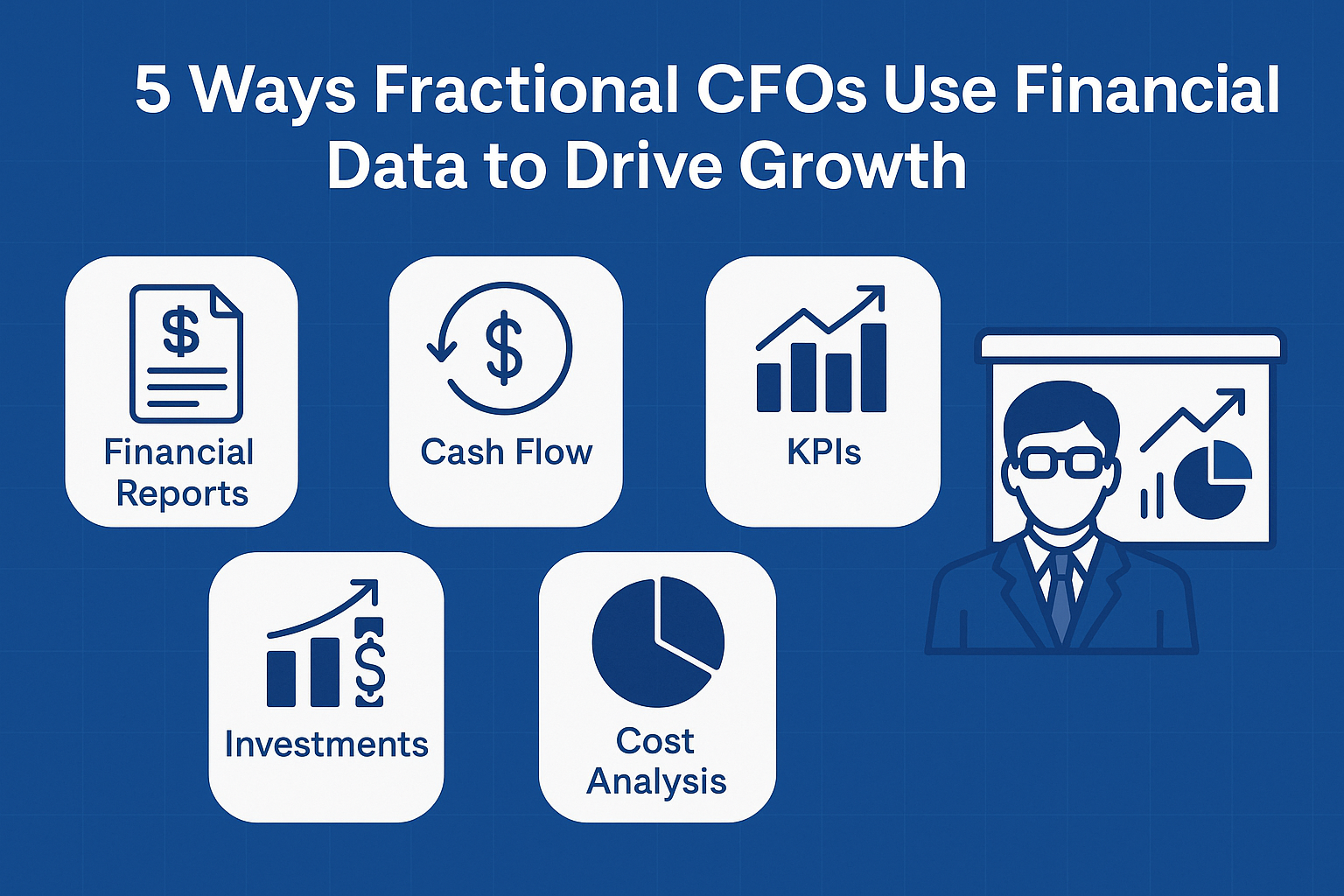
Entrepreneurship: The Art, Science and Process For Success

Entrepreneurship: The Art, Science, and Process For Success 

Entrepreneurship: The Art, Science of and Process For SuccessEntrepreneurship: The Art, Science of and Process For Success Volume 4 is a collection of some of the most innovative minds. It is a best seller in the work-life balance category. The book shares secrets to financial freedom, unprecedented personal success, and unlimited human potential. This book will uplift, empower, and motivate you to take action to fulfill your dreams.


The majority of The World is Stuck in a Rut


Most people die long before they are buried. The majority of the world is stuck in a rut of life. They go to a job that isn’t fulfilling and associate with toxic people. They struggle with getting ahead and don’t know what to do next. This book offers principles you can use right away, but there is no magic formula for success. While this book is a best-seller and gives insights, strategies, and principles to achieve your true potential, it can only work if you commit to adopting the principles. The Art and Science of Success can help you take your life to another level. It may not happen overnight, but through continuous learning, you will get the change you need.


About The Authors

Entrepreneurship: The Art, Science of and Process For Success Volume 4 is a collaboration of 26 authors. The writers come from worldwide to share their wisdom and life experiences. Consider this book a success contract, and you are invited to invest in yourself and get a copy of The Art and Science of Success today. You may also be interested in Seven Pillars to Profit, a great companion book.


entrepreneurship the art science and process for success

Business Entrepreneurship

Business EntrepreneurshipBusiness entrepreneurship is a term thrown around a lot, but what does it mean? Business entrepreneurship is the process of designing, launching, and running a new or existing business. This could be establishing a new company or turning an existing business around. Business entrepreneurship has many different aspects, and it can be a very rewarding experience. This blog post will discuss some basics of business entrepreneurship to get started!


Basics of Business Entrepreneurship

Entrepreneurship involves risk-taking and constantly learning new skills. You must be willing to take on new challenges and be comfortable with changes to your marketplace as the industry goes through normal evolution.
Business entrepreneurship also requires a high emotional IQ. You must work with and engage with employees, customers, vendors, and other professionals. Your communication skills must be excellent to give direction and get things done per your instructions. An entrepreneur needs the following skills:

1. Understand how to read financial statements
2. Be able to create budgets
3. Ability to manage people
4. Continuous Learner
5. Leader
6. Marketing & Sales Skills
7. Analytical Skills
9. Proficient Writer
10. Good Writer
11. Good Soft Skills


You don’t have to be great at everything to be an entrepreneur, and nobody is; however, you must have strengths that overcome areas you may be lacking. There are quizzes you can take that tell you your suitability to be an entrepreneur. Also, continuous learning can strengthen areas where you are weak. You can also hire and form partnerships to add skills you are not good at. Business entrepreneurship is a great way to achieve your dreams and express yourself professionally while making a good living. Research the industry you plan to work in and look for mentors and experienced people in the field. Network with people doing what you want to do and learn from them. goals. If you are willing to put in the time and effort, you can be a successful entrepreneur. 

Top 10 Female Entrepreneurs

Top 10 Female Entrepreneurs

The top 10 female entrepreneurs discussed in this post cover various industries, from entertainment to technology.Top Female Entrepreneurs There are many successful female entrepreneurs, but we will limit our discussion to the top 10 female entrepreneurs. These women have significantly impacted their respective industries and continue inspiring other women to pursue their dreams. They come from all different backgrounds, but they all share one thing in common: they are strong and determined women who have achieved great things. We hope that you enjoy reading about these inspiring women!

1. Oprah Winfrey

Net Worth: $3 Billion
Oprah Winfrey is one of the world’s most successful and well-known business owners. She is a media mogul, talk show host, actress, and philanthropist. Oprah has been incredibly successful in her career and has used her platform to empower other women.


2. Sheryl Sandberg

Net Worth: $1 Billion
Sheryl Sandberg is among the most successful women in technology. She is the Chief Operating Officer of Facebook. She advocates for women in the tech industry and has written a best-selling book called “Lean In Women, Work, and the Will to Lead.”


3. Folorunsho Alakija

Net Worth: $700 Million
Folorunsho Alakija is a Nigerian businesswoman who is one of the richest women in Africa. She is the founder of Fashion Fair Cosmetics, a successful cosmetics company.


4. Tory Burch

Net Worth: $700 Million
Tory Burch is a fashion designer and entrepreneur. She is the founder and CEO of Tory Burch LLC, a successful fashion brand. Tory is also a philanthropist and has created a foundation to support women entrepreneurs.


5. Martha Stewart

Net Worth: $600 Million
Martha Stewart is a businesswoman, television personality, and author. She started a successful media and merchandise company Martha Stewart Living Omnimedia. Martha is also an expert in home décor and has written several books on the subject.


6. Beyonce

Net Worth: $500 Million
Beyonce is a world-renowned singer, songwriter, and actress. She has accomplished very well in her career and is one of the most powerful women in the entertainment business. Beyonce is also a powerful businesswoman and has her fashion and beauty brands.


7. Indra Nooyi

Net Worth: $430 Million
Indra Nooyi is the former CEO of PepsiCo, one of the world’s largest food and beverage companies. She is an accomplished businesswoman named one of the most powerful women in business by Forbes magazine. Indra is also a philanthropist and has created a foundation to support women’s empowerment.


8. Susan Wojcicki

Net Worth: $410 Million
Susan Wojcicki is the CEO of YouTube and is one of the most powerful women in tech. She strongly supports women in the tech industry and has talked about how Silicon Valley needs more diversity. Susan is also a philanthropist and has donated millions of dollars to support education.


9. Debbie Fields

Net Worth: $400 Million
Debbie Fields is the founder of Mrs. Fields Cookies, one of the most popular cookie brands in the world. She is a successful entrepreneur who built a large empire from her simple cookie recipe. Debbie is also a philanthropist and has given back to her community in many ways.


10. Arianna Huffington

Net Worth: $50 Million
Arianna Huffington started “The Huffington Post”, one of the most popular news websites in the world. She is also a successful author and has written several books on success and happiness. Arianna is a powerful voice in the media and is an inspiration to many.


As of this writing, 74 female CEOs are running Fortune 500 Companies. Women are climbing the ranks and are expected to increasingly join the ranks of entrepreneurs.  These are just a few outstanding female entrepreneurs who have significantly impacted the world for the better. We hope their stories have informed you or inspired you. We can all celebrate progress and show how everyone can pursue their dreams and aspirations. Thank you for reading!